


Most wetsuit reviews rank flexibility, buoyancy, and price. Those specs matter, but they matter differently depending on how many open-water sessions you actually swim. A suit that wins on a flex table may be the wrong choice for an athlete training three times a week because the thin neoprene that makes it fast also makes it delicate. At blueseventy, we build the line around that reality.
Most reviews miss that.
Fit Is the First Speed Feature
A suit that doesn't fit at the shoulders will fatigue you by shortening your stroke, no matter how flexible the materials are. On dry land, a swim wetsuit should feel snug. In the water, that same suit should feel less restrictive. The key areas are the bust, torso, wrists, and ankles.
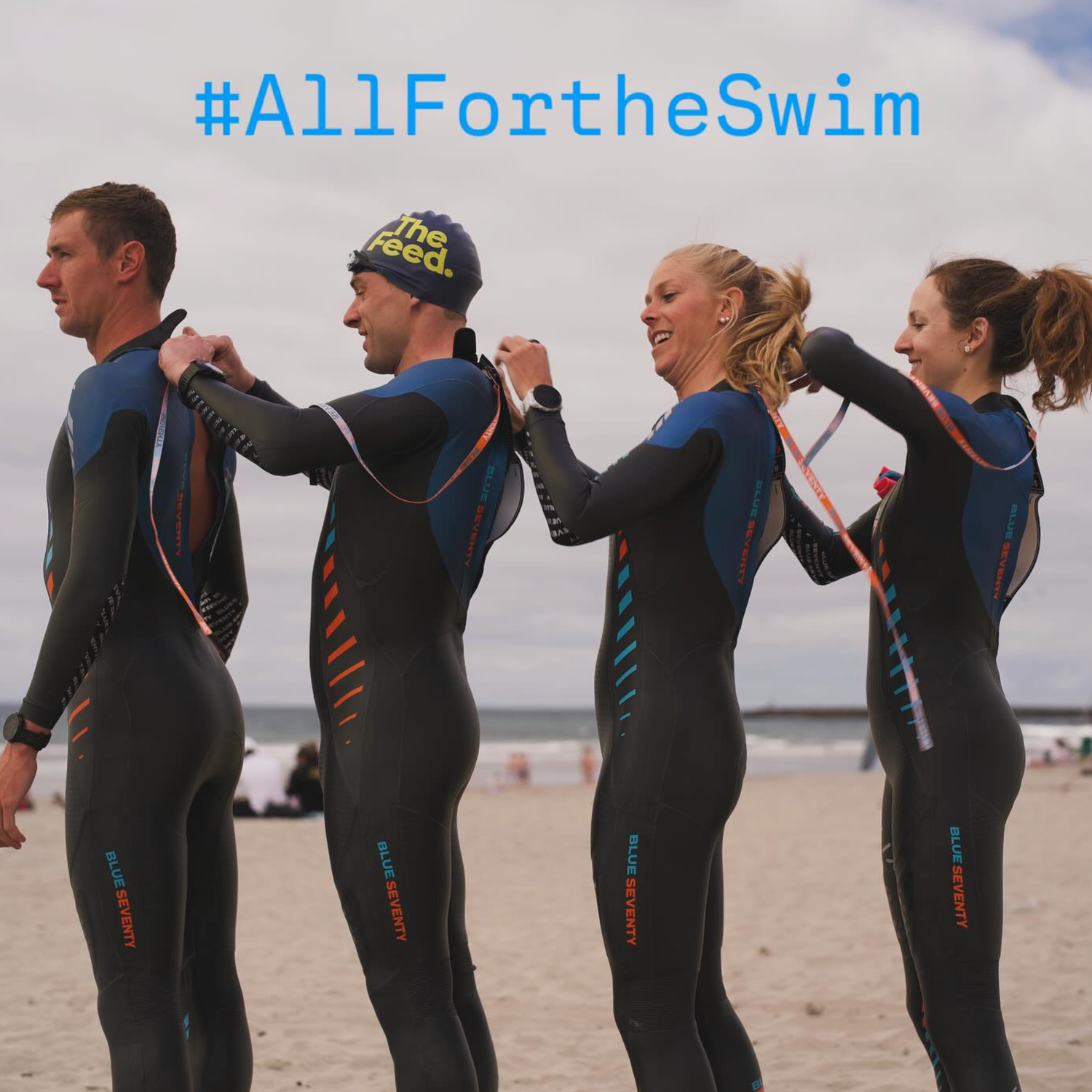
Our Femme Fit line adjusts patterns in those spots, lowers the neckline to reduce chafing, and extends the zipper for easier entry. That longer zipper also speeds up transitions. Fit errors don't show up until you swim. That's why our 30-day return policy includes swimming in the suit. You can test it in open water and still send it back if it's clean, dry, and unmodified.
Training Frequency Changes the Feature Math
Start with the number of swims you do in a typical month. If you swim once a week or less, durability is a smaller concern than easy entry and a neckline that doesn't fight you. If you swim three times a week from April through October, a race-oriented suit may start to wear at the fingernail and heel stress points.
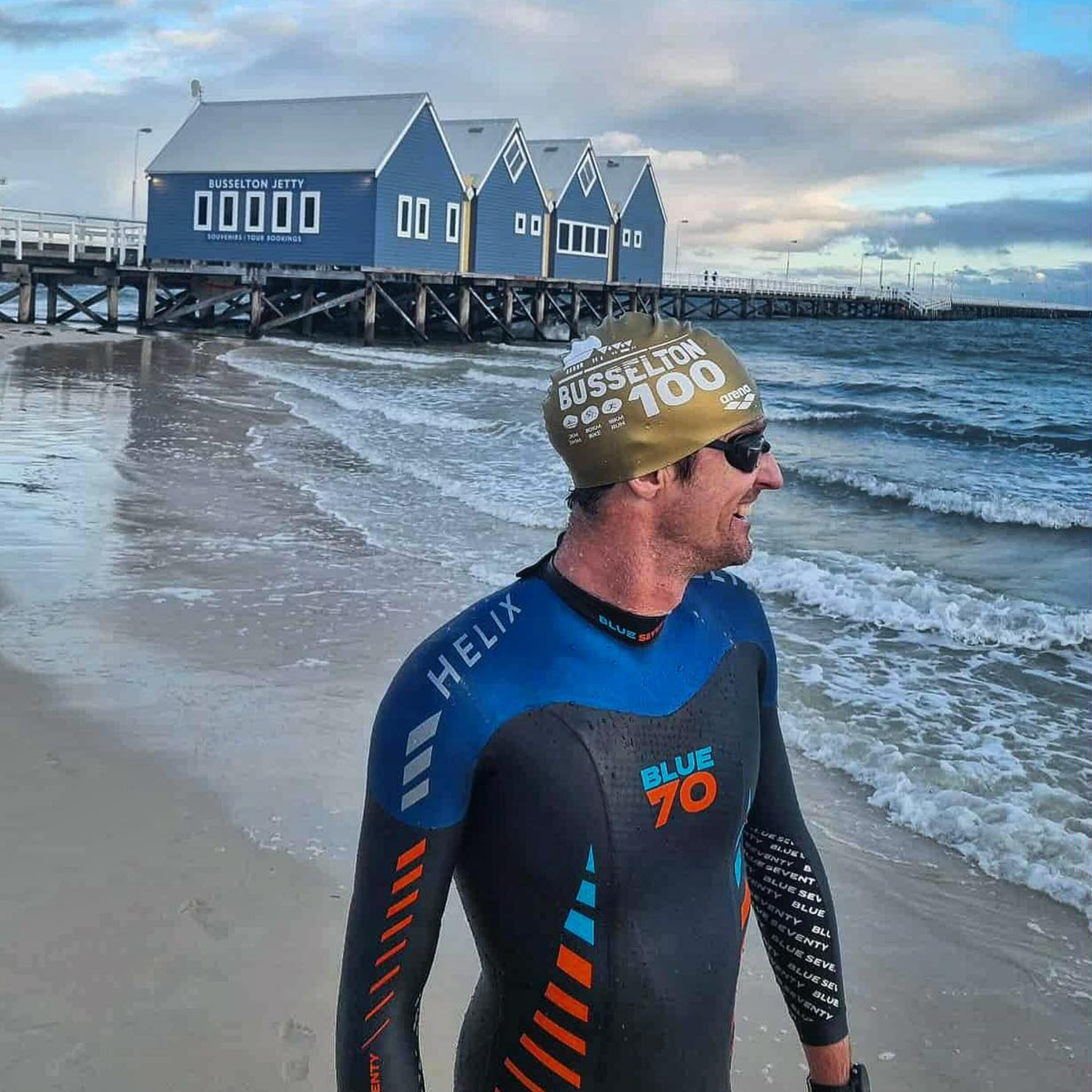
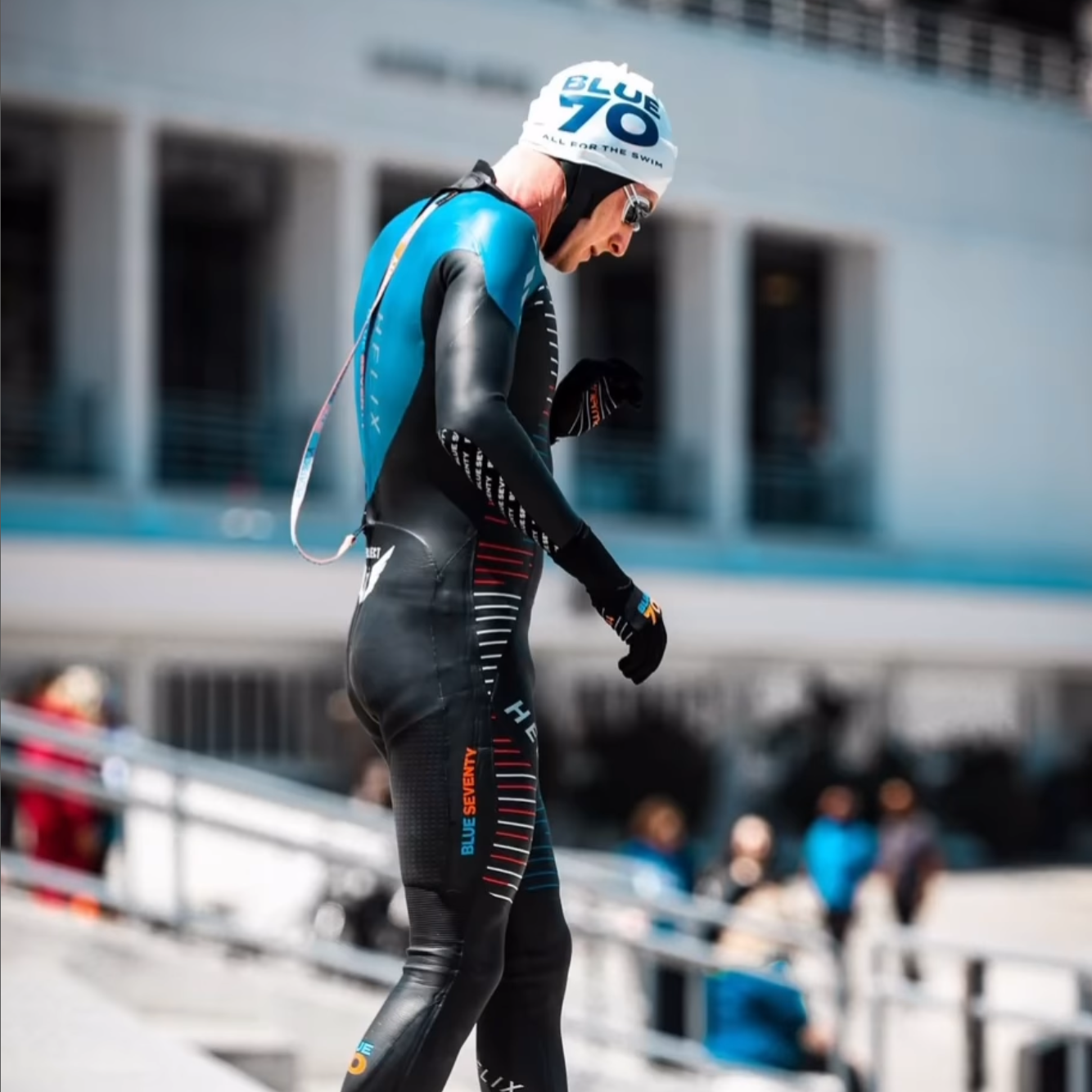
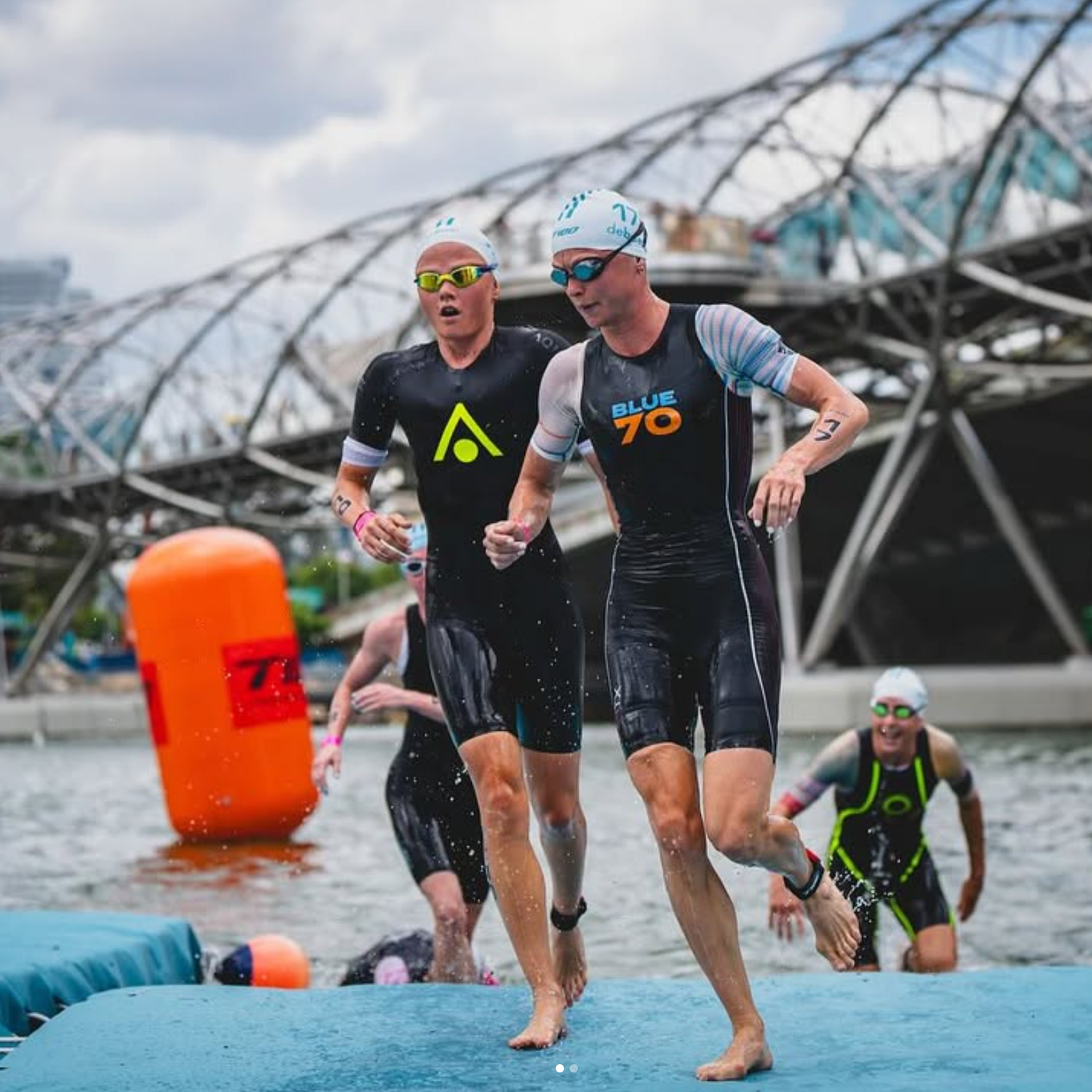
The Helix is our flagship race suit at $995. Its arm and shoulder neoprene is thin and flexible, and the permeable catch panel preserves feel for the water. We tell heavy training swimmers the truth: that thin neoprene will break down more quickly with frequent use. For that athlete, the Reaction at $680 uses higher-grade neoprene that stands up to more sessions. The Fusion at $420 is the better call for shorter frequent swims.
Buoyancy Improves Position, Especially for Newer Swimmers
The mechanism is straightforward. A wetsuit lifts the hips and legs, flattening body position and reducing drag. Beginners see a proportionally larger improvement from that lift than advanced swimmers do. Our LIFT panels, added to the Helix in 2018, concentrate buoyancy in targeted zones. The LIFT buoyancy short, launched in 2020, uses NBR foam and remains a best seller at $150.
A wetsuit is not a personal flotation device. It adds buoyancy but does not replace open-water competence. If you are new, the bigger win from a wetsuit is often the confidence of a better body position, not a time split.
Water Temperature Narrows the Field
Below roughly 56 to 58°F, a purpose-built thermal suit changes the experience. The Thermal Reaction at $785 is fully lined with Zirconium jersey, a synthetic wool that adds warmth. Above roughly 70 to 72°F, a full suit can feel hot over long swims, and sleeveless options or swimskins become more comfortable.
These thresholds are starting points, not safety rules. Cold-water swimming requires gradual acclimatization, a swim buddy, and respect for conditions. A thermal suit adds insulation; it does not remove risk.
Neoprene Grades Are a Simple Place to Start
All blueseventy wetsuits use Yamamoto neoprene in 38, 39, and 40 cell. The higher the cell number, the more flexible the material. Flexibility in the shoulders matters because less resistance through the catch and pull means less fatigue over a long swim. But flexibility alone is not the whole story. A high-cell neoprene can be delicate. That trade-off is why we match neoprene grade and liner choices to the way a suit will be used.
Swim-Specific Design Keeps Getting More Specific
The blueseventy line now separates race-day suits, training suits, thermal suits, and swimrun suits. That's a change from the early triathlon wetsuit era.
In 1993, the brand started as Direct Innovations and developed one of the first triathlon wetsuits. In 2012, the Helix was first out of the water in both the men's and women's triathlon races at the London Olympics, and Alistair Brownlee, racing for blueseventy at the time, took Olympic gold. That result came from a suit designed for a specific job: a fast Olympic-distance swim. Since then, the line has added more specific tools: the Thermal Reaction in 2015, LIFT panels in 2018, and the LIFT buoyancy short in 2020. The trend is away from one do-everything suit and toward suits matched to water temperature, swim frequency, and athlete fit.
The Evaluation Order That Prevents a Bad Buy
Start with fit and water temperature, then frequency and durability, then flex and buoyancy details. If a review doesn't give you enough to answer the first two, treat the score as incomplete.
- Water temperature. Match the suit's thermal intent to the conditions you'll swim in.
- Fit. Check the bust, torso, wrists, and ankles. Use a size chart before you read ten reviews.
- Frequency. One swim a week and three swims a week lead to different durability needs.
- Session length. Longer sessions favor suits built for extended use.
- Flex and buoyancy. These matter most when the first four are already sorted.
Before you read a single star rating, write down three things:
- Water temperatures you'll swim in
- Swims per week
- Typical session distance
Then use those answers to judge every feature claim. If a review praises a suit's flexibility but doesn't mention how often the reviewer swims, you're missing the durability trade-off. A suit can review well and still fit you poorly if the reviewer doesn't share your shoulder circumference or torso length. Use our size charts first. A 30-second measurement beats reading 12 reviews.
If you're not sure about size, use our fit guide or take a test swim. Our 30-day return policy covers suits that have been swum in, as long as they come back clean, dry, and unmodified. Find your size in 30 seconds and then get in the water. All for the swim.