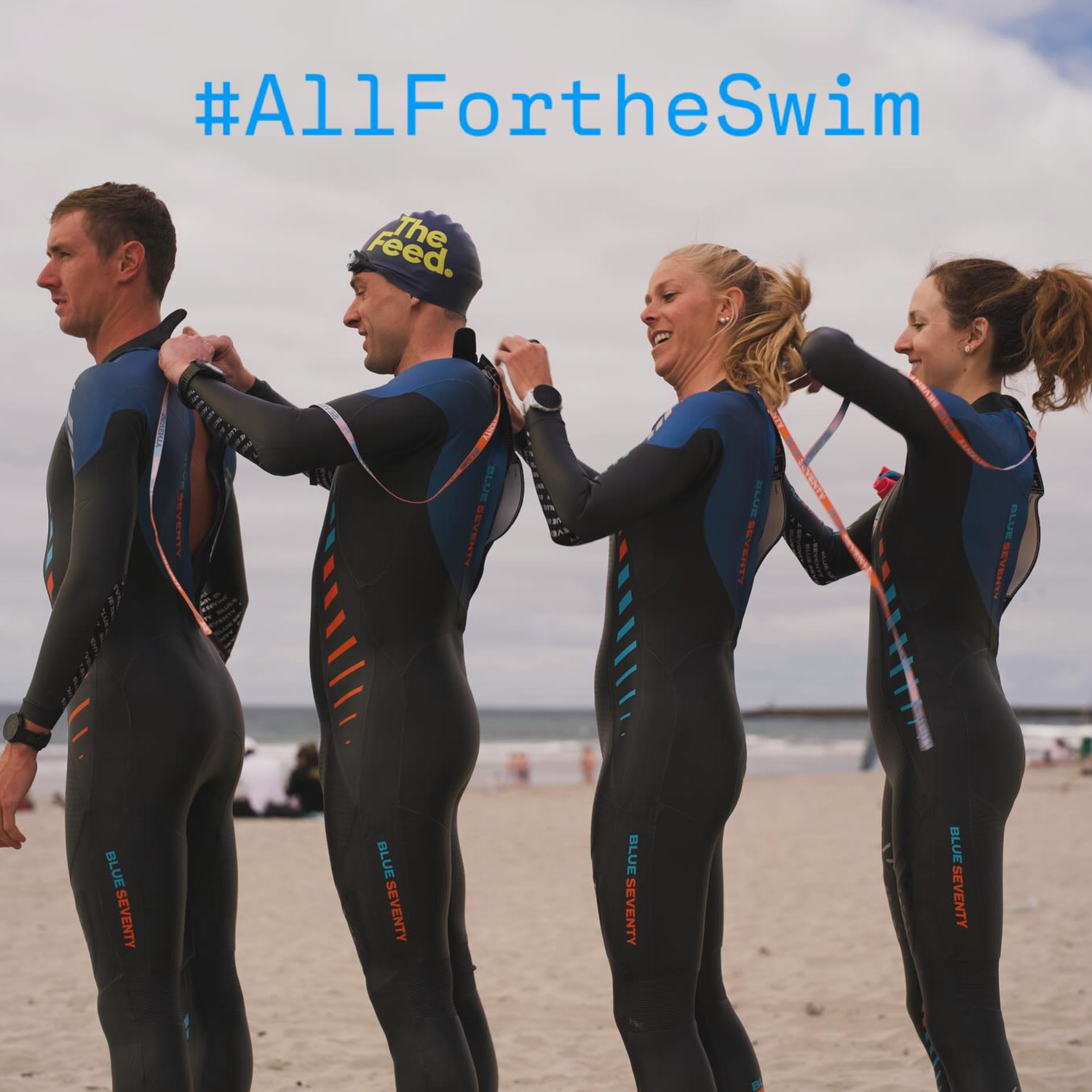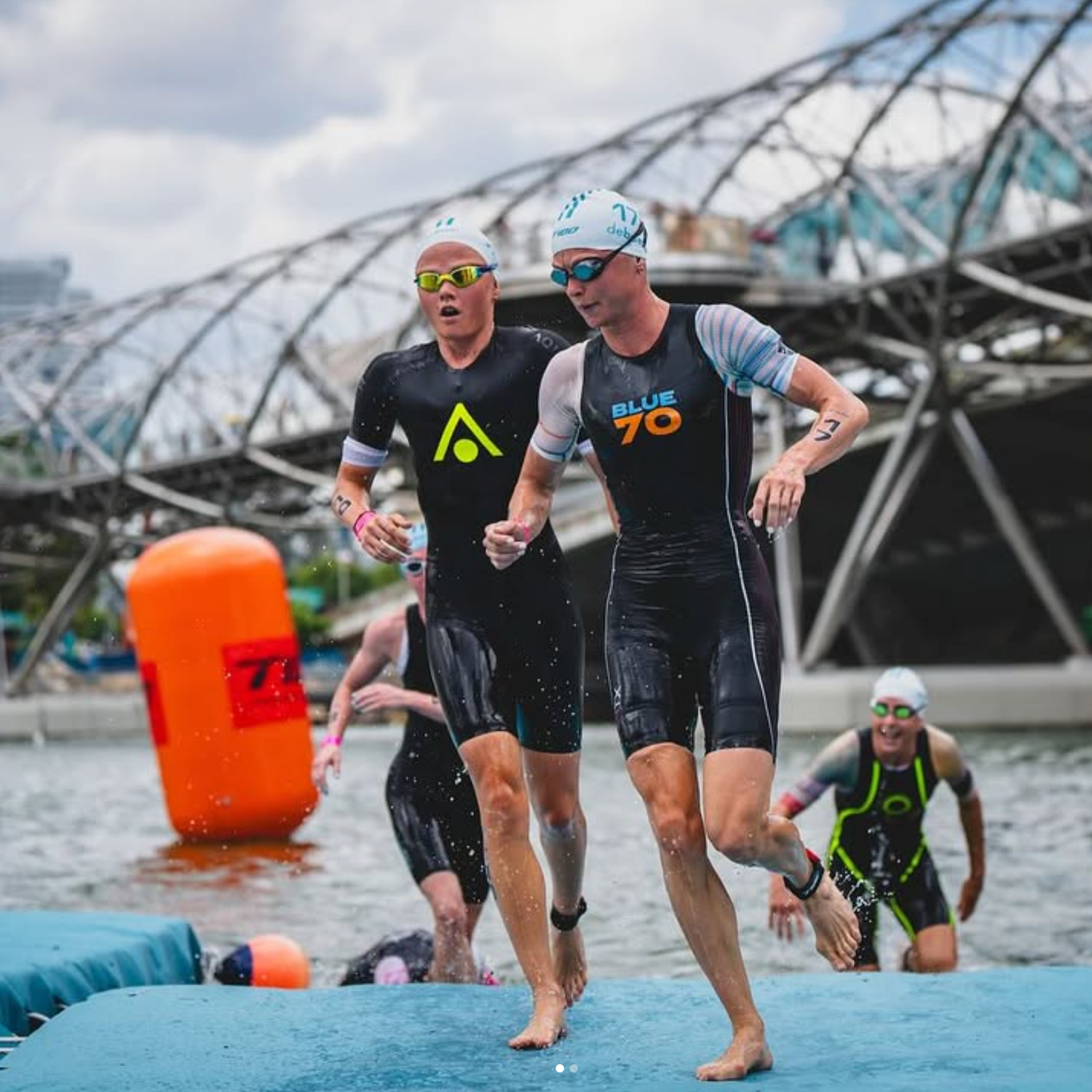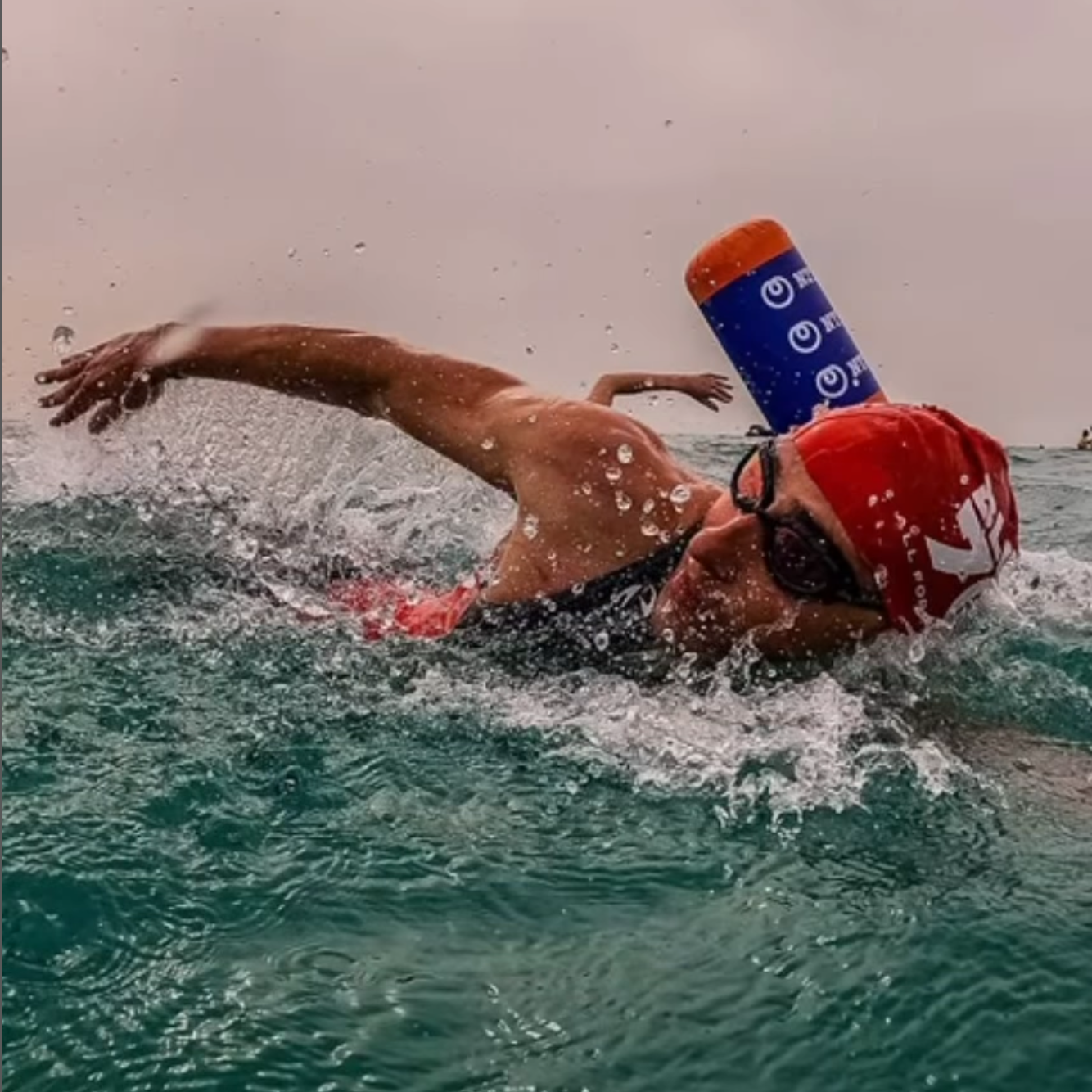



There's a particular spot in most triathletes' garages where old wetsuits go to be forgotten. You know the one. It's not quite trash, not quite gear you'll use again - just neoprene purgatory, hanging there since the season you upgraded to something better.
Here's the thing, though: that suit probably isn't finished. It's finished with you. Those are different problems.
A Wetsuit Lives Two Lives, Not One
We usually think about a wetsuit's lifespan as one long slide from new to worn out to garbage. That's not quite right. A wetsuit actually has two separate careers, and they don't end at the same time.
The first is its competitive career - the phase where every bit of flex in the shoulders and every ounce of feel for the water matters, because you're racing and looking to shave seconds. That career ends fast. A slightly stiffer neckline, a little less give through the arms, and suddenly the suit that used to feel like an extension of your body just feels... fine.
The second is its functional career - simply doing what a wetsuit is built to do: help lift your hips, add some thermal protection, and make the water feel more manageable. That career sticks around a lot longer. A suit that's lost its edge for you might still be exactly what a nervous first-timer needs for their debut open water swim.
Retiring a suit from your own rotation and retiring it from the sport entirely are two different decisions. A lot of good gear ends up in the trash because swimmers never separate the two.
The Swimmer Who Benefits Most Isn't Who You'd Expect
Here's a detail that rarely gets talked about: the person who gains the most from a wetsuit usually isn't an experienced swimmer. It's the beginner.
Buoyancy equals speed in the water, and that's because a wetsuit lifts your hips and legs into a flatter, more horizontal position - which cuts drag. A strong swimmer with good body position already fights less drag on their own, so the suit gives them a smaller boost. But someone newer to the water, someone whose legs tend to sink and whose hips ride low, gets a much bigger lift from that same suit. Literally and figuratively.
So a suit that feels like it's lost its magic for you - the one you've decided isn't quite race-ready anymore - might be the single biggest difference-maker for someone struggling to keep their legs up during their first 750 meters in a lake. That's not a small thing. That's often the line between someone finishing their first open water swim feeling defeated or feeling like they can actually do this.
How to Tell If Your Suit Still Has Something Left to Give
Before you decide whether a suit is donation-ready or truly done, it helps to know that a wetsuit does three separate jobs - and they don't wear out at the same rate.
- Flexibility goes first. This is especially true with thinner, high-performance neoprene, the kind built for maximum range of motion. Years of stretching, folding, and sun exposure gradually stiffen the material. If the shoulders feel less pliable than they used to, that's normal wear - and it doesn't mean the suit is useless. It just means it's better suited to training and recreational swimming than racing.
- Buoyancy tends to last longer than flexibility. The neoprene's cell structure traps gas and creates lift, and that property holds up reasonably well even as the material stiffens. This is exactly why a suit you've "outgrown" competitively can still provide real, noticeable support for someone else.
- Watertight integrity is the real test. A zipper that's failing, a seam that's lifting, or a puncture near the underarm or ankle means the suit needs repair before it goes anywhere - or it may genuinely be at the end of its road.
If the zipper runs clean, there are no significant tears, and the suit still floats a body the way it's supposed to, it's probably got a second life ahead of it.
Getting a Suit Ready to Hand Off
A donated wetsuit should show up the way you'd want to receive one - clean, dry, and honestly described, not just handed over as-is.
Clean it properly. If you've been rinsing it in fresh water after every swim (as you should), give it one more wash with a wetsuit-specific cleaner before it leaves your hands. Skip the harsh detergent. Chlorine and salt residue break neoprene down over time, and nobody wants to pull on a suit that smells like it's been sitting in a gym bag.
Check the details that actually matter. Run the zipper the full length a few times. Look closely at the underarm and ankle seams under good light - those are the classic spots for fingernail nicks and heel tears. Watch for any chalky texture or cracking on the outer skin, which usually means the suit spent too much time drying in direct sunlight.
Fix small problems before you pass it on. A pinhole or a lifting seam is often a quick fix with neoprene cement. A repaired suit will serve its next swimmer far better - and far longer - than one handed over with a known issue and a shrug.
Be upfront about sizing. Pass along whatever measurements you have - height, weight, chest size, original size category, whatever you've got. A wetsuit should feel snug on land and settle into a comfortable, watertight fit once you're in the water. One that's loose through the shoulders or tight across the chest just creates fatigue, and that's the last thing a nervous new swimmer needs. Good sizing information turns a donation from a nice gesture into something genuinely useful.
Where a Retired Suit Can Do the Most Good
Some of the best places for a well-cared-for used wetsuit to land:
- Youth and junior swim programs, where growing kids often can't justify a full-price suit for a size they'll outgrow within a season.
- Try-a-tri clinics and beginner events, where loaner gear removes one of the biggest mental barriers to a first triathlon - standing on the beach in a suit you're not sure fits, wondering if you made a mistake signing up.
- Open water swim clubs, many of which already keep an informal gear bin for members who are curious about cold water but not ready to buy in yet.
- Masters swim teams and adult learn-to-swim programs, where grown beginners are often more self-conscious about gear than teenagers and really appreciate something that actually fits, rather than whatever happens to be left over.
- Charity swims and community events, where plenty of participants are there for a cause, not a personal best, and loaner gear can make all the difference in whether they show up at all.
Starting Your Own Small Pipeline
You don't need a formal program for this to work. Most of the best examples are just a few people paying attention. A few ways to get started:
- Ask your local triathlon or open water club whether they already have a gear library going. Many do, quietly, and they're always looking for donations.
- Reach out to a nearby high school or club swim team. Don't assume they only need kids' sizes - plenty of junior swimmers bridge into adult sleeveless or full suits as they get older.
- Check with race directors for local try-a-tri events. Many coordinate loaner gear for first-timers and are grateful for donations.
- If nothing exists yet, start small. A labeled bin at your local swim shop or club, sorted roughly by size, is often enough to get things moving.
Why This Is Worth Doing
Neoprene takes real resources to produce, which is exactly why squeezing a full second life out of a suit - instead of one competitive run followed by the back of a closet - matters more than it might seem. A well-built, swim-specific wetsuit is designed to hold up over years of open water and pool use. Passing that use on to someone else, rather than letting it sit unused, is one of the simplest ways to get real value out of the work that went into building it.
If you're not sure whether a suit deserves to be donated, repaired, or genuinely retired, Blue70's support team is happy to help you think it through. And if you do pass a suit along, our fit guide and size charts are worth sharing too - so whoever swims in it next starts off with the right fit from day one.
Happy swimming - and happy passing it on.