


Ask a dedicated winter swimmer what actually ends a cold swim, and the answer is rarely "I got too cold." It's usually "I lost my hands." Or "my feet stopped working halfway through." That detail gets buried under most cold-water advice, and it changes how you should think about dressing for the season.
The Body Protects Its Core First
Core temperature drops slowly. Your body guards it by restricting blood flow to the hands, feet, and forearms, a response known as peripheral vasoconstriction. Blood gets pulled away from the extremities and redirected toward the chest and abdomen, keeping your vital organs running at the expense of your fingers.
This isn't a flaw in the system. It's the system working exactly as designed.
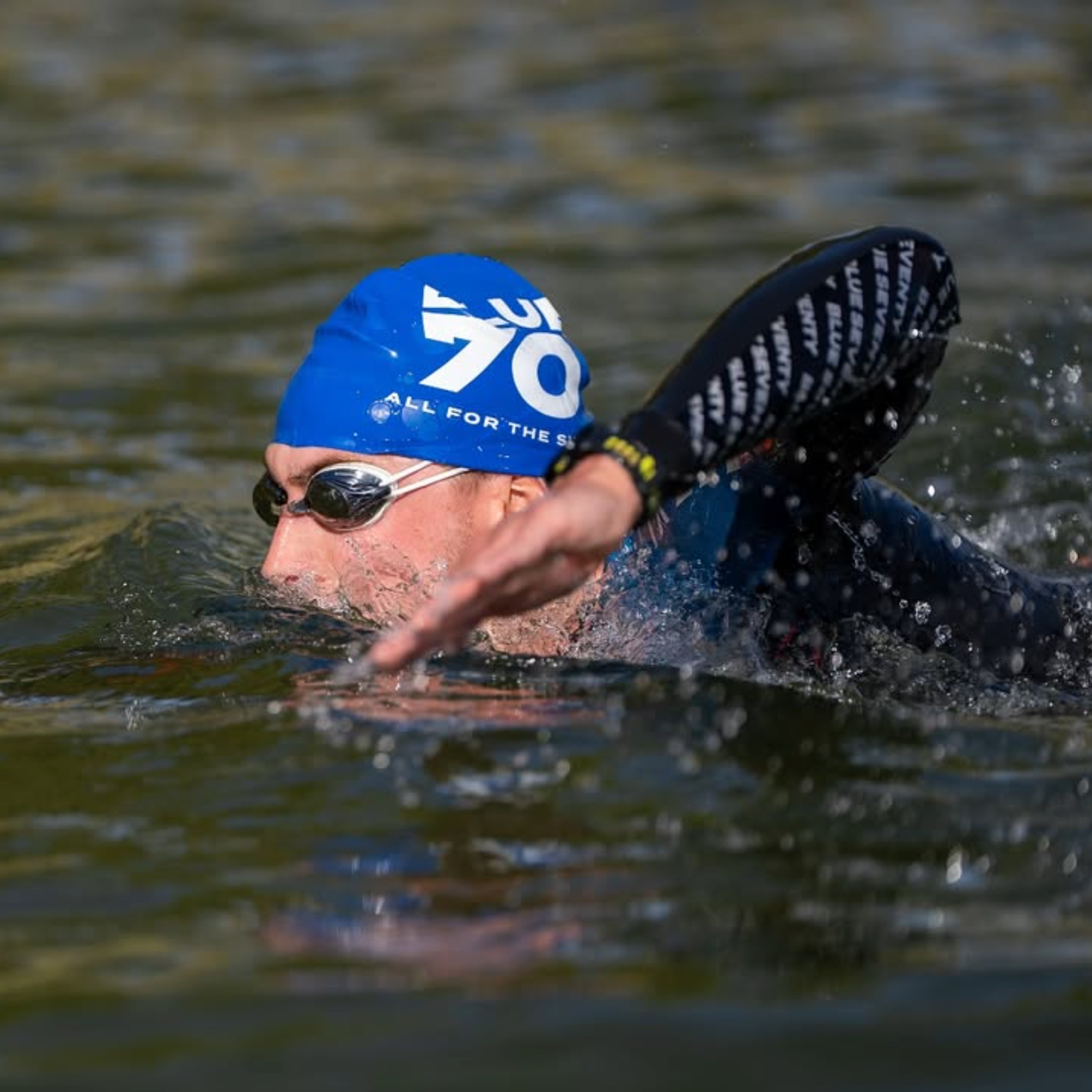
The result is strange but predictable: your hands can go numb and your stroke can fall apart while your core temperature is still completely fine. You're not hypothermic. You've simply lost the fine motor control that makes freestyle work. Grip on the catch weakens. Hand entry turns sloppy. Stroke rate often climbs as swimmers try to compensate with tempo instead of technique.
That's a neuromuscular problem showing up mid-swim, not a core-temperature emergency. Treat it like the same issue and you'll keep reaching for the wrong fix.
What a Full Wetsuit Actually Solves
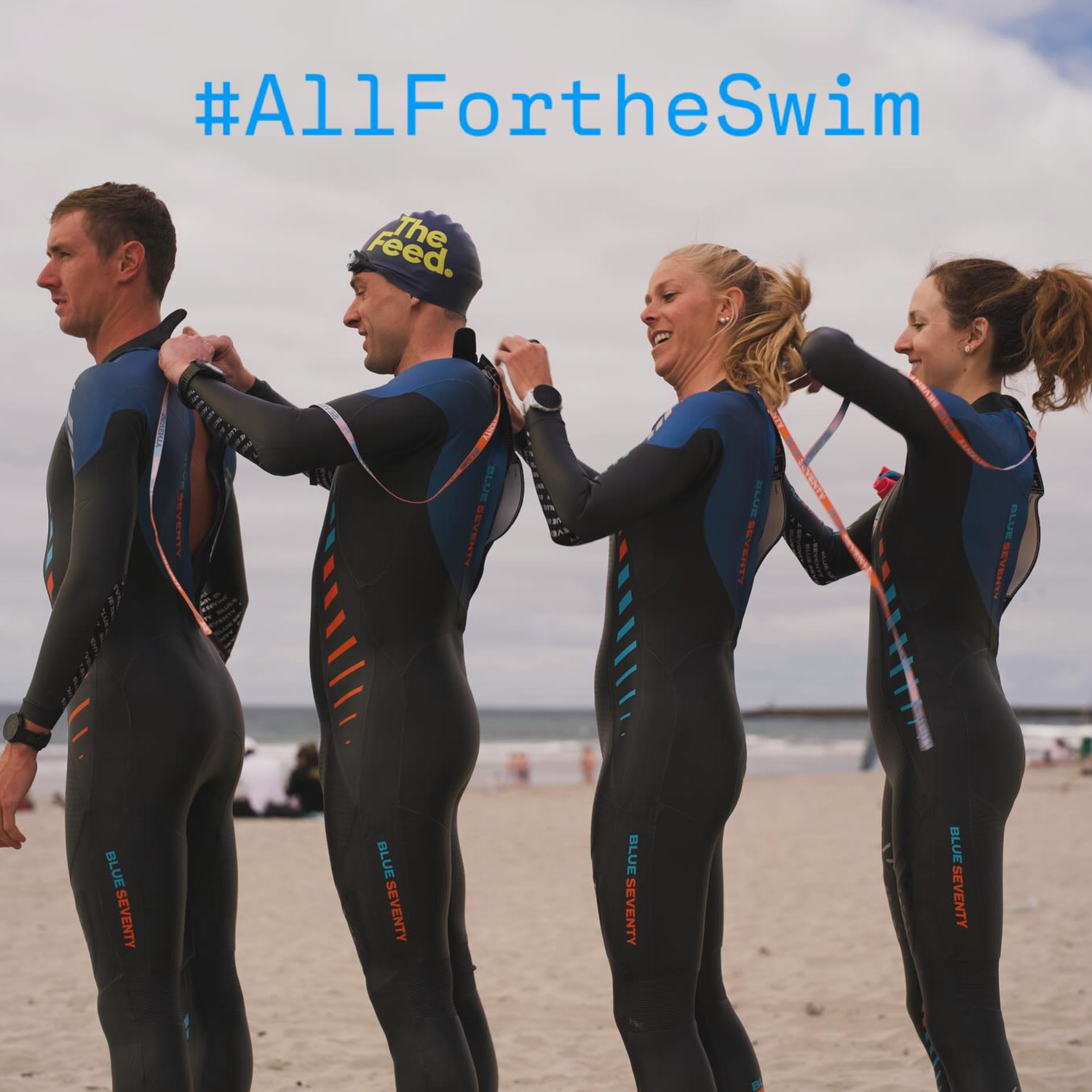
A full wetsuit handles core and trunk insulation well. The Thermal Reaction wetsuit is built specifically for this job, with a fully lined Zirconium jersey interior designed to add thermal protection in colder water. That lining holds a thin layer of body-warmed water against your torso, working with your circulatory response instead of fighting it, since your body is already prioritizing that area anyway.
But sleeves and torso coverage don't solve the hand problem. The extremities lose circulation first no matter how warm your chest stays. Swimmers who dress well for the trunk and treat their hands as an afterthought often end up cutting a swim short, confused about why they're struggling when "the suit kept me warm."
It helps to separate the gear decisions entirely:
- Core and trunk: full wetsuit coverage, with a thermal lining for water in the mid-50s°F and below
- Hands and feet: neoprene gloves and swim socks, chosen and fitted on their own terms
Fold these into a single purchase decision, and you'll likely under-prepare the exact part of your body that fails first.
Cold Tolerance Builds Across a Season, Not in a Single Swim
Cold tolerance isn't fixed. Swimmers who expose themselves to cold water gradually over several weeks tend to hold onto hand and foot function at lower temperatures than swimmers jumping back into cold water after a summer away. It's a big part of why an October swim at 58°F often feels harder than a January swim at that same temperature. Your circulatory response simply hasn't caught up yet in October.
That means your gear needs shift across a cold season, not just your distance. Early transitional swims call for more coverage, shorter swims, and conservative pacing while your body adjusts. By midwinter, a swimmer who's stayed consistent may handle the same water with noticeably less effort, though the hands and feet usually remain the first point of failure the whole season through.
Cold water swimming carries real risk, and acclimatization is a gradual process, not a shortcut around it. Build exposure slowly. Swim with others. Know your exit plan before you get in the water, not after you need it.
Your Hands Are a Better Gauge Than the Clock
Because hands lose function first, they double as your most useful early warning system, more reliable than a watch or a water thermometer strapped to your wrist. Reduced grip on the catch. A hand entry that starts feeling clumsy. A stroke rate creeping up without you deciding to swim faster. All of it is data worth paying attention to, well before anything resembling a core-temperature problem shows up.
Build the habit of checking in on stroke quality every few hundred meters instead of waiting for a general feeling of "I'm cold." It's faster, and it's more honest than how your chest feels under the suit.
None of This Works Without a Sealed Fit
A wetsuit's thermal performance depends on a thin layer of water staying close to your skin and warming there, instead of flushing in and out with every stroke. A suit that's loose at the neck, wrists, or ankles trades cold water constantly, and that undermines even the best thermal lining on the market.
This is also where sizing problems tend to surface fastest in cold water. A suit that fit perfectly during a September pool test can feel noticeably looser by December if your body composition has shifted even slightly through a training block. That small gap is exactly where the cold gets in.
If you're unsure about fit, take advantage of a Test Swim before committing to winter mileage in a new suit. You can swim in it and still exchange it if it's not right, which removes the guesswork from a decision that matters more in cold water than in any other season.
Protecting the Suit Through a Cold Season
Winter is hard on gear in ways swimmers don't always expect. It's not the cold water itself that wears down neoprene. It's the handling: more open-water donning and removal with cold, stiff hands, more rushed exits, more chances for a fingernail puncture or a heel tear during a quick transition.
Rinse the suit in fresh water after every swim. Dry it completely before storing it. Check the seams and neck closure periodically through the season, rather than discovering a problem mid-swim when it's too late to do anything about it.
The Short Version
Winter swimming comes down to two separate decisions. Insulate the core with a suit built for cold water. Protect the hands and feet separately, because they'll lose function first no matter how good that suit is. Build cold tolerance gradually across the season rather than all at once, and let your stroke quality tell you what's happening before you feel it anywhere else.
Get the fit right before you have to rely on it in open water.
Happy swimming.