


Most wetsuit discussions flatten premium neoprene into a quick label: softer, stretchier, faster. That shorthand leaves out the part swimmers actually feel in open water. A Yamamoto 40 neoprene suit changes the cost of each stroke. Not the price tag, the physical cost. Over the course of a race, that difference can shape how your shoulders feel, how well your stroke holds together, and how much energy you carry into T1.
Blue70 uses Yamamoto neoprene in 38, 39, and 40 cell across its wetsuit line. Higher cell numbers bring more flexibility. For triathletes and open-water swimmers, that matters most in the upper body, where the suit has to move with shoulder extension, torso rotation, and the recovery phase of freestyle without fighting back on every cycle.
That is the useful way to think about Yamamoto 40. It is not a decorative spec. It is a material choice that affects how long you can hold clean mechanics when the swim gets hard.
Why flexibility matters more after 15 minutes than in the first 15 seconds
A lot of athletes judge a wetsuit too early. They pull it on, reach overhead once or twice, then decide whether it feels flexible. That check tells you something, but not enough. The real test starts when your heart rate rises, your stroke rate changes, and your shoulders begin repeating the same motion under load.
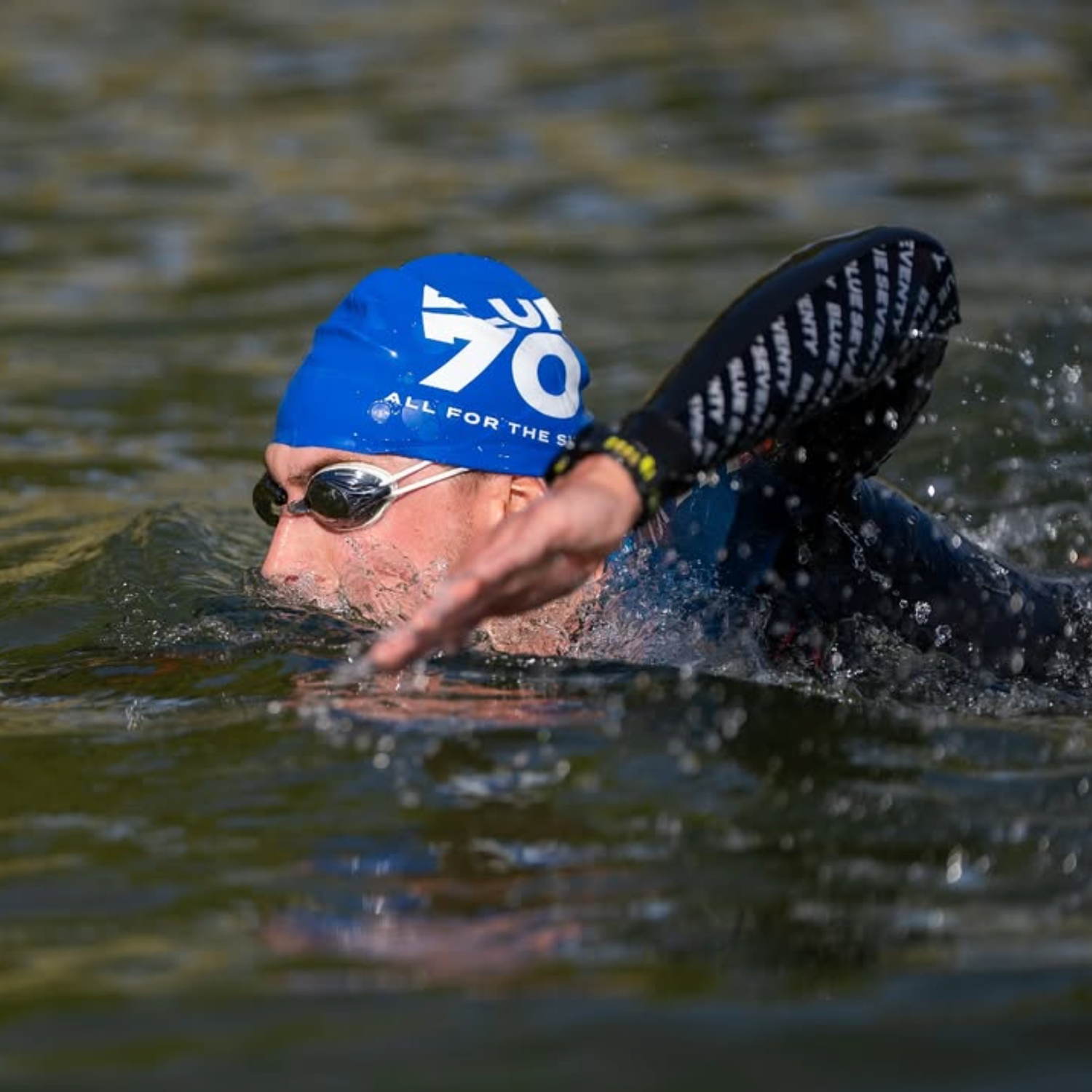
Freestyle is repetitive by design. A race swim means hundreds or thousands of arm cycles, depending on distance. If the wetsuit resists your reach or tugs against your recovery, that resistance does not stay small for long. It accumulates. A more flexible neoprene reduces that drag on the body and gives you a better chance of holding the stroke you trained in the pool.
That is why higher-flex neoprene often feels better deeper into the swim than it does on the pool deck. Early comfort is one thing. Late-race preservation of form is where the material proves its value.
Yamamoto 40 as a pacing tool
Most athletes file neoprene under buoyancy and shoulder mobility. Pacing belongs in that same conversation. Pace in open water is mechanical before it is emotional. When the shoulders tighten, the hand entry shortens. When hand entry shortens, the front end of the stroke often loses shape. When the catch slips, the swimmer works harder for the same speed.
A more flexible suit can help slow down that chain reaction. It does not guarantee a result, and it does not replace fitness or skill. What it does is reduce one source of avoidable resistance, which can help the swimmer keep a steadier rhythm across the full swim.
That tends to matter at three points in particular.
The opening surge
The first few hundred meters of a triathlon swim are rarely smooth. Stroke rate jumps. Sighting gets frequent. Contact is common. If the shoulders are already working against a restrictive upper body, the start costs more than it should. A high-flex suit can help you get through that phase with less upper-body tension.
The middle section
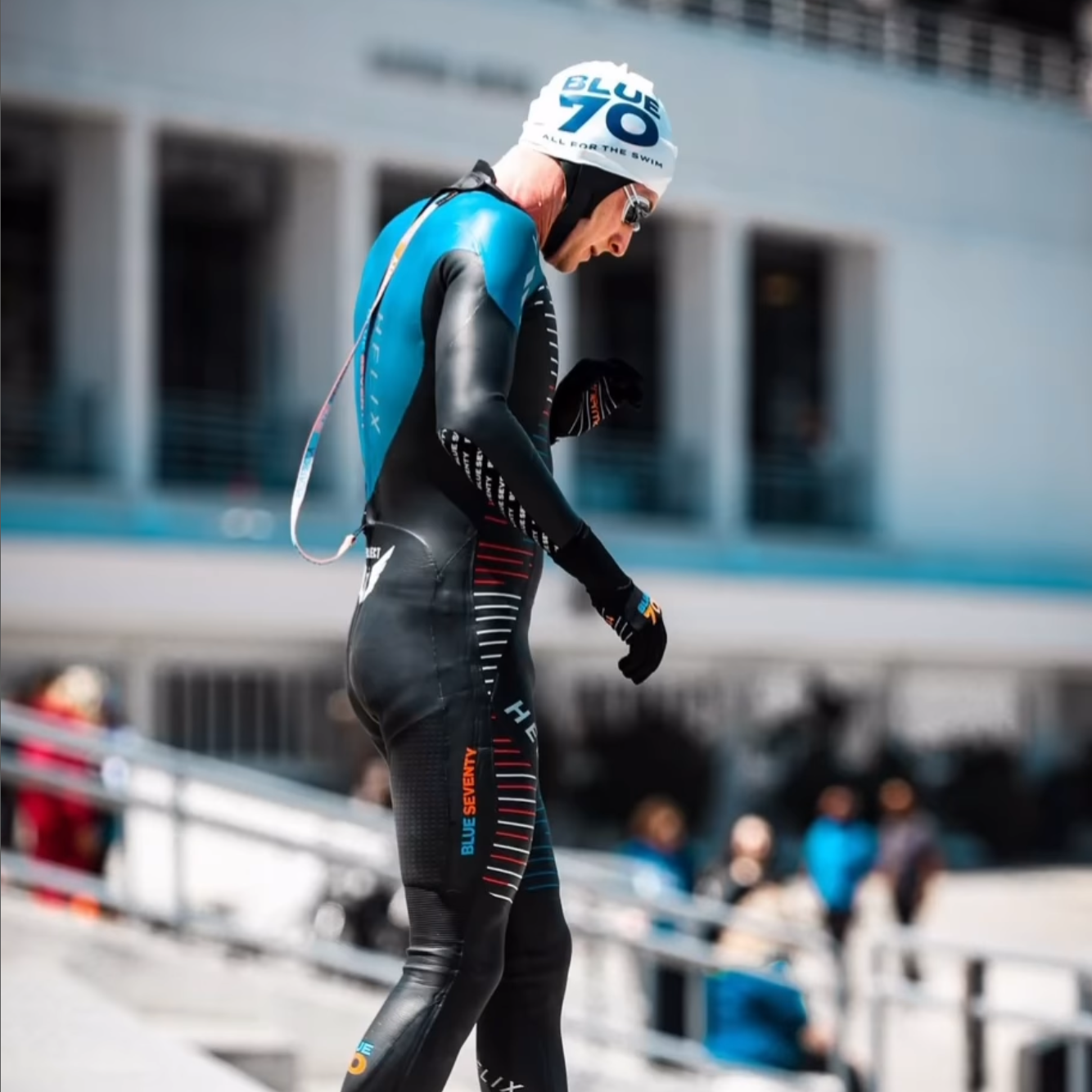
This is where pace settles or leaks away. A swimmer who can still extend cleanly, rotate freely, and connect with the catch has a better chance of holding speed without forcing it. Blue70’s race-focused approach in the Helix follows that logic. The suit uses very thin, highly flexible neoprene in the arms and shoulders, and its permeable catch panel is there to preserve feel for the water.
The final minutes and T1
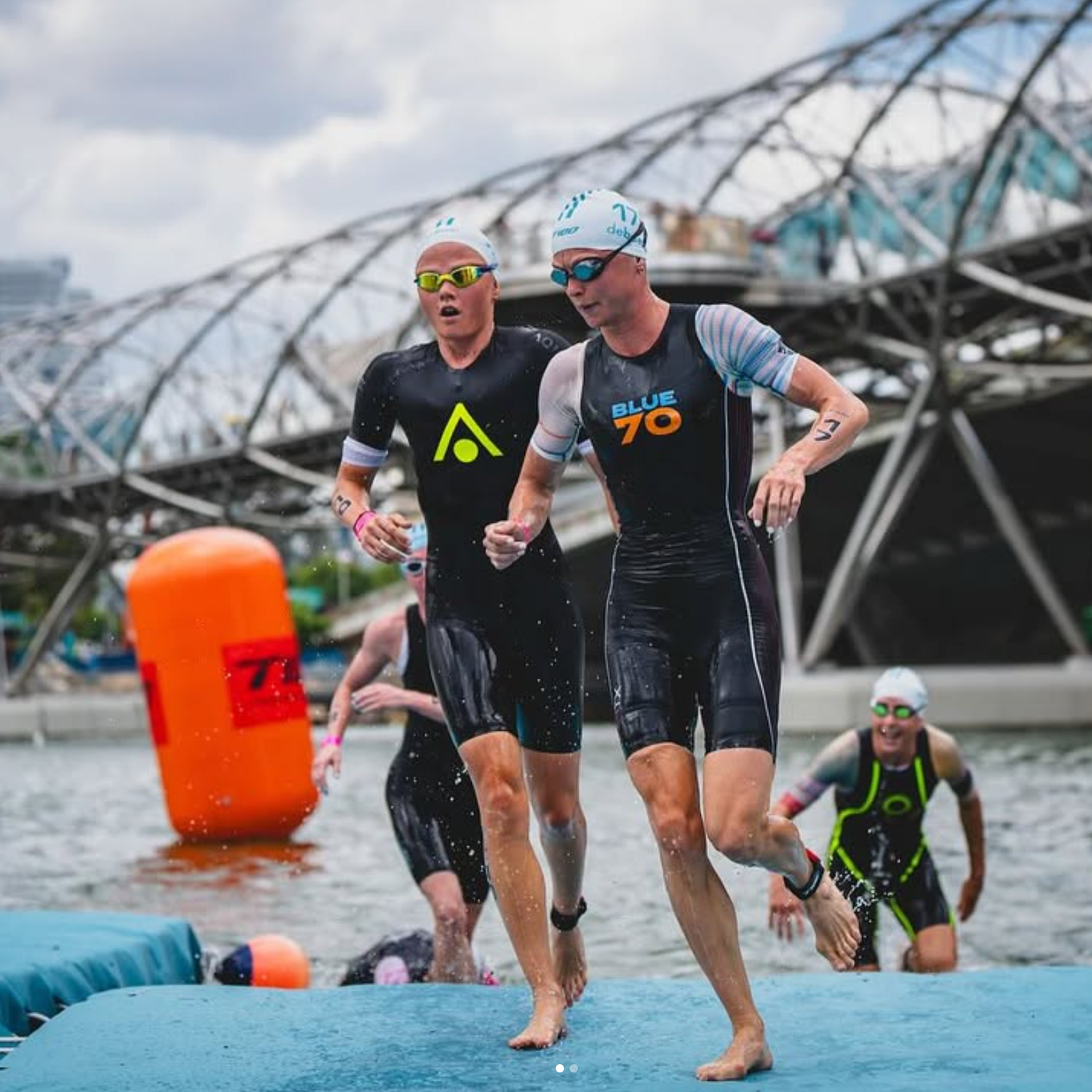
Late in the swim, small restrictions feel bigger. Fatigue makes them louder. A suit that has moved with you rather than resisted you can leave the upper body less loaded as you stand up, run to transition, and start stripping the suit for the bike.
Why a race material is not always a training material
This is where honest wetsuit advice matters. A suit built around top-end flexibility is not automatically the right choice for every swimmer or every use case.
Blue70 is clear about this in the Helix. The very thin neoprene that gives the suit its race-day freedom through the shoulders and arms will break down more quickly with frequent use. That is not a flaw. It is the trade-off that comes with pushing flexibility to the front of the design.
If you swim in your wetsuit often, especially for regular open-water training, durability starts to matter more. In Blue70’s lineup, the Reaction often makes more sense for frequent, longer swims. The Fusion is a strong option for shorter, frequent sessions, and its 2021 redesign added a lower-sitting neckline for comfort without losing the watertight seal.
That is a smarter way to shop for performance. Match the suit to the work you actually do.
Fit still decides whether premium neoprene works
A swimmer can buy a high-flex suit and still come out of the water saying the shoulders felt tight. In many cases, the material is innocent. The suit simply was not on correctly.
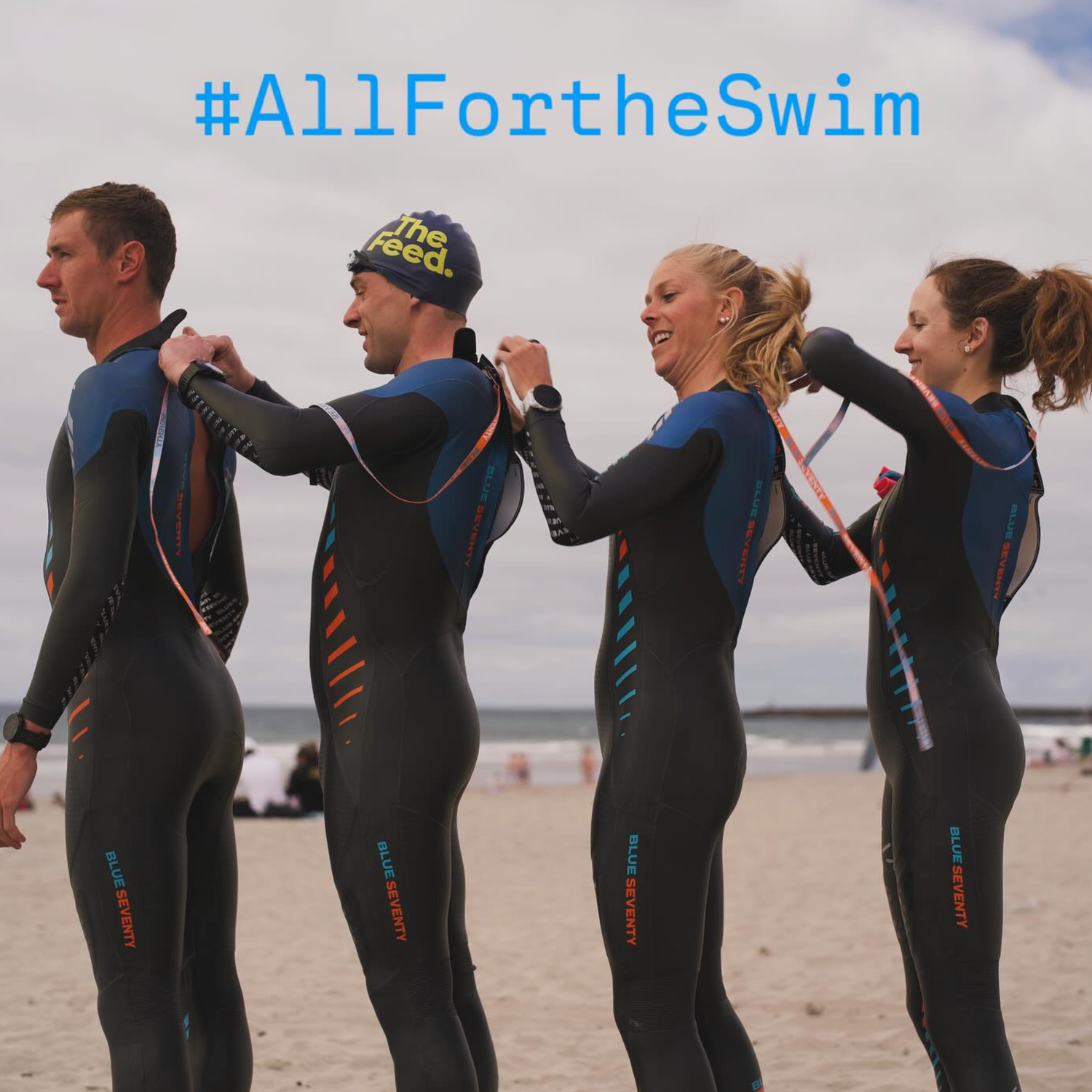
If the neoprene is sitting low through the calves, hips, or torso, the shoulders lose range of motion. The result feels like a bad upper body panel, but the problem started much lower. A wetsuit should feel snug on dry land and more comfortable in the water. If it feels restrictive, check how it was put on before blaming the neoprene grade.
How to get the intended fit from a high-flex suit
- Start at the ankles. Pull the suit up in small sections so the lower leg is fully seated.
- Set the hips properly. Work the material into place through the quads, glutes, and crotch before zipping up.
- Move slack upward. Feed small amounts of neoprene toward the torso and shoulders.
- Test extension on land. Reach forward and simulate a few freestyle strokes to check for tension points.
- Reassess in the water. A correctly fitted suit usually feels better once it settles.
Fit first. Material second. That order does not change.
Water temperature can change the whole decision
Flexibility matters, but it does not always come first. Water temperature can move thermal protection to the top of the list.
Blue70’s guidance is straightforward here. Below about 56 to 58°F, a purpose-built thermal suit adds meaningful warmth. In that range, the Thermal Reaction deserves attention because it is fully lined with Zirconium jersey for cold-water swimming. In warmer conditions, above about 70 to 72°F, a full suit can feel too warm for longer swims, and a sleeveless option may make more sense.
Temperature affects more than comfort. It affects stroke length, breathing rhythm, and how well you can keep swimming with purpose. Cold water can shorten the stroke and raise effort quickly. Warm water can turn a full suit into too much coverage for the session. The right material choice always sits inside the bigger picture of conditions and swim duration.
Who benefits most from Yamamoto 40
Some swimmers notice the difference in high-flex neoprene right away. Others gain more from buoyancy, fit confidence, or durability. Yamamoto 40 tends to matter most for athletes who are sensitive to upper-body restriction and want the suit to disappear as much as possible during the stroke.
- Triathletes focused on race-day performance
- Open-water swimmers who log longer continuous efforts
- Athletes with a higher stroke rate
- Swimmers who lose mechanics when the shoulders tire
- Experienced swimmers who care about feel during the catch
Beginners can still benefit from a premium suit, but many newer swimmers see their biggest gain from improved body position. Blue70’s teaching on this remains simple: buoyancy equals speed in the water. For a first-time triathlete, that lift may matter more than the final degree of shoulder freedom. The right choice depends on the swimmer’s current need, not on chasing the most expensive material name.
How to evaluate a Yamamoto 40 neoprene suit with a swimmer’s eye
The material name alone does not tell you enough. The better approach is to ask where the flexibility is placed and how the suit is meant to be used.
- Look at panel placement. Shoulder and arm flexibility matter more than a broad premium-material label.
- Be honest about usage. A race-first suit and a weekly training suit are not always the same thing.
- Factor in water temperature. Thermal needs can outweigh maximum shoulder stretch.
- Pay attention to stroke feel. The right suit supports your natural timing rather than changing it.
That is the lens experienced swimmers use. They do not shop by headline spec alone. They shop by how the suit behaves once fatigue starts building.
Where Blue70 applies this material philosophy
Blue70’s wetsuit line uses Yamamoto 38, 39, and 40 cell neoprene to create different performance profiles across the range. At the race-focused end, the Helix is built for total race-day performance, with very thin neoprene in the arms and shoulders, a permeable catch panel, and LIFT buoyancy panels added in 2018.
The Reaction and Fusion serve a different purpose. They still prioritize swim-specific performance, but they make more sense for athletes who need a stronger balance of flexibility, comfort, and repeated-use practicality through a full season.
That product split reflects a basic truth about swimming gear: the best suit is the one that matches your training frequency, your race priorities, your water temperature, and the way your stroke holds up under stress.
The practical takeaway
A Yamamoto 40 neoprene suit matters because it can reduce the resistance your body feels on every stroke. Over the length of a race, that can help preserve form, support steadier pacing, and leave you less taxed heading into transition.
That does not make it the right answer for every swimmer. If race-day performance leads the decision, high-flex neoprene deserves a hard look. If you train in your wetsuit every week, durability deserves equal weight. If the suit is not fitted correctly, no premium material will fix the problem.
Choose the suit that matches the swim you actually do. If you want help sorting out fit first, Blue70’s fitting guide, size charts, and Take a Test Swim program are the best place to start.