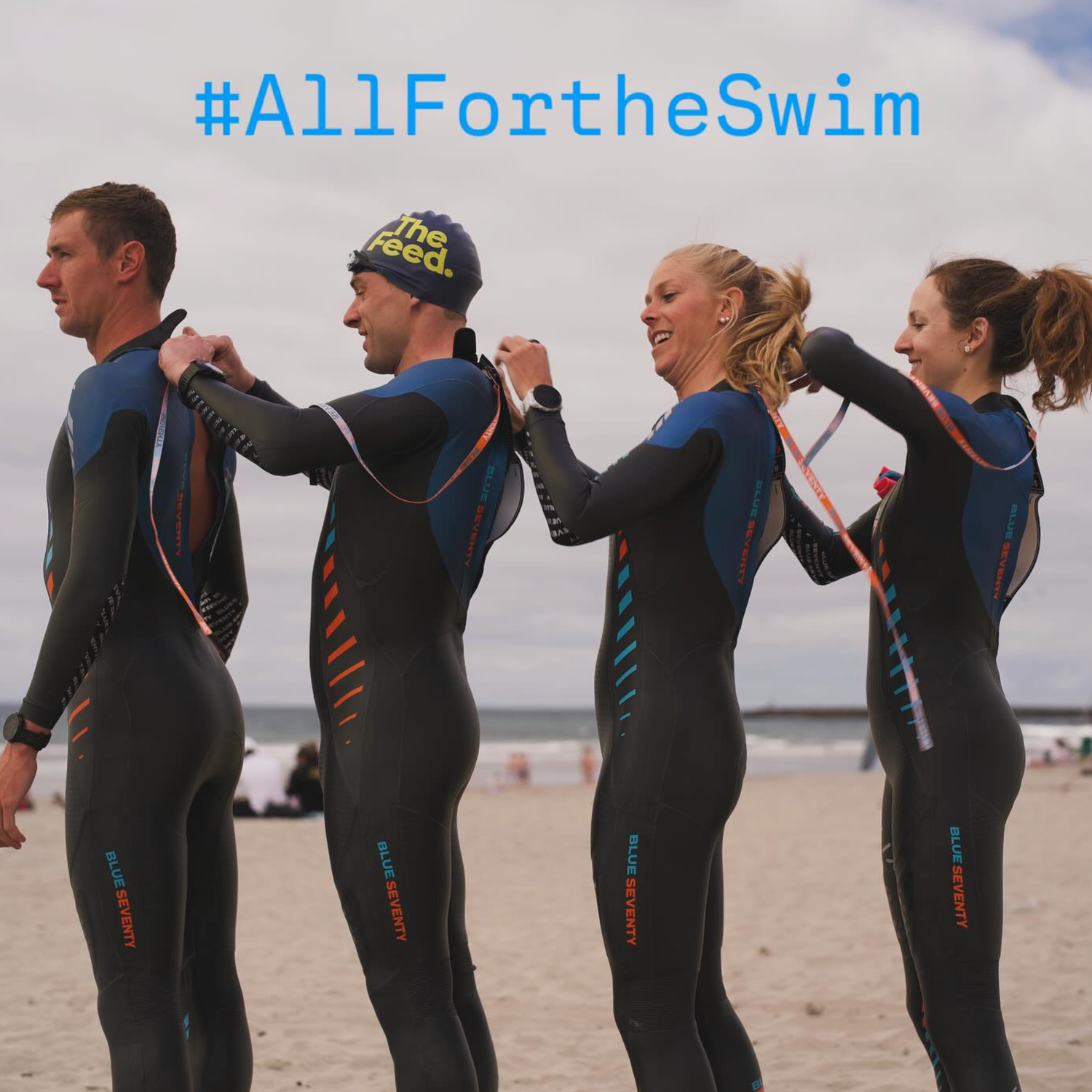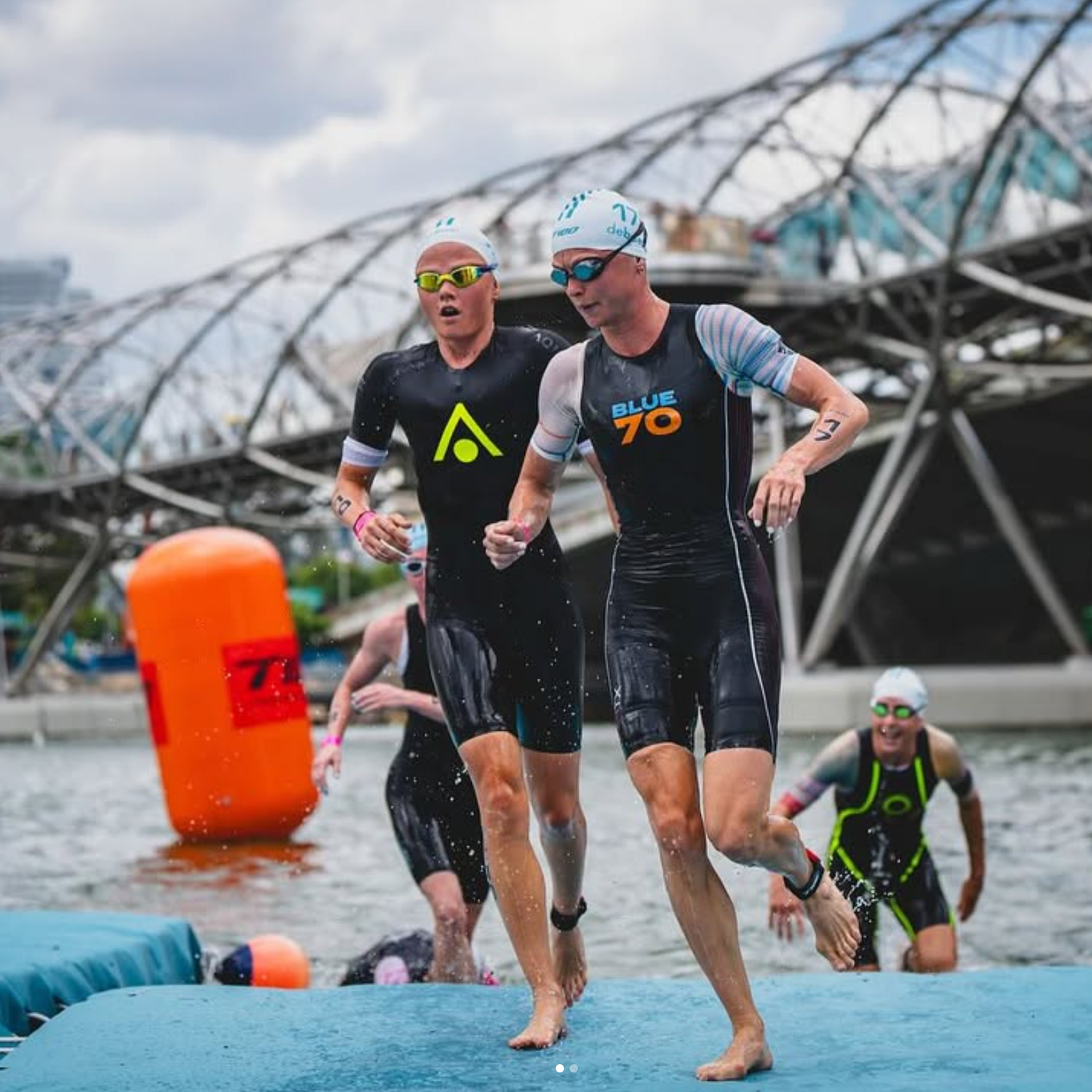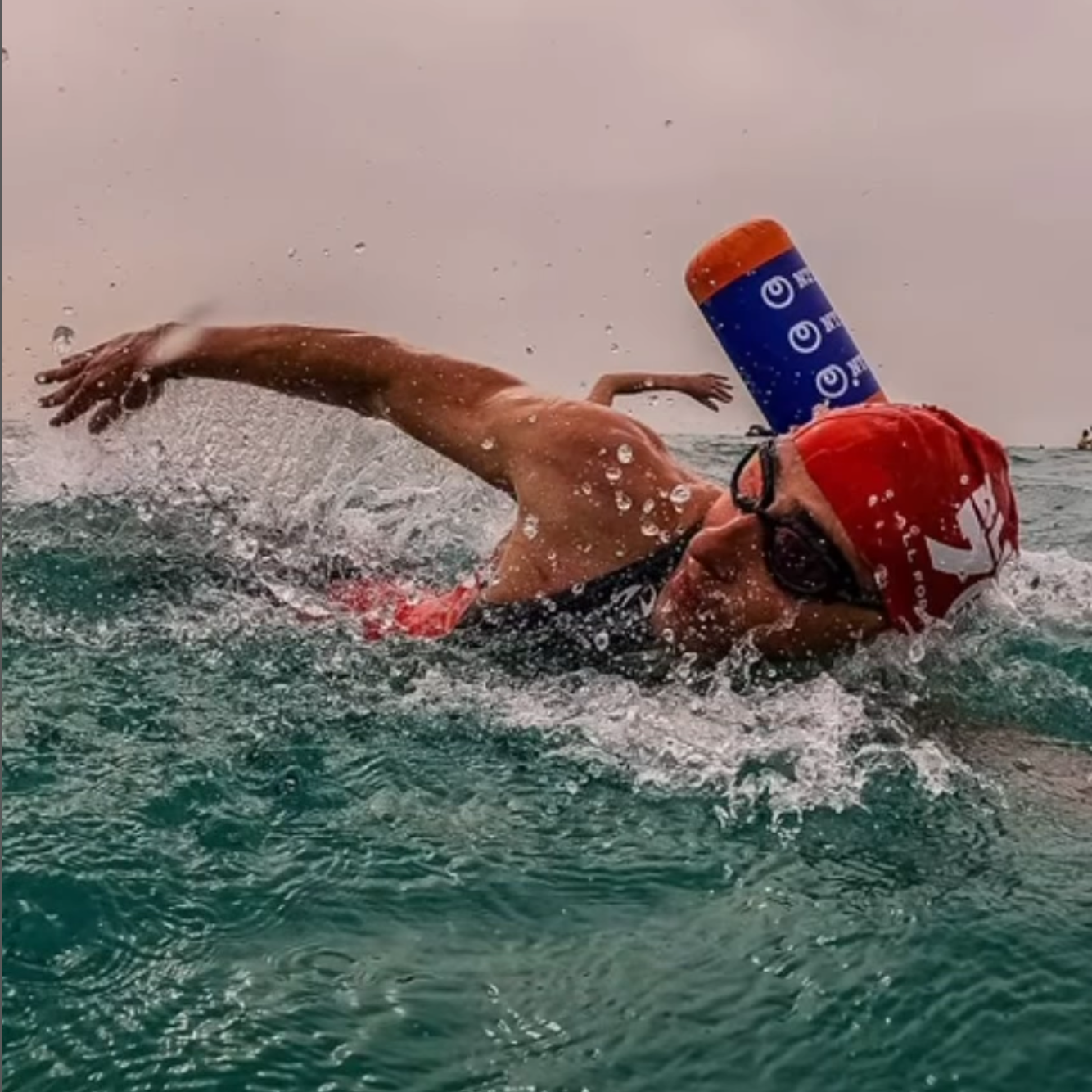



A Blue70 swim wetsuit solves a specific problem: keeping a swimmer horizontal and warm while moving through cold open water. It does not solve the problems of standing on a paddleboard in wind. If you paddleboard through winter and own a swim wetsuit, leave it on shore.
That sounds blunt, but the reasons are rooted in how the suit manages heat, distributes buoyancy, and handles shoulder movement. A swim wetsuit and a paddlesports suit serve different bodies in different positions.
Heat Management on a Paddleboard Works Differently
A wetsuit traps a thin layer of water next to your skin. Your body warms that water, and the neoprene slows heat loss. In the water, that system works. On a paddleboard, the same water sits on the outside of the suit and evaporates as air moves across it. Evaporation pulls heat away from you.
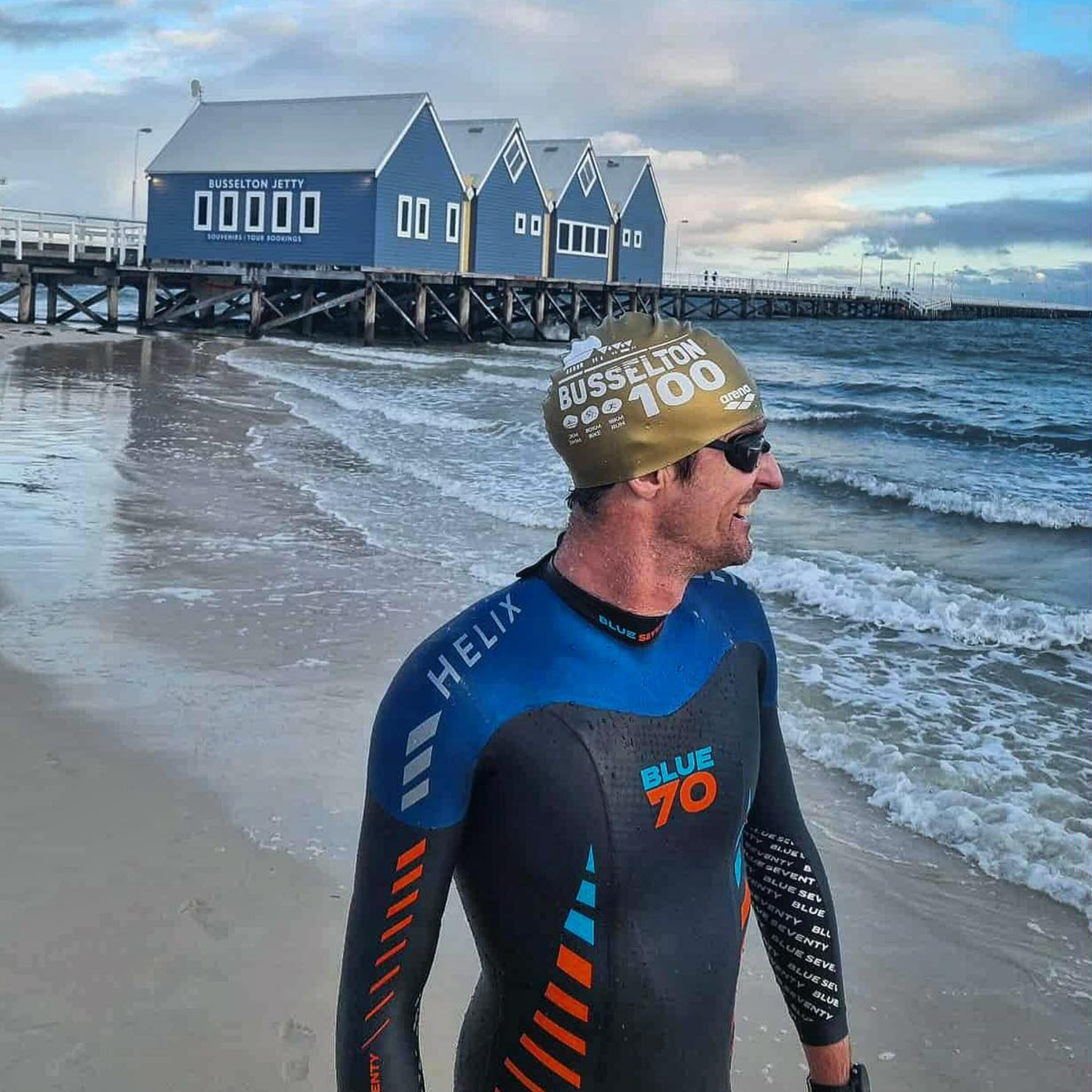
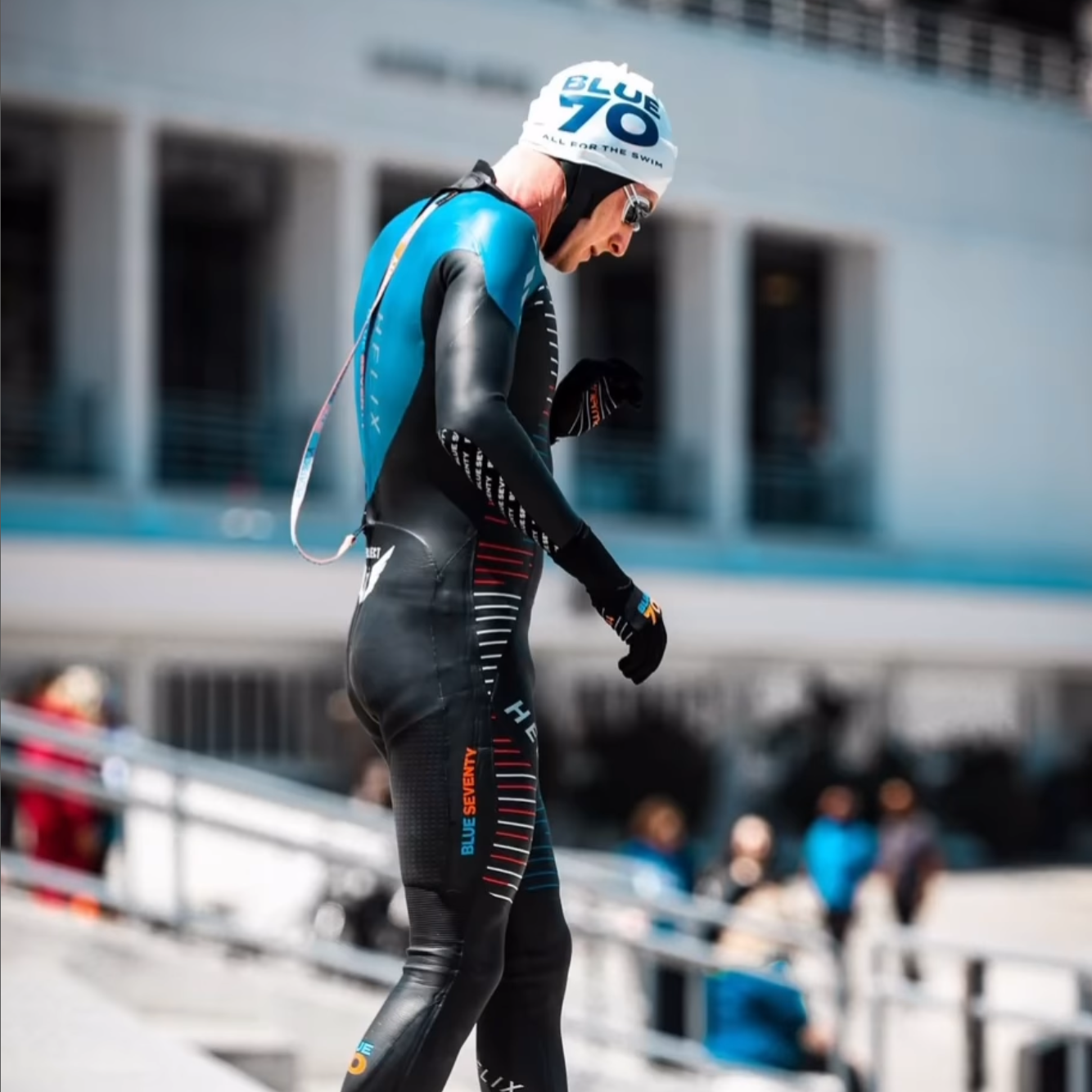
Blue70 wetsuits use Yamamoto neoprene in 38, 39, and 40 cell. Higher cell counts mean more flexibility, so Blue70 places the more flexible neoprene in the arms and shoulders while the torso panels focus on buoyancy and thermal protection. That combination works for a swimmer moving through water. A paddleboarder standing in wind needs a suit designed to cut wind instead of reducing drag in the water. The Thermal Reaction adds a Zirconium jersey lining for cold-water swimming, but that lining performs best when you are submerged and moving.
Buoyancy That Helps a Swimmer Holds Back a Paddleboarder
For a swimmer, buoyancy equals speed. A swim wetsuit lifts the hips and legs to flatten the body in the water. That horizontal position reduces drag. Blue70 positions the LIFT panels in the Helix to raise the hips and legs while you swim.
On a paddleboard, that leg lift becomes a problem. You need to stand, kneel, and climb back onto the board after a fall. Extra buoyancy in the legs makes remounting awkward because your lower body floats upward as you try to get a knee onto the deck. A paddlesports suit should feel neutral in the water. That means the legs should not want to float upward during a remount.
The Paddle Stroke Punishes a Freestyle Shoulder
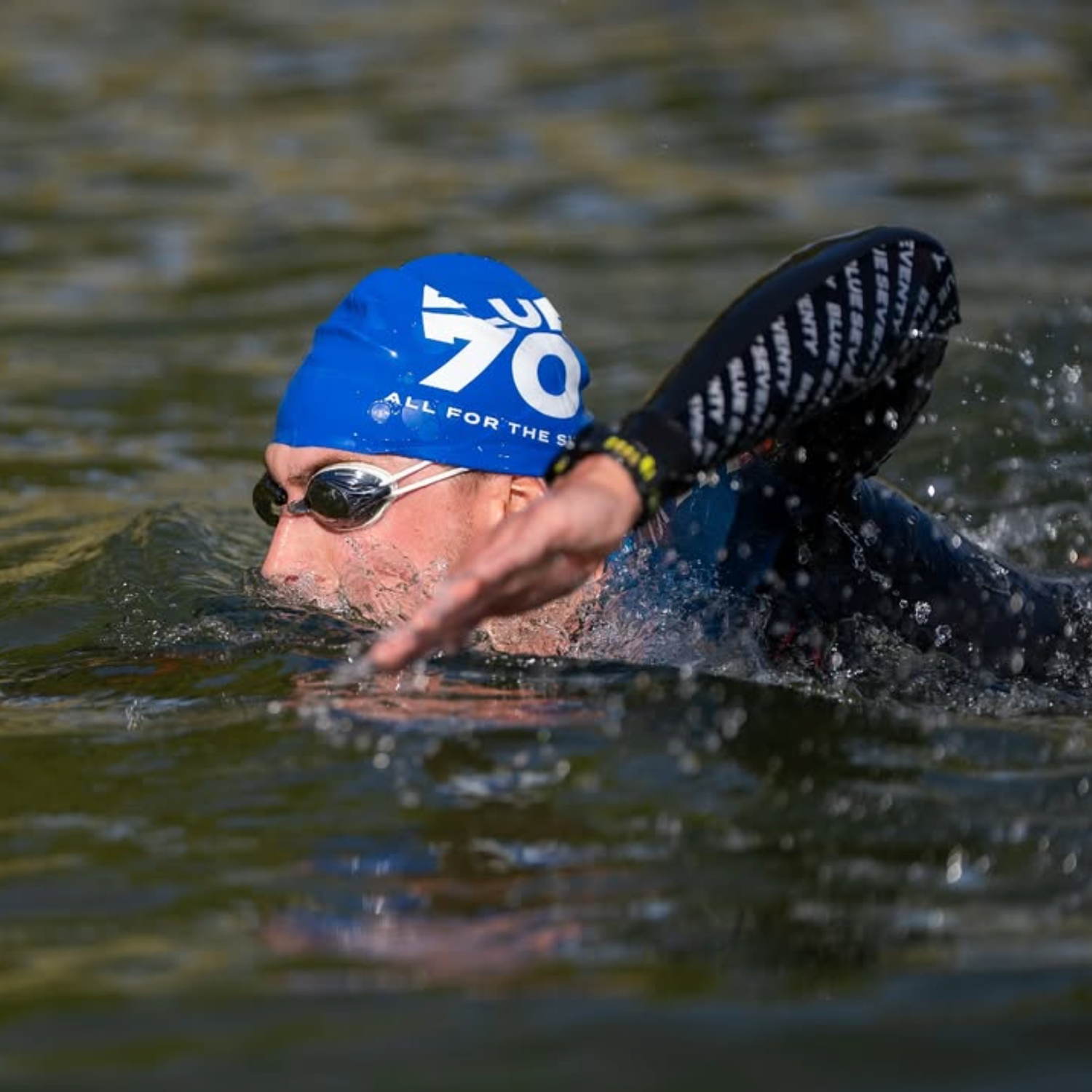
Blue70 builds swim wetsuits for shoulder freedom first. Panel cuts and neoprene distribution create that range of motion. A freestyle stroke keeps the shoulder within a familiar range, and the load is rhythmic and repetitive.
Paddling asks something different. Your top hand reaches high overhead while the lower hand pulls the blade through the water. The torso rotates against the paddle's resistance. That motion strains the armpit, chest, and upper back seams in ways a freestyle stroke does not. A suit that feels great for a long swim can feel restrictive after 45 minutes of paddling.
Durability is another issue. Swim wetsuits do not include reinforced seat or knee panels. They lack reinforcement for kneeling on deck pads or rubbing against a board's traction surface. Using a swim wetsuit for paddleboarding will wear through those areas quickly, and Blue70's warranty won't cover that damage. Blue70's warranty covers manufacturing and materials defects for swimming and triathlon use. Paddleboarding is not a swimming use.
What to Look for in a Paddlesports Suit
If you paddleboard in cold weather, choose a suit built for paddlesports. Look for these details:
- A thicker, wind-resistant torso panel to reduce evaporative cooling when you stand wet in the air.
- Flexible shoulder panels that let you reach overhead without pulling across the chest.
- Reinforced seat and knees, because you will kneel on the deck.
- A fit that works with your PFD, so the suit and life jacket do not fight each other at the shoulders or armpits.
Many winter paddleboarders choose a drysuit instead of a wetsuit. A drysuit keeps water out and lets you layer insulation underneath. That works better for paddleboarding because you are not relying on a thin layer of water to stay warm while standing in the wind. Neither a wetsuit nor a drysuit replaces a PFD.
Safety First: A Wetsuit Is Not a PFD
A wetsuit adds thermal protection in cold water. It is not a personal flotation device. Paddleboarders should wear a Coast Guard-approved PFD, use a leash, and paddle with a partner in cold conditions. Sudden cold water immersion can cause an involuntary gasp, so a controlled entry and a PFD matter. No wetsuit removes that need.
When a Blue70 Wetsuit Is the Right Tool
If you swim or race triathlon in cold open water, a Blue70 swim-specific wetsuit is built for exactly that. Water below about 56 to 58 degrees Fahrenheit calls for a thermal suit. The Thermal Reaction adds thermal protection for cold water swimming. The Helix uses LIFT panels to improve body position. Those suits solve a swimmer's problems in the water.
The takeaway is direct: use a swim wetsuit for swimming. Use a paddlesports suit for paddleboarding. The two activities look similar from the shore, but they place different demands on your gear.
If cold-water swimming is on your calendar, check out the Thermal Reaction and take advantage of the test swim policy before you commit.