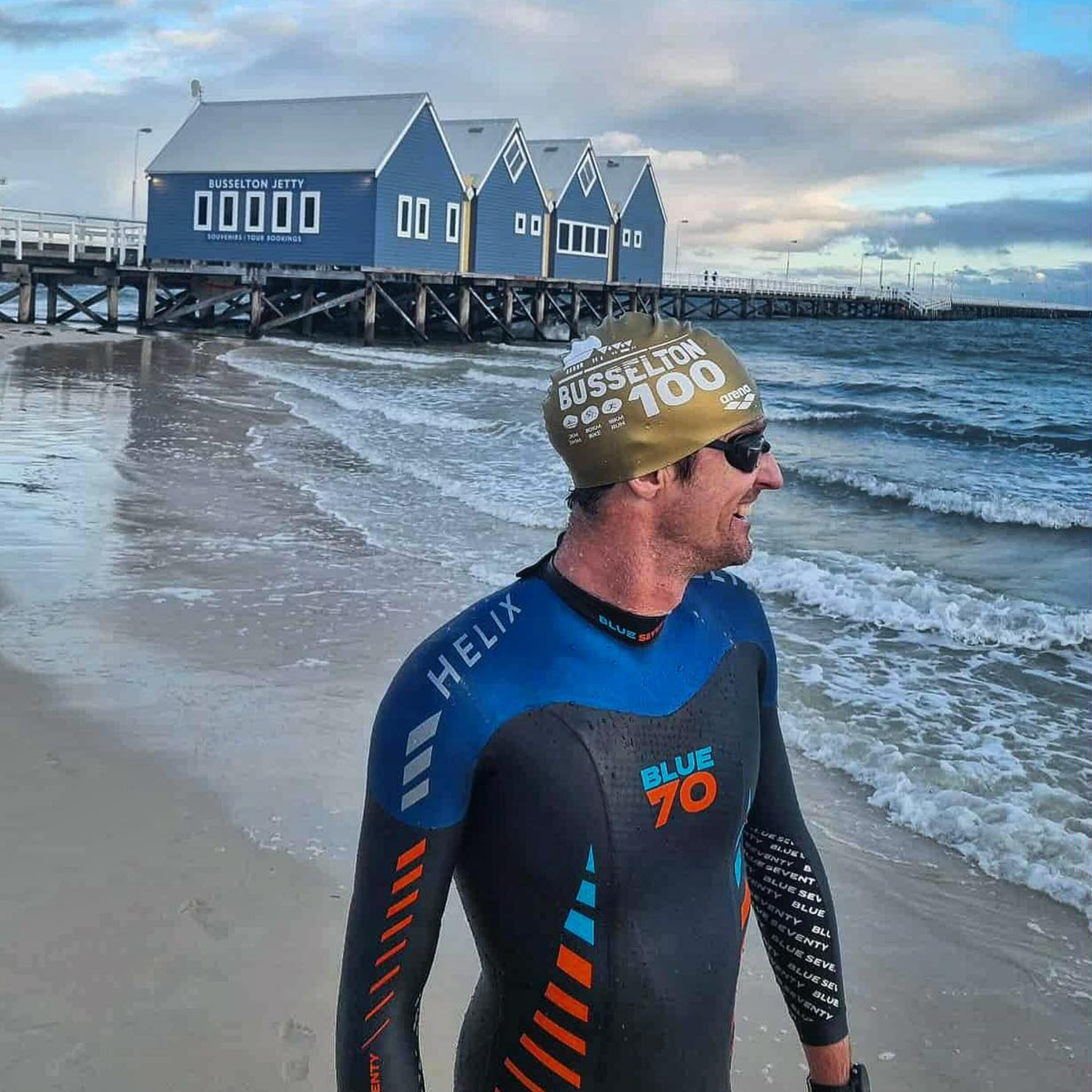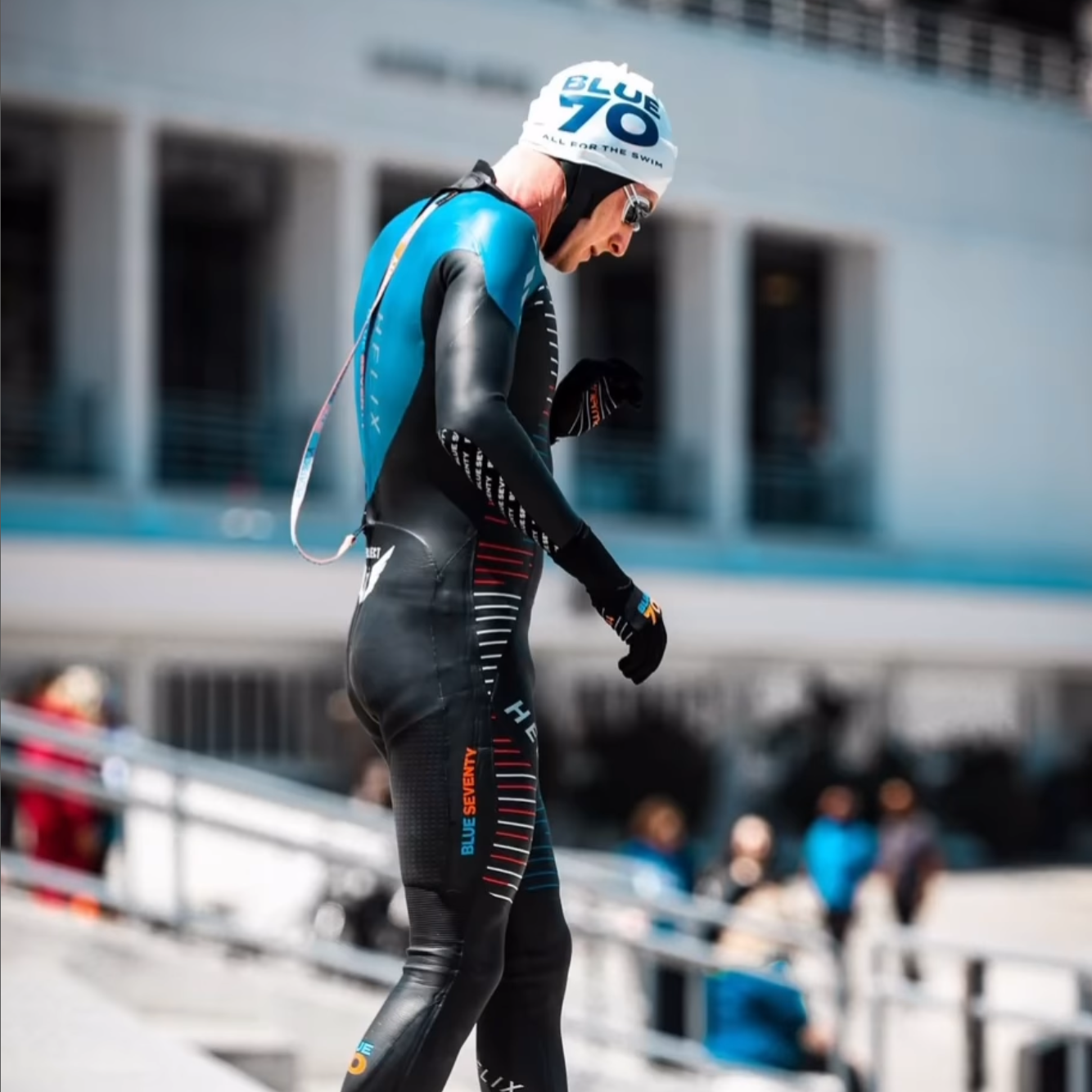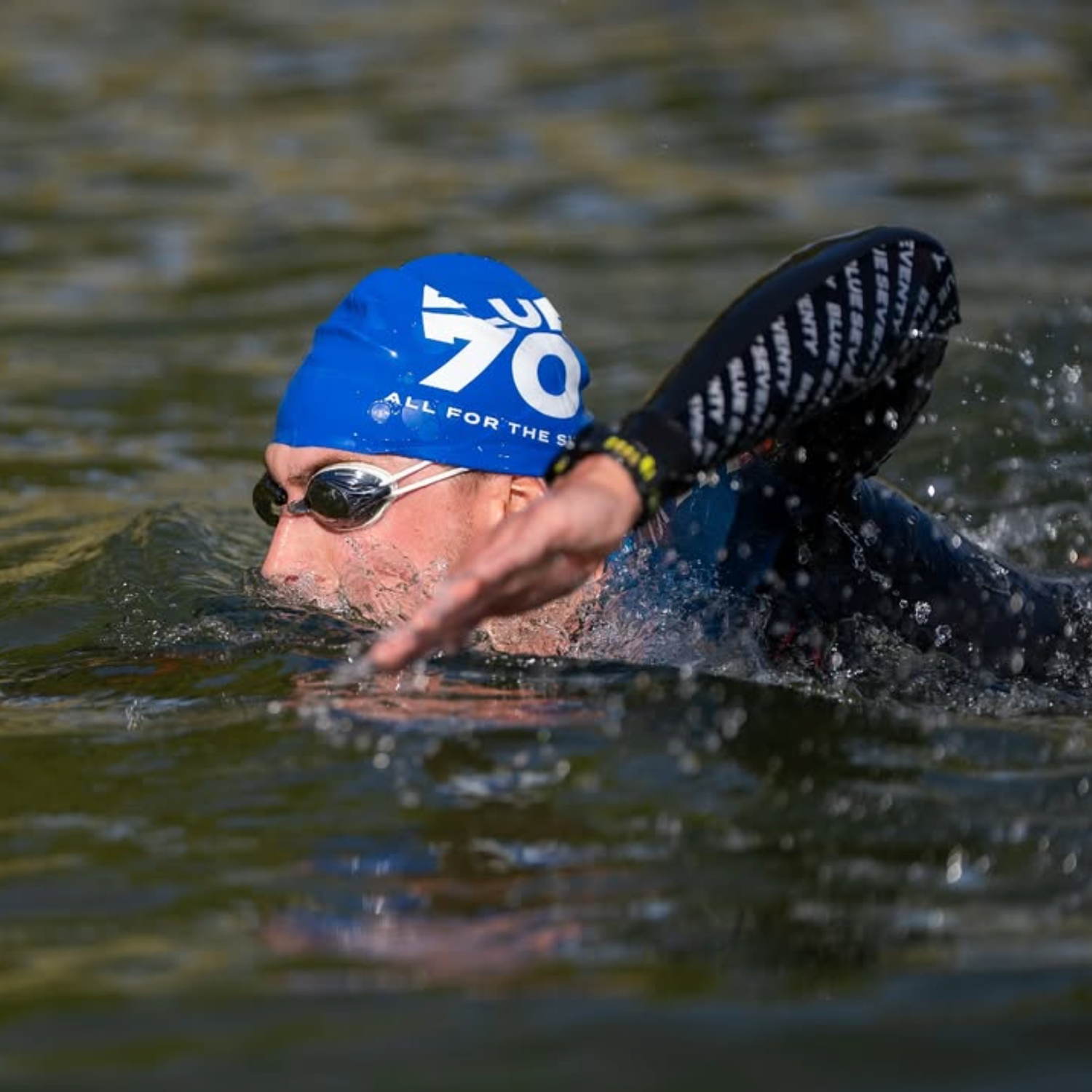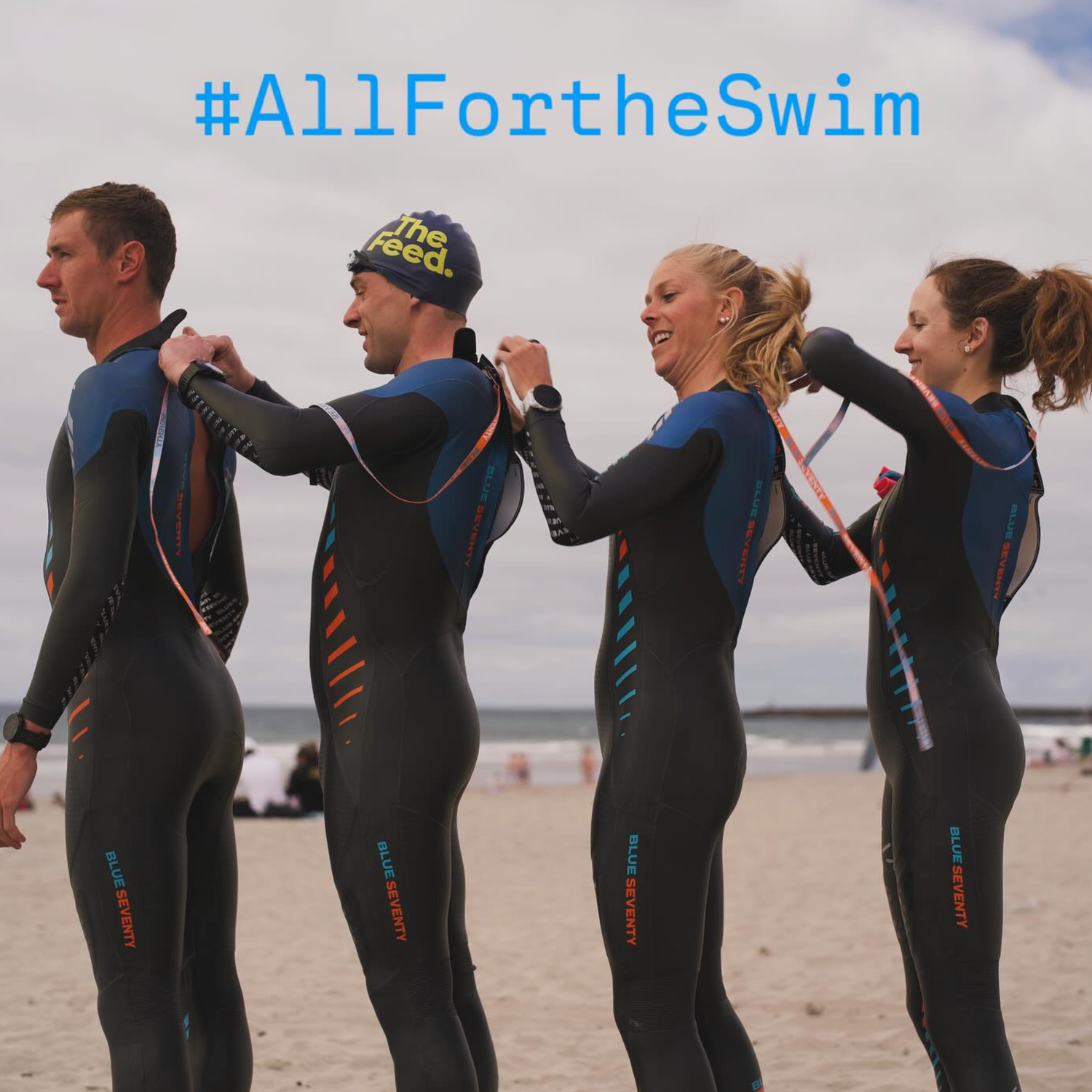



Here's a question worth asking before you buy a wetsuit: does it fit your body, or does it fit your stroke? Most swimmers only answer the first part. They check height against a size chart, maybe weight too, and call it done. But a wetsuit that matches your proportions on paper can still fight you in the water if nobody checked how it moves with your specific stroke mechanics.
That gap between static fit and dynamic fit is the part most sizing guides skip entirely.
The Changing Room Mirror Doesn't Tell the Whole Story
Stand in a new wetsuit and raise your arm straight overhead. It probably feels snug, maybe a little restrictive near the top of the reach. Most people read that sensation as "too small" and size up on the spot.
Here's the thing worth knowing: a swim-specific wetsuit is supposed to feel tighter on dry land than it will once you're swimming. Neoprene behaves differently wet than dry, and your body moves differently horizontal than vertical. The restriction you feel reaching straight up in a dressing room isn't the same restriction you'll feel during an actual freestyle recovery, because that recovery motion is a rotating shoulder moving through a shorter arc, not a full overhead stretch.
Height and weight predict overall suit volume reasonably well. They tell you almost nothing about shoulder mobility, torso length relative to arm length, or how your particular stroke loads the suit over hundreds of cycles. Two swimmers can be the same height and weight and still need different sizes, because one has a longer torso and shorter arms while the other has the reverse. A flatter stroke with minimal rotation asks far less of the shoulder panel than a highly rotational one does.
Four Fit Checks That Actually Track With Your Stroke
A fitting conversation worth having walks through four checks, roughly in this order, because each one builds on what came before it.
- Shoulder and underarm clearance. Check this by mimicking a full freestyle recovery arc, not by raising an arm straight up. If the underarm seam pulls or neoprene bunches near the top of the stroke, that's energy spent fighting the suit instead of moving forward.
- Torso and chest compression. A suit can be correctly sized through the shoulders and still restrict the chest expansion you need for a full breath. This matters more over race distance than during a short pool test, since breathing depth changes as fatigue builds. A suit that feels fine at 400 meters can feel like a corset by 3,000.
- Hip and knee range through the kick. Neoprene binding behind the knee changes kick mechanics, and a suppressed kick tends to drop lower in the water, adding drag rather than reducing it.
- Neck and collar seal under rotation. A collar that seals well standing still can gap open the instant you turn your head to breathe. Wetsuits are designed to let in a thin layer of water that your body warms for insulation, so some exchange is normal. A collar gapping on every breath is exchanging more than intended.
Blue70 wetsuits vary neoprene thickness and panel placement across the suit for this exact reason. Flexibility zones at the shoulders, underarms, and back of the knee shouldn't be competing with the thicker, more buoyant panels working through the hips and legs.
Why the Test Swim Policy Exists
Blue70's Test Swim policy lets you swim in a wetsuit and still exchange or return it afterward, provided it comes back clean and dry. That policy exists specifically because of the gap described above. A changing room can confirm a suit matches your shape. It can't confirm the suit matches your stroke, because stroke mechanics only reveal themselves in motion, ideally over a distance long enough for early fatigue to start changing your form.
It's also why Blue70 is upfront about trade-offs between models rather than steering every swimmer toward the flagship suit. The Helix uses thin, highly flexible neoprene through the shoulders because competitive swimmers want maximum feel for the water above everything else. Blue70 says plainly that this thinner neoprene wears faster under frequent training use. A triathlete swimming three times a week is usually better served by the Reaction or the Fusion, both built with neoprene grades suited to repeated donning and higher training volume. A real fitting conversation surfaces that trade-off before you buy, not after the suit has delaminated six months in.
Two Builds, One Size Chart
Picture two age-group triathletes. Same height, same weight, same size on the chart. One has a long torso and shorter arms, a build common among strong kickers. The other has long arms and a shorter torso, more typical of swimmers with a dominant pull.
Fitted straight off the chart, the first swimmer finds the torso length correct but the shoulder tight, because her arms don't need as much neoprene length to reach full extension. Excess material bunches at the elbow on recovery. The second swimmer finds the opposite: shoulder room is fine, but the torso rides up during the pull phase, because his longer reach stretches the suit's length with every stroke, dragging the hem higher until the waist seal loosens.
Neither build is a mismatch for the chart. Height and weight predicted overall volume correctly. What the chart couldn't predict was how each body's specific proportions would load the suit once it was actually swimming. A sizing conversation that asks about torso-to-limb ratio, not just height and weight, catches this before the suit ever touches water.
Femme Fit sizing solves a related problem at the design stage instead of the fitting stage. A pattern built around an average male torso doesn't translate to female proportions through the bust, waist, and hips just by scaling the size up or down. Blue70's Femme Fit line uses a refined pattern through those areas, a lowered neckline for comfort and reduced chafing, and an extended zipper for easier entry and faster transitions.
What to Bring to a Fitting Conversation
Whether you're working with a shop, a Blue70 dealer, or sizing yourself using the online charts and fitting guide, bring more than your height and weight.
- Your typical stroke pattern: a rotational swimmer with high hip and shoulder roll, or a flatter, more rectangular stroke?
- Any known asymmetries. A shoulder that's less mobile after an old injury may need a smaller panel even if the rest of your body measures larger.
- Your primary use case. Racing twice a season points toward Helix-level flexibility. Training weekly points toward Reaction or Fusion durability.
- Your typical water temperature range. Blue70's own guidance puts the cold threshold around 56 to 58°F, where a purpose-built thermal suit like the Thermal Reaction adds meaningful warmth, and the upper comfort threshold around 70 to 72°F, above which a full suit over a long swim runs too warm and a sleeveless cut becomes the better choice.
The Dry-Land Donning Test Nobody Mentions
Try this: time how long it takes to get the suit on through the shoulders, dry skin, no water, no help from another person. If that takes more than two or three minutes of genuine wrestling, you've found a liability waiting for you in transition, right when your heart rate is already elevated from the swim leg. Correct shoulder and neck fit allows firm, steady pulling. It shouldn't require seam-by-seam combat. Struggling that much before you've swum a single stroke tells you something about fit, not about your technique.
Fit Isn't a One-Time Decision
Wetsuits change over their lifespan. Repeated flex-and-recovery cycles, plus normal exposure to sun and chlorine, gradually reduce neoprene's elasticity. A suit that fit perfectly in its first season can fit differently by its third, even if your body hasn't changed at all.
Worth rechecking shoulder and chest mobility each season, especially if your training has shifted, more open-water distance work instead of pool speed work, for example, since either change can alter how your body loads the suit over time.
Buoyancy equals speed, but only when the suit is actually doing its job: holding your hips up and your body position level without fighting your stroke mechanics to get there. That outcome depends less on matching a number on a size chart and more on getting the dynamic details right. Shoulder arc. Chest expansion under breathing load. Knee flexion. Collar seal under rotation.
A good fitting conversation is really a stroke mechanics conversation that happens to carry a tape measure. Take a Test Swim before you commit, and bring your stroke questions along with your measurements.