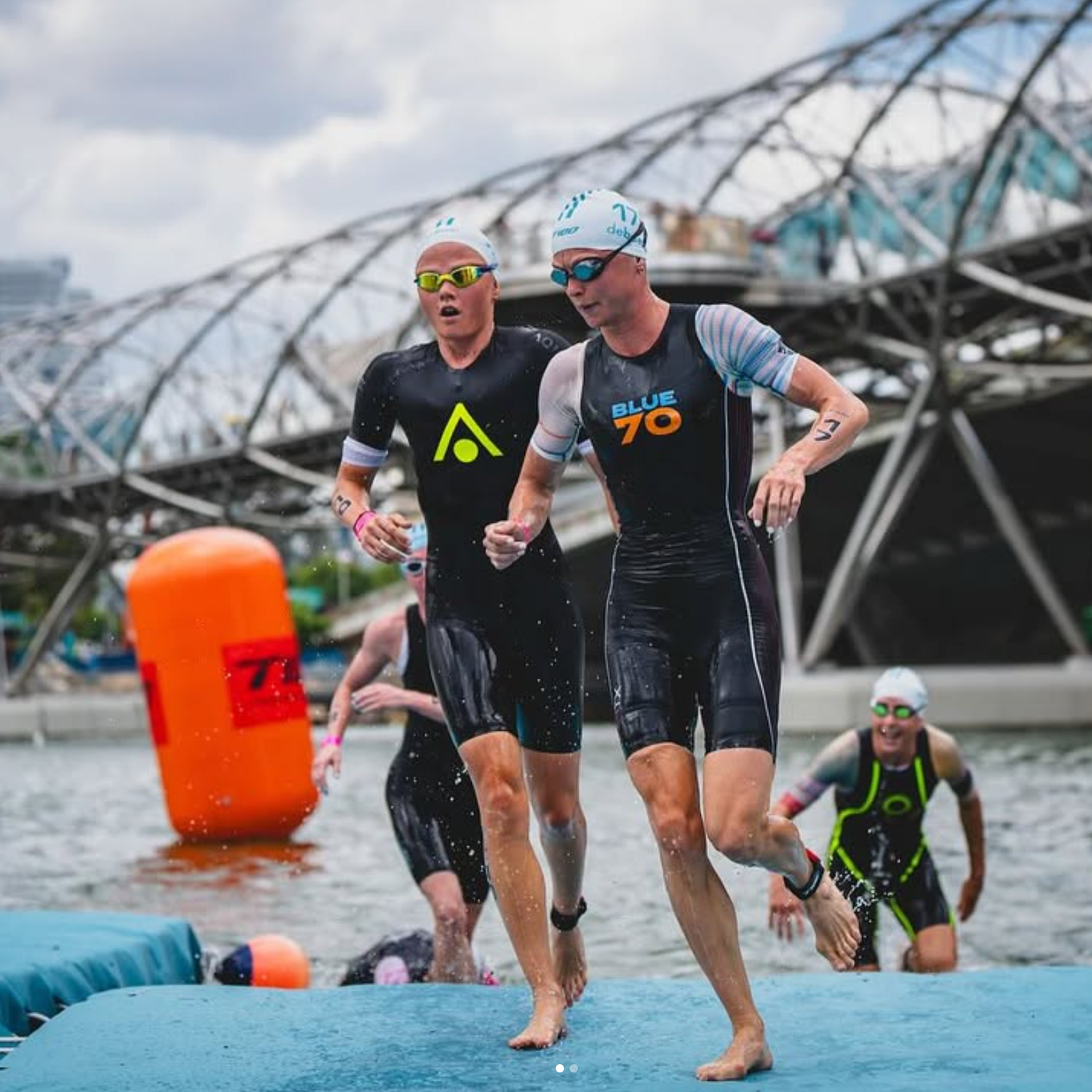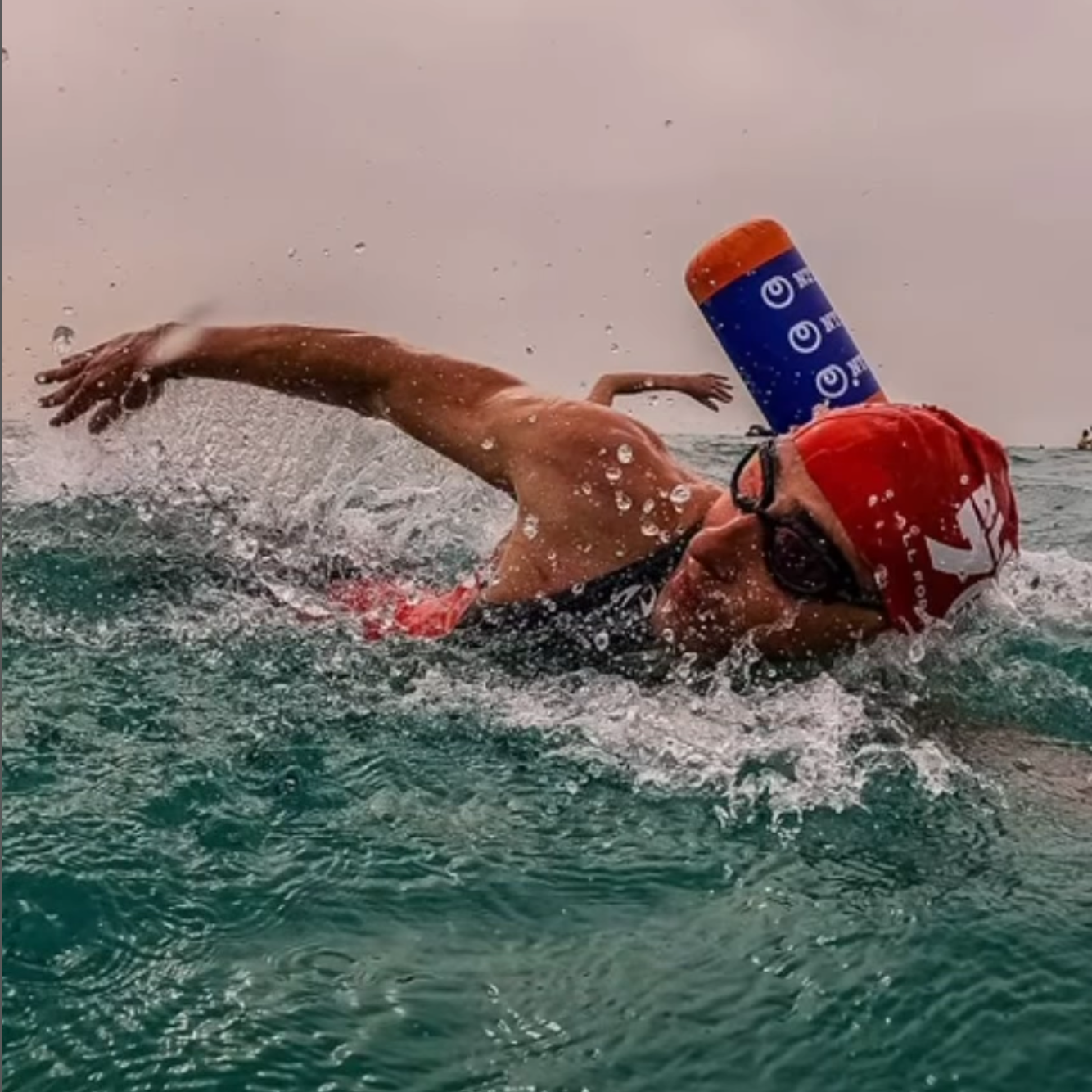



Zip into a triathlon wetsuit in 1993, and you’d feel the buoyancy right away. Your legs would pop up, your body position would improve. But then you’d start swimming, and the suit would push back on every stroke. The same thick rubber that held you high fought your shoulders through the entire swim. Come T1, your arms felt like you’d done a thousand extra reps in the gym before touching your bike.
That experience - buoyancy at the cost of mobility - defined early swim-specific wetsuits. The solution didn’t arrive until high-cell neoprene showed up in the arms and shoulders of race suits. And it changed open-water swimming for good.
Buoyancy Without the Fight
Standard neoprene gets its flotation from air trapped inside closed cells. Fewer, larger cells mean the rubber is dense and resistant to stretching. To give a swimmer enough lift, manufacturers had to use material thick enough to restrict movement. The shoulders, which need a huge range of motion, bore the worst of it.
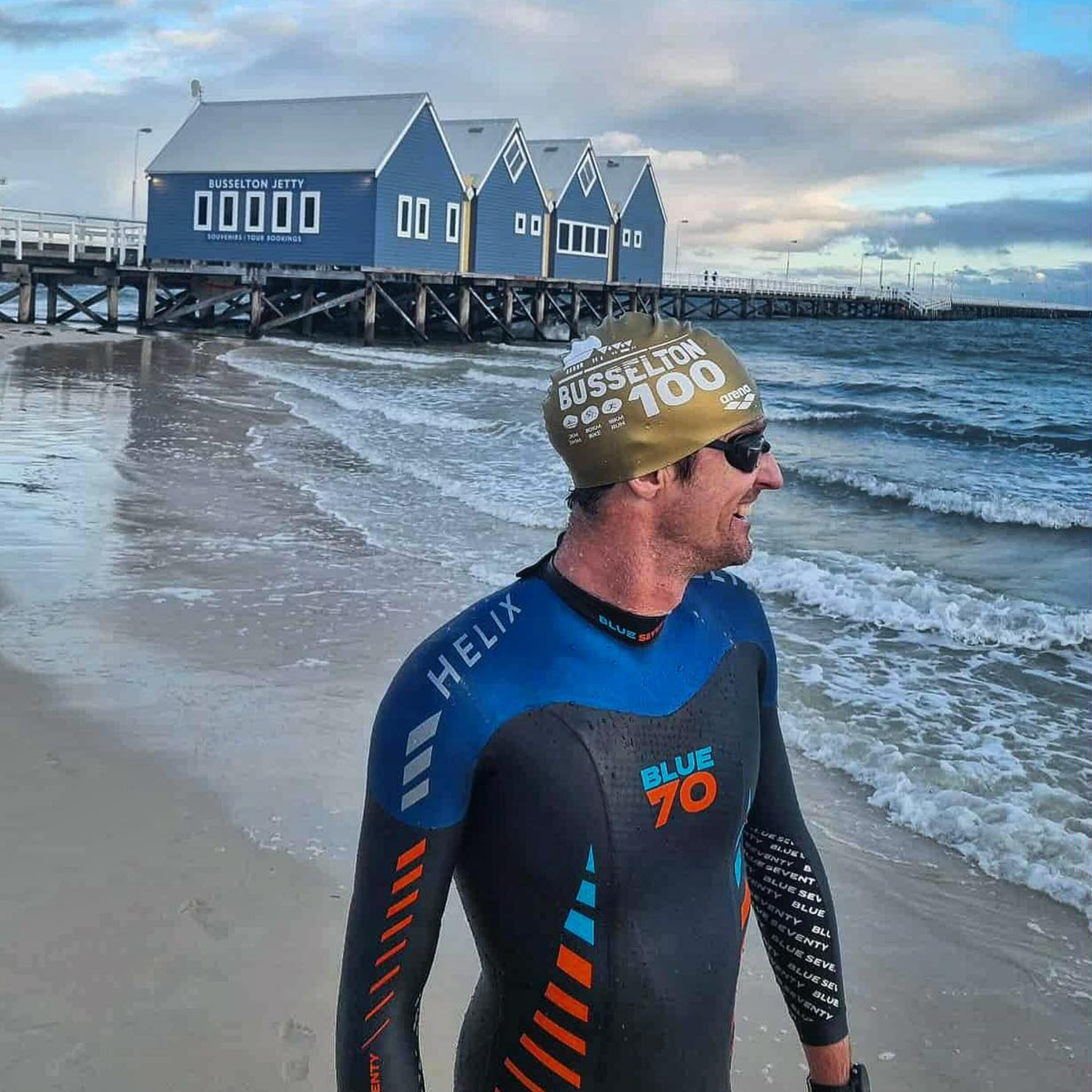
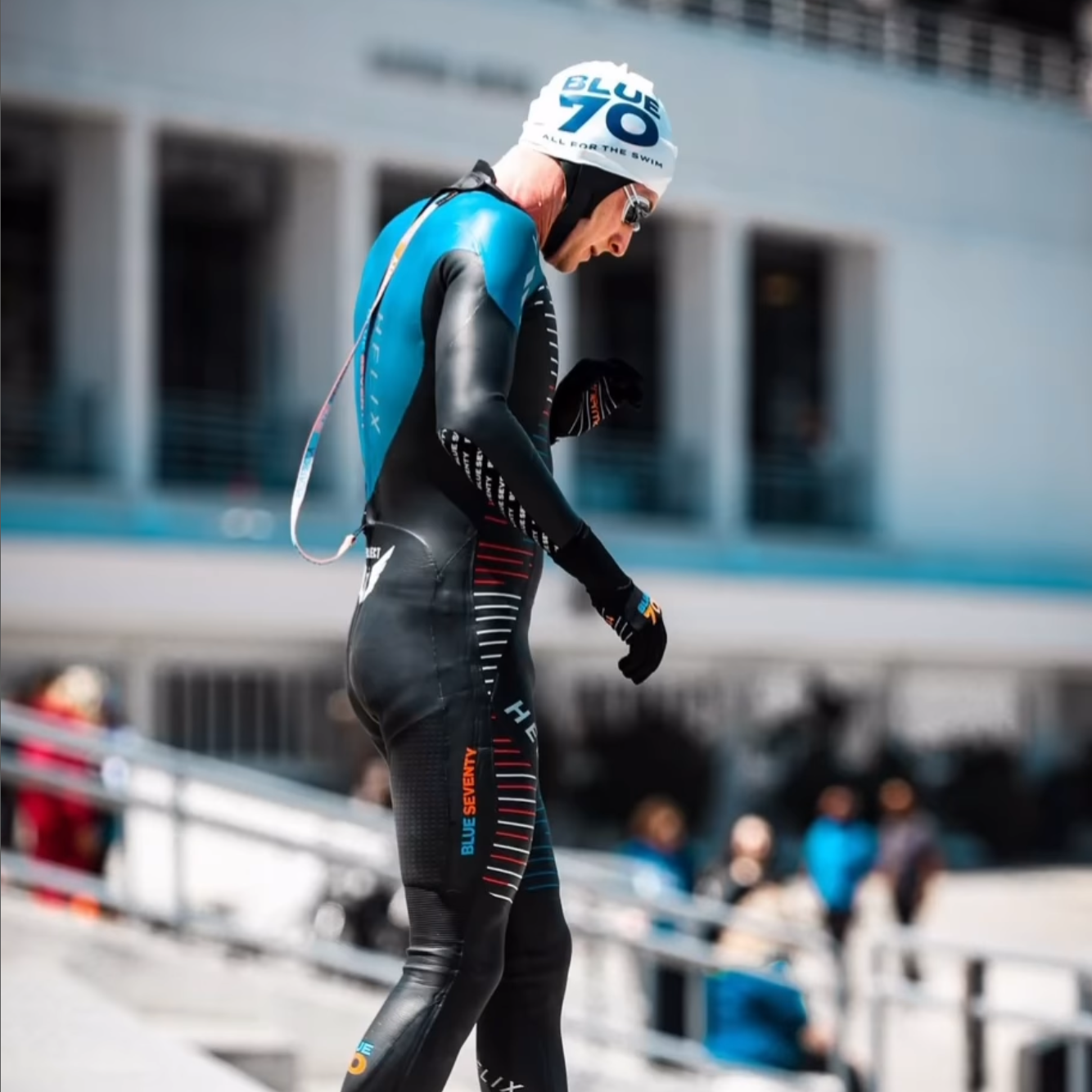
High-cell neoprene flips the math. Instead of big air pockets, it packs many smaller bubbles into the same space. A 40-cell rubber - like the Yamamoto material blueseventy uses in the Helix - stretches further with far less effort. You reach full extension. You pull through the catch. You recover. The suit moves with you instead of against you.
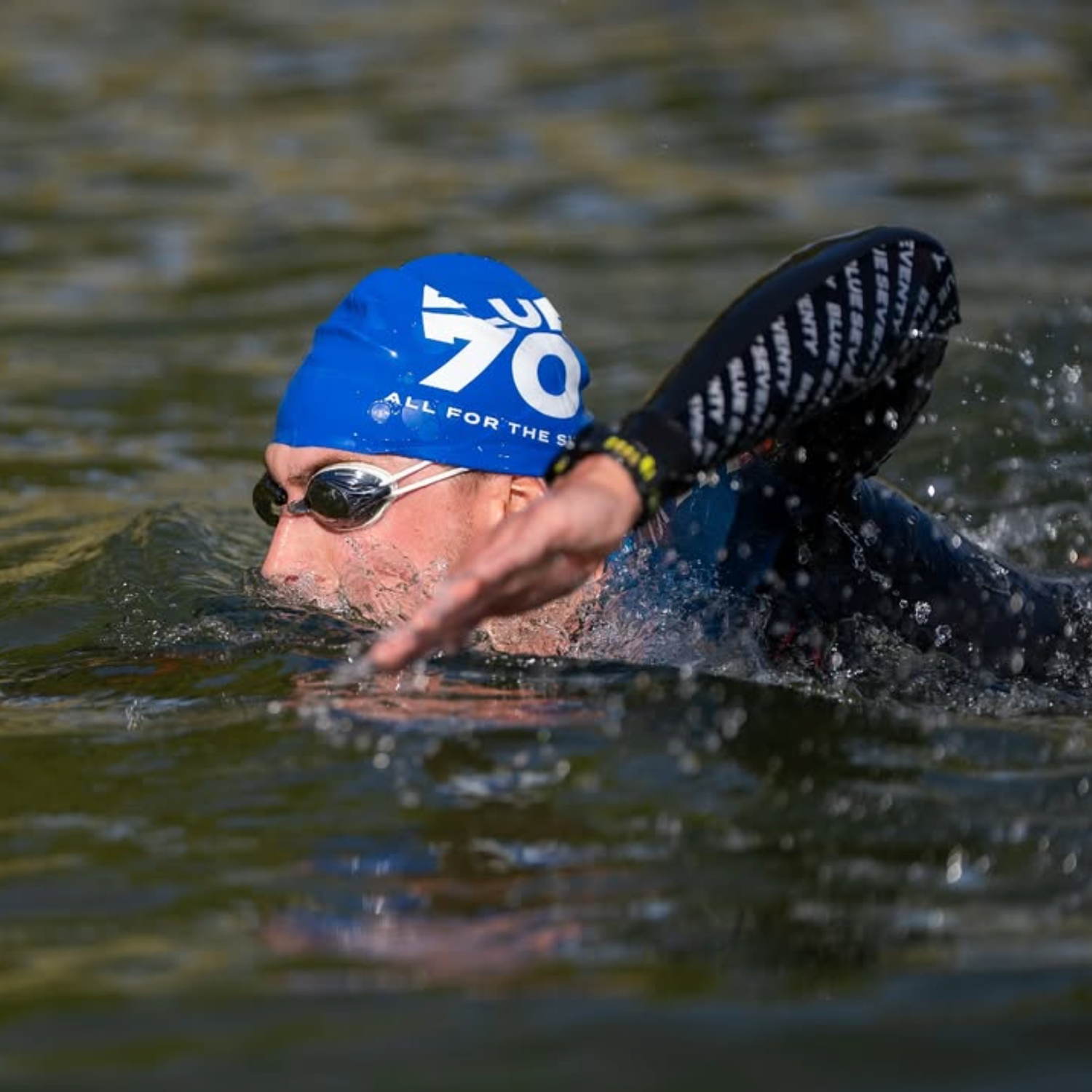
The effect is easy to miss until you do the numbers. Over a 1.2-mile swim at 60 strokes per minute, a stiff suit might add a pound of resistance per stroke. Across 1,500 strokes, that’s the equivalent of 1,500 extra shoulder presses. High-cell neoprene removes that silent drain. You save your strength for the bike and the run.
A Race Suit Isn’t a Training Suit
Blueseventy wears its honesty on this point: the thin, supple neoprene in the Helix will break down faster if you swim in it several times a week. It’s built for race-day performance, not daily punishment. If you’re in open water every Saturday morning, a different suit makes more sense.
The Reaction uses slightly thicker high-cell neoprene that still gives you free shoulders while standing up to repeated use. The Fusion, at a friendlier price, adds a lower-sitting neckline for comfort and works well for shorter, frequent swims. Match the suit to your training rhythm - not the other way around.
Put It On Right or Lose the Benefit
Even the most flexible wetsuit turns stiff if it’s bunched in the wrong places. A suit should feel snug - almost too tight - on dry land. Once you’re in the water, that snugness becomes a second skin. But only if you get it on correctly.
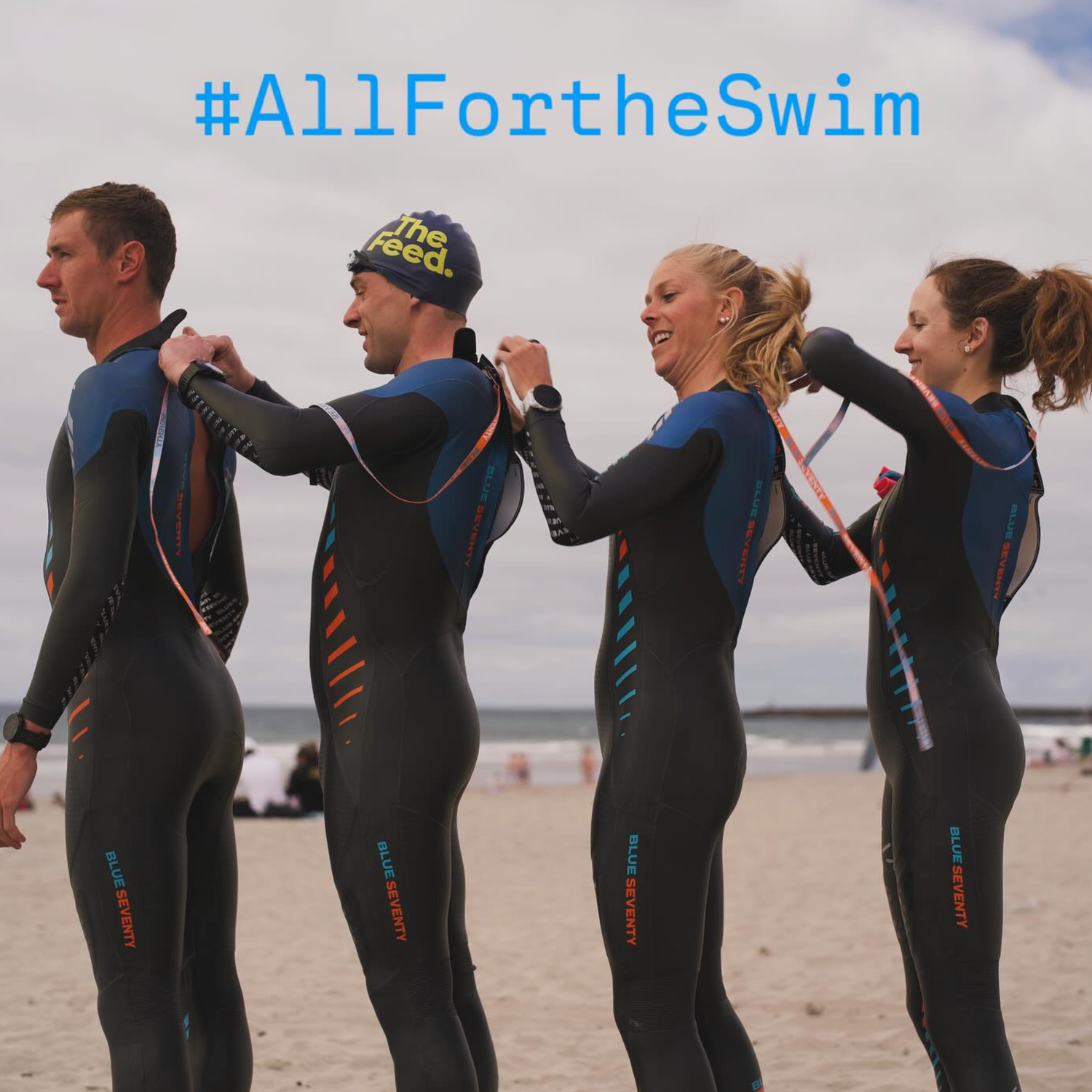
Here’s the sequence that prevents the armpit bunch that murders shoulder mobility:
- Work each leg up slowly, inch by inch. No yanking.
- Pull the crotch as high as it will go. This sets the foundation.
- Bring the arm openings fully into your shoulders, then pull up the torso.
- Zip last - never before the upper body is seated.
Zip too early, and you trap excess material right where your stroke needs the most give. That mistake alone can make a high-end suit feel like a drag anchor.
Fit That Actually Fits Women
Unisex wetsuits often gap at the neck and ride up at the ankles on female swimmers. Femme Fit, blueseventy’s women’s pattern, changes the shape where it counts. A lowered neckline reduces chafing. An extended zipper eases entry over wider hips. The bust and torso cut follows a female frame so the suit stays put during a full stroke cycle. When a wetsuit fits, you forget it’s there. That’s the goal.
Cold Water, Flexible Arms
Water below about 58°F demands thermal protection. But insulation doesn’t have to mean a stiff suit. The Thermal Reaction lines the interior with a zirconium jersey - a synthetic wool that traps heat without adding bulk. Combined with flexible high-cell neoprene in the shoulders, it lets you stretch your season into early spring and late fall while preserving your normal stroke. A suit like this won’t make cold water risk-free, but it keeps you moving - and moving well - when the mercury drops.
The Right Tool for Your Swim
High-cell neoprene took wetsuits from flotation sacks to stroke enablers. Today, you can choose a suit that matches your training load, your water temperature, and your body shape. When everything lines up, you don’t notice the suit at all. You just swim - long, comfortable, and ready for whatever comes next.
Still not sure? You can swim in a blueseventy wetsuit and still return or exchange it. Take a Test Swim - it won’t affect your return.