


Most swimmers think about wetsuit care after something goes wrong. A small nick appears near the ankle. The zipper feels stressed. The suit starts to feel a little less natural through the stroke. By that point, the damage has usually been building for a while, and one of the most overlooked causes sits in plain sight: how the suit dries between swims.
A wetsuit hanger seems like a minor piece of gear, but it affects the exact part of the suit that swimmers and triathletes notice first. The shoulders, upper chest, and underarm panels do the hard work of preserving freedom from restriction during freestyle. If a wet suit spends hours hanging from a narrow support, that load pulls on the most important stretch zones in the suit.
That is why hanger choice is not really about closet organization. It is about protecting fit, feel, and repeatable swim performance over the course of a season.
Drying and storage are not the same job
This is the part many athletes miss. A wetsuit fresh out of the water is heavy. It holds water in the lining and between panels, and that extra weight changes how the suit should be handled. If you hang it immediately from the shoulders, the load sits in the most flexible area of the suit while the neoprene is still wet and carrying the most stress.
A better approach starts with draping, not hanging. Once the bulk of the water drains and the inside lining has had time to dry, a wide hanger becomes useful. The sequence matters.
- Rinse the wetsuit in fresh, cool water.
- Turn it inside out.
- Drape it over a wide, smooth bar or rail, ideally at the waist.
- Let the water drain before moving it to a hanger.
- When the inside is dry, turn it right side out.
- Finish drying and storing it on a wide wetsuit hanger or broad support.
That routine reduces long periods of shoulder loading and also helps the part that stays damp longest, the inside lining, dry first.
Why the shoulders matter so much
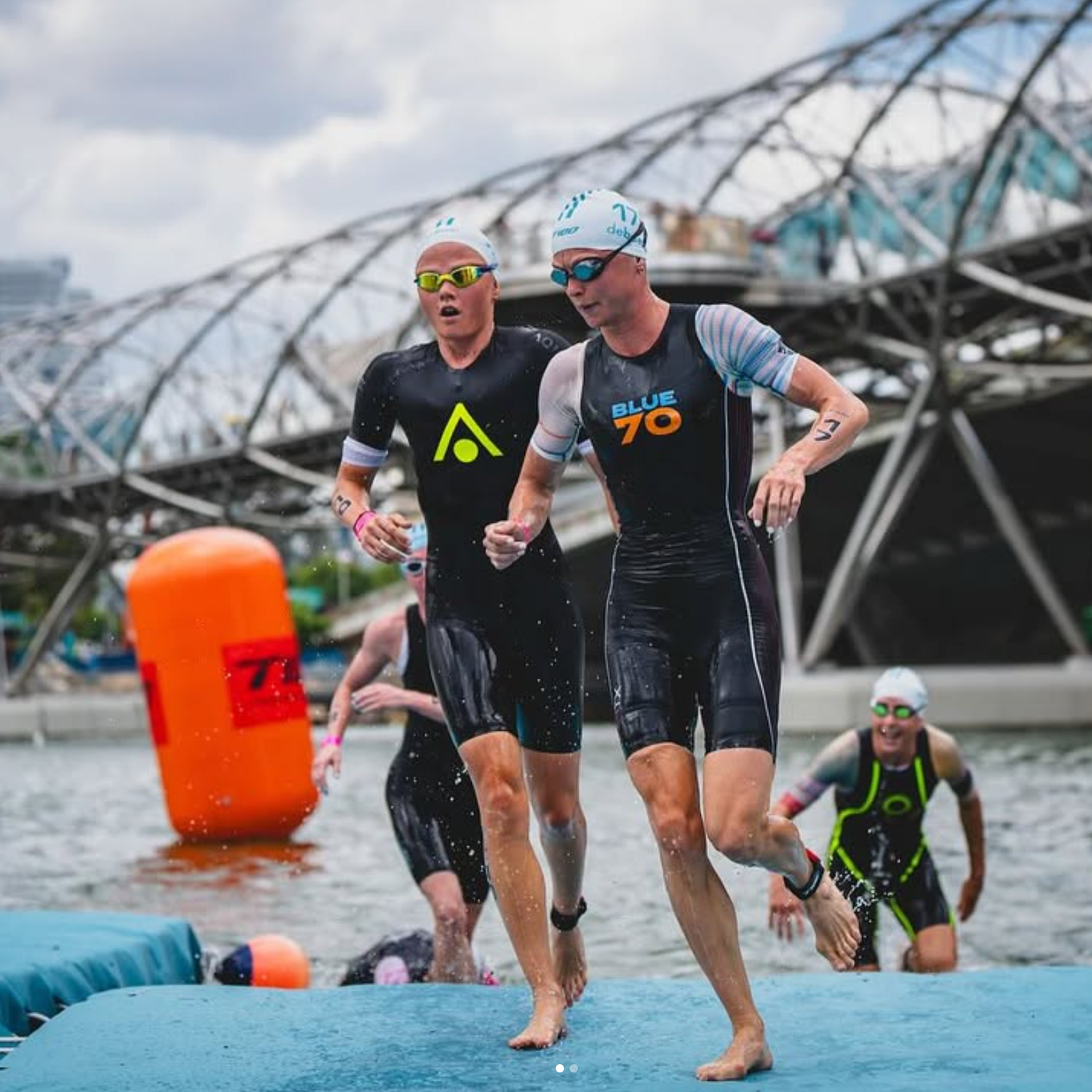
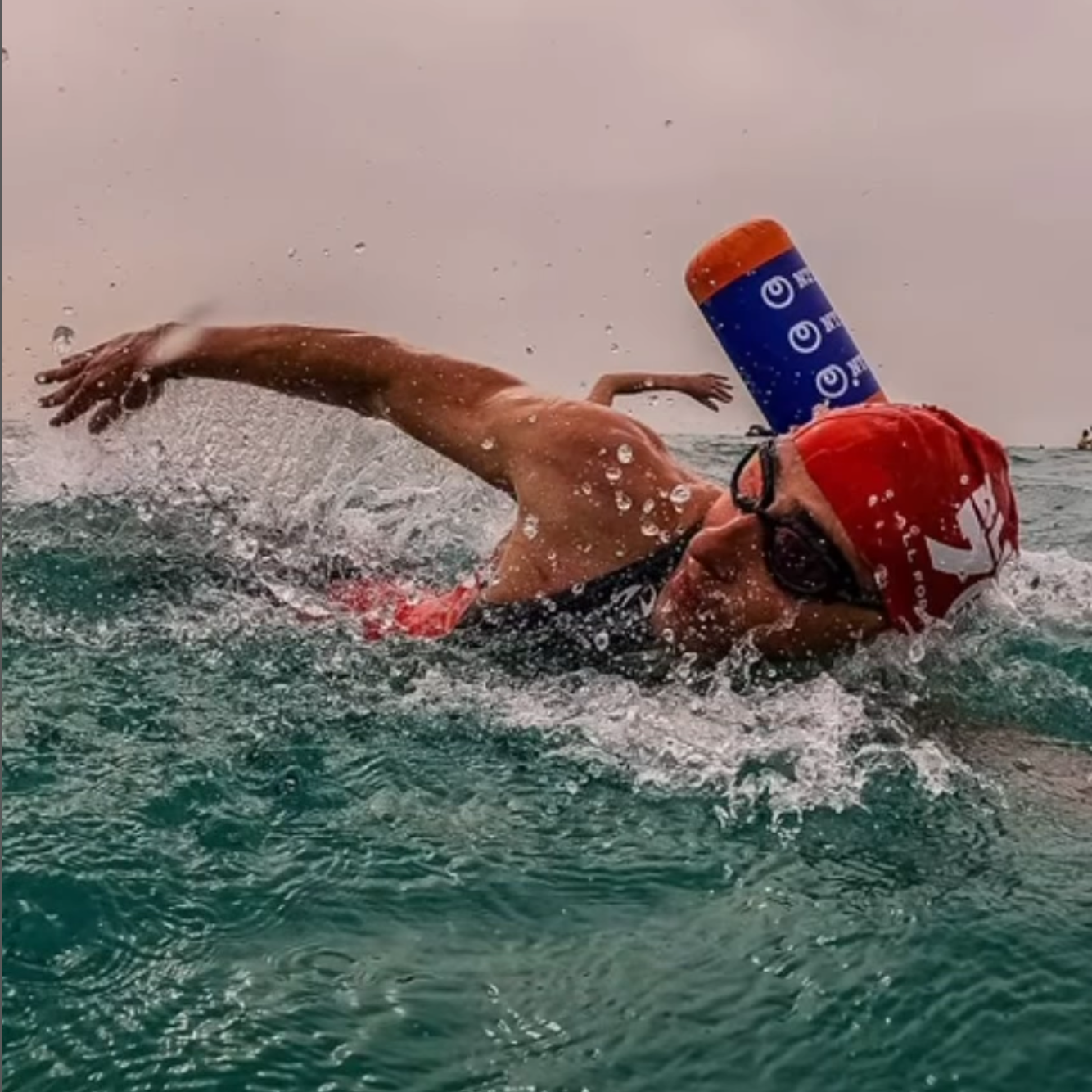
Swim-specific wetsuits are built around repeated overhead movement. In freestyle, your shoulders cycle through the catch, pull, exit, and recovery hundreds of times in a single open water session. Small changes in panel tension become noticeable fast. A suit that feels even slightly off through the shoulders can change stroke rhythm, breathing comfort, and fatigue rate.
blueseventy designs its wetsuits for swimming, with a focus on comfort, feel for the water, and body position. That design approach depends on the shape and integrity of the suit staying consistent over time. If the shoulder area gets stressed unnecessarily between swims, the athlete often feels it before seeing any obvious damage.
You might notice that the suit takes more effort to settle into place before a start. You might feel the neckline sitting differently. You might sense extra resistance during recovery. Those small changes are often blamed on fit, when storage habits are part of the real story.
What a good wetsuit hanger should do
A good hanger does not need to be complicated. It needs to support the suit without concentrating stress into one narrow point.
- Wide shoulder support: Broad contact spreads the weight across more surface area and reduces pressure lines.
- Smooth surfaces: Neoprene and jersey linings should rest against clean, non-abrasive material.
- Enough strength to hold shape: A hanger that bends under load creates uneven tension.
- Space for airflow: The suit should dry in a shaded, ventilated area, not packed tightly between other items.
What you want to avoid is just as clear. Thin wire hangers, narrow hooks, rough rails, and sharp shelf edges all put stress where you do not want it.
Why this matters even more with high-performance suits
Some wetsuits use thinner, more flexible neoprene in the shoulders and arms to reduce restriction during the stroke. That construction feels great in the water, but it also asks for better handling on land. blueseventy is direct about that trade-off. The Helix is the flagship race suit, priced at $995 on the blueseventy US site as verified in the brand contract dated 2026-07-25, and it uses very thin neoprene through the arms and shoulders along with a permeable catch panel and LIFT buoyancy panels. blueseventy also notes that this delicate neoprene is not ideal for heavy training use.
That candor matters. A race-focused suit built for maximum flexibility should not be treated casually after the swim. If you train often, blueseventy points many athletes toward the Reaction for frequent, longer swims or the Fusion for shorter frequent swims, because those use cases demand a better durability balance.
The same logic applies to care. The more flexible the shoulder construction, the more your drying setup counts.
Common mistakes that shorten a suit’s useful life
Most wetsuit wear does not come from a single dramatic mistake. It comes from repeated habits that feel harmless in the moment.
- Hanging the suit while it is still dripping wet
- Using a narrow hanger or garage hook
- Drying the suit in direct sunlight
- Folding it over a sharp edge
- Leaving it damp inside a bag or car trunk
- Stacking heavy gear on top of it during off-season storage
Each one adds stress, compression, heat exposure, or slow drying. None of those help a swim-specific wetsuit hold its original shape.
A practical post-swim routine
If you want a system that works through race season, keep it simple and repeatable.
After the swim
Rinse the suit in fresh, cool water. Salt, sand, and residue from the swim should not stay on the neoprene any longer than necessary.
First drying phase
Turn the suit inside out and drape it over a wide, smooth support in the shade. This takes load off the shoulders while helping the lining dry.
Second drying phase
When the inside is dry, turn it right side out. If the suit is now light and mostly drained, move it to a wide hanger or keep it on a broad drape point.
Before storage
Make sure the suit is dry inside and out, especially through the arms, crotch, and lower legs where moisture tends to linger.
For longer storage
Keep it in a cool, dry place away from direct sun, heaters, and compression from other gear. Do not leave it stuffed into a transition bag for weeks.
When storage problems look like fit problems
blueseventy’s fit guidance is clear: a wetsuit should feel snug on land and more comfortable once you are in the water. A suit that has not been pulled fully into place through the shoulders can cause early fatigue. Storage adds another layer to that. If the suit has been hanging badly or drying over a narrow edge, it can feel wrong before you even finish putting it on.
Before assuming the size is off, inspect the suit closely.
- Check for pressure lines across the shoulders.
- Look for deep creases in the torso.
- See whether the neckline sits evenly.
- Notice if one arm feels different from the other.
Sometimes the issue is not sizing. Sometimes the suit is telling you how it has been stored.
The connection to race-day performance
Wetsuit care belongs in race preparation because consistency matters. A suit that has been dried and stored properly is easier to position, easier to remove visual guesswork from pre-race setup, and more likely to feel familiar when the gun goes off. That does not guarantee a faster swim, but it does protect the fit and movement the suit was designed to deliver.
Triathlon rewards athletes who reduce avoidable variables. You check your goggles. You lay out transition. You inspect the zipper before race morning. Treating your hanger and drying routine with the same attention is not excessive. It is sound gear management.
The simple rule to remember
Do not treat a soaked wetsuit and a dry wetsuit the same way. A wet suit needs to drain first. A dry suit needs support that protects its shape. Once you separate those two jobs, your care routine gets better fast.
If you want help with sizing, fit, or wetsuit care, start with blueseventy’s fit guide, size charts, or Take a Test Swim program.