


You pull up the size chart, find your height in the left column, slide across to your weight, and land on a size. That feels settled, but it is only a starting size. Your shoulders, torso length, and stroke decide whether that size actually works.
Height and Weight Are a First Filter
Height and weight estimate how much neoprene coverage you need and roughly where the torso and leg panels will sit. They do not measure shoulder width, chest volume, or hip shape. A swimmer who is 5'8" and 150 pounds with a long torso and narrow shoulders often needs a different size than another swimmer with those same numbers and a broad back. The chart sends both to the same row. Fit shows up later.
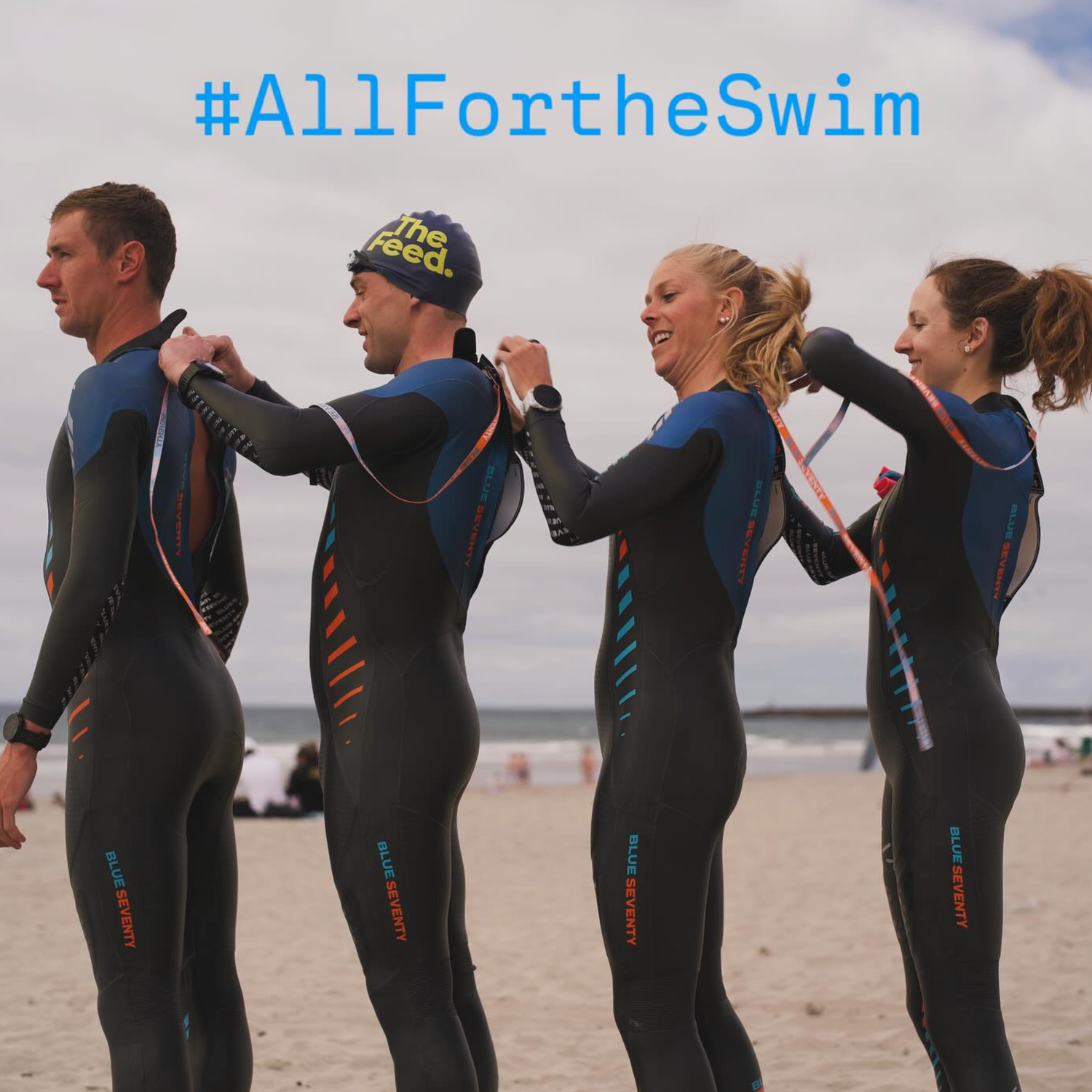
A swim-specific wetsuit should feel snug on dry land. That tightness eases once you get in the water and the suit moves with you. A loose suit lets water flush through, which reduces thermal protection and adds drag. The size chart helps you steer clear of a loose fit. It cannot account for how your body distributes the same weight.
Shoulder Freedom Comes First
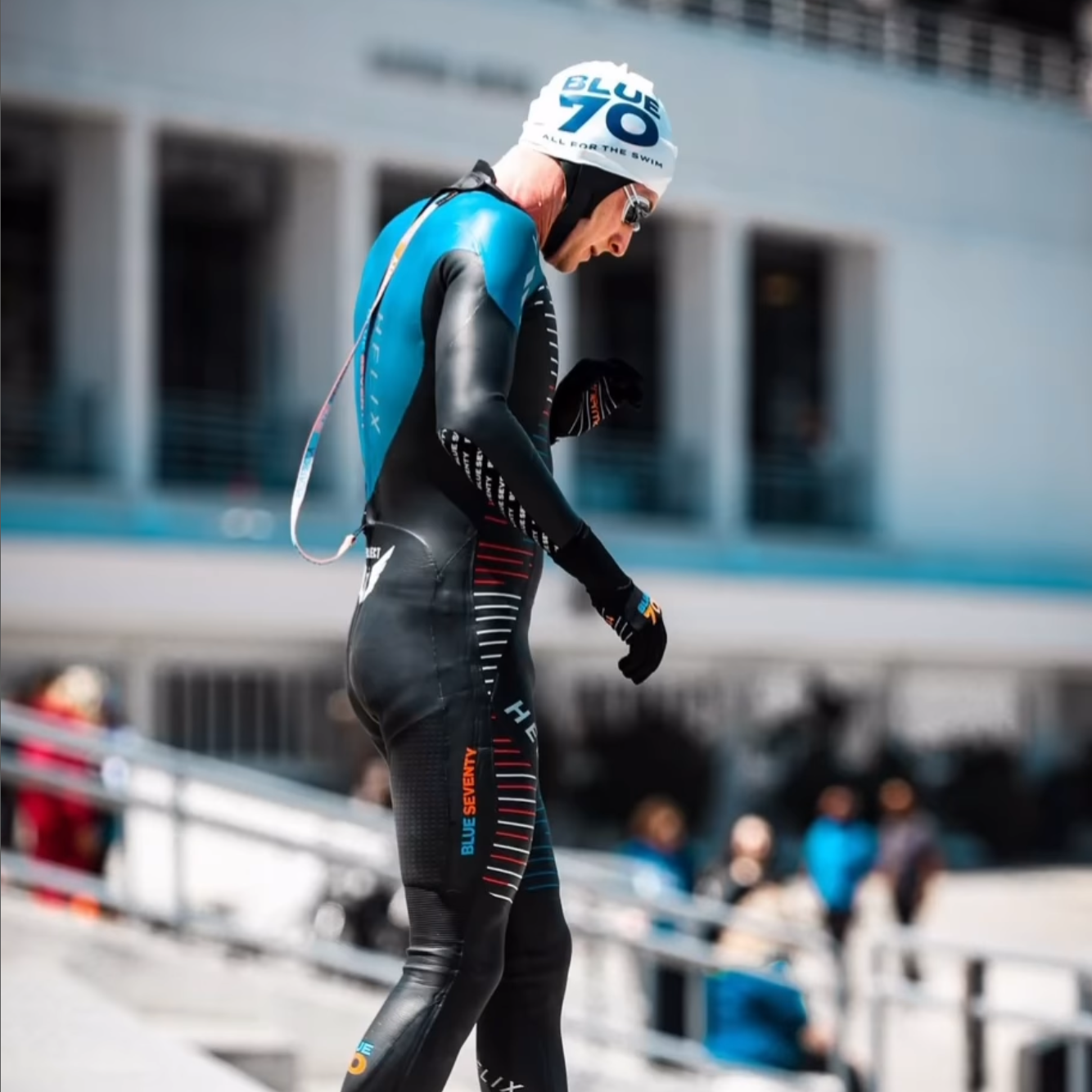
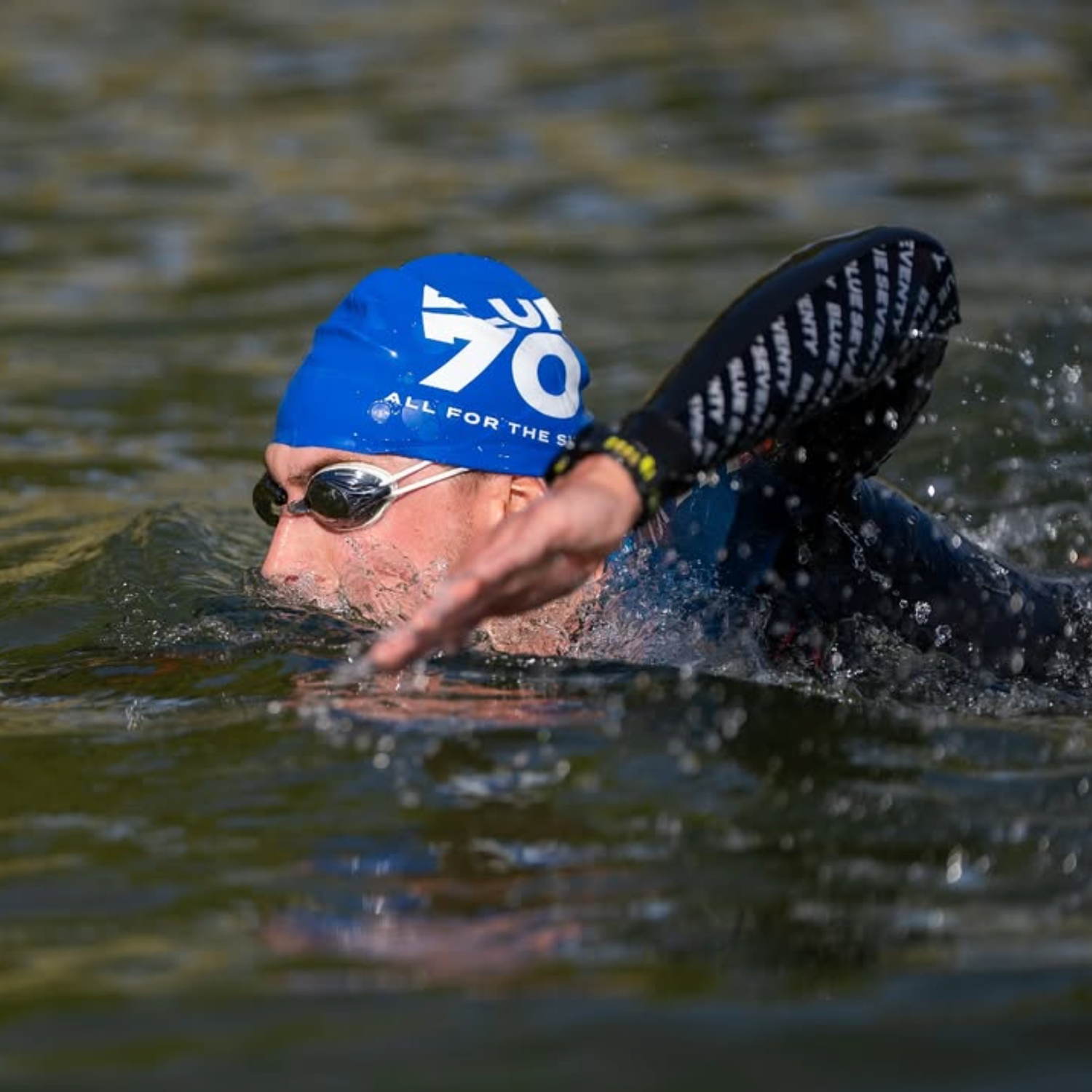
Swimming wetsuits are built around the catch and recovery. Your shoulders need to rotate through a full stroke without fighting the neoprene. A suit that fits your waist can still bind your shoulders if the cut is not meant for swimming. blueseventy places the shoulder panel so you can lift your arm overhead without pulling the neck down.
blueseventy wetsuits use Yamamoto neoprene in 38, 39, and 40 cell grades. Higher cell numbers mean more flexibility. That matters most in the arms and shoulders, where a stiffer panel adds fatigue over a long swim. You can zip the suit and still fail the shoulder test. If you cannot reach both arms overhead comfortably on land, the fit is wrong.
Femme Fit Changed What the Chart Measures
For years, many women's wetsuits started from men's patterns with shorter limbs. That missed key fit points in the bust, torso, wrists, and ankles. Femme Fit corrects this. The pattern refinements sit in those four areas. The neckline is lowered to reduce chafing. The zipper is extended for easier entry and wider hips, which also helps in T1.
blueseventy expanded Femme Fit to 15 women's wetsuit sizing options in 2014. A size chart built on male proportions can misplace length and circumference for female athletes. A woman who matches a men's chart by height and weight can still end up with a suit that gaps at the hips or rides too low in the bust. Femme Fit changes the reference point.
Four Checks Before You Swim
Run through these before you get in the water:
- Torso: The suit should sit high into the crotch without sagging at the knees or pulling across the lower back.
- Shoulders: Raise both arms overhead and rotate forward and back. The neckline should stay put, and the shoulders should not pinch.
- Neck: The seal should sit low enough to feel comfortable but close enough to stop water from pouring in. The 2021 Fusion redesign lowered the neckline for this reason.
- Wrists and ankles: The seals should close without cutting into your skin. Water should not rush in when you move your hands or feet.
If any check fails, the size chart put you in the wrong size or the suit is not pulled up correctly. Poor donning is a common cause of shoulder tightness. Pull the legs up first. Work the neoprene up in small sections. Use the pads of your fingers, not your nails. Fingernail punctures and heel tears from forcing the suit on are not covered under warranty.
Between Two Sizes? Use Torso Length and Stroke Style
When your height and weight fall near a boundary, the chart becomes less decisive. Use torso length first. A suit that is too short pulls through the crotch and shoulders. One that is too long bunches under the armpits and behind the knees. Then think about your stroke. A long reach and high elbow recovery should push you toward shoulder freedom over a tighter chest. If you race in colder water, a closer fit matters because excess water movement reduces thermal protection.
The Water Test Makes the Final Call
The size chart gets you to the short list. The water decides. blueseventy lets you swim in a wetsuit and still return or exchange it within 30 days of the ship date. The suit needs to come back clean, dry, unmodified, and with tags and accessories. That policy removes the fear of buying a suit you cannot test. Treat the first try as a water test.
Start with the size chart and the fit guide video. Find your height and weight, note the recommended size, then take the suit for a test swim. Pay attention to shoulder rotation, neck comfort, and how much water moves inside the suit during a steady 10 or 15 minute effort. If it feels better in the water than it did on land, you are close. If it binds or flushes, exchange it.
All for the swim.