


Searches for surfing wetsuit often come from athletes who are really trying to solve a swimming problem. They want to know if one wetsuit can cover open-water training, a first triathlon, or cold lake swims. On a rack, the differences can look small. In the water, they are not small at all.
A swimmer notices the mismatch quickly. The shoulders tighten after a few hundred yards. The torso stops rotating cleanly. The hips sit lower than expected. None of that shows up in a product photo. It shows up when you try to hold a steady freestyle rhythm in open water.
That is why a swim-specific point of view matters here. A wetsuit is not only a cold-water garment. It is a piece of movement equipment. For swimmers and triathletes, the right suit needs to support continuous freestyle, stable body position, and long stretches of uninterrupted effort.
Why the movement pattern matters
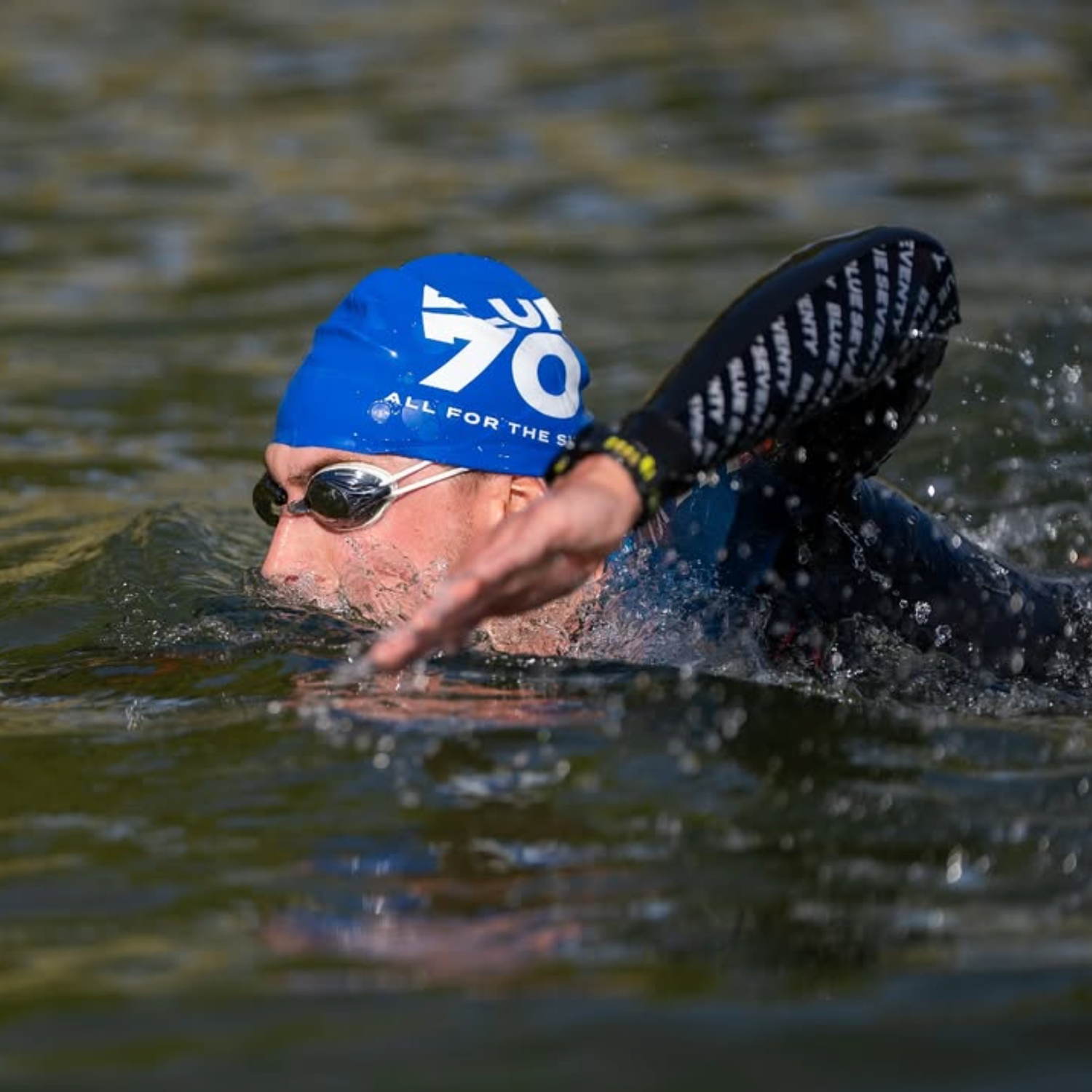
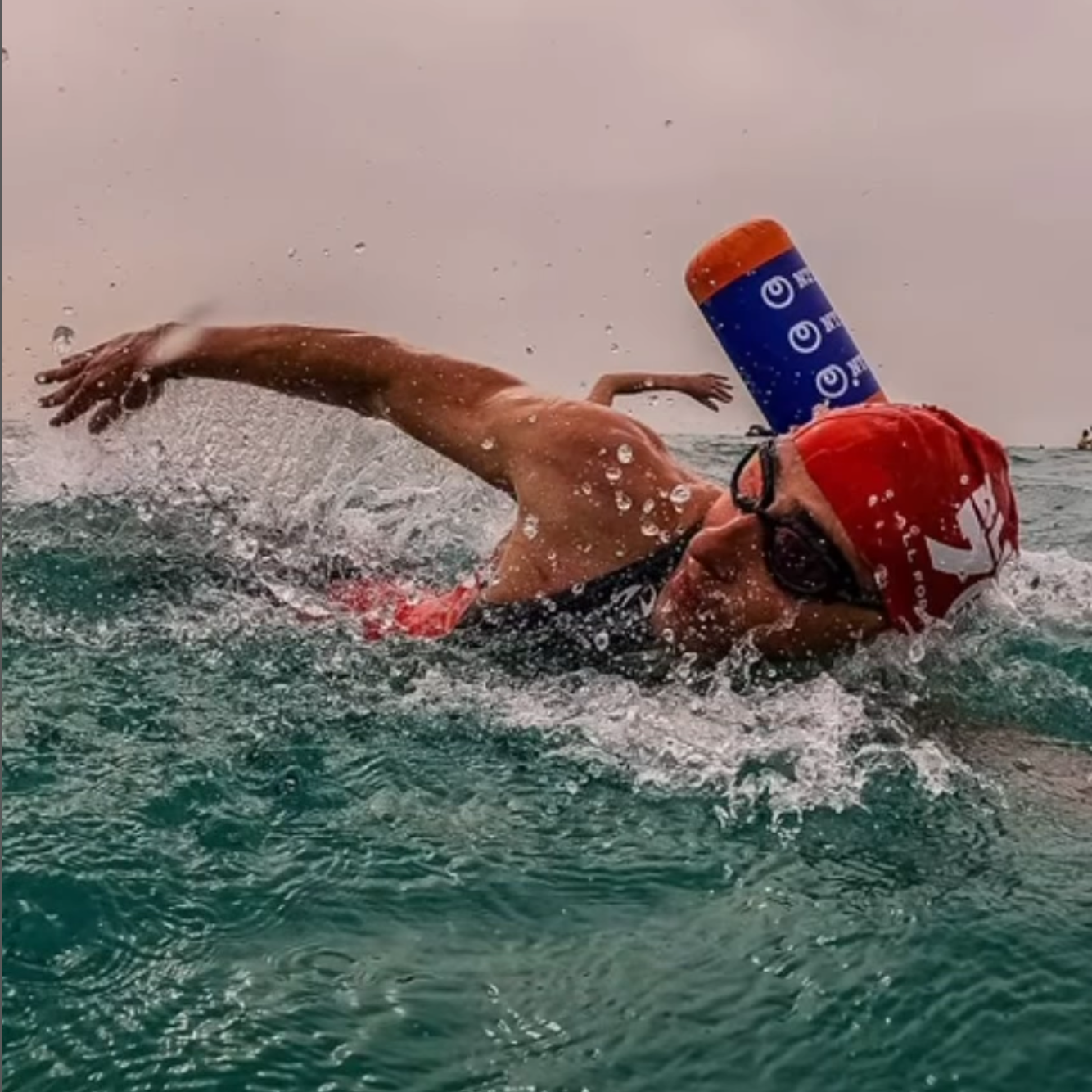
Swimming asks different things from a wetsuit than surfing does. A swimmer spends the session in continuous forward motion, repeating an overhead stroke while trying to stay long, balanced, and efficient. That creates clear design demands: flexible shoulders, clean torso rotation, buoyancy that supports horizontal alignment, and a fit that does not interfere with breathing or rhythm.
Blue70 has always designed around that swim-specific problem. The company started in 1993 as Direct Innovations, became blueseventy in 2005, and has kept refining wetsuits around one central goal: better swimming performance through fit, flexibility, and body position. The Helix became the flagship in 2005. In 2015, the Thermal Helix extended that thinking into cold-water swimming. In 2018, LIFT buoyancy panels were added to the Helix to further support position in the water.
That history matters because it shows what the brand has been chasing for years. The suit should help the swimmer move well in the water, not simply add insulation.
Swimmers feel shoulder restriction first
If a wetsuit is wrong for swimming, the shoulders usually report the problem before anything else does. Freestyle repeats the same movement over and over. A little resistance in the recovery phase may seem manageable at first, but repeated over a mile or over a full training block, it can change the whole stroke.
You see the effects in familiar ways: a shorter reach, a dropped elbow, a hand entry that gets messy, and a pace that grows harder to hold. Many athletes blame fitness when the suit is the real problem.
Blue70’s design language has long centered on freedom from restriction, and for swimmers that phrase is practical, not decorative. The wetsuit has to move with the stroke. Blue70 wetsuits use Yamamoto neoprene in 38, 39, and 40 cell constructions, and higher cell numbers bring more flexibility. That matters most in the arms and shoulders, where even small gains in freedom can change how the suit feels over distance.
The trade-off is worth stating clearly. The Helix uses very thin, flexible neoprene in the arms and shoulders for race-day feel, and Blue70 openly notes that this construction is not ideal for heavy weekly training use. That kind of candor is useful. Swimmers who train often often do better in the Reaction for longer frequent swims or the Fusion for shorter regular sessions.
Buoyancy is not only about floating
Many first-time buyers think about wetsuits in terms of warmth first. In open-water swimming, body position often has a larger effect on how the session feels and how efficiently the swimmer moves.
Blue70’s own guidance puts it plainly: buoyancy equals speed in the water. That is not a promise of a faster result. It is a simple hydrodynamic principle. A swimmer who rides higher in the water usually carries less drag than a swimmer whose hips and legs trail lower.
This is one reason swim-specific wetsuits feel different. The buoyancy profile is meant to support freestyle alignment. If a suit gives you insulation but does not help you hold a clean horizontal line, the swimmer still pays a cost through extra drag and extra effort.
Beginners often notice the benefit first because they tend to struggle more with low hips and sinking legs. More experienced swimmers may feel the effect in subtler ways, but the principle still holds. Blue70 built its LIFT concept around this exact issue. LIFT buoyancy panels were added to the Helix in 2018, and the LIFT Buoyancy Short, introduced in 2020 with NBR foam, applies the same logic in a training tool.
Warmth matters, but it does not answer everything
Temperature should shape the decision, but it should not make the decision by itself. Blue70’s published guidance gives swimmers a useful range. Below about 56 to 58°F, a purpose-built thermal suit such as the Thermal Reaction adds meaningful thermal protection. Above about 70 to 72°F, a full suit can become too warm over longer swims, which is where sleeveless options or swimskins make more sense.
Those numbers help narrow the field. They do not settle the question of how a suit will behave during a long swim. A wetsuit can be warm enough and still feel poor in the water if the neck, shoulders, or torso do not work well with freestyle.
It is also worth being precise about what a wetsuit does. A wetsuit is not waterproof and it does not keep you dry. It allows a thin layer of water inside the suit, and your body warms that layer. That process creates insulation. Good thermal protection depends on water temperature, time in the water, and the individual swimmer.
Fit problems often get mistaken for design problems
Even a good swim-specific wetsuit can feel bad if it is put on poorly. That happens all the time.
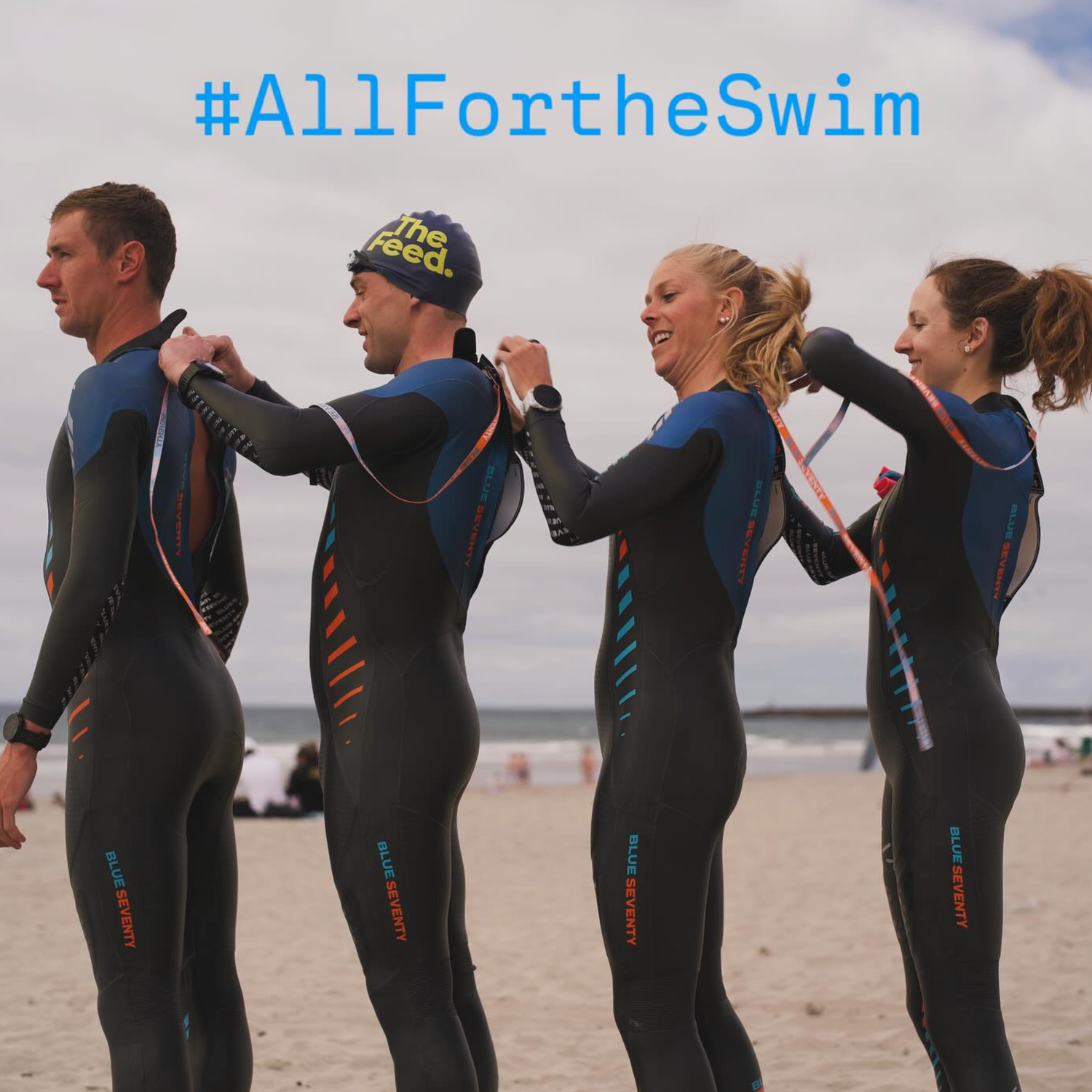
Blue70’s fit doctrine is simple: the suit should feel snug on land and more comfortable once you are in the water. New swimmers often expect the opposite. They want instant comfort in the changing room, then end up with a loose suit that takes on more water or a suit that was never fully pulled into place through the legs, hips, and shoulders.
When the suit sits too low in the body, the shoulders take the hit. The neckline may feel intrusive, the upper back can feel tight, and the swimmer blames the model when the real problem started while getting dressed.
The small fit details matter more than many athletes expect. Blue70’s 2021 Fusion redesign lowered the neckline for better comfort without losing the watertight seal. That sounds like a minor adjustment until you have spent an open-water session tugging at your neck and trying to settle your breathing.
Women’s fit is another area where patterning changes the whole experience. Blue70’s Femme Fit design refines key areas such as the bust, torso, wrists, and ankles. It also uses a lowered neckline and extended zipper length for easier entry and better accommodation through the hips. For many women, the difference between a frustrating wetsuit and a useful one starts there.
Choose by use case, not by category label
Athletes make better wetsuit decisions when they start with their actual swim habits. Race-day priorities, training frequency, water temperature, and sensitivity to shoulder restriction all matter more than a broad category term.
Blue70’s lineup gives swimmers a clear framework.
- Helix fits the athlete who wants top-end race-day performance, high flexibility, and a suit built around pure speed in the water.
- Reaction suits the swimmer who trains often and wants a strong balance between performance feel and durability, especially for longer swims.
- Fusion works well for shorter frequent sessions and for athletes who want comfort and value in a mid-range suit.
- Sprint is a practical entry point for first-time triathletes and newer open-water swimmers.
- Thermal Reaction serves swimmers dealing with colder conditions where added thermal protection matters.
- Reaction Sleeveless makes sense for warmer water, easier entry, or swimmers who prefer an open-shoulder feel.
Verified US pricing in the brand contract dated 2026-07-25 places the Sprint at $325, Fusion at $420, Reaction at $680, Thermal Reaction at $785, and Helix at $995. Those numbers matter because budget is part of the decision, and athletes should match the purchase to how they train and race.
What this changes on race day
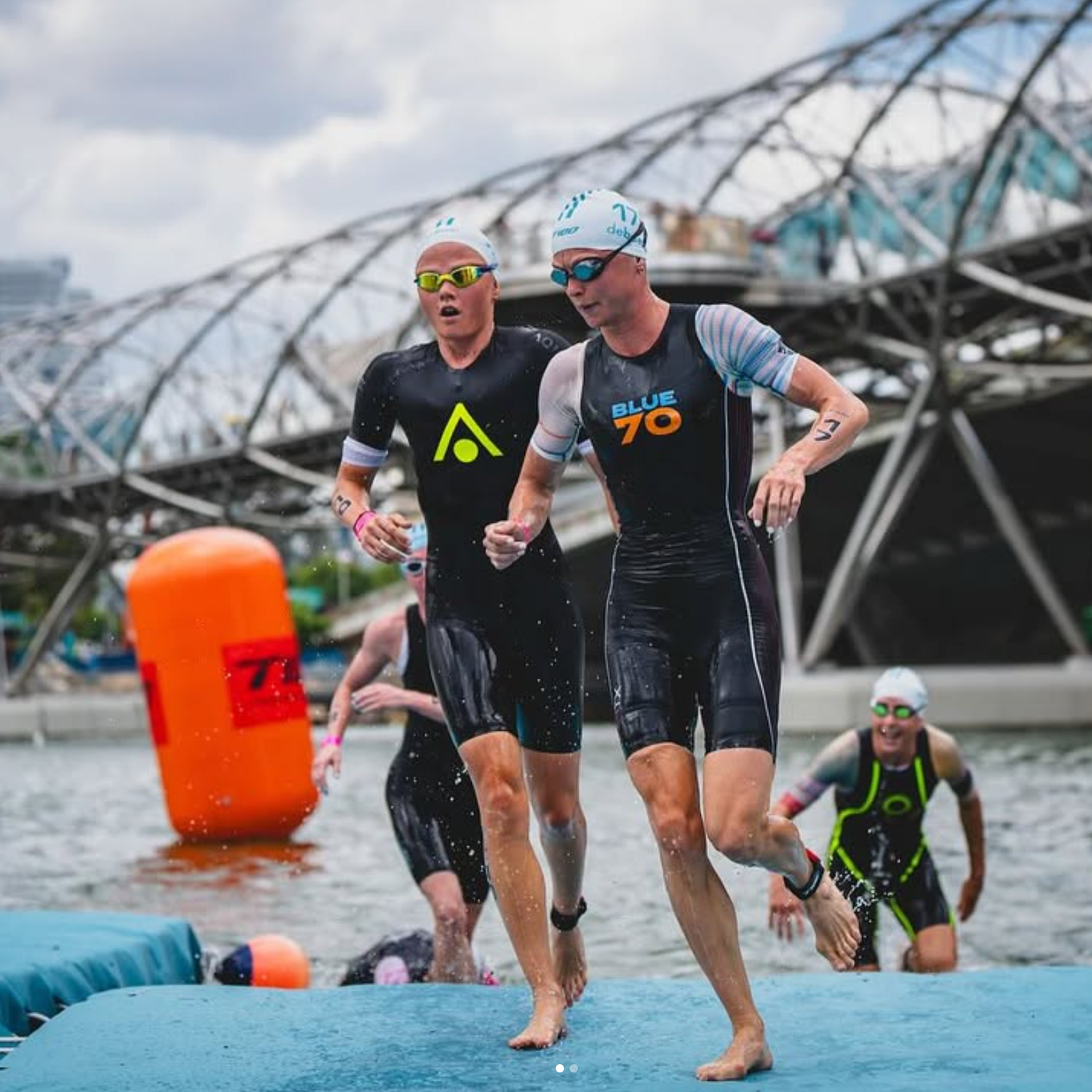
A swim-specific wetsuit affects more than comfort. It changes how well you can settle into pace, how easily you can sight without dropping your hips, and how much fatigue you carry into the bike. When a suit fits well and supports your body line, you stop thinking about it. That is the goal.
When a suit works against you, the cost shows up in scattered places. You breathe a little higher in the chest. You lose rhythm after each sighting. Your shoulders start to tighten halfway through the swim. You exit the water feeling like you spent energy wrestling equipment instead of moving forward.
That is why test swims matter. Blue70’s Take a Test Swim policy lets customers swim in a wetsuit and still return or exchange it, provided it comes back clean, dry, unmodified, and with tags and accessories. Standing in front of a mirror does not tell you enough. A real swim does.
A better way to think about the search
If you searched for a surfing wetsuit but your real goal is open-water swimming or triathlon, use a simpler decision process.
- Define the session. Are you buying for racing, weekly training, or both?
- Check the water temperature. Below 56 to 58°F points many swimmers toward a thermal option. Above 70 to 72°F often changes the full-suit conversation.
- Be honest about shoulder sensitivity. Some swimmers tolerate restriction poorly, and they know it within minutes.
- Choose for frequency of use. A race-only suit and a weekly training suit do not always need to be the same model.
- Verify fit in the water. Dry-land fit is only the first step.
That approach leads to better results than shopping by broad category alone.
The takeaway for swimmers and triathletes
A wetsuit should match the motion you actually do. For swimmers, that means continuous freestyle, efficient rotation, supported body position, and shoulder freedom that lasts beyond the first few strokes. That is the standard behind Blue70’s swim-specific design philosophy, and it is why wetsuit choice matters more than many athletes expect.
If your main goal is open-water swimming or triathlon, choose the suit around the swim, not around a general cold-water label. Start with fit. Add the right buoyancy profile. Match thermal protection to the conditions. Then take it into the water and let the stroke decide.
If you want help dialing in the next step, check Blue70’s size charts or the fitting guide. A short test swim usually answers the question faster than any search result can.