


Swimming is horizontal. A vest is not. That simple mismatch explains why you won't find a standalone neoprene vest in the current Blue70 lineup, even though the idea sounds practical.
Blue70 has been building swim-specific wetsuits since its 1993 roots, when the company that became Blue70 developed one of the first triathlon wetsuits. From that first design, buoyancy was spread from the chest down through the hips and thighs. A vest concentrates buoyancy in the torso. For freestyle, that works against the stroke.
A Vest Lifts the Wrong Half of Your Body
Your lungs already give your chest a fixed float near the sternum. Your legs have no such advantage. They sink unless your kick and core keep them up. A swim-specific wetsuit counteracts that by adding neoprene around the hips and thighs. Blue70's design logic treats buoyancy as speed: level body position reduces drag and makes the kick more efficient.
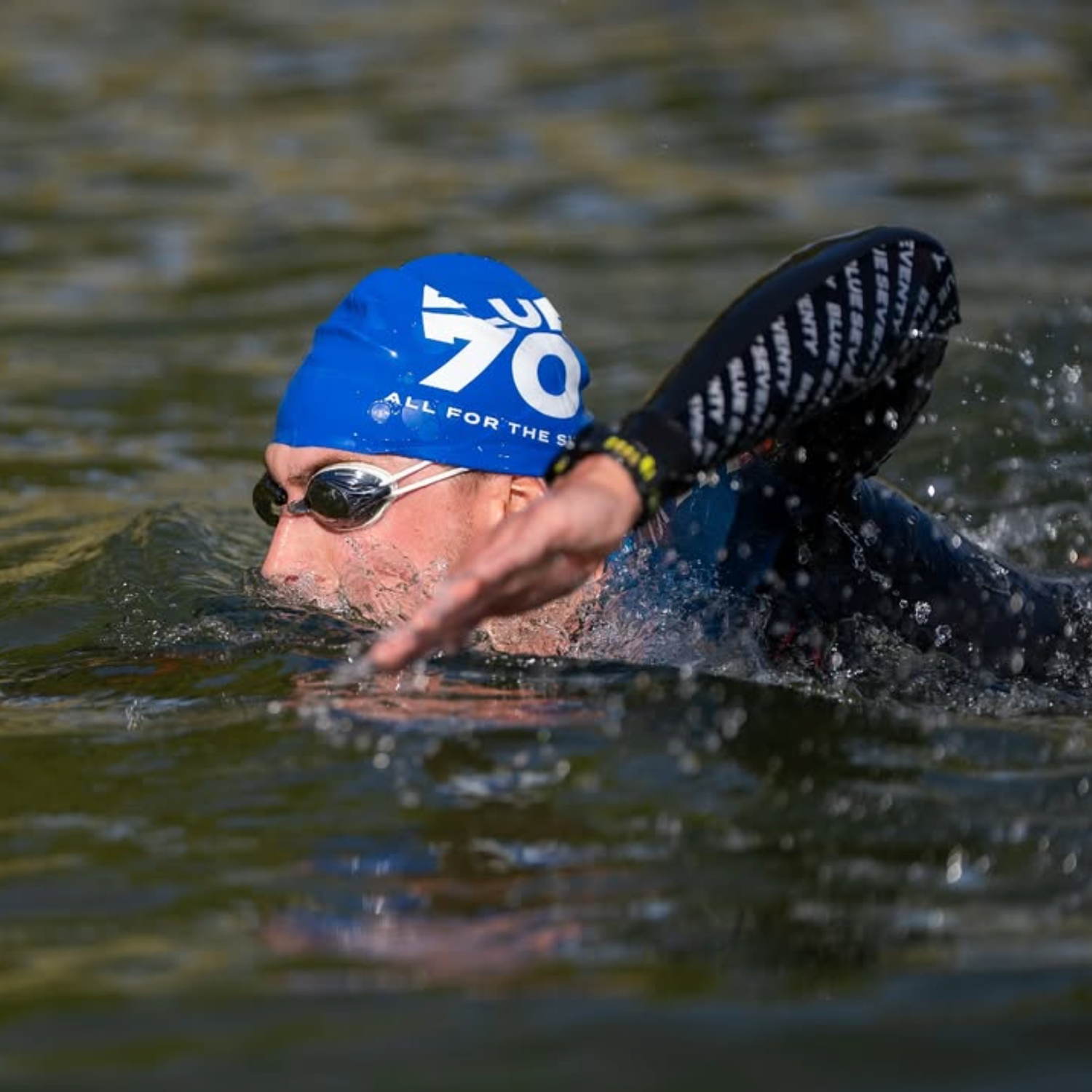
A vest adds its buoyancy only to the torso. The chest floats higher. The legs still drop. For many swimmers, the result is a steeper uphill angle you fight with your kick. That costs energy and breaks the long, flat line open water swimmers work to hold.
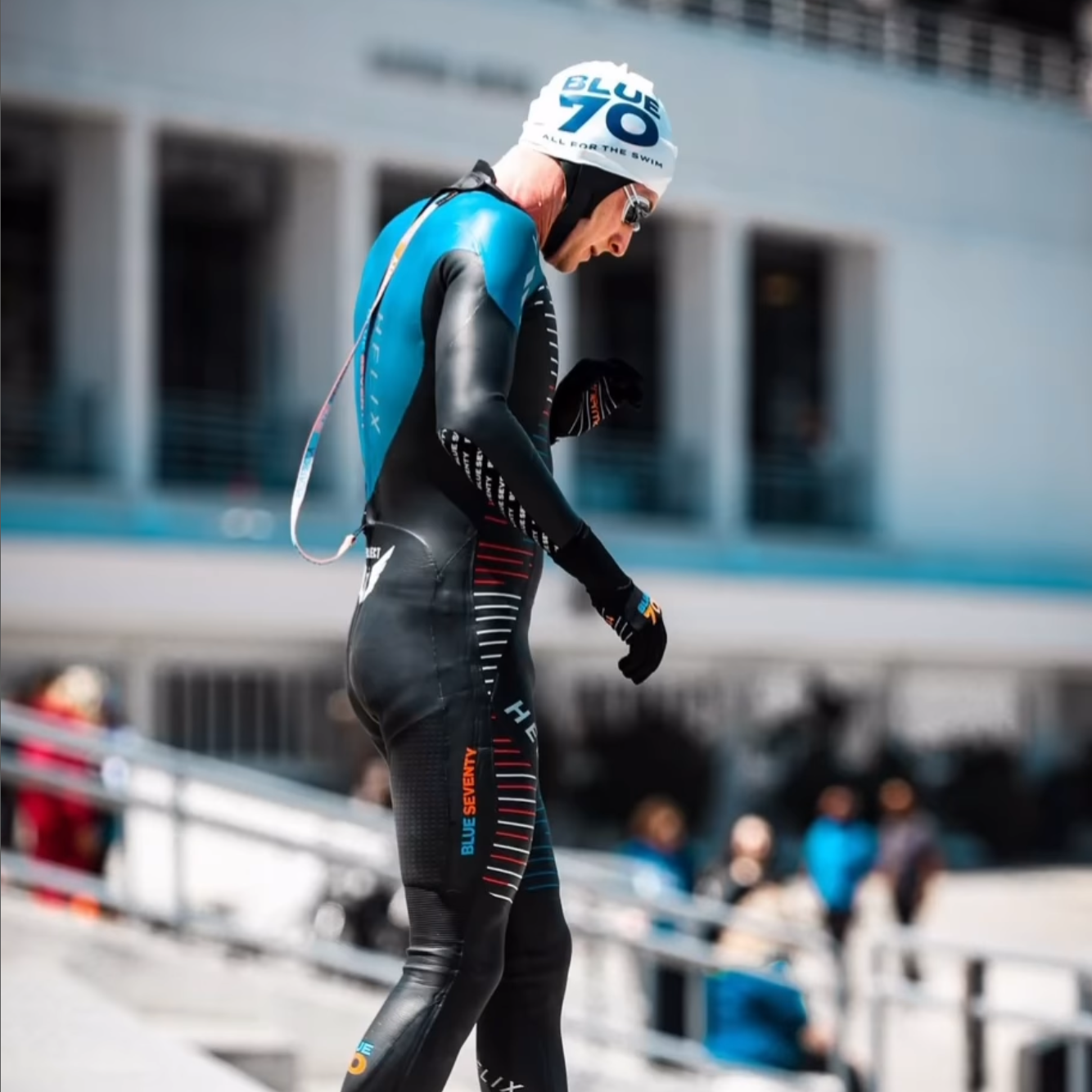
Muscle coverage also matters. In freestyle, the latissimus dorsi, shoulders, triceps, and forearms drive the pull. A vest leaves all of them exposed while the insulated torso warms up. That feels fine for ten minutes and then gets hot and unbalanced. A sleeveless wetsuit removes the sleeves but keeps the leg panels. You get cooling where you want it and lift where your body position needs it.
The Two Problems a Vest Seems to Solve
Most swimmers who search for a wetsuit vest want to fix one of two things: shoulder restriction or overheating.
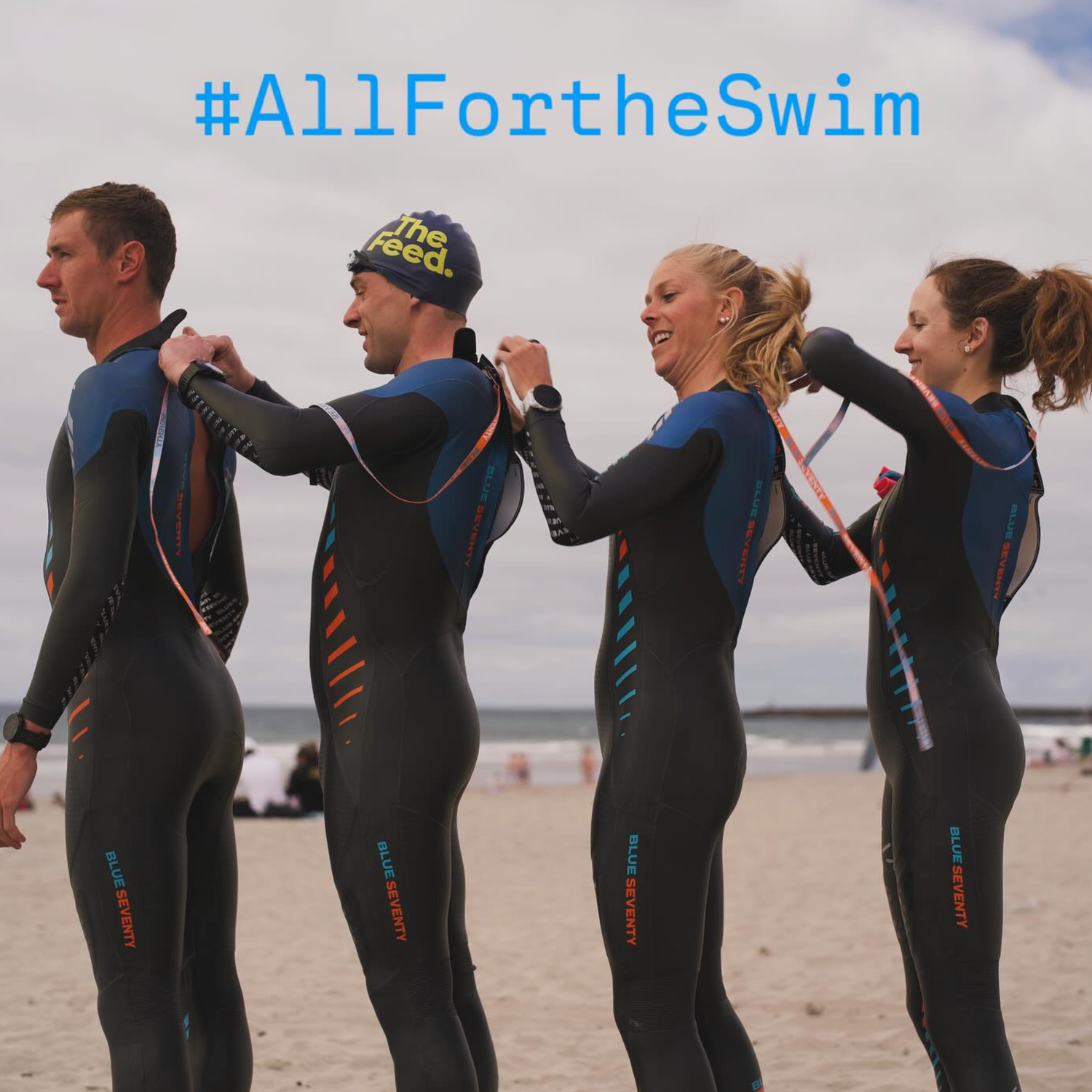
Shoulder restriction is often a donning issue, not a sizing issue. A suit that has not been pulled up high enough sits too low under the arms and pulls across the shoulder capsule. Work the neoprene up in stages: calves, thighs, hips, torso, then armpits and upper back. Blue70's fit guidance says the suit should feel snug on dry land and more comfortable once you swim in it. A few minutes of careful donning can remove pressure that feels like a bad fit.
Overheating is real. In water above roughly 70 to 72°F, a full suit can become too warm on longer swims. Taking the arms off helps. But a vest also takes the leg panels off. You lose the hip and thigh lift that keeps your body level. A sleeveless wetsuit keeps the legs covered and leaves the arms free.
Sleeveless Wetsuit for Warm Water
The Blue70 Reaction Sleeveless is built for this situation. The legs stay covered. The arms are free. The torso panels use Yamamoto neoprene in 38, 39, or 40 cell, where higher cell numbers mean more flexibility. That lets the chest and back sit firmer while the side panels and shoulders move with your stroke. You get cooling through the arms and lift through the hips and thighs.
Cold Water: Thermal Lining Instead of Layering a Vest
Some swimmers want to layer a neoprene vest under their existing wetsuit for extra core warmth. Layering creates its own issues. The extra neoprene can bunch at the neck and underarms, trap water around the zipper, and change how the shoulder panels fit.
If you need more warmth than your current suit provides, choose a suit built with thermal lining from the start. The Blue70 Thermal Reaction is fully lined with Zirconium jersey, a synthetic wool lining that adds meaningful warmth in cold water. In water below roughly 56 to 58°F, this is the category to look at. The warmth spreads through the torso and legs, not one spot.
Buoyancy Is Not a Safety Plan
Any neoprene garment adds some buoyancy. That buoyancy is not a personal flotation device. No Blue70 neoprene product is Coast Guard-certified as a PFD. Buoyancy changes body position and helps you swim more efficiently. It does not replace a swim buoy, a safety plan, or swimming with other people in open water.
Start With Fit, Then Choose Coverage
If you are still considering a vest, ask what problem you are actually solving.
- Tight shoulders? Start with the fitting guide and spend five minutes on donning before you change sizes.
- Overheating in a full suit? Try a sleeveless wetsuit like the Reaction Sleeveless.
- Cold core below 56°F? Look at the Thermal Reaction instead of layering a vest.
- Not sure? Take a Test Swim.
Blue70's Test Swim policy lets you swim in a wetsuit and still return or exchange it if it is clean, dry, unmodified, and has its tags attached. You only know how a suit fits your stroke after you swim in it. For horizontal swimming, a sleeveless suit or a thermal full suit will serve you better than a vest. Start there and take it for a swim.