


Most wetsuit mistakes start with one bad assumption: that a single suit should handle every swim on your calendar. Race morning, weekly lake sessions, cold spring starts, long open-water builds, travel, rushed transitions, all of it. That sounds efficient. In practice, it usually leads athletes into the wrong fit, the wrong construction, or the wrong expectations.
A better way to choose a swim-specific wetsuit starts with function. Ask what the suit needs to do in the water, how often you will use it, and what kind of swimmer you are right now. That last part matters. A first-time triathlete, a committed age-grouper, and an experienced open-water swimmer can all wear technically good suits and still need different things from them.
blueseventy has built its wetsuit line around that reality for years. The current range shows a clear split between race-day performance, frequent training use, cold-water protection, and warm-water or easier-fit options. Once you understand that split, a lot of common buying confusion disappears.
Race suits and training suits are built for different jobs
Many athletes still shop as if the top-end suit must also be the best daily-use suit. That is rarely true. A race-focused wetsuit is designed around body position, shoulder freedom, and how the stroke feels when the effort is high. A training-focused wetsuit has to survive repeated use, repeated stretching, and all the little mistakes that come with regular sessions.
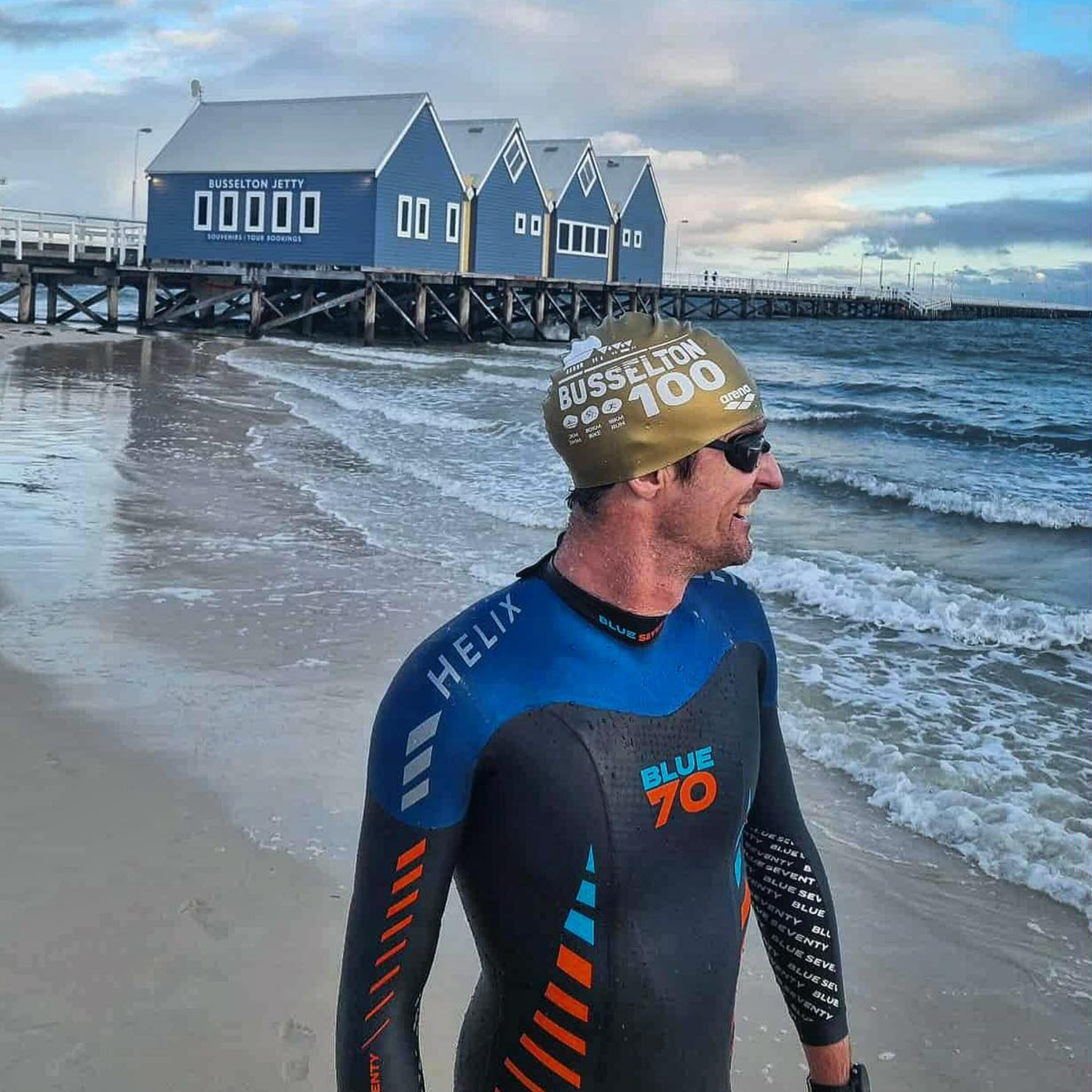
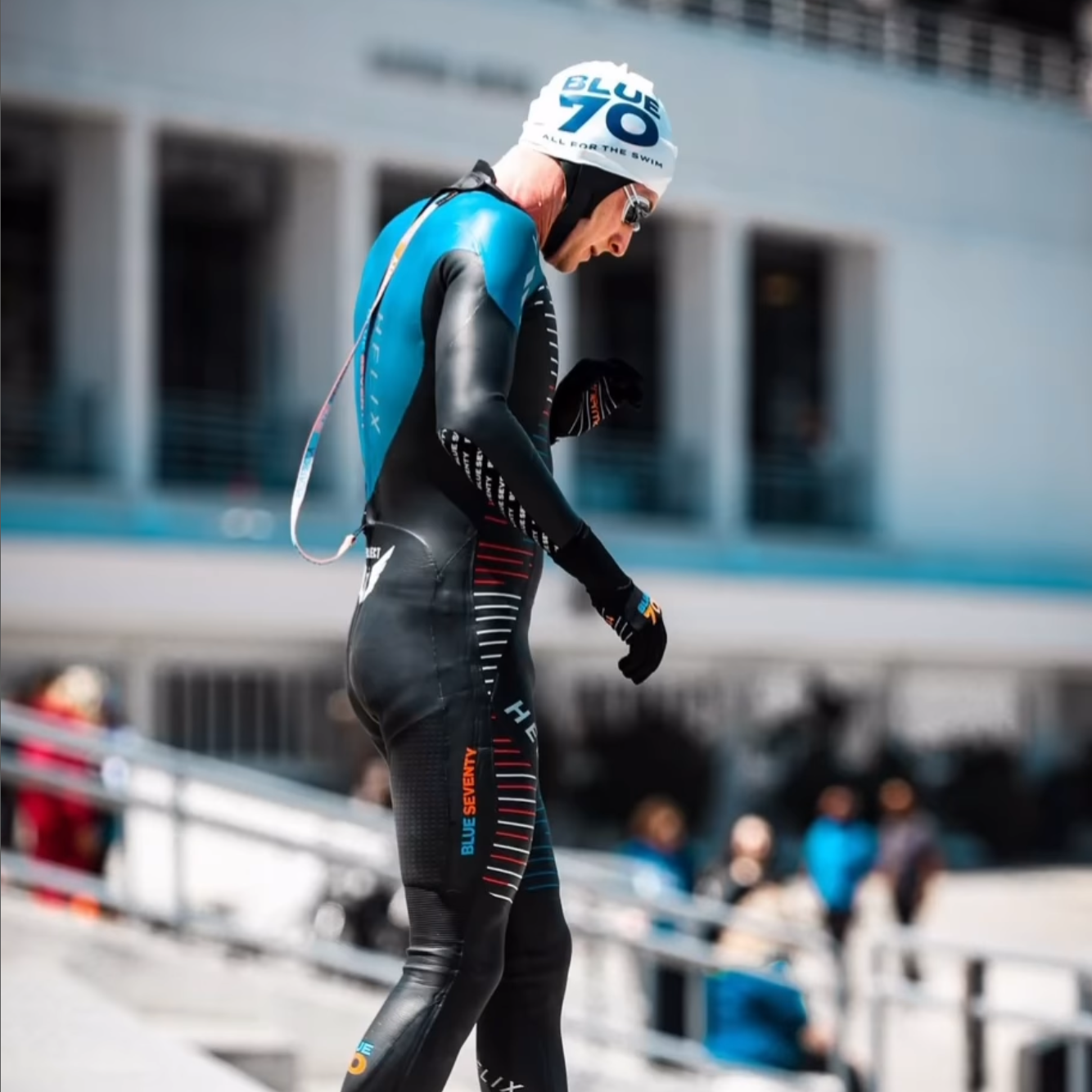
In blueseventy’s line, the Helix sits at the race end of that spectrum. It is built for race-day performance, with very thin neoprene through the arms and shoulders, a permeable catch panel first introduced in 2010 to preserve feel for the water, and LIFT buoyancy panels added in 2018 to improve body position. Those features matter because they affect how the suit behaves stroke after stroke, not because they look good on a spec sheet.
That design also comes with a real trade-off. blueseventy says openly that the Helix’s thin shoulder and arm neoprene will break down more quickly under heavy training use. That kind of candor is useful. It helps athletes buy the right suit for the season they are actually swimming, not the one they imagine in a perfect world.
The Reaction and Fusion solve a different problem. The Reaction is the better choice for frequent, longer swims. The Fusion is a strong match for shorter frequent swims and remains blueseventy’s best seller. In 2021, blueseventy redesigned the Fusion with a lower-sitting neckline for comfort while keeping the watertight seal. Those details tell you what the suit is trying to do: stay comfortable, stay practical, and support consistent use.
Buoyancy matters, but placement matters more
Swimmers often talk about buoyancy as if more automatically means better. In the water, where the buoyancy sits matters at least as much as how much of it you feel.
Most triathletes and open-water swimmers do not lose time because their chest rides too low. They lose time because the hips and legs drop, which increases resistance and changes the line of the whole body. A swim-specific wetsuit should address that first. Raise the lower body and the swimmer can hold a cleaner position with less effort.
That is the thinking behind blueseventy’s LIFT concept. In the Helix, LIFT panels are there to improve horizontal alignment. In training, the same body-position principle shows up in the LIFT Buoyancy Short, launched in 2020 as the first buoyancy short in the line built with NBR foam. The point is not to act as a flotation device. The point is to support better swim posture and reduce the work needed to stay aligned.
This is also why beginners often notice the biggest difference when they first swim in a proper wetsuit. blueseventy’s published guidance notes that beginners tend to gain proportionally more from a wetsuit because improved body position changes their baseline more than it does for swimmers who already ride high in the water.
Shoulder freedom starts with fit, not marketing
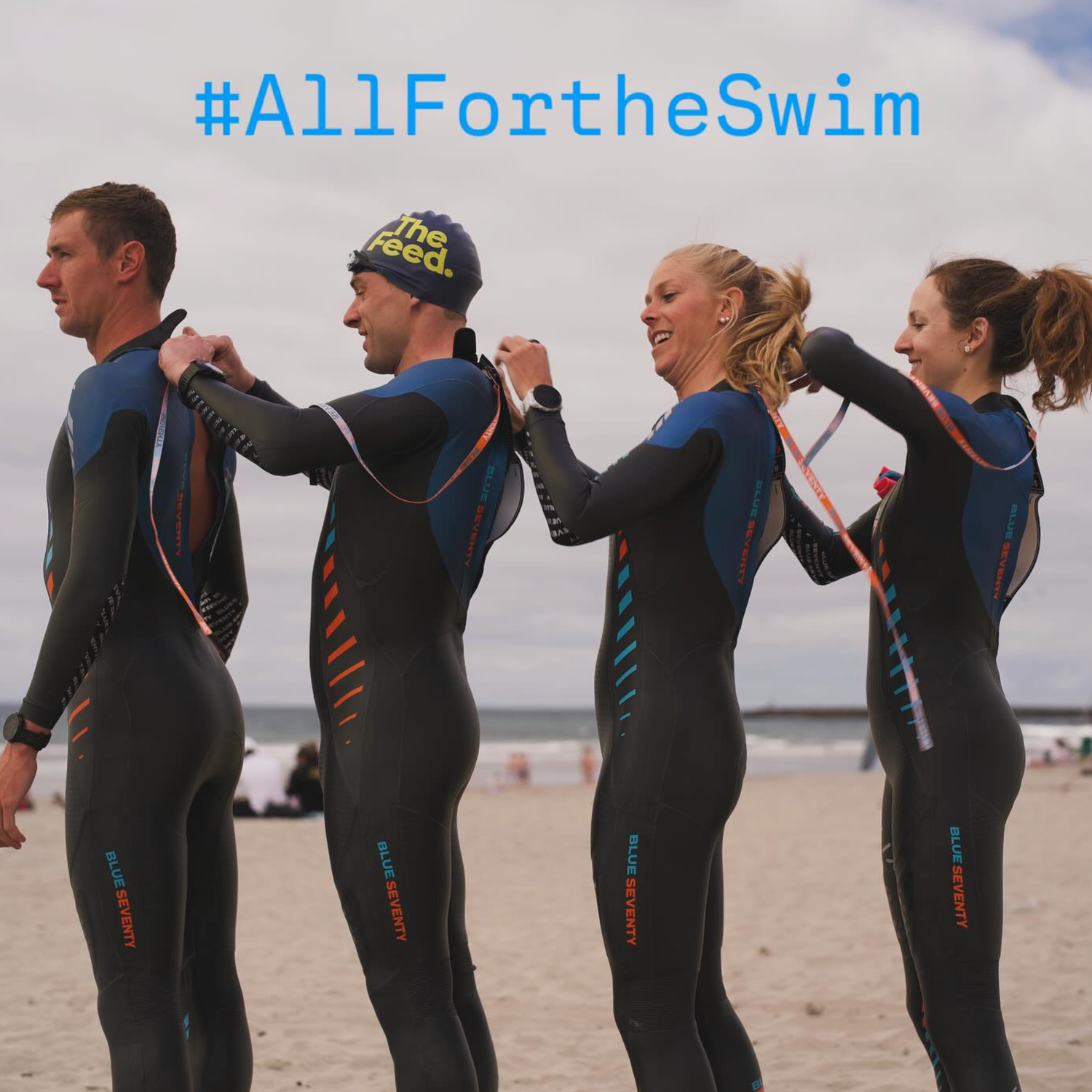
When athletes complain that a wetsuit feels tight in the shoulders, the model gets blamed first. A lot of the time, the suit was never put on correctly.
A swim-specific wetsuit should feel snug on land and more comfortable once you are in the water. If the suit has not been worked high enough through the legs, hips, torso, and underarms, the shoulders end up carrying tension that should have been distributed lower in the body. The swimmer feels that tension during hand entry, extension, and recovery.
The result is easy to spot. Reach shortens. The catch gets less secure. Fatigue arrives early in the deltoids and lats. Stroke rhythm starts to unravel. None of that means the wetsuit is wrong by design. It often means the fit process stopped too early.
Before judging shoulder fit, do these things first
- Pull the suit fully up from the ankles and calves before moving higher.
- Seat the suit properly through the hips and crotch before assessing the torso.
- Work neoprene upward toward the underarms so the shoulders are not carrying downward pull.
- Zip the suit only after the lower body and torso are set.
- Swim in it before making a final call on comfort.
Short version: fit is speed. A good suit worn badly can feel terrible. A properly fitted suit often changes character once you start swimming.
Cold-water suits deserve their own category
Cold-water swimming changes the gear conversation fast. Once water drops below about 56 to 58°F, blueseventy’s published guidance says a purpose-built thermal suit adds meaningful warmth. At that point, you are not just shopping for flexibility and buoyancy. You are also managing exposure.
The Thermal Reaction fills that role in the blueseventy line. It was introduced in 2015 as a purpose-built cold-water swimming wetsuit, and the current model is fully lined with Zirconium jersey, a synthetic wool lining used to add thermal protection in cold conditions.
That extra insulation matters, but it needs to be described accurately. A wetsuit does not keep you dry. It works by allowing a thin layer of water in, which your body warms. A thermal suit does not guarantee warmth in every condition either. Water temperature, air temperature, swim duration, pace, and the individual all affect how warm a swimmer feels.
A thermal suit is best understood as a tool that extends comfort and adds protection in cold water. It does not replace judgment.
Cold-water habits that still matter
- Build exposure gradually across the season.
- Keep the first cold swims short.
- Swim with a partner or organized support.
- Know your exit before you start.
- Have warm, dry layers ready when you finish.
Women’s fit changed wetsuit design for practical reasons
Women’s-specific wetsuit design is not a cosmetic update. It changes how the suit fits, how it seals, and how it feels through the stroke.
blueseventy’s Femme Fit platform refines pattern design through the bust, torso, wrists, and ankles. It also uses a lowered neckline for comfort and reduced chafing, plus an extended zipper length to make entry easier, accommodate wider hips, and speed transitions. The women’s range expanded to 15 sizing options in 2014.
Those details show up in the water. Better torso patterning can reduce awkward shoulder tension. A neckline that sits lower can cut down on abrasion over longer swims. Easier entry matters on race morning, but it also matters every time an athlete pulls the suit on for training.
For many women, the real breakthrough is simple: the suit feels like it was designed for a swimmer instead of asking the swimmer to adapt to the suit.
Choose by water temperature, then usage, then race goals
A lot of athletes reverse that order. They start with the dream race, jump straight to the highest-performance model, and only later think about the water they train in or how often they will wear the suit. That is how perfectly good wetsuits end up feeling like poor purchases.
A better order looks like this:
- Start with water temperature. Below about 56 to 58°F, a thermal model belongs in the conversation. Above about 70 to 72°F, a full suit can become too warm for longer swims, and a sleeveless option may be the better fit.
- Then think about frequency of use. Regular training points many athletes toward the Reaction or Fusion, depending on swim length and how often the suit comes out of the bag.
- Then think about race priority. If the suit is being saved for key events and race-specific sessions, a model like the Helix makes more sense.
This approach also keeps budget decisions grounded. Based on blueseventy US pricing verified 2026-07-25, the line currently runs from the Sprint at $325 to the Helix at $995, with the Fusion at $420, Reaction Sleeveless at $395, Reaction at $680, and Thermal Reaction at $785. Those price steps reflect different use cases, not just status levels.
Use your first real swim as the test
Parking-lot fit checks are useful, but they only tell part of the story. The water tells you the rest.
On the first proper swim, pay attention to four things:
- Body position: do your hips and legs ride higher with less effort?
- Shoulder rhythm: can you extend and recover without feeling dragged down?
- Neck comfort: is the seal snug without turning into rubbing?
- Pacing stability: does the suit still feel good after ten to fifteen minutes?
Those are better indicators than how the suit feels standing dry on a shop floor. blueseventy also backs that process with its Take a Test Swim policy, which allows athletes to swim in a wetsuit and still return or exchange it, provided it comes back clean, dry, unmodified, and with tags and accessories.
The right wetsuit matches the season, not the fantasy
The best wetsuit is the one that fits your stroke, your water, and your training rhythm. For some athletes that means a race-day suit with the lightest possible shoulders. For others it means a durable option that gets used every week without second thoughts. For cold-water swimmers it means thermal protection. For warm-water athletes it can mean going sleeveless for comfort and freedom.
Choose the suit for the job you actually need done. That is the swim-specific way to buy.
If you want help narrowing down the right fit, start with blueseventy’s size charts, the fitting guide, or the sizing tool on the blueseventy homepage. Then take the suit for a swim and judge it where it matters most: in the water.