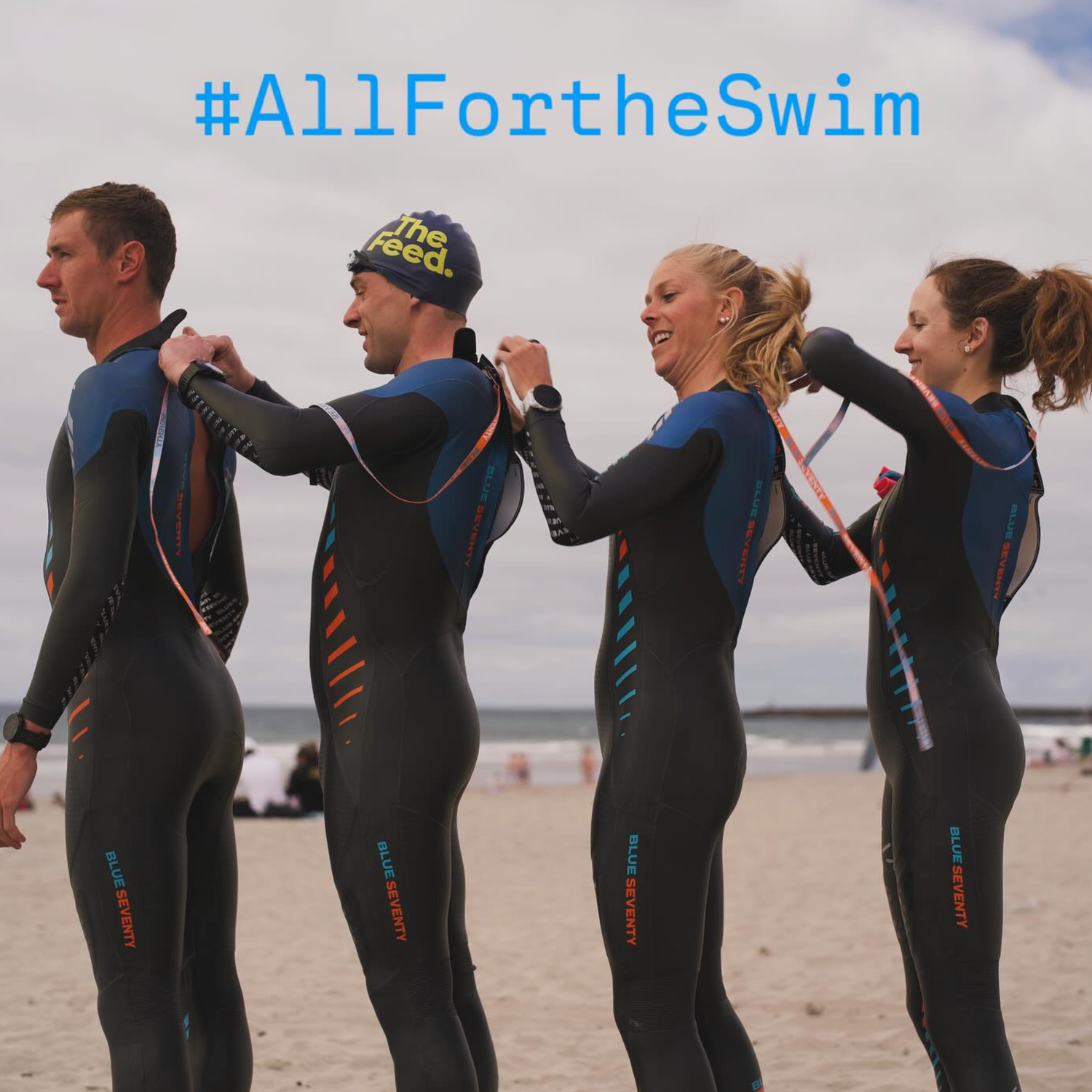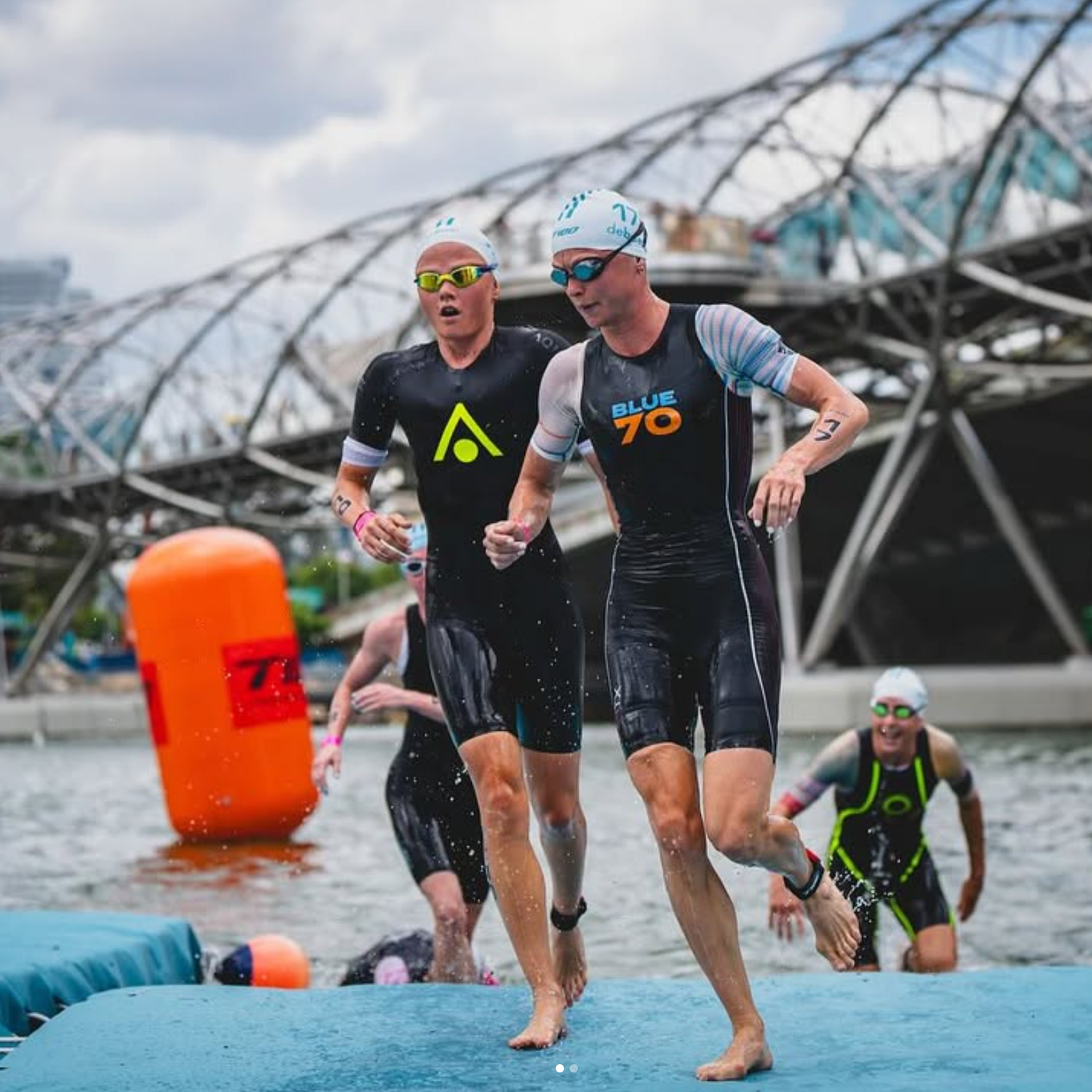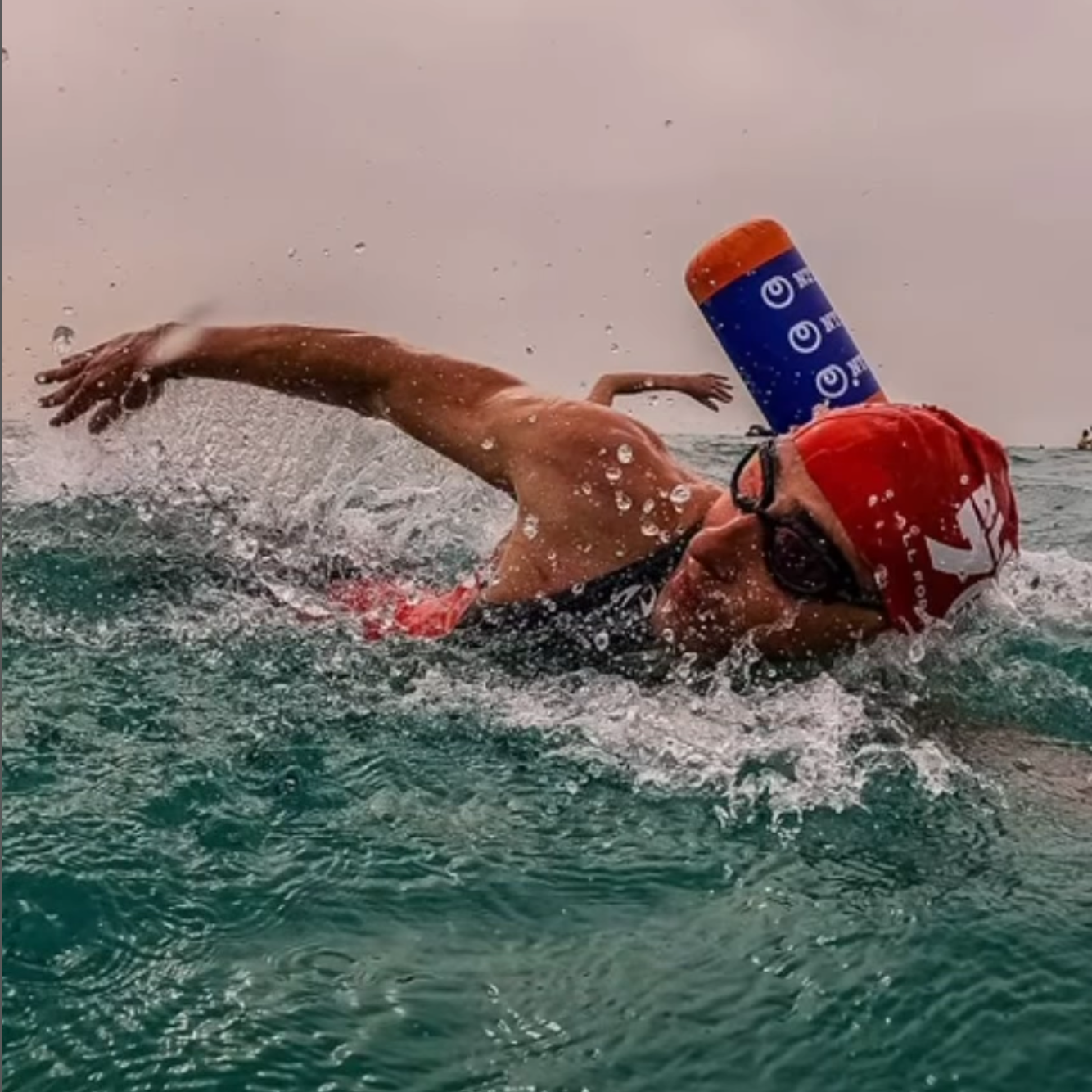



“Scuba wetsuit” looks like a simple search term, but for swimmers and triathletes it often points to the wrong piece of gear. The confusion makes sense. Both categories use neoprene. Both are worn in open water. Both add insulation. But once you look at how each suit is built, the overlap gets smaller fast.
A wetsuit for diving is designed around a different movement pattern than a wetsuit for swimming. Divers spend long periods descending, floating, kicking, pausing, and carrying equipment. Swimmers repeat an overhead stroke for hundreds or thousands of yards, trying to stay long through the front of the stroke while keeping the hips from dropping. That single difference changes the whole design brief.
For open-water swimming and triathlon, the better question is not “Do I need neoprene?” The better question is “Was this suit built for the way I move through the water?”
Swimming puts different demands on a wetsuit
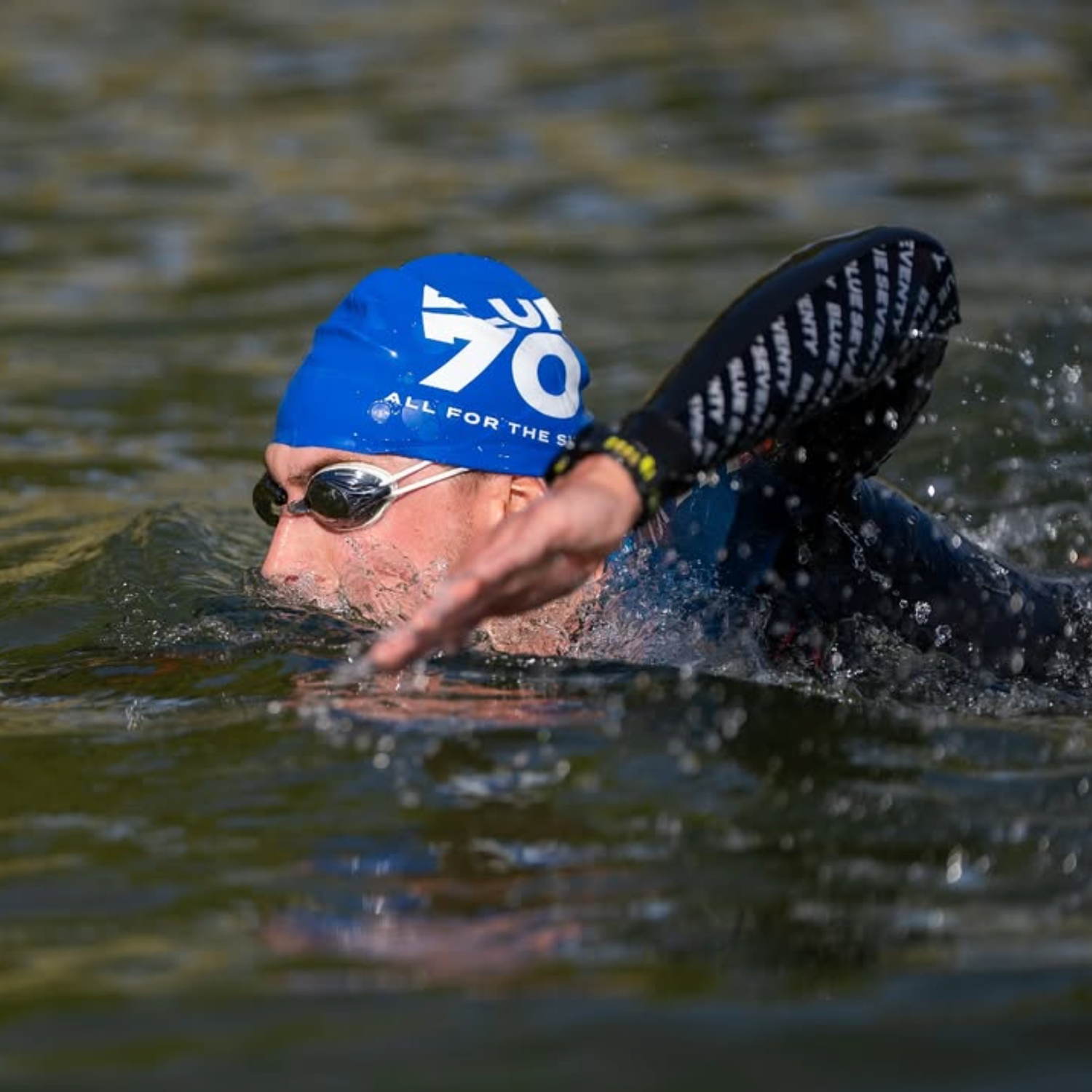
A swimmer feels the wrong suit first in the shoulders. Freestyle asks for repeated extension, rotation, and a clean recovery over the water. If the suit resists that motion, the stroke starts to change. Reach shortens. The catch starts later. Neck and upper-back tension climb because the swimmer is forcing the arm through a path the suit does not want to allow.
That is why blueseventy builds swim-specific wetsuits around flexibility, body position, and freedom from restriction. The brand’s wetsuit line uses Yamamoto neoprene in 38, 39, and 40 cell, with higher cell numbers offering more flexibility. That matters most in the shoulders, chest, and lats, where small restrictions get repeated on every stroke.
Once a swimmer loses shoulder freedom, the cost shows up quickly. Pace requires more effort. Stroke length shrinks. Fatigue arrives earlier than expected. A suit can feel acceptable standing on a pool deck and still become a problem after ten minutes of steady swimming.
Buoyancy matters, but placement matters more
Swimmers often talk about buoyancy as if it were one feature with one effect. In practice, where the lift sits matters as much as how much of it the suit provides. For swimmers, the goal is better body position: hips higher, legs closer to the surface, and less drag through the water.
blueseventy states this clearly: buoyancy equals speed in the water. That principle sits behind the brand’s swim-specific construction. The Helix, for example, includes LIFT buoyancy panels that were added in 2018 to support a more efficient position in the water. The aim is not flotation in the life-saving sense. The aim is a more level, more streamlined swimming posture.
That distinction matters. Neoprene adds buoyancy, but a wetsuit is not a Coast Guard-certified personal flotation device. It should never be treated as one. For swimmers, the real value of buoyancy is mechanical. It helps the body sit in a better line so the stroke can work with less wasted effort.
The neckline tells you what the suit was built to do
Most first-time buyers focus on thickness, then price, then maybe brand reputation. They should pay more attention to the collar. A swimmer breathes to the side, lifts the eyes to sight, and spends long periods with the neck in a stable but active position. If the neckline sits too high, presses too firmly, or pulls backward during rotation, the swimmer notices it fast.
That is why details in swim-specific design matter so much. blueseventy updated the Fusion in 2021 with a lower-sitting neckline for comfort without giving up the watertight seal. That sounds minor until you have spent half an hour in open water turning to breathe and sighting around chop. A few millimeters at the neck can decide whether a suit disappears in use or becomes the only thing you can think about.
Cold water does not change the need for swim-specific design
Many athletes who search for “scuba wetsuit” are really trying to solve for temperature. They want more warmth for cold lakes, early-season ocean swims, or long training sessions. That instinct is fair, but warmth alone is not enough. A swimmer still needs mobility.
blueseventy addresses that problem with the Thermal Reaction, a suit built for cold-water swimming and fully lined with Zirconium jersey, a synthetic wool lining used for added warmth. It answers the temperature question without ignoring the stroke.
The brand’s published guidance gives swimmers a practical starting point:
- Below about 56 to 58°F, a purpose-built thermal suit adds meaningful warmth.
- Above about 70 to 72°F, a full suit can feel too warm over longer swims, so sleeveless suits or swimskins become a better fit.
Those are training and product-use guidelines, not race-rule claims. Event legality depends on the sanctioning body and the specific event rules. For daily use, the lesson is simpler: solve cold-water swimming with gear built for cold-water swimming.
Race-day cost shows up long after the swim starts
Triathletes sometimes think wetsuit choice only matters to athletes who train outdoors every week. In reality, the wrong suit can shape the whole race. If the shoulders tighten early and breathing gets messy, the swim costs more energy than it should. You do not leave that effort in the water. You carry it to T1, onto the bike, and sometimes well into the run.
Race-day comfort and race-day performance are tied together. A suit that preserves your stroke helps you arrive at the first transition calmer and less taxed. That matters in a sprint. It matters even more over Olympic distance and longer.
blueseventy’s line gives athletes a clear framework for matching the suit to the job:
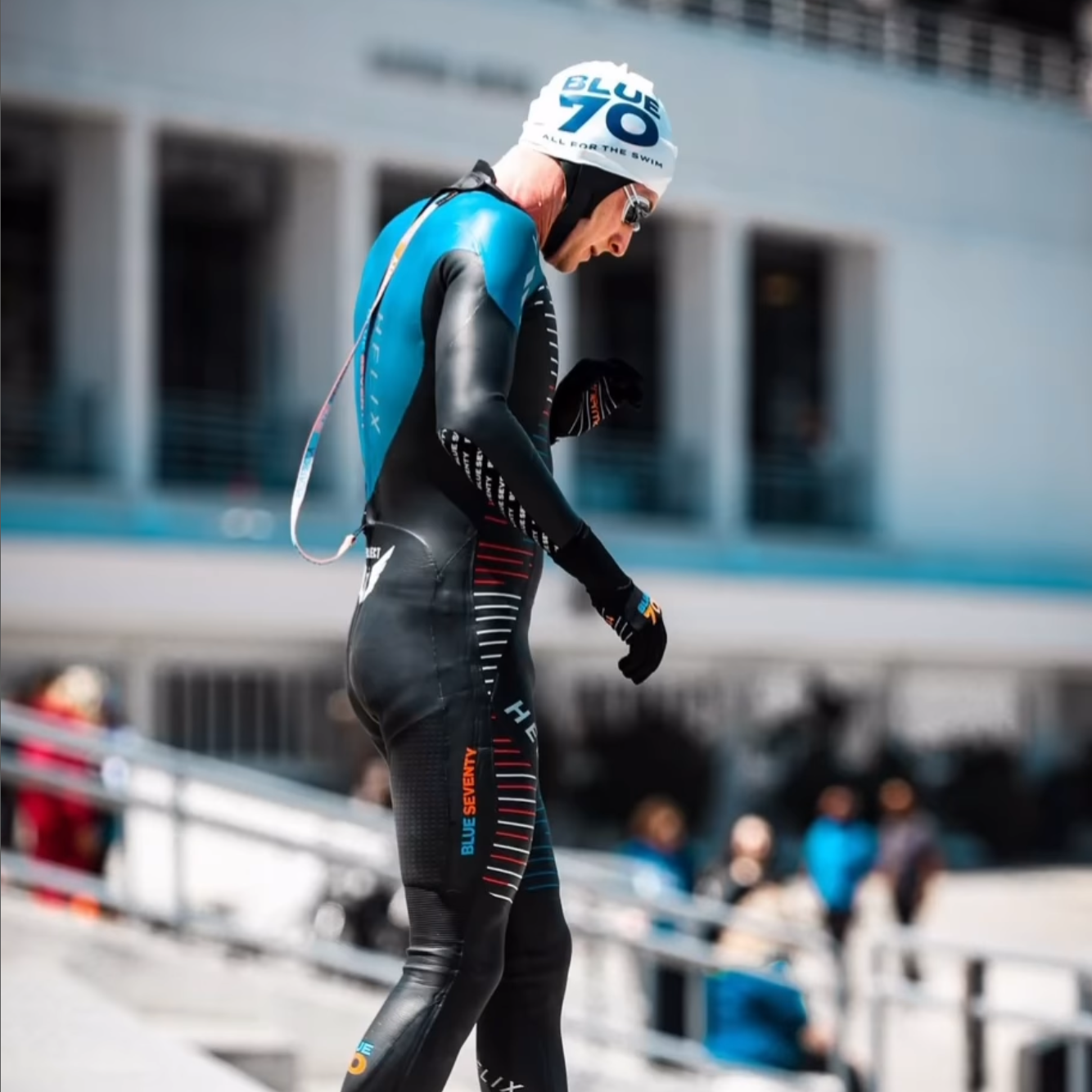
- Helix for race-day performance and maximum shoulder freedom
- Reaction for frequent and longer swims where durability and performance both matter
- Fusion for shorter frequent swims and a mid-range price point
- Sprint for entry-level athletes
- Reaction Sleeveless or Glide Short John for warmer water or athletes who prefer less shoulder coverage
- Thermal Reaction for colder water swimming
That sort of choice matters more than broad categories like “thick” or “thin.” The suit needs to match how often you swim, how long you swim, and what the water usually feels like where you train.
How to tell if a wetsuit is working against you
You do not need a long testing protocol to spot a mismatch. One honest swim is enough if you pay attention to the right things.
- Your shoulders fatigue early. That often points to restricted motion or a suit that has not been pulled high enough through the torso and shoulders.
- Your stroke gets shorter. If clean extension disappears, the suit is changing how you swim.
- The collar feels tight when you breathe. Pressure at the throat or a backward-pulling feeling during sighting is a warning sign.
- Your legs still feel heavy. A swim-specific suit should support a better line in the water.
- Your turnover rises without easier pace. If you are spinning the arms faster just to maintain speed, efficiency has dropped.
Fit matters here. A wetsuit should feel snug on land and better once you are in the water. Many problems that look like design flaws start with poor setup. If the material is not worked high enough through the legs, hips, and shoulders, the top half of the suit will pull down and create tension where swimmers feel it most.
The better buying question
If you swim in open water or race triathlon, stop asking whether a suit belongs to a broad category and start asking whether it was built for swimming. That shift clears up most bad purchases before they happen.
Use this checklist:
- Is the suit swim-specific?
- Does the shoulder pattern support repeated overhead motion?
- Is buoyancy placed to improve freestyle body position?
- Will the neckline stay comfortable during breathing and sighting?
- Does the model fit how often you train?
- Do your local water temperatures call for a thermal suit?
Those questions lead to better outcomes than “Will this be warm?” or “Will this float me?” A swimmer needs a suit that works with the stroke, supports the body position, and stays comfortable long enough for pace and form to hold up.
If you are narrowing down a wetsuit for open-water training or triathlon, start with a swim-specific fit and then test it in real water. blueseventy’s Take a Test Swim policy allows you to swim in a wetsuit and still return or exchange it, as long as it comes back clean, dry, unmodified, with tags and accessories.
That is the standard that matters. A wetsuit should let you keep your stroke, not fight it.