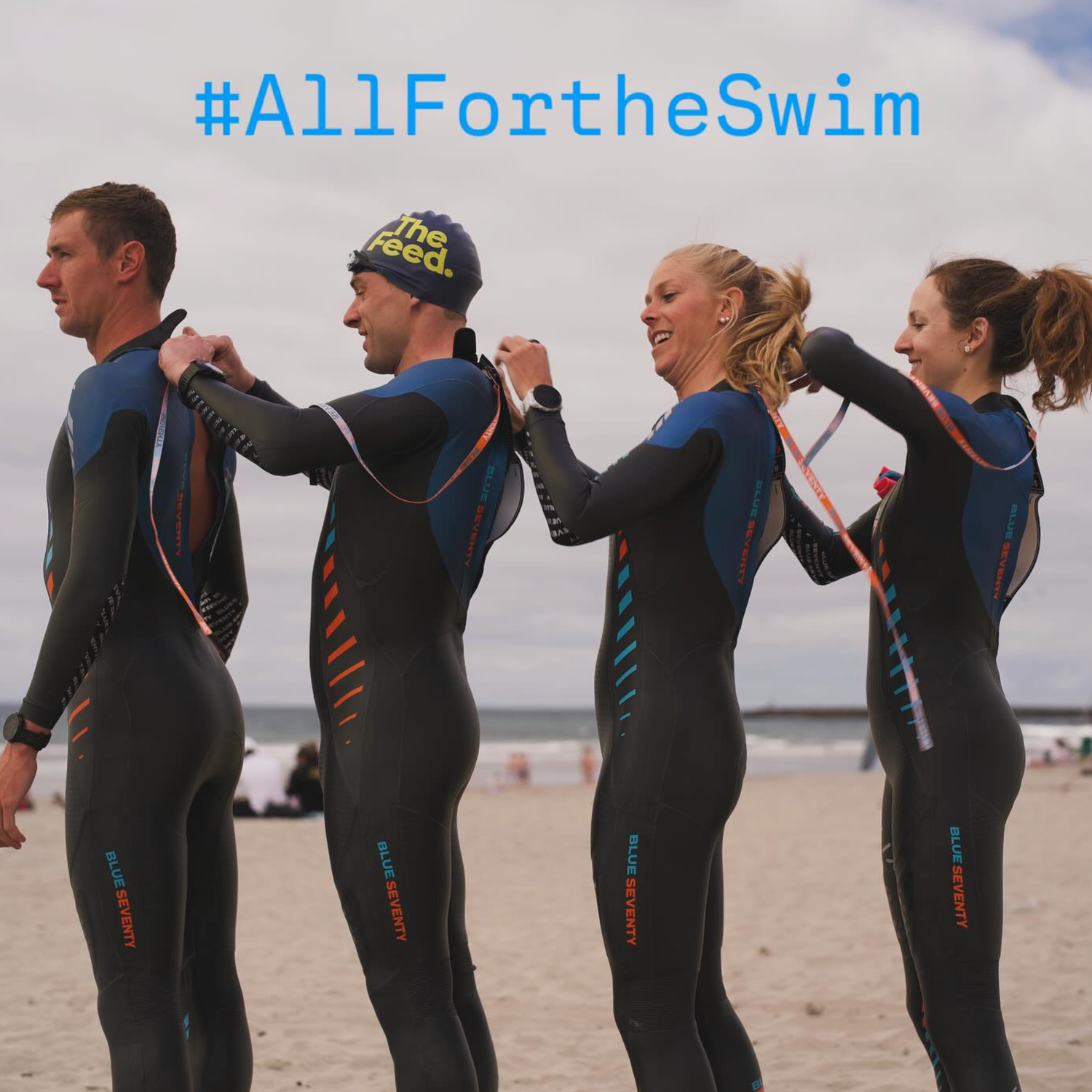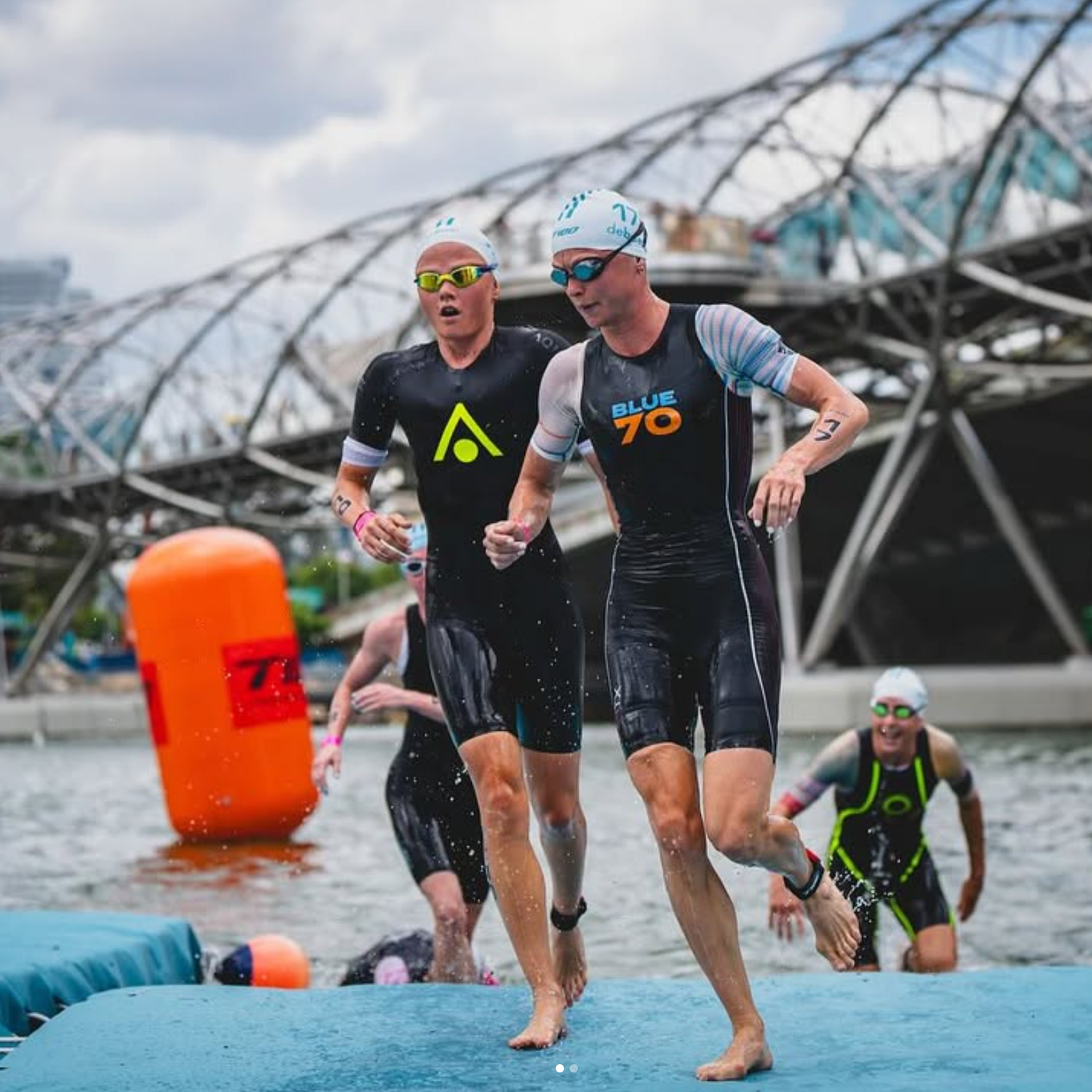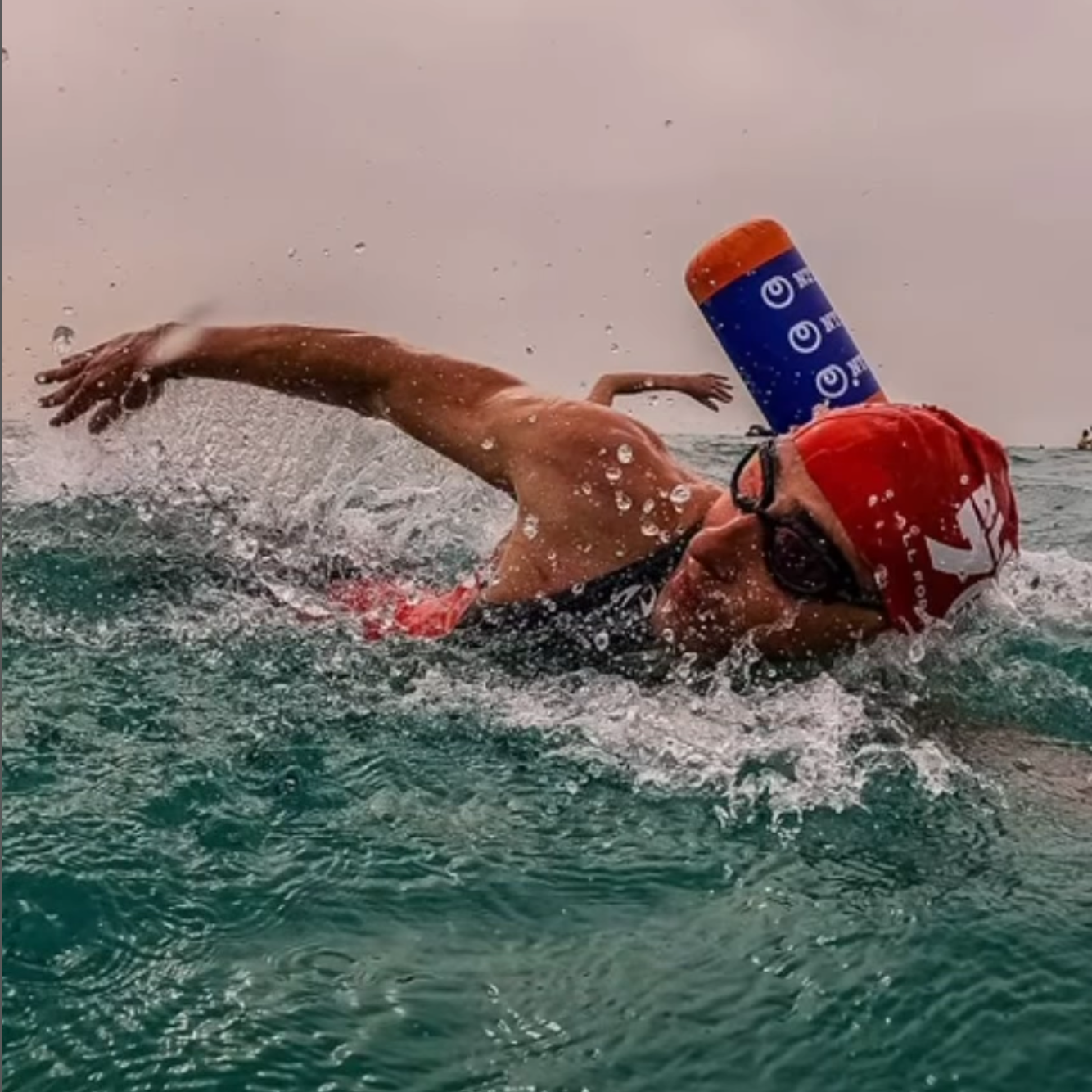



If you’ve ever wrestled with your wetsuit in the parking lot - hopping on one foot, arms trapped, questioning every life choice that led you to open-water swimming - you’re not alone. That stubborn, skin-tight embrace is actually a sign your suit is doing its job. Let’s break down why removal feels like a fight, and how to turn that fight into a 20-second victory.
1. The Suction Seal Is a Feature, Not a Flaw
A swim-specific wetsuit like a Blue70 is engineered to let a whisper-thin layer of water in. Your body warms that water, and the suit’s snug fit keeps it there - no flushing, no cold water constantly cycling through. Once the suit is wet and pressed against your skin, it creates a mild vacuum. That seal is fantastic for insulation and for streamlining your body position in the water, but it means the suit won’t simply slide off when you hit dry land.
Think of it this way: if the suit came off easily, it would also let water rush in and out while you swim. That would cost you warmth, body position, and energy. The tight fit is what gives you “feel for the water” and reduced drag. It’s all for the swim.
2. Sizing: Snug, Not Suffocating
Sometimes a wetsuit fights back because it’s a size too small. A Blue70 suit should feel compressive on land, almost too tight, then relax just enough once you’re in the water. If you can barely zip it up, if you feel restricted breathing deeply on the shore, or if getting it past your hips requires a team effort, the size may be off.
This is where Blue70’s Test Swim policy becomes your best friend. You can actually swim in your new wetsuit and still exchange it within 30 days, provided it’s clean and dry when returned. That takes all the anxiety out of guessing. Use it. If the suit makes you dread the end of every swim because removal is painful, try the next size up or a model with a slightly different cut.
For women, every Blue70 wetsuit is built with Femme Fit patterning. That includes an extended zipper length to accommodate wider hips, making both entry and exit less of a wrestling match. Look for that detail when you’re comparing models - it matters at T1.
3. Technique: Most Swimmers Do It Backward
The single biggest reason a wetsuit feels impossible to remove? Trying to pull it off dry like a jacket. The neoprene sticks and drags against dry skin. The secret is letting the suit glide over itself - inside-out.
A panic-free removal method
Start early. Unzip the moment you exit the water. If you’re racing, unzip as you run toward transition. On a training day, unzip and peel the top down to your waist while you catch your breath.
Peel down, not off. Roll the neoprene back on itself, turning the suit inside-out as you go. Use your palms, not your fingertips (fingernails are a wetsuit’s worst enemy). Once the suit is around your waist, sit down if you can, or brace a hand on a car/bench.
Legs: the inside-out slide. With one leg, start rolling the suit down past the knee. Once it’s bunched at the ankle, step on the freed leg of the suit with your other foot and pull your foot out. The neoprene slides against itself much more easily than it slides against your skin. Repeat for the other leg. If the suit is stubborn, a thin plastic bag over your foot before you put the suit on can help later - but during removal, patience and the inside-out roll are usually enough.
Shoulders last. If you’ve ever seen someone stuck with the suit still clinging to their shoulders while they flail, you know pain. Getting the suit over your shoulders requires the same peel technique, but it’s easier if you’ve already rolled it down to your waist. Grab the back of the neck opening (Blue70 designs the neckline to sit low on models like the Fusion to help with this) and roll it forward and out. A little water still inside the suit will act as lubrication.
4. A Few Small Tricks That Make a Big Difference
- Lubricate the pulse points. A tiny dab of anti-chafe balm on your wrists and ankles before you suit up helps the seal without gumming up the neoprene. Some swimmers use plastic bags on hands and feet during donning; the same slickness can aid removal.
- Trim your nails. Seriously. Not just to avoid tearing the suit (which Blue70’s warranty excludes), but because a fingernail catching on rubber mid-roll stops all momentum.
- Practice when you’re not exhausted. The first time you try fast removal shouldn’t be after a cold, choppy open-water race. Do it once or twice in a controlled setting so the muscle memory is there when your brain is foggy.
- Don’t rush to dry off. A little water inside the suit makes the peel easier. If you towel off first, you’re only increasing friction.
5. When the Suit Still Feels Like a Straightjacket
If technique and lubrication don’t fix it, the issue is likely size. Blue70’s wetsuits come in an extensive range of sizes and, for women, 15 Femme Fit options (a standard the brand pioneered years ago). Use the size chart or the 30-second sizing tool on the site, and remember: you can take a test swim. If it’s wrong, swap it. An ill-fitting wetsuit costs you comfort, warmth, and T1 speed - and none of those are negotiable on race day.
A swimming wetsuit that fights you a little at the end is just a swimming wetsuit that gave you everything during the swim. Master the inside-out roll, check your size, and suddenly that 90-second struggle becomes a clean, quick strip. Next time you unzip, you’ll feel the satisfaction of a suit that worked hard for you - and a removal that didn’t leave you breathless.
Ready to dial in a size that fits like it should? Find your fit in 30 seconds with our size widget, or Take a Test Swim - it won’t affect your return one bit. Happy swimming!