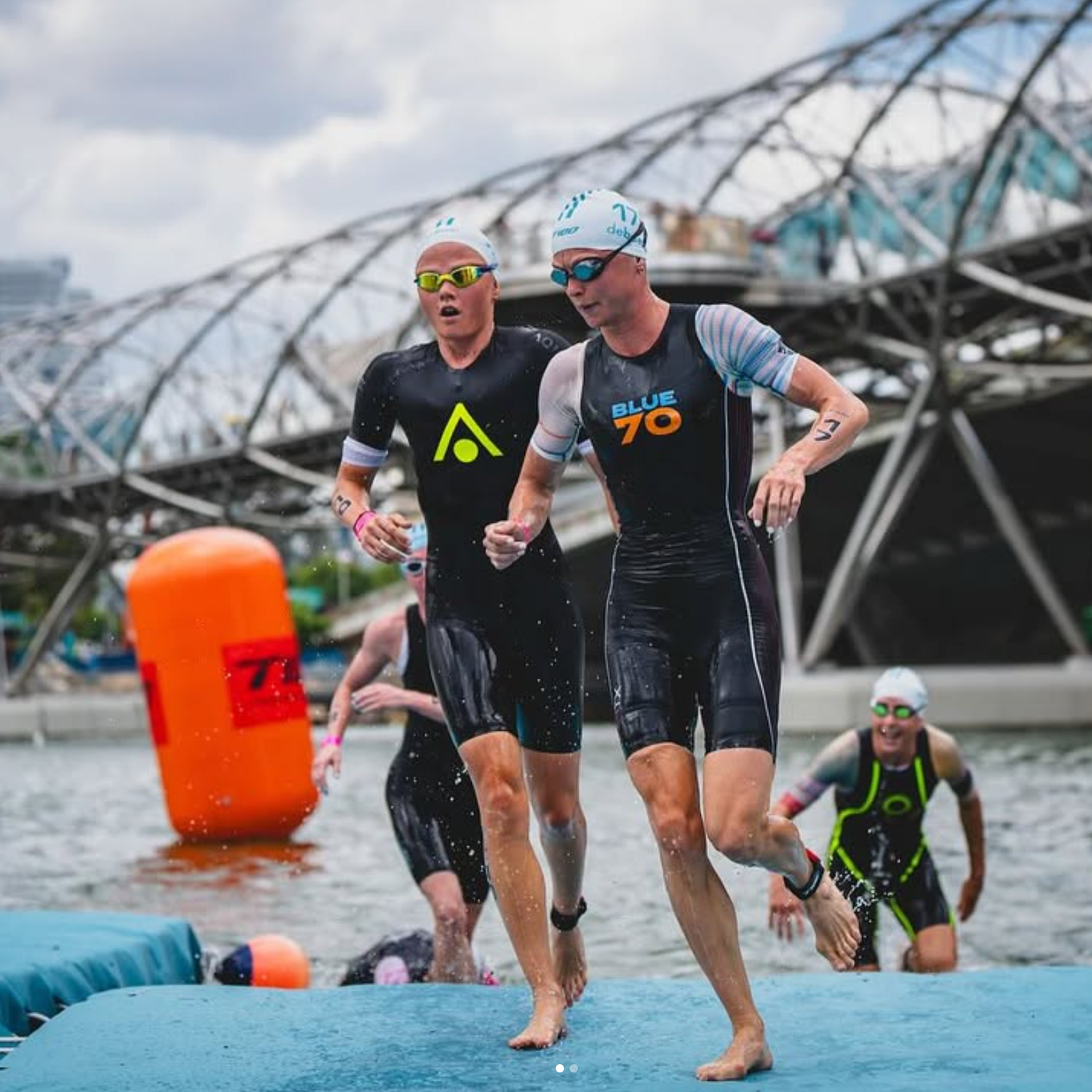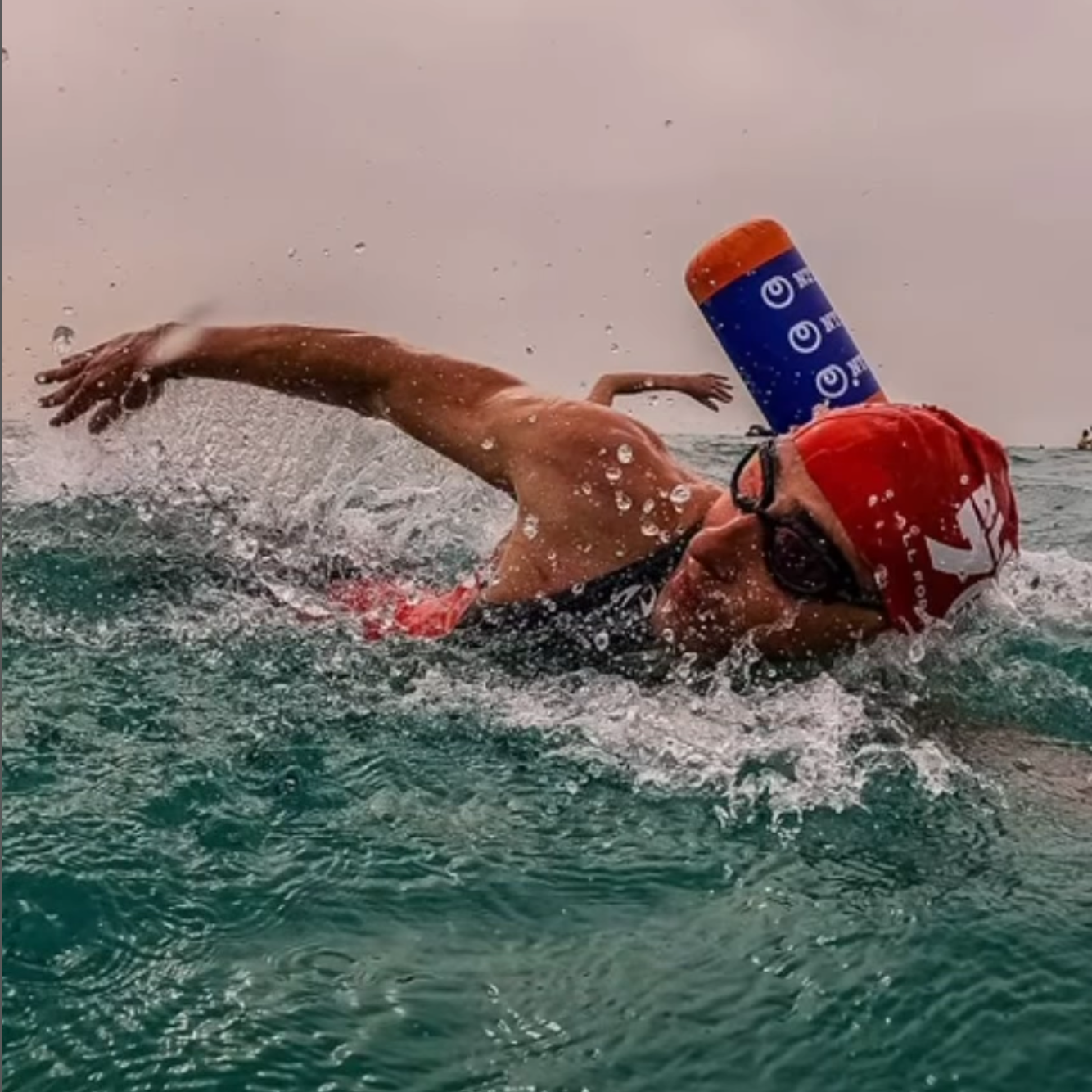



SwimRun exposes a weakness in the way many athletes think about wetsuits. Most people judge a suit by the swim alone. That makes sense in triathlon, where the wetsuit has one main job in the race: help you through the water, then come off fast in transition. SwimRun changes that equation because the suit stays on through repeated swims, repeated runs, shoreline exits, climbs, descents, and long stretches where body temperature can swing from cold to hot in a matter of minutes.
That is why a swimrun wetsuit with a front zip makes sense. The zipper is not there for novelty. It is there because SwimRun has no clean break between disciplines. You are not done with the wetsuit after the first swim. You keep living in it, and that means the suit has to work while you are running just as much as while you are swimming.
Blue70 built the Alliance SwimRun for that format, and it is the only wetsuit in the Blue70 line warrantied for SwimRun use. That detail matters. SwimRun asks more from neoprene than a single open-water leg in triathlon. The suit deals with more abrasion, more movement on land, and more repeated entries and exits over the course of a race.
Why the front zip matters in SwimRun
The simplest answer is also the most important one: you can manage the suit while the race is still happening. In triathlon, a rear zip works because removal is the next step. In SwimRun, removal is not the point. Adjustment is. After a swim exit, you often need to start running right away, bring your breathing under control, and release some heat before the next section of trail or rock scrambling begins.
A front zip lets you do that quickly. You can open it on the move, vent heat through the chest, and close it again before the next water entry without the awkward shoulder reach that a back zip requires. That small design choice becomes more useful the longer the race lasts.
Hours into a SwimRun, comfort problems stop being minor. A suit that traps too much heat on the run can affect pacing, energy intake, and concentration. A front zip gives you one direct way to stay ahead of that problem.
SwimRun changes the performance brief
A good SwimRun wetsuit still needs to support swimming well. Body position still matters. Shoulder freedom still matters. Drag still matters. But SwimRun forces a second question that triathletes do not always ask first: what happens between the swims?
That is where front-zip design earns its value. You leave the water with a raised heart rate, start climbing or striding on land, and your thermal needs change immediately. The same suit that felt right in the water can feel hot on the run. Front access lets you respond in real time instead of accepting whatever the suit gives you.
Blue70’s published wetsuit guidance helps frame this. Below about 56 to 58°F, a purpose-built thermal suit adds meaningful warmth. Above about 70 to 72°F, a full suit can feel too warm over longer swims. SwimRun complicates both ends of that range because you also have air temperature, run duration, sun exposure, and your own heat tolerance to consider.
Body mechanics change when the course keeps switching sports
Freestyle and running do not load the body in the same way. In the water, you need shoulder rotation, a long line through the torso, and enough flexibility to keep your stroke smooth when you get tired. On land, the demands shift. You need chest expansion while breathing hard, hip extension on climbs, and enough mobility through the torso to move efficiently over uneven ground.
A front zip helps because it changes how you can use the wetsuit once the run starts. If the chest feels compressed after a hard swim exit, you can release some pressure without peeling the suit down. That matters on longer run sections, where a small restriction in breathing can become a pacing issue within minutes.
Athletes often notice this only after training in the full setup. A suit can feel fine during the first swim and still become annoying on land if it cannot adapt once your posture changes from horizontal swimming to upright running.
The underappreciated benefit: pacing discipline
One of the most useful things about a front zip has nothing to do with raw speed. It helps many athletes avoid early pacing mistakes.
SwimRun has a way of baiting people into running too hard off the first few exits. You stand up, feel relief after the swim, and accelerate before your breathing settles. That usually pushes body temperature up fast and makes the next swim feel worse than it should.
A front zip creates a natural routine. When used well, it encourages a short reset before the run gets away from you.
- Exit the water and get upright.
- Take a few controlled breaths.
- Open the zip enough to vent heat.
- Check that your paddles, pull buoy, tether, and nutrition are sitting cleanly.
- Start the run under control.
That sequence takes only a few seconds, but it can keep effort from spiking too soon. In longer SwimRun races, those small decisions shape the second half of the day.
Why SwimRun-specific construction matters
Blue70 has always approached wetsuit design from a swim-specific point of view. Comfort, freedom from restriction, and race-day function in the water sit at the center of that approach. SwimRun keeps those priorities in place but adds another one: the wetsuit has to remain useful on land between swims.
That is why event-specific construction matters. The Alliance SwimRun exists because repeated swim-run racing places different demands on a suit than triathlon does. The warranty policy reflects that. It is the only Blue70 wetsuit warrantied for SwimRun use.
That is not fine print. It is a practical signal that SwimRun creates different wear patterns and different stress points, especially when the race includes technical exits, repeated running in neoprene, and long exposure to mixed terrain.
How a front-zip SwimRun wetsuit should fit
Athletes sometimes assume a front-zip suit should feel loose because running is part of the event. That usually leads to a poor swim. A SwimRun wetsuit still needs to feel snug and swim-ready. The front zip does not replace fit. It gives you more control over the fit while the race unfolds.
Chest and upper torso
The suit should feel secure when fully zipped. You should not see loose folds across the chest. When you open the zip on land, the pressure should ease without the suit collapsing out of position.
Shoulders
You still need clean shoulder rotation for freestyle. If the suit feels restrictive, make sure it is fully pulled into place before you judge it. A badly donned wetsuit loads the shoulders fast, and repeated swim segments make that problem worse.
Hips and crotch
This area matters more than many athletes expect. If the suit hangs low, the run stride feels clumsy and the swim position suffers. Take the time to get the neoprene seated correctly before you decide the size is wrong.
Neckline
The neckline should feel close but not abrasive. Chafing builds over time, and SwimRun gives friction plenty of time to show up.
How to train with a front zip before race day
The athletes who get the most from a front-zip SwimRun wetsuit are usually the ones who treat the zip as part of the race system, not just part of the suit. That means practicing with it.
- Do exit-and-adjust repeats. Swim a short segment, jog for a minute or two, open the zip while moving, then close it again before the next entry.
- Test your venting rule. Some athletes open the zip on every run. Others save it for long or hilly sections. Decide which pattern fits your heat tolerance.
- Train in full kit. Practice with the paddles, pull buoy, tether, and nutrition setup you plan to race with so your adjustments feel familiar.
- Check for chafe after each session. Front access changes where pressure sits across the chest and neck. Find that out in training, not on race morning.
The best SwimRun wetsuit is the one that keeps working later in the race
SwimRun rewards repeatable performance more than isolated moments. A suit can feel great in the first swim and still be the wrong tool if it drives heat up on land, makes breathing feel cramped on climbs, or turns every run exit into a wrestling match.
That is why the front zip deserves more attention than it usually gets. It is not a cosmetic feature. It is a response to the basic reality of the sport: the race keeps changing, so the wetsuit has to stay usable while your body keeps changing with it.
If you are preparing for SwimRun, start with a suit built for the event. The Blue70 Alliance SwimRun gives you the design logic that the format demands, including the adjustability that matters once the running starts. If you want to check fit before race day, take advantage of Blue70’s Take a Test Swim option and spend a few sessions practicing your zip routine. The more automatic that routine becomes, the smoother your race tends to feel.