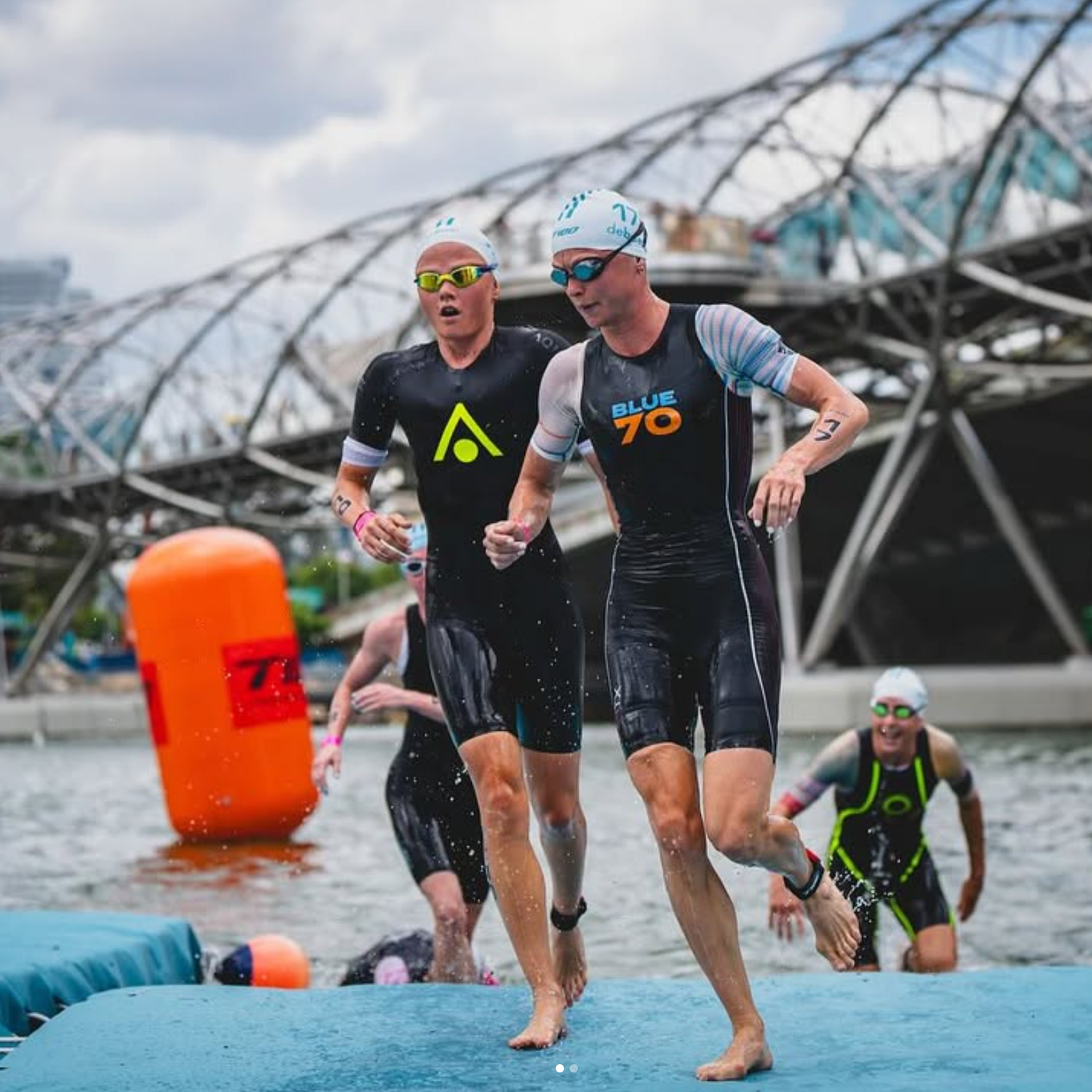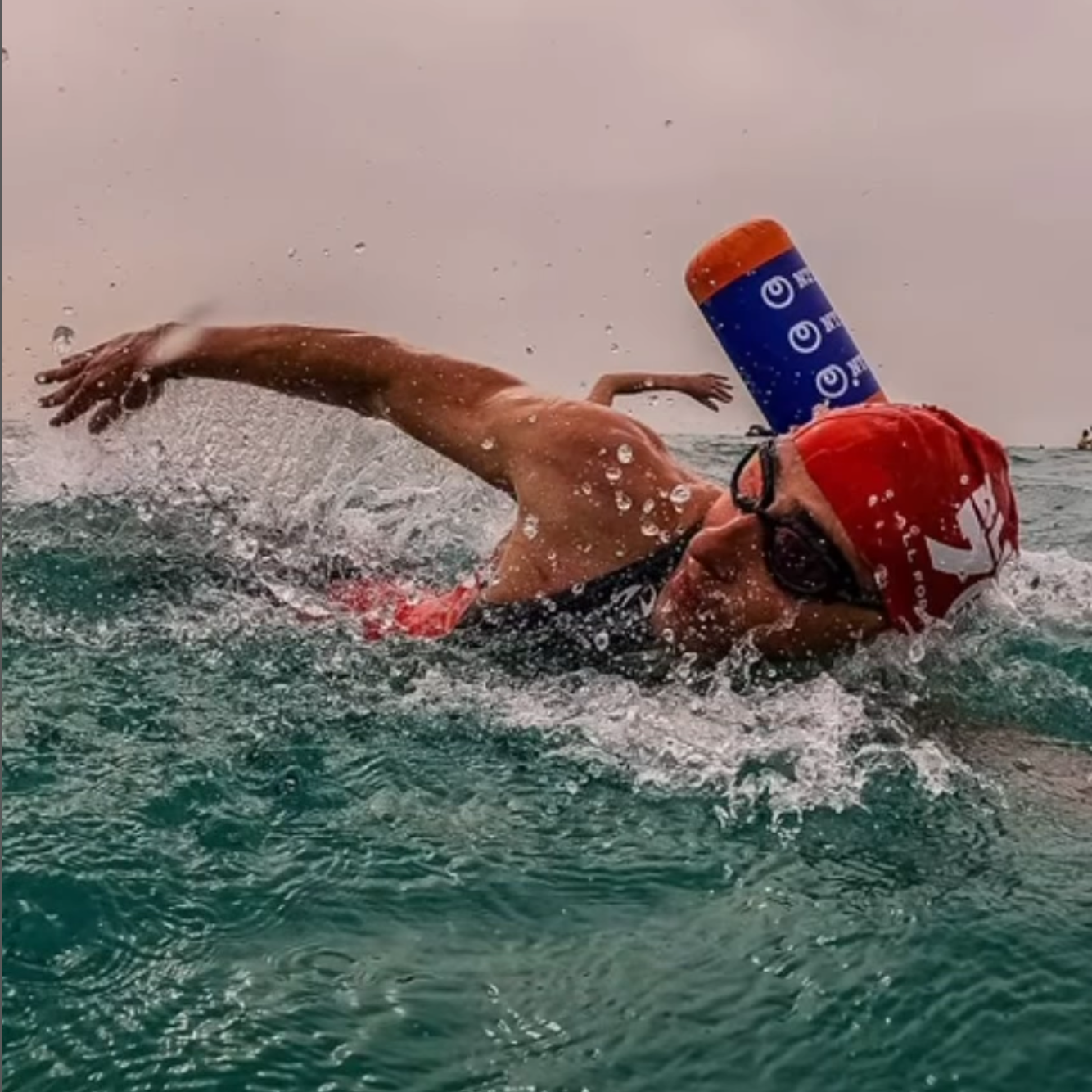



A cold swim ends. You unzip your wetsuit and pull a changing robe over your shoulders. The robe has a waterproof shell, so you expect to warm up. Instead you stay damp and shivery. The problem is the water you brought inside with you.
A swim wetsuit works because it lets a thin layer of water under the suit. Your body heats that layer, and the neoprene slows heat loss. A changing robe works when it blocks wind and lets moisture escape. Search for "wetsuit changing robe waterproof" and you get two jobs rolled into one phrase. The wetsuit job depends on water. The robe job depends on moving that water off your skin and out of the fabric.
The sequence that makes any changing robe work after open water swimming matters more than the shell's waterproof rating.
Your wetsuit is wet by design
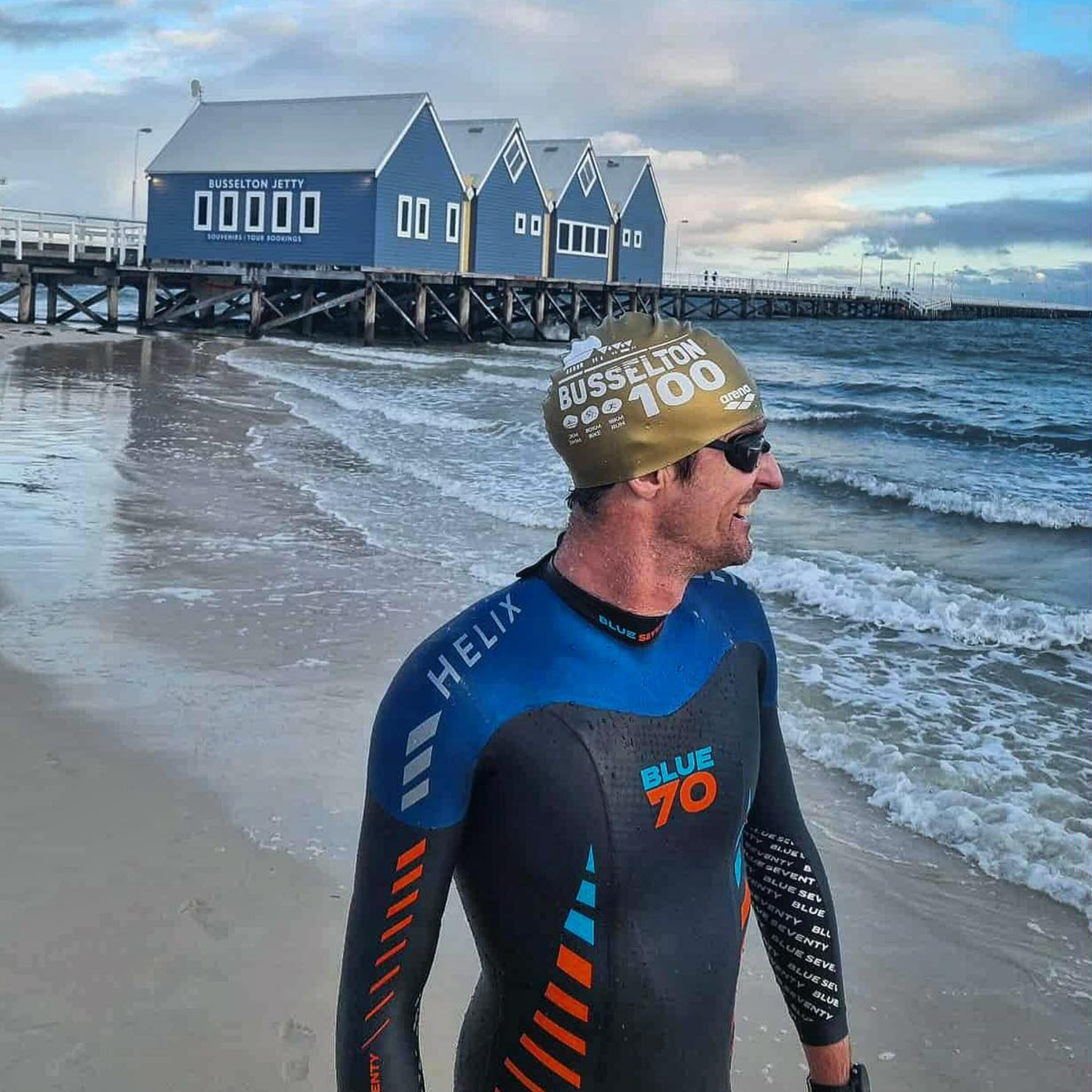
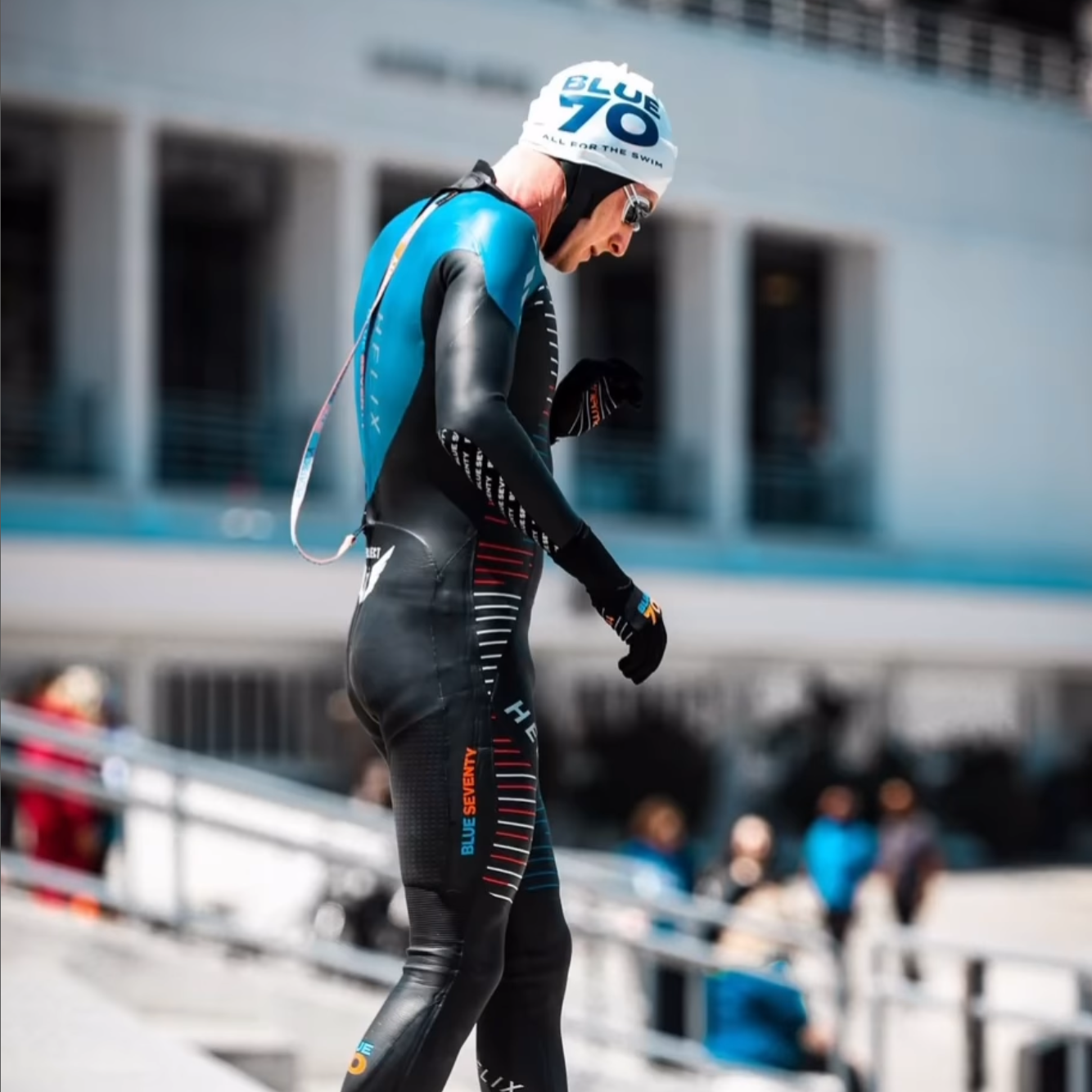
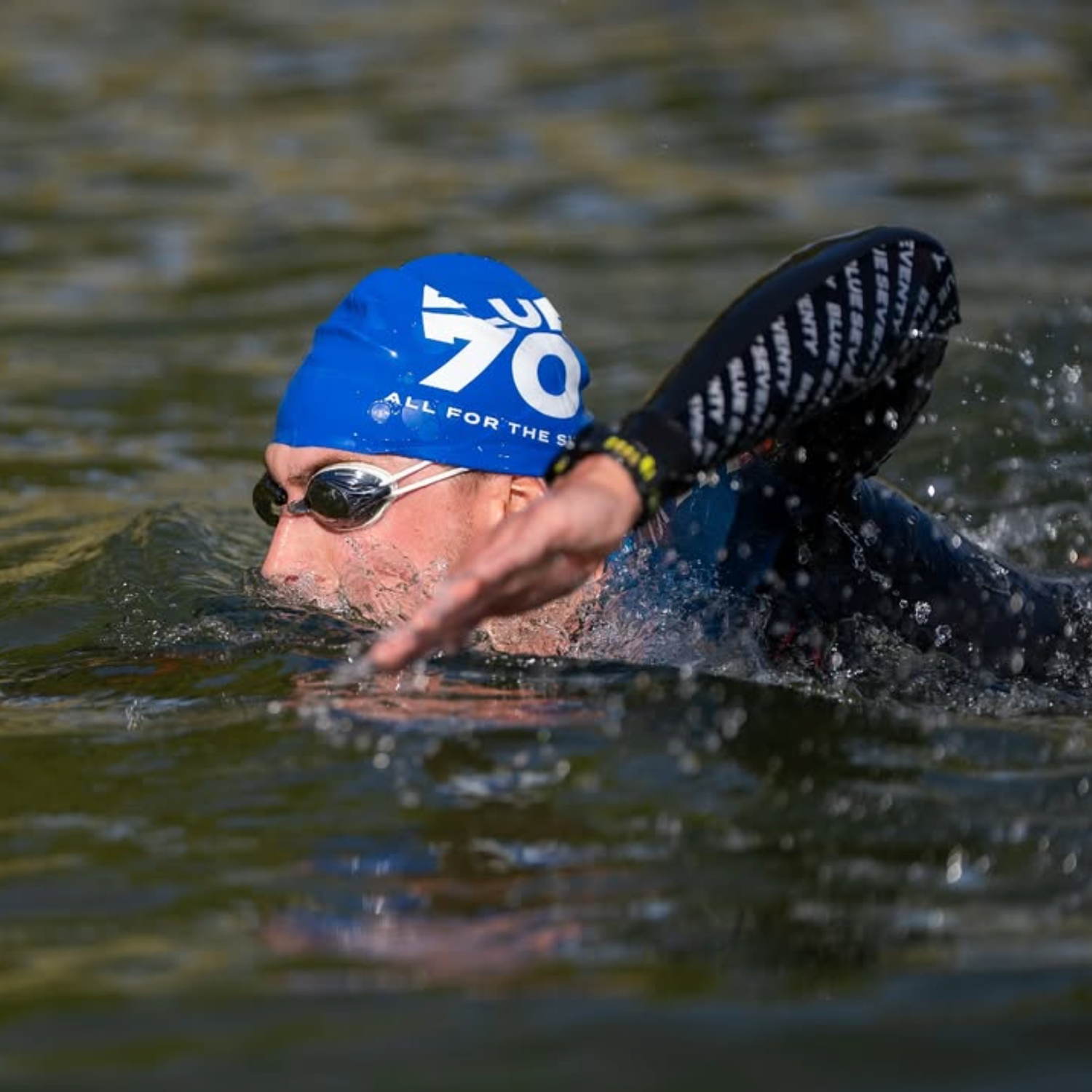
Unlike a drysuit, a swim-specific wetsuit lets water in on purpose. That water forms a thin layer between your skin and the neoprene. Your body warms it, and the neoprene slows heat escaping into the surrounding water. blueseventy wetsuits are cut for swimming and designed around this water layer. The neoprene grades in blueseventy wetsuits, Yamamoto 38, 39, and 40 cell, are selected for shoulder mobility and body position rather than for a watertight seal.
When you leave the water, that same layer stops helping. The water that kept you warm while swimming now sits next to your skin. Moving air pulls heat away from wet skin faster than still air. Evaporation adds a second cooling path. If you pull a waterproof shell over a wet wetsuit and stand still, you block the wind. You also trap the moisture inside.
This is why the changing robe question is really a transition question. Open water swimmers and triathletes already understand transitions. The same mindset that gets you through T1 faster also gets you dry and warm after a training swim.
What a waterproof shell does and does not do
In outdoor gear, waterproof means a fabric with a membrane or coating and taped seams. The shell sheds rain and blocks wind. It does not stay sealed forever. Salt, sunscreen, pool chlorine, and repeated folding break down the coating over time.
Water-resistant is a lighter claim. It sheds light rain for a short period. A changing robe used near salt water and chlorinated pools loses repellency faster than a jacket worn to the office. The label is a starting point, not a permanent condition.
The detail swimmers miss is the tradeoff. A waterproof shell resists water from outside and also resists moisture from inside. Your breath, your sweat, and the water on your suit all produce vapor. If the robe has a sealed shell with no venting and a thick, absorbent lining, that moisture stays near your skin. The robe becomes a humid pocket, and you stay cold inside what looks like warm gear.
The sequence that beats the shell
The fastest way to get cold is to stand in the wind with the wetsuit half off. The fastest way to warm up is to remove the wet suit, dry the skin, and cover the head and feet.
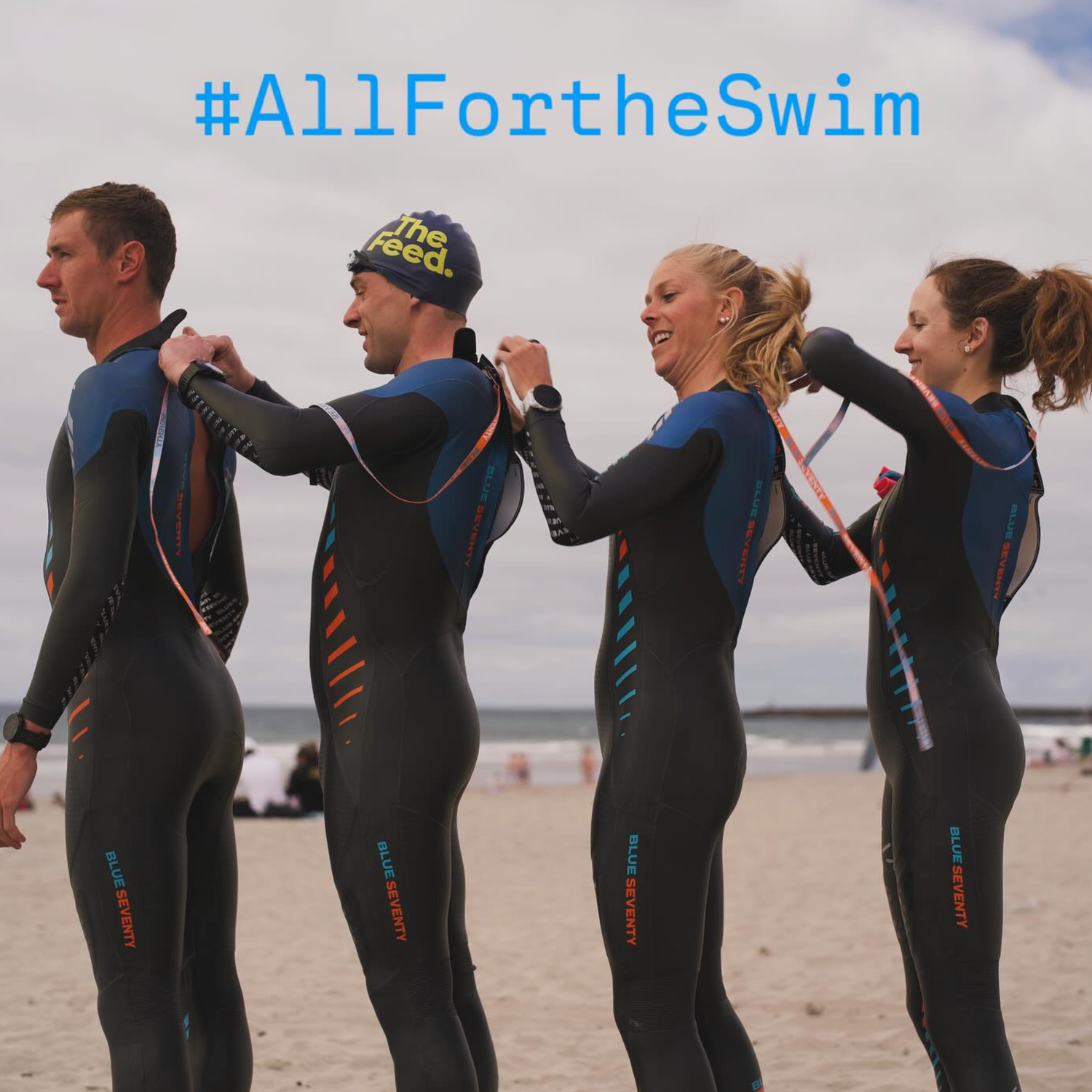
- Unzip the wetsuit and peel the top down to your waist before you start shivering. This frees your shoulders and lets you move your arms while you handle the rest.
- Keep the robe over your shoulders or around your back as a wind block. Do not seal it over the wet suit.
- Sit on a mat or on the dry side of the robe. Remove the legs one at a time.
- Use a small microfiber towel to dry your torso, legs, and feet before you pull on base layers.
- Put on socks and a hat before you worry about your core layer. Wet feet lose heat quickly against cold ground. A bare head loses heat quickly in moving air.
- Only after you are dry and in a base layer should you close the robe.
At that point the robe works as a warm, windproof layer. Closing it early traps the wet wetsuit water against your skin.
Choosing a changing robe for open water
Start with the shell. A windproof, water-resistant outer with taped seams works for the wind and light rain you get after an open water swim. Full waterproofing helps in heavy rain but matters less than the lining and ventilation.
The lining should dry fast. A thick cotton towel lining holds water and feels cold. A synthetic or fleece lining wicks moisture away from your skin and works better after a swim. The lining also needs to feel soft against cold skin.
Length and shape matter more than they look. The robe needs to cover you below the knees so you can change out of a wetsuit in a car park. It also needs enough room through the shoulders to pull your arms inside. The same shoulder mobility that matters in a blueseventy wetsuit matters in the robe. If you cannot lift your arms inside the robe, changing takes longer. A hood and a high collar cut wind at the neck, where cold air finds the gap between robe and skin.
Venting is the feature people skip. A two-way zip or a rear vent lets water vapor out after you have dried off. Without that exit, the waterproof shell you bought for rain becomes a humid pocket.
Pockets are practical. You need somewhere to put your goggles, cap, earplugs, and car key while you change. A fleece-lined pocket adds a little hand warmth.
Care keeps the system working
A wet wetsuit does not belong inside a changing robe. After you change, rinse the wetsuit with fresh water and hang it to dry away from direct sun and heat. Do not leave it balled up in the robe or in a backpack overnight. Salt, chlorine, and trapped moisture break down neoprene over time. A robe that never dries after a saltwater swim holds odor and loses its water-resistant finish faster than one that gets a fresh-water rinse and a full dry in moving air.
The robe needs the same fresh-water rinse after salt or pool swims. Let the lining dry before you pack it. The waterproof coating wears down and needs periodic refreshment. Follow the care label for the robe you own. Some finishes need a low-heat dryer cycle, others need a wash-in treatment.
Treat the robe as the last step in a system. The wetsuit got you through the swim. The robe gets you through the parking lot. The towel, base layers, hat, and socks do the actual warming.
The short version
If you search "wetsuit changing robe waterproof," separate the two jobs. The wetsuit needs to fit well and allow the right thin layer of water inside. The changing robe needs to block wind, shed rain, and let the water you bring in escape. A sealed shell alone leaves you with the water you brought in. Dry skin, dry head, dry feet, then warm layers do the warming.
The robe question is a transition management question. Open water swimmers and triathletes already know how to move from one state to the next without wasting heat. Apply the same thinking to the beach, the lake, or the race morning car park.
If you are still sorting out the suit that goes under the robe, start with the blueseventy fit guide. A suit that fits well comes off faster, and a faster exit leaves less time for the cold to catch you.
All for the swim.