


Most triathletes ask about wetsuit speed as if it were one clean number. It rarely works that way in open water. The bigger story is when the speed shows up and why it tends to matter more in the second half of the swim than in the first few hundred meters.
A swim-specific triathlon wetsuit is designed to improve hydrodynamics by supporting a better position in the water and helping reduce drag. That matters right away, but the more interesting effect comes later, once fatigue, sighting, contact, and race nerves start to interfere with good mechanics. For many athletes, the real gain is not a sudden jump in top speed. It is the ability to hold usable form for longer.
That distinction changes how you should think about wetsuit choice, race preparation, and even your expectations on race day. If you understand where the time comes from, you make better decisions about fit, buoyancy, shoulder mobility, and which suit belongs in your training week.
Body position is the first place speed shows up
In triathlon swimming, drag punishes small flaws quickly. When the hips ride low and the legs sink, you move through the water at a worse angle. Each breath can exaggerate that problem. Each sighting stroke can make it worse again. You are no longer putting your effort into forward travel alone. You are paying an energy tax to keep the body level.
This is where a swim-specific wetsuit changes the picture. Neoprene adds buoyancy, and smart buoyancy placement helps lift the hips and legs into a cleaner line. BlueSeventy has long framed this simply: buoyancy equals speed. That phrase is useful because it points to the right mechanism. The suit does not hand out free fitness. It improves the platform under the stroke you already own.
For many age-group triathletes, that is the first meaningful gain. You stop fighting posture, and the water feels less expensive.
Why newer swimmers often notice the biggest jump
BlueSeventy’s published guidance notes that beginners usually gain proportionally more from a wetsuit than advanced swimmers. That makes sense once you watch what happens in open water.
A newer swimmer often brings two habits into a race:
- the hips and legs sit too low
- breathing and sighting disrupt balance every few strokes
A wetsuit helps both. It supports the lower body and reduces the effort required to stay level while the swimmer breathes, sights, and settles into rhythm. The result is not a miracle. It is a cleaner mechanical starting point.
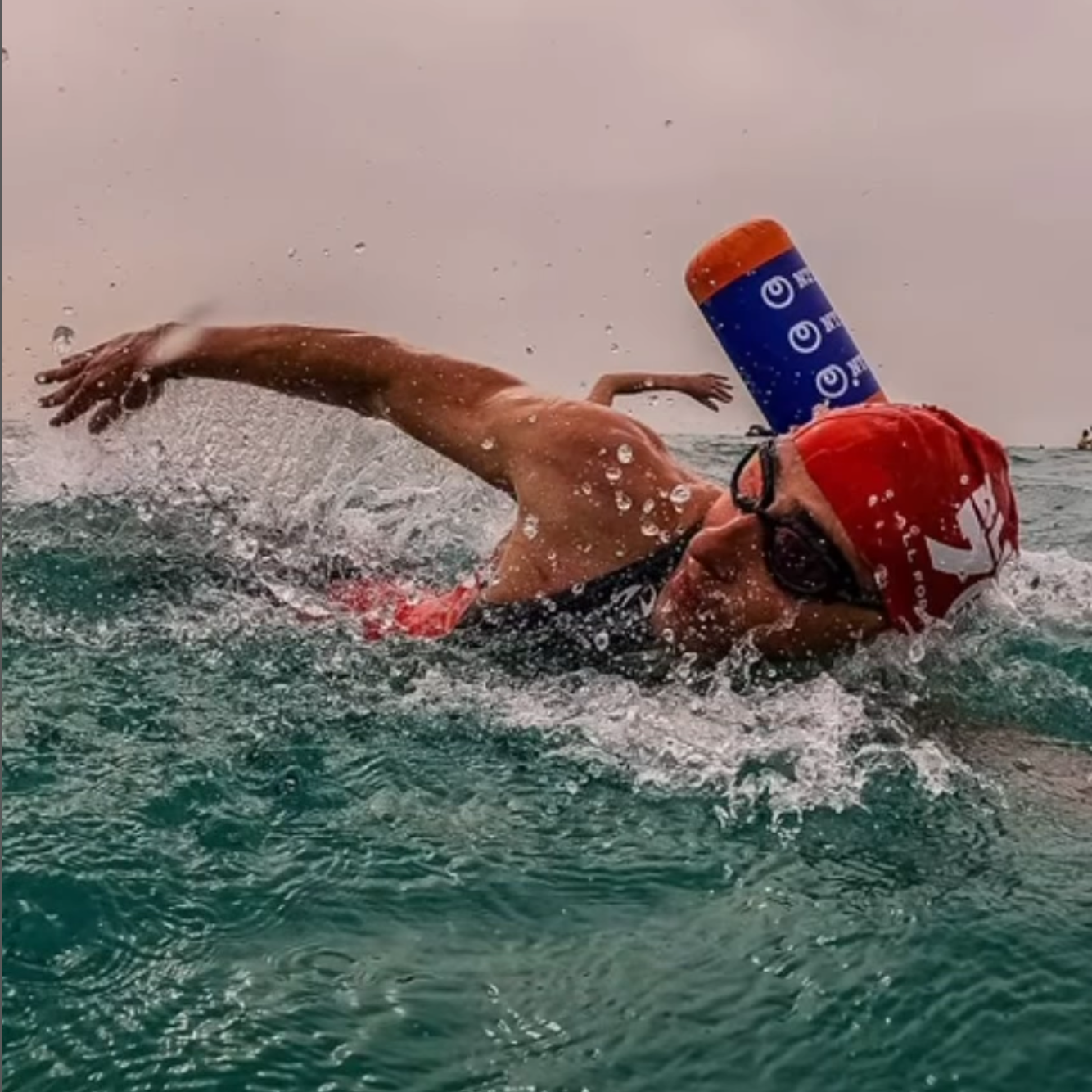
Stronger swimmers benefit too, but their gain often looks different. They may already swim with a solid body line in calm conditions. Their wetsuit advantage tends to grow when open-water variables start to pile up: chop, crowding, cold water, or a hard opening pace. In that situation, the suit helps preserve form that was already present.
The time gain often grows as fatigue sets in
This is the part that gets missed in most wetsuit discussions. The speed difference is rarely flat across the whole swim.
Early in the race, a fresh athlete can muscle through minor flaws. Later, those flaws get expensive. The kick gets wider. The head lifts too high to sight. The catch gets shorter. The hips begin to trail. Each one adds drag, and drag compounds once posture starts to unravel.
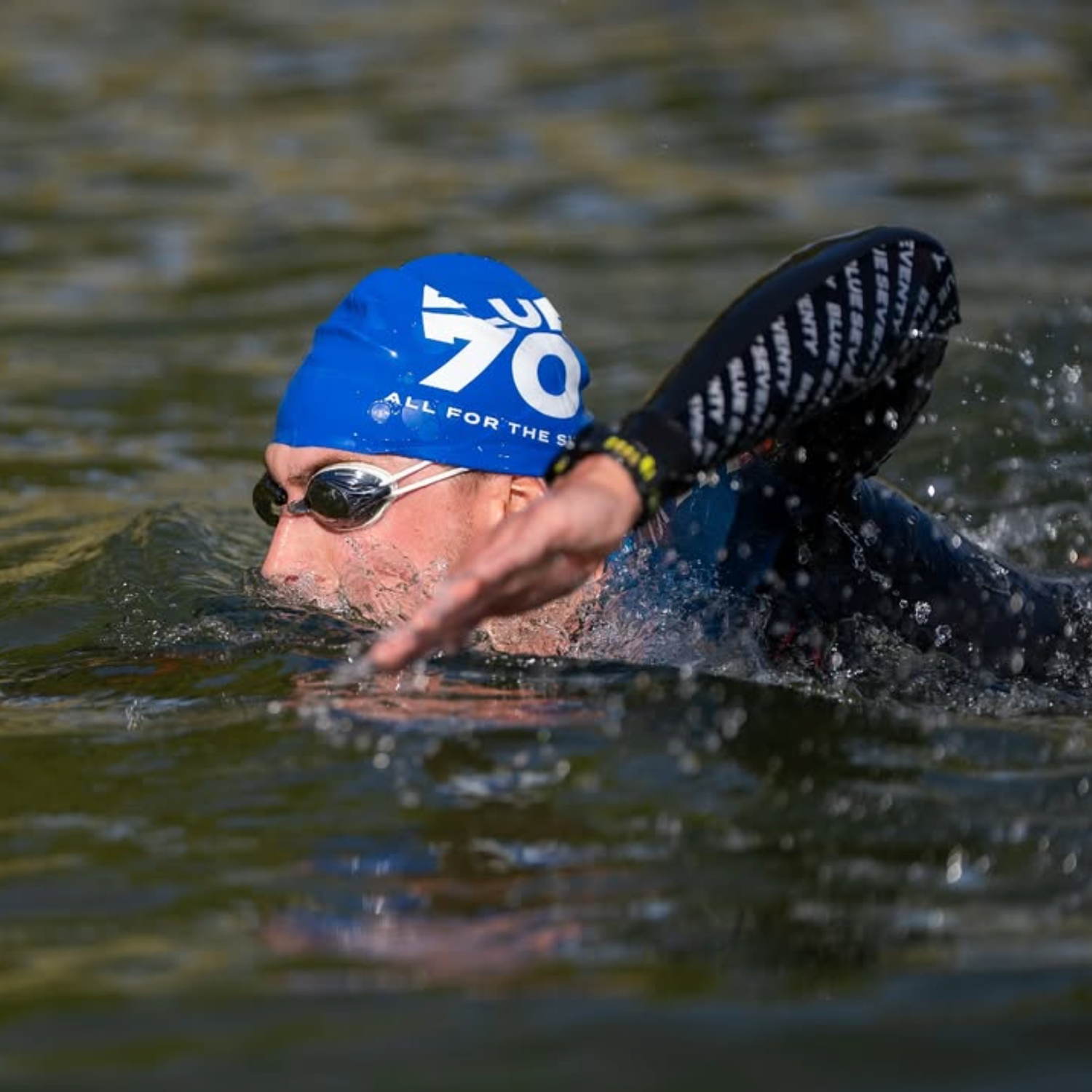
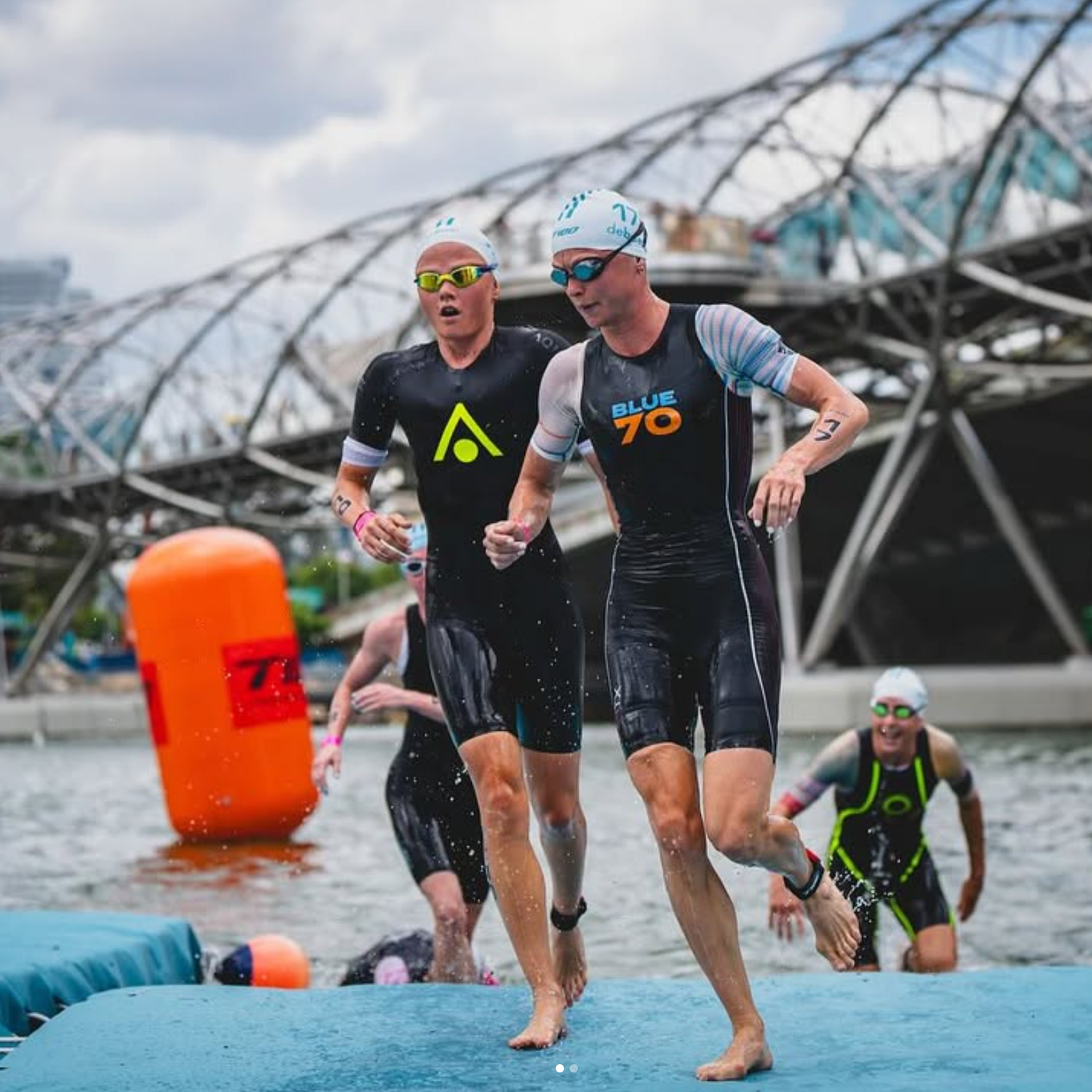
A well-fitted swim-specific wetsuit can slow that breakdown. It helps support body position after the swimmer stops holding that position perfectly on their own. It also reduces the cost of interruption. Every time you sight, absorb contact, round a buoy, or swim through uneven water, your stroke gets challenged. A suit that helps you reset quickly can preserve pace later in the swim, when races often start to spread out.
That is one reason a wetsuit can feel more helpful in a real race than in a short pool test.
Buoyancy placement matters more than athletes think
Athletes often say they want more buoyancy. That is too blunt an idea to be useful. Where the buoyancy sits matters as much as how much buoyancy you feel.
The goal is not to float higher in a vague sense. The goal is to support a more effective line through the water without making the stroke feel awkward or disconnected. If lift appears in the right areas, the suit can help the hips stay high and the body rotate cleanly. If the feel is wrong for that swimmer, the catch can lose precision and timing can get messy.
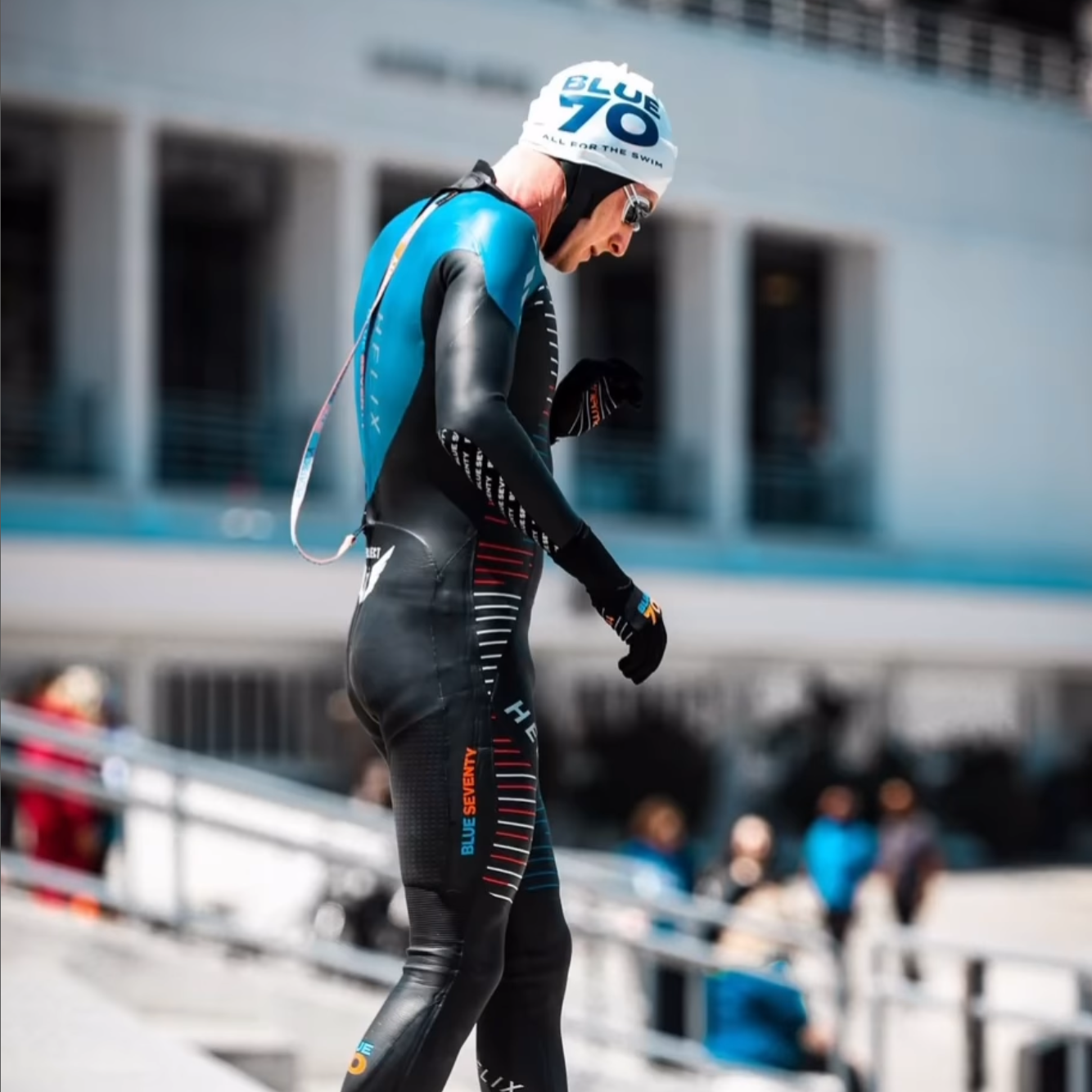
BlueSeventy’s design history reflects that more detailed approach. The Helix added LIFT buoyancy panels in 2018, and it carries the permeable catch panel first introduced in 2010 to preserve feel for the water. Those are not random features. They point to a view of speed that includes lift, body alignment, and stroke connection in the same conversation.
Shoulder freedom decides more than many triathletes realize
Lower-body buoyancy gets most of the attention, but plenty of race-day speed is lost at the shoulders.
If the shoulders feel loaded, your hand entry changes. Extension shortens. The catch loses shape. Fatigue arrives earlier than it should. Those losses are small per stroke and large over distance. A suit that looks fast on a product page can feel slow if the swimmer never gets proper range of motion in the water.
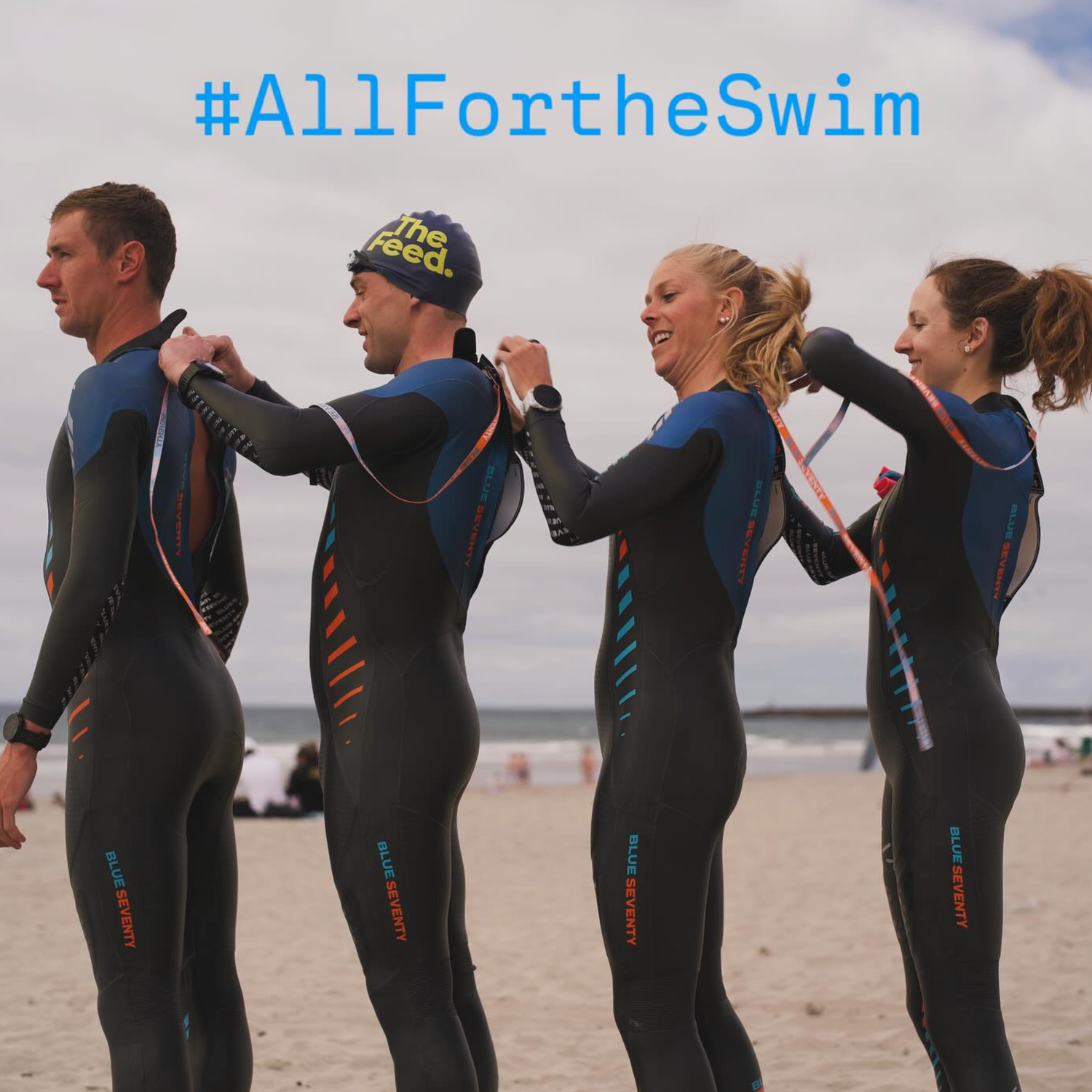
This is why fit matters so much. BlueSeventy’s fit guidance is straightforward: the suit should feel snug on land and more comfortable in the water. But that only holds true if the suit is put on correctly. If the material has not been worked high enough through the calves, quads, hips, and shoulders, the swimmer creates artificial restriction before the race has even started.
That is good news, because setup errors are fixable.
Three donning mistakes that cost speed
- Leaving excess material low in the legs, which keeps the suit from sitting high enough through the torso
- Zipping up too early before the hips and shoulders are fully adjusted
- Judging shoulder restriction on dry land instead of after a proper water test
Modern wetsuit design changed the meaning of speed
Older wetsuit conversations often stopped at a simple formula: more buoyancy means less drag, and less drag means a faster swim. The broad idea still holds, but the design problem has become more precise over time.
BlueSeventy’s history shows that evolution clearly. The company was founded in 1993 as Direct Innovations and developed one of the world’s first triathlon wetsuits. In 2005, the Helix became the flagship model. In 2010, the Helix gained its permeable catch panel. In 2015, the line added a purpose-built cold-water model. In 2018, LIFT panels were added to the Helix. In 2021, the Fusion received a lower-sitting neckline for comfort without losing the seal.
That timeline matters because it reflects a better definition of race-day performance. A strong wetsuit does more than help a swimmer float. It supports body position while preserving timing, feel, shoulder mobility, and comfort over race distance.
Wetsuit speed is also error control
Open-water swimming rewards athletes who make fewer expensive mistakes. A wetsuit can help on that front in ways that do not always show up in a simple conversation about pace.
A well-matched suit can reduce the urge to overkick just to keep the legs near the surface. It can make sighting less disruptive. It can help a swimmer settle more quickly after contact. In colder water, added thermal protection can help the athlete stay composed enough to swim with better control. Those are not flashy gains, but they count.
That is why the difference often feels larger in rough or crowded water than in a clean lane. The suit is helping the swimmer preserve useful mechanics when conditions stop being tidy.
Water temperature changes the performance picture
Temperature should shape wetsuit choice because temperature shapes stroke quality. Below about 56 to 58°F, BlueSeventy recommends a purpose-built thermal suit for added warmth. In that part of the range, the Thermal Reaction uses a full Zirconium jersey lining and is built for cold-water swimming. Above about 70 to 72°F, a full suit can become too warm over longer swims, and a sleeveless option often makes more sense.
The fastest setup is the one that lets you keep your stroke intact for the full swim. If you are cold, you tense up and shorten the stroke. If you get too warm, effort drifts upward and pacing gets sloppy. Both cost time.
The fastest suit for the season is not always the top race suit
Some athletes assume the answer is always the most race-focused model available. That misses how training actually works.
The Helix, listed at $995 in BlueSeventy’s verified US catalog dated 2026-07-25, is the flagship race suit. It is built for total race-day performance, with thin, flexible neoprene in the arms and shoulders, a permeable catch panel, and LIFT buoyancy panels. BlueSeventy also states plainly that the thin neoprene is not ideal for heavy training use because it will break down more quickly.
That trade-off matters. Athletes who swim in open water regularly often get better season-long value from a suit they can train in with confidence. The Reaction, listed at $680, is recommended for frequent, longer swims. The Fusion, listed at $420, is recommended for shorter frequent swims and remains a best seller. The Sprint, listed at $325, gives first-time triathletes a swim-specific entry point without pushing the budget too far.
Consistency matters. A suit you train in often teaches you how it feels when you sight, surge, and remove it in T1. That familiarity helps on race day.
How to figure out where your own speed gain will come from
Most athletes fall into one of four patterns:
- Low body position: the biggest gain comes from lifting the hips and legs and reducing drag right away.
- Late-swim fade: the biggest gain comes from holding form longer as fatigue builds.
- Cold-water tension: the biggest gain comes from added thermal protection that helps preserve relaxed mechanics.
- Efficient swimmer seeking race support: the gain is smaller in pure pace terms but still meaningful in rhythm, confidence, and control.
If you know which group sounds like you, wetsuit choice gets easier.
Three practical ways to get more speed from your current suit
- Put it on with patience. Pull the material high through the legs, hips, and shoulders before you zip up. Most restriction problems begin here.
- Test it at race effort. Include hard starts, sustained swimming, and repeated sighting. Easy cruising does not reveal enough.
- Match the suit to the conditions. Use water temperature, swim duration, and your own stroke mechanics to guide the choice.
Choosing the right BlueSeventy path
If your priority is top-end race-day performance, the Helix sits at the top of the line. If you train often in open water and want a stronger balance of performance and long-term use, the Reaction is a smart place to look. If you want a versatile suit with swim-specific design and strong value, the Fusion covers a lot of athletes well. If warmer water or easier shoulder movement is the main concern, a sleeveless option may fit the job better.
The right answer depends on how you swim, how often you train, and what temperatures you actually face.
Triathlon wetsuit speed difference is not one number. It is the sum of better body position, lower drag, fewer costly mistakes, and a stroke that holds together deeper into the swim. When those pieces line up, the result feels less like free speed and more like a swim that finally makes sense.
If you want help dialing in fit, start with the size charts or the fitting guide. If you want to test your suit before race day, BlueSeventy’s Take a Test Swim policy lets you swim in it and still return or exchange it, provided the suit comes back clean, dry, and unmodified.