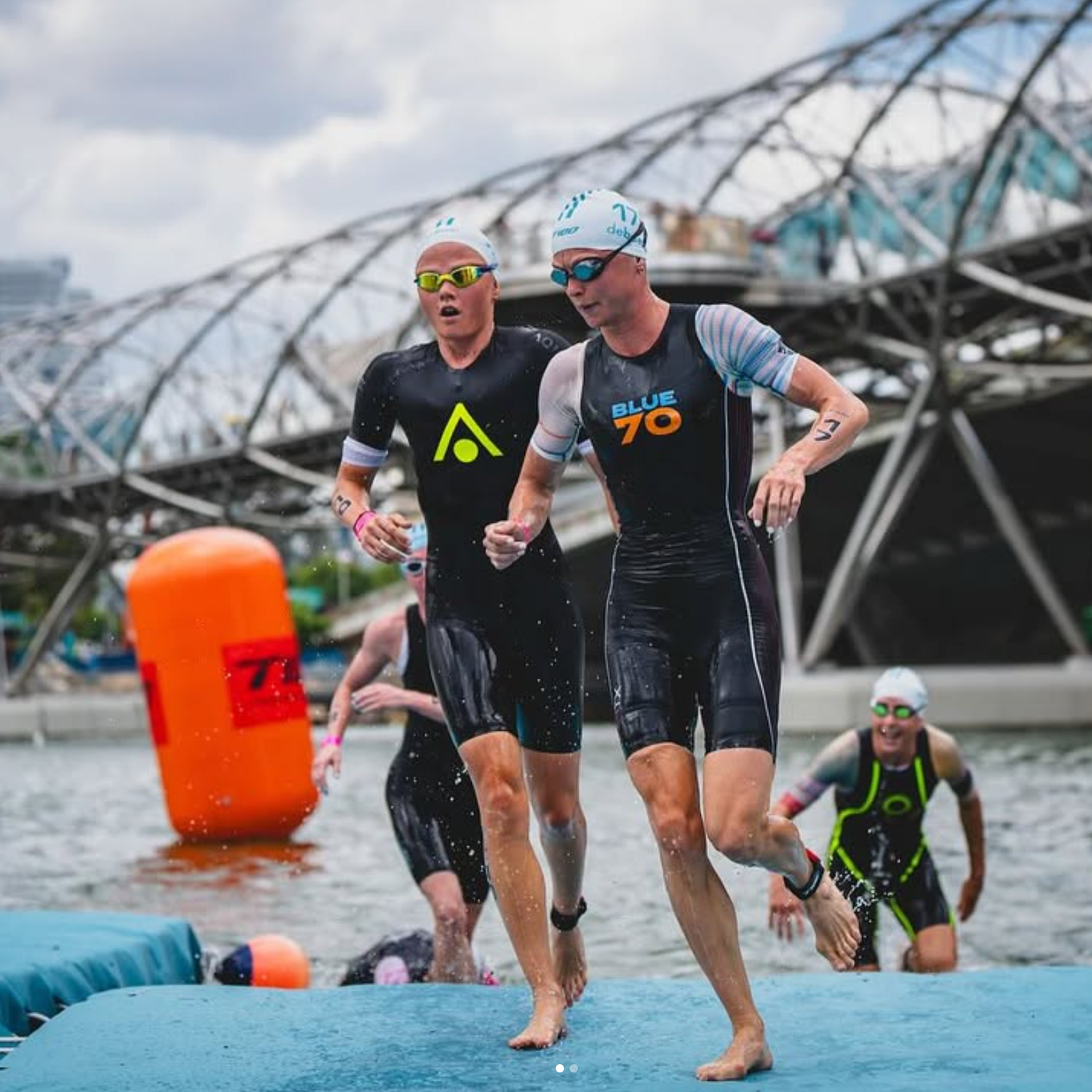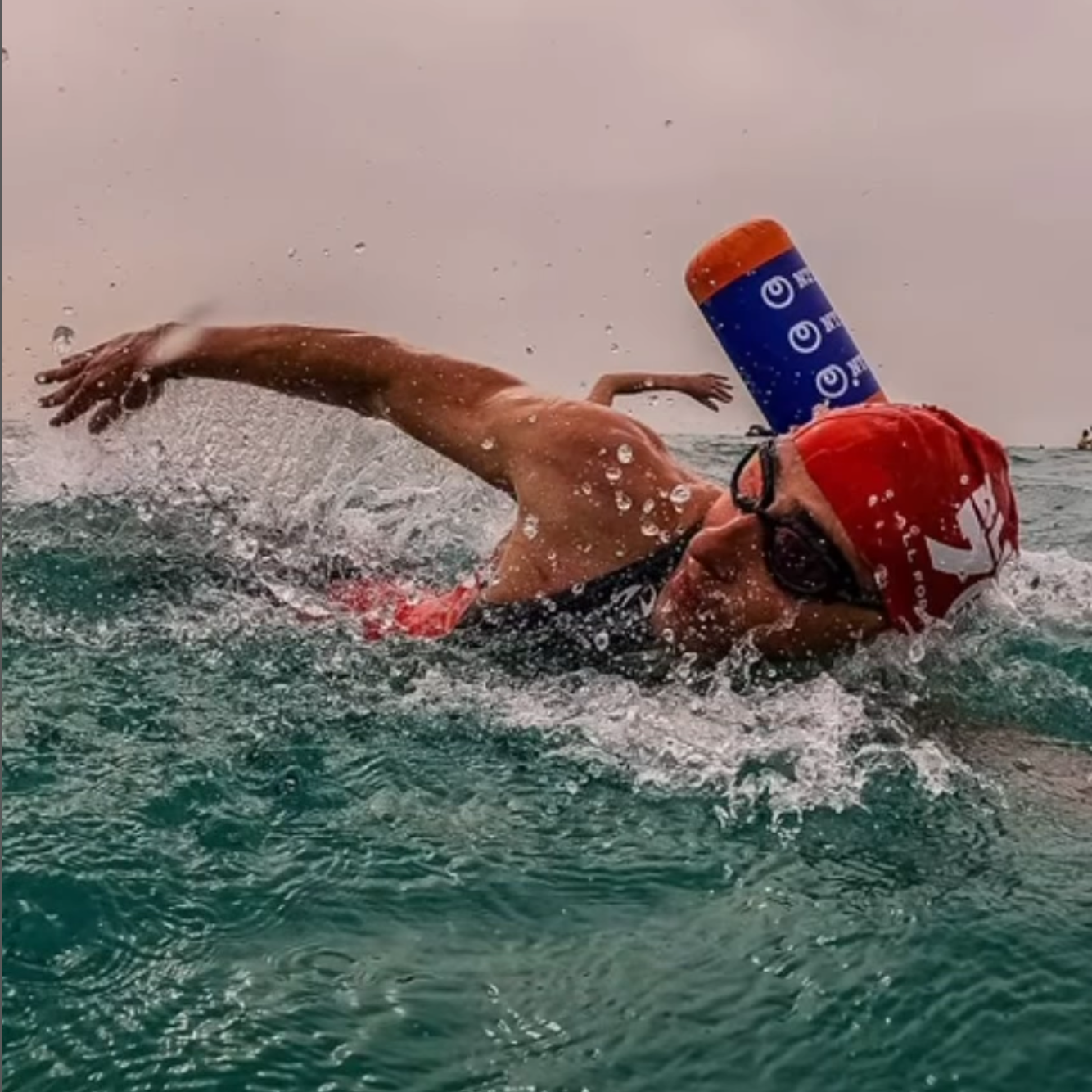



Most athletes think of a neoprene repair kit as something you buy after a problem shows up. A small nick in the forearm, a split at the ankle, a panel edge that starts to peel back a little-then suddenly repair matters.
But if you spend real time in open water, train consistently in a wetsuit, or race often enough to know how quickly race week arrives, it helps to see repair differently. A neoprene repair kit is not just a backup plan. It is part of taking care of performance gear that has a specific job to do in the water.
That job is more precise than many swimmers realize. A swim-specific wetsuit is built around flexibility, buoyancy, fit, and freedom from restriction. Every panel matters. Some areas are designed to move easily through the shoulders and arms. Others help support body position through the hips and legs. When small damage starts to affect those panels, the issue is not always dramatic-but it rarely gets better on its own.
That is why the real value of a repair kit is not just extending the life of your suit. It is preserving the way the suit feels, fits, and performs when you are swimming hard.
Repair Is Not Just About Durability
There is a tendency to think of wetsuit repair as a maintenance chore, somewhere in the same category as replacing an old goggle strap or rinsing salt off your gear after a long swim. That is part of it, but only part.
A better way to think about it is this: repair protects function. If a small tear changes the way a panel stretches, or if a rough edge keeps catching every time you pull the suit on, that can affect much more than appearance. It can change how the suit settles on your body, how confidently you handle it, and how much you trust it heading into a race.
For swimmers and triathletes, confidence in gear matters. The less you think about your wetsuit once the swim starts, the better. You want your attention on rhythm, sighting, pacing, and the next buoy-not on whether that little split near the cuff is going to worsen when you climb into the suit at 6:15 on race morning.
The Overlooked Performance Angle
The most interesting part of wetsuit repair is also the part that gets the least attention: its connection to performance.
Swim-specific wetsuits are engineered to help maintain a more effective body position in the water. The materials and panel placement are chosen to balance flexibility with buoyancy. Blue70 wetsuits use Yamamoto neoprene in 38, 39, and 40 cell constructions, where higher cell numbers correspond with greater flexibility. Those choices are not cosmetic. They shape how the suit moves with your stroke.
When a repair is done poorly, that balance can be disrupted. Too much adhesive can leave a section feeling stiff. Misaligned edges can create drag or awkward tension in the panel. A repair that looks “good enough” on land may feel entirely different once the suit is stretched in the water.
This matters most in high-motion areas:
- Shoulders and upper arms, where flexibility helps reduce fatigue
- Forearm zones, where swimmers care about feel for the water
- Hips and thighs, where fit and buoyancy help body position
- Lower legs and ankles, where clean construction helps with quick removal in T1
That is why a neoprene repair kit is more than a fix-it item. Used well, it helps preserve the purpose of the suit.
Why Good Athletes End Up Needing Repair Kits
It is easy to assume repair kits are mainly for older suits or for swimmers who are rough on their gear. In practice, experienced athletes often need them more.
The reason is simple. The more you swim, the more often you handle your wetsuit. The more often you handle it, the more chances there are for minor damage to happen.
Serious swimmers and triathletes tend to:
- Put their wetsuit on and take it off more often
- Travel with their gear more frequently
- Use their suit through both training and racing blocks
- Stress high-flex areas repeatedly
- Notice small fit or panel changes earlier than occasional users
Blue70 has always been candid about the trade-offs in wetsuit design. The Helix, for example, is built for total race-day performance, with extremely flexible neoprene in the arms and shoulders, a permeable catch panel that helps preserve feel for the water, and LIFT buoyancy panels. That same thin, highly flexible construction is one reason it is not the ideal choice for heavy training use.
That is not a flaw. It is simply the reality of performance design. Materials that deliver exceptional freedom from restriction deserve careful handling, and that makes basic repair knowledge part of being a smart wetsuit owner.
The Damage Most Swimmers See First
Most neoprene damage is not dramatic. It usually happens during ordinary handling, often when the athlete is in a hurry.
Fingernail Punctures
These are among the most common. A swimmer pinches the suit while pulling it up the legs or into the shoulders and catches the neoprene with a nail. At first it may look like nothing more than a tiny mark. After a few more uses, it becomes a small tear.
Heel Tears
This usually happens at the ankle opening while putting the suit on too quickly. The foot goes through at the wrong angle, the heel snags the neoprene, and the result is a split that could have been avoided by slowing down for a few seconds.
Forceful Zipper Use
If the suit is not sitting high enough through the hips and torso, athletes sometimes try to solve the problem by pulling aggressively on the zipper. That is rarely the right fix and can create avoidable damage.
These problems are common enough that they are worth planning for. Blue70’s warranty covers manufacturing and materials defects for one year for the original owner, but it does not cover fingernail punctures, heel tears, zipper damage from force, heat or chlorine damage, or normal wear and tear. In other words, how you handle the suit matters.
What to Keep in a Neoprene Repair Kit
A good repair kit does not need to be complicated. Most swimmers only need enough to handle minor damage quickly and neatly.
A practical kit includes:
- Neoprene cement
- Disposable gloves
- A clean, dry work surface
- A soft cloth
- Small applicators if needed
- Masking tape for careful alignment on small repairs
- A hanger and a ventilated place to let the suit dry and cure
Blue70 carries wetsuit care products, including Aquaseal neoprene cement, which is a useful option for minor neoprene repairs.
When to Repair It Yourself
Not every issue requires the same response. Some damage is well suited to a simple at-home repair. Some is better handled more cautiously.
Usually Fine for DIY Repair
- Small surface nicks
- Short, clean tears in a neoprene panel
- Tiny splits that have not spread
- Minor damage near cuffs if the surrounding material is still solid
Pause Before You Start
- Tears that cross a seam
- Zipper problems
- Damage in a high-stress area that widens when stretched
- Repeated failure in the same spot
- Wear caused by heat, chlorine, or long-term breakdown
If you are unsure, it is better to ask first than to make a messy repair that changes how the suit fits or performs. Blue70 support resources are there to help, and the fit guide is also useful if the real problem is how the suit is being put on rather than damage to the material itself.
How to Handle a Minor Neoprene Repair
Always follow the instructions for the specific repair product you are using, but the basic process is straightforward.
- Clean and dry the area completely. Salt, sand, sunscreen residue, and moisture all make for a weaker repair.
- Bring the edges together carefully. The goal is clean alignment, not overlap.
- Apply a small amount of adhesive. Too much can create stiffness.
- Let the adhesive tack if directed. Many neoprene cements work best this way.
- Press the edges together precisely. Take your time. Good alignment matters.
- Allow the repair to cure fully. Do not rush this part, especially before a swim.
- Flex the area gently before your next session. Make sure it moves naturally and stays closed.
A clean repair should help the panel remain functional, not simply hold it together.
The Best Time to Repair a Wetsuit Is Not the Night Before a Race
This is one of the most common mistakes triathletes make. They pull their suit out a few days before racing, notice a small tear from the last open-water session, and decide to deal with it at the last possible moment.
Sometimes that works. Often it creates unnecessary stress.
A better system is simple:
- Inspect your wetsuit after each open-water swim
- Deal with small damage early
- Let any repair cure fully
- Test the suit before race day if possible
This is especially important for race-oriented suits. A wetsuit that feels great on the start line only gets there because the small details were handled earlier.
Prevention Still Matters Most
The smartest repair strategy is always to reduce the need for repairs in the first place.
- Use the pads of your fingers, not your nails, when pulling the suit into place
- Get the suit high enough on the body before deciding it feels tight in the shoulders
- Slow down at the ankles to avoid heel tears
- Do not force the zipper if the suit is not seated correctly
- Rinse thoroughly after every swim to remove salt, chlorine, and grit
- Dry and store the suit carefully, away from excessive heat and unnecessary creasing
These are simple habits, but they have a direct effect on how long a wetsuit remains comfortable and race-ready.
Different Wetsuits, Different Maintenance Habits
A suit used once or twice a week for regular open-water training will need a different maintenance mindset than a suit reserved mainly for racing.
For frequent use, durability becomes part of the conversation. Blue70’s model guidance reflects that: athletes swimming regularly are often well served by the Reaction for longer swims or the Fusion for shorter frequent sessions. Those recommendations are grounded in the balance between performance and repeated use.
Race-day suits need their own kind of care. Even if they spend fewer total hours in the water, they are more likely to be packed, unpacked, hurried through transitions, and handled under pressure. That means inspection and careful storage matter just as much as raw swim time.
For Frequent Training Use
- Check cuffs, ankles, and high-stretch areas regularly
- Rinse after every swim
- Repair small issues as soon as they appear
- Keep the suit clean and dry between sessions
For Race-Focused Use
- Inspect before and after travel
- Practice wetsuit removal for T1 without rushing
- Test the suit before race week
- Do not leave repair work until the final days before an event
A Repaired Suit Can Still Be a Fast, Trustworthy Suit
The first small nick in a new wetsuit can feel like a disaster, especially when you know how much thought goes into choosing the right suit. In reality, a minor repair is usually just part of using performance gear regularly.
What matters is how you respond. Address small damage early. Keep the repair neat. Respect the way the panel is meant to function. And be honest about when an issue needs more than a quick fix.
A wetsuit does not need to be visually perfect to perform well. It needs to fit correctly, move naturally, and be cared for with some consistency.
Final Takeaway
A neoprene repair kit is not just an emergency purchase for worst-case scenarios. It is part of a practical, performance-minded gear setup for swimmers and triathletes who want their wetsuit to stay reliable, comfortable, and ready for the next session.
Used well, it helps preserve panel integrity, maintain fit, and protect the feel of the suit in the water. More importantly, it keeps small issues from becoming bigger ones at exactly the wrong time.
If you want to get more out of your wetsuit, do not wait for obvious damage. Inspect it regularly, handle it carefully, and repair minor issues before they spread. That approach is simple, effective, and very much all for the swim.
If you need help with sizing, donning, or wetsuit care, take a look at Blue70’s Take a Test Swim program or the size charts before your next open-water session.