


Most swimmers have one lubrication habit: a quick smear around the neck before they zip up. It's not a bad instinct. It's just an incomplete one. Neoprene rubs against skin at several points during a swim, not just at the collar, and treating lube as a single-spot fix ignores most of the friction a wetsuit actually creates over an hour in open water.
A wetsuit isn't waterproof, and it was never meant to be. It's designed to let a thin layer of water in, which your body warms and uses as insulation. That same layer is also what makes friction possible in the first place. It reduces surface tension just enough that neoprene can slide against your skin thousands of times without shredding it instantly. Over a two-mile swim, though, that sliding adds up fast.
The Neck Isn't a Fixed Point. It Moves With Every Stroke.
Every swimmer knows to lube the neck. Fewer think about where on the neck, or how the contact point shifts through a stroke cycle. Your head rotates for each breath, your neck extends and flexes with every pull, and the collar doesn't sit still against your throat. It slides across a wide band of skin: front, sides below the ears, and the nape.
A thin, single-pass ring of lube tends to wear thinnest exactly where rotation is heaviest, which for most swimmers is the breathing side. Apply a band wider than feels necessary, roughly two inches above and below where the collar sits. If you breathe to both sides, cover both evenly. If you're a one-side breather, that side deserves the heavier layer. It's also usually the side where you'll notice more wear on the suit's lining over a season.
The Underarm Seam Does More Work Than You Think
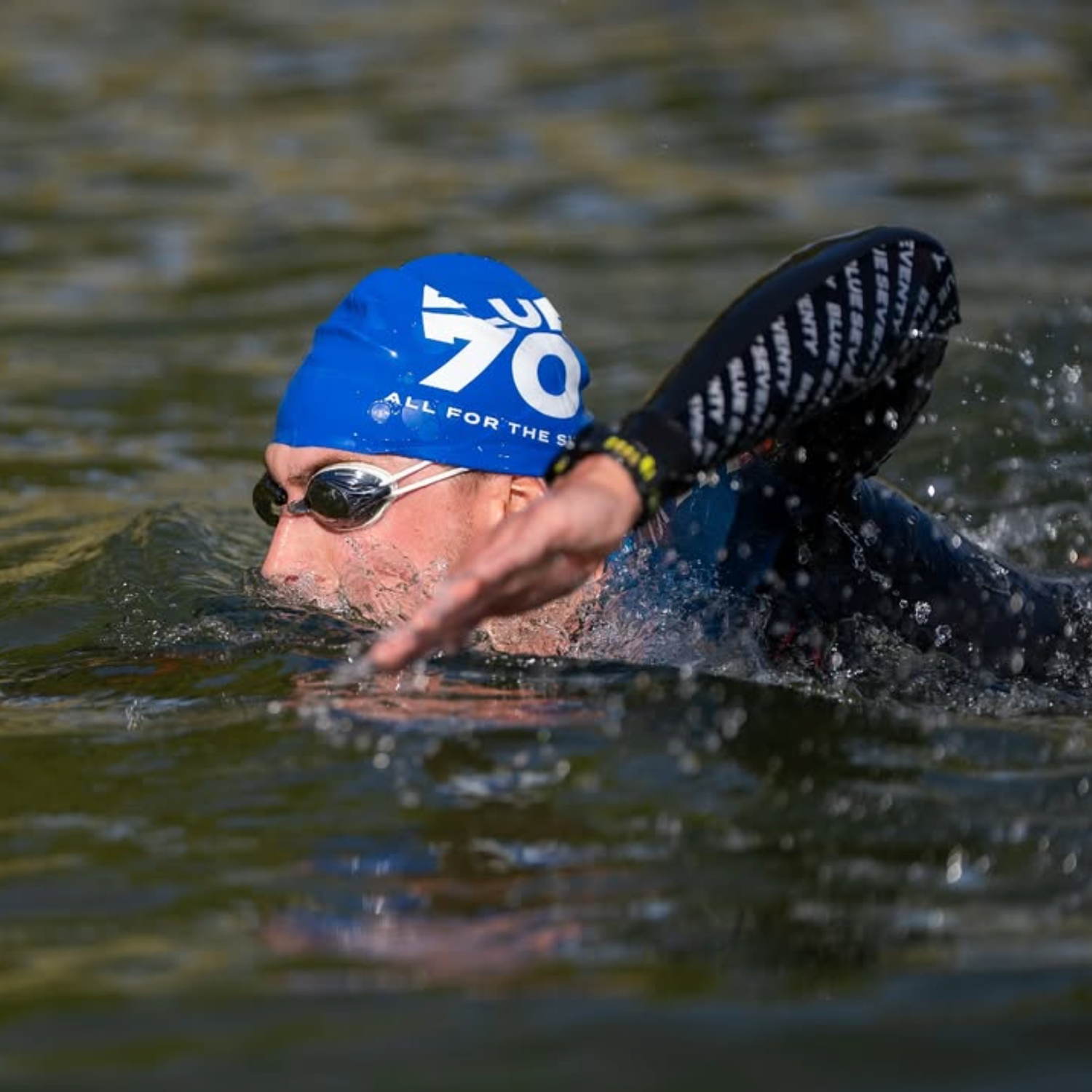
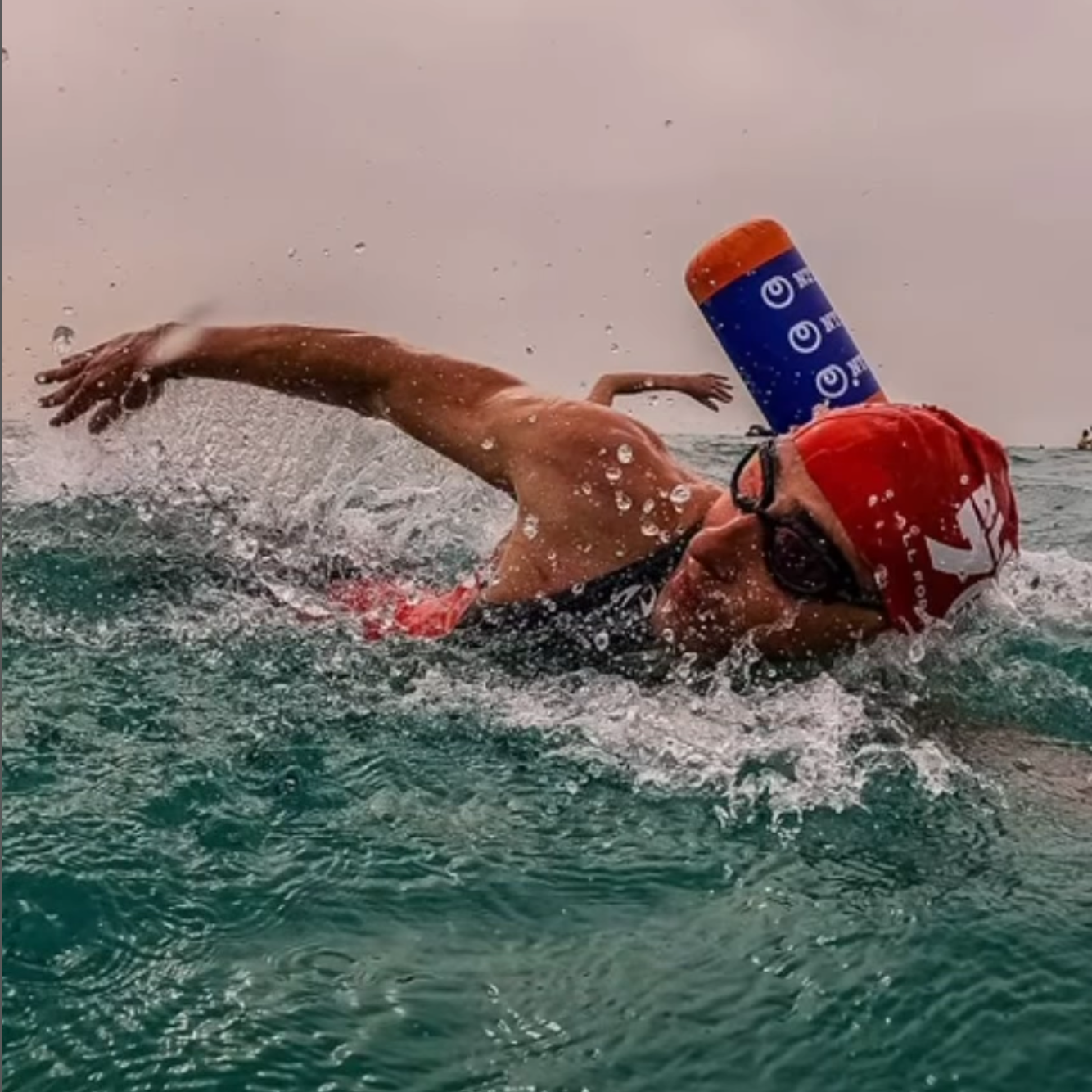
Here's a friction zone almost nobody thinks about: the seam where the shoulder meets the underarm. Every stroke sends your arm through recovery, entry, and a full pull past the ribcage, and the neoprene there compresses and stretches through that entire arc, cycle after cycle.
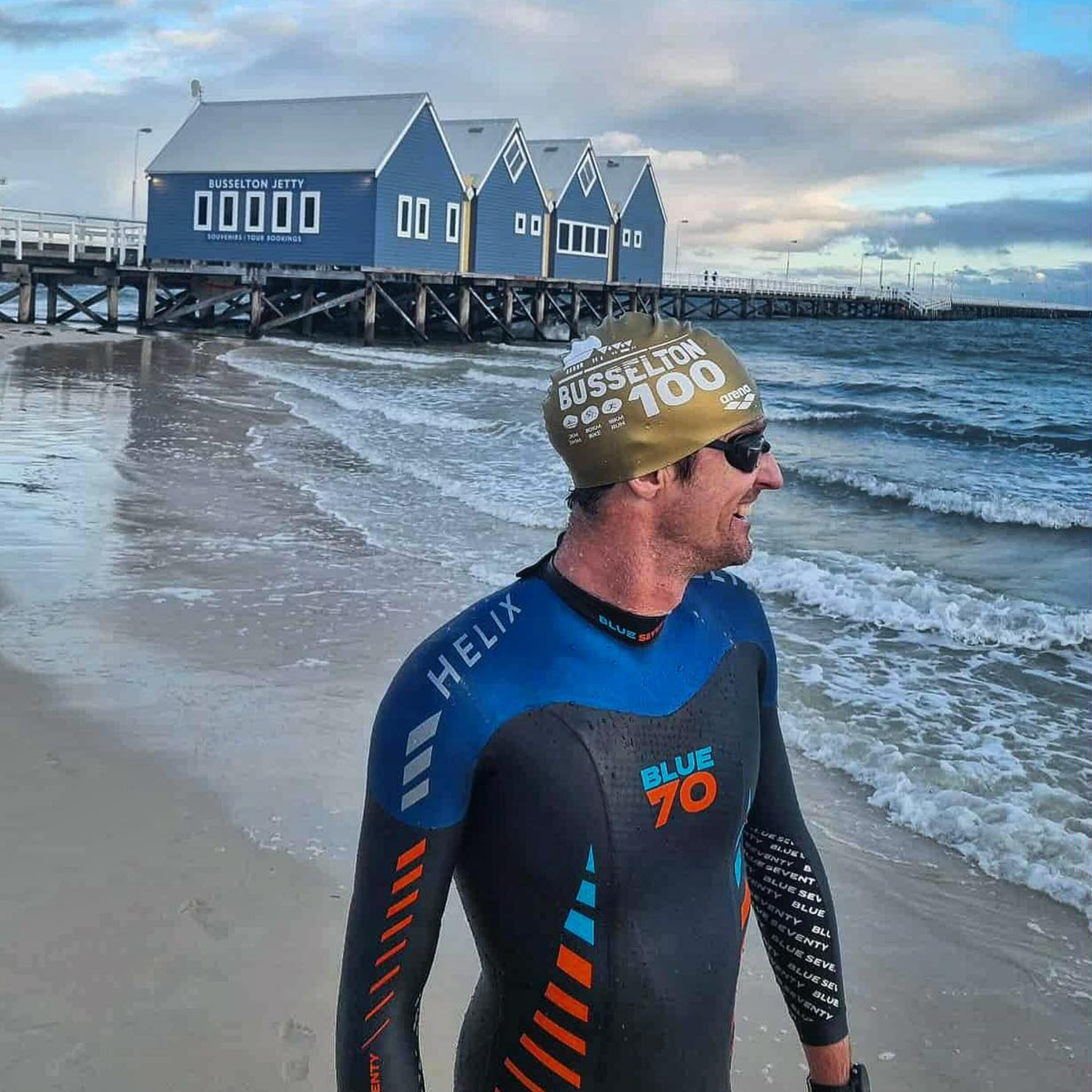
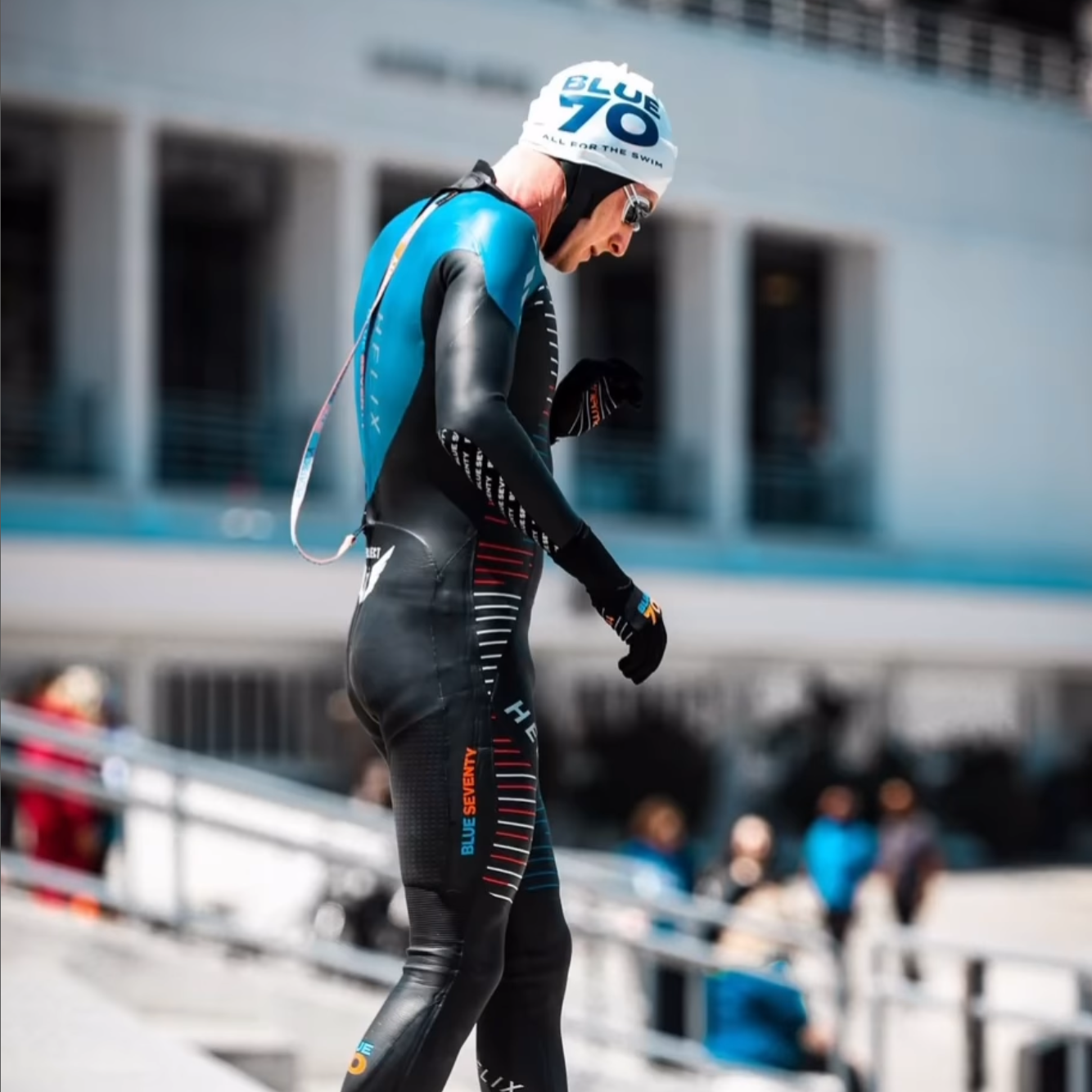
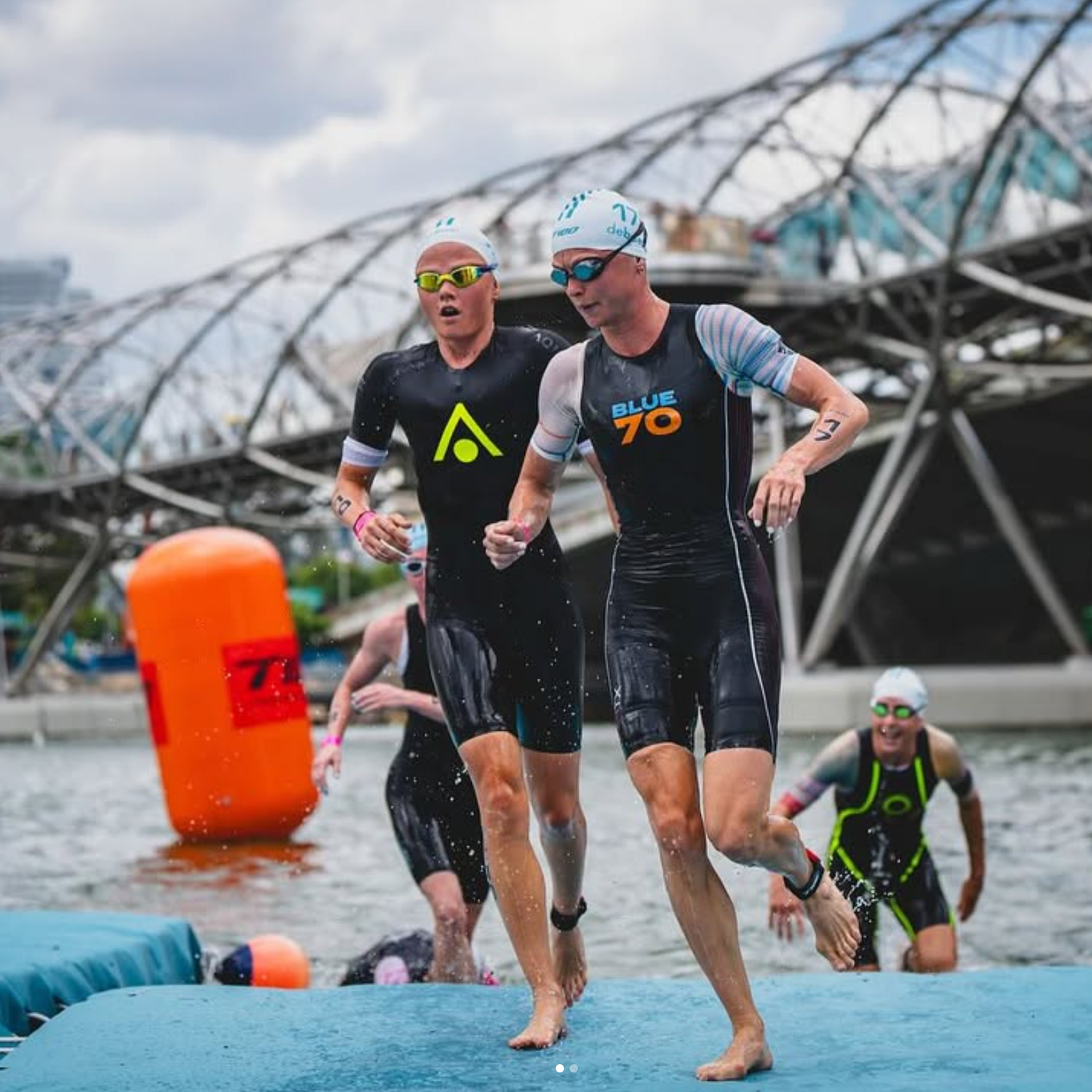
Blue70's Helix uses thinner, more flexible neoprene through the shoulders specifically to cut resistance through the water. That doesn't eliminate skin-on-neoprene contact at the seam edges, though. It just makes the suit easier to move through. That's why a swimmer can finish a long open-water swim with a perfectly comfortable neck and still walk out with raw skin under the arms. That seam moved against skin more times, over a longer arc, than the collar ever did.
Lubricating the underarm and the top of the shoulder seam takes five extra seconds. Most people skip it because it's not the obvious spot. It should be part of the routine.
Ankles and Wrists: This Is About Transition Time, Not Comfort
Ankle and wrist lube usually gets filed under "nice to have." Its real job is speed. In a triathlon transition, every second spent tugging a wet ankle cuff is a second you're not running toward your bike.
Ankles and wrists see less rotational friction during the swim itself than the neck or underarms, so chafing prevention isn't really the point here. The point is reducing the suction between neoprene and skin so the suit peels off in one motion once you're out of the water. A well-lubricated ankle is the difference between a clean strip-and-run and standing there hopping on one foot while the swimmer next to you is already on the bike course.
Not Every Lubricant Treats Neoprene the Same Way
This is where swimmers unknowingly shorten the life of a suit that cost several hundred dollars. Petroleum-based products, including petroleum jelly, break down neoprene's cell structure with repeated exposure. That's not a small footnote. It's one of the most common, entirely avoidable ways a wetsuit gets damaged well before it should be.
Products made specifically for wetsuits are formulated to be neoprene-safe, and most are water-resistant enough to stay put through a full swim instead of washing off in the first ten minutes. Whatever the base, silicone or otherwise, the products actually built for this job won't attack the material the way something grabbed from a bathroom cabinet might.
When You Apply It Matters Almost as Much as Where
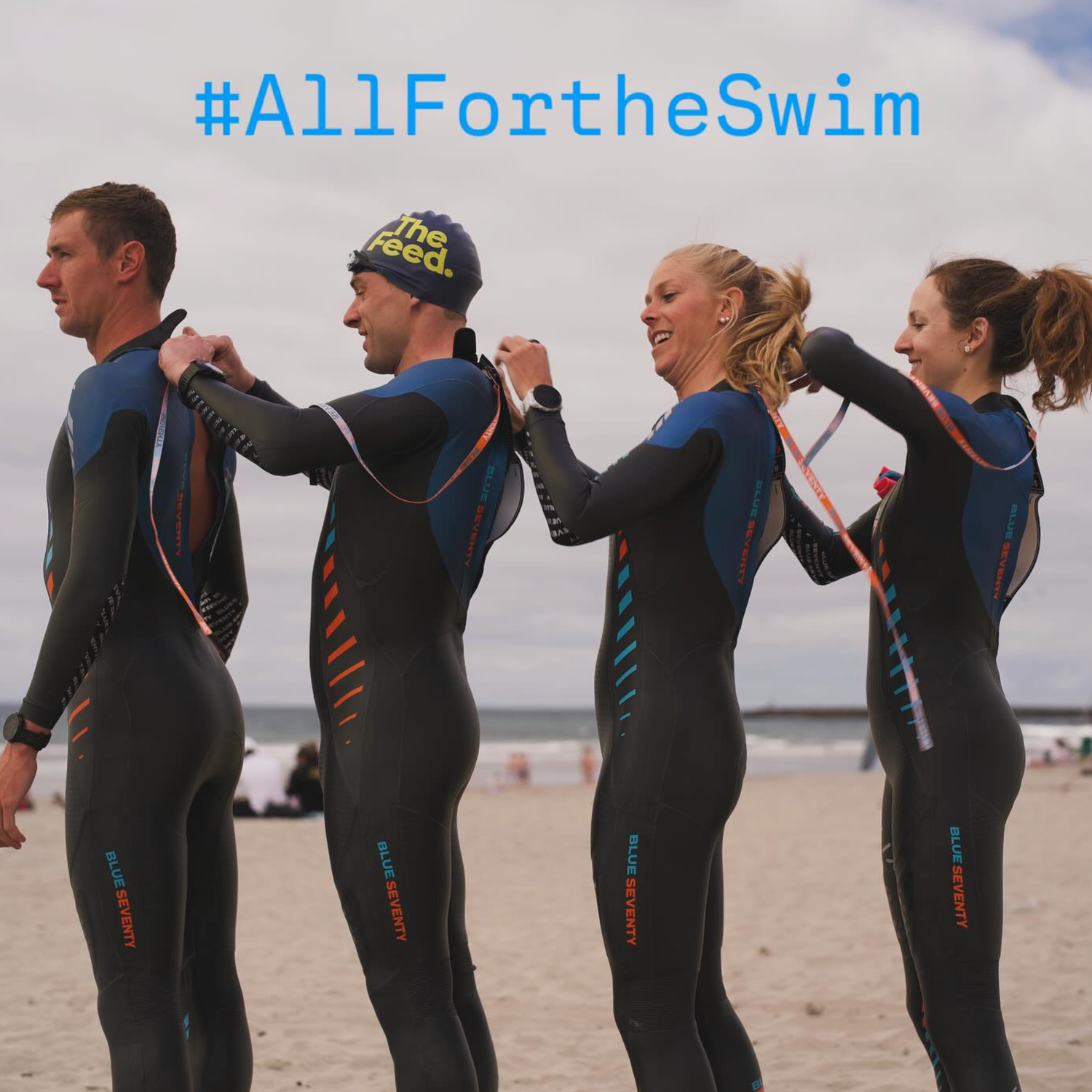
Lube applied thirty seconds before you zip in doesn't have time to settle against your skin. It just gets pushed around by the suit's initial fit instead of soaking into the friction points that need it. Apply it a few minutes before suiting up and let it sit for a moment first. It builds a more even, longer-lasting barrier that way.
On race morning, that means lube belongs earlier in your pre-race sequence, somewhere around your final gear check, not as the last thing you do before walking to the water.
More Lube Isn't Automatically Better
A heavy, uneven layer can actually work against you at the neck. The collar's seal depends on consistent contact between neoprene and skin. Over-lubricate it and the collar can slide more than it should during a rough water entry, letting in more water movement than a properly fitted, lightly lubed neck would. The goal is a thin, even film at each friction point. Not a thick coating everywhere.
Building a Routine That Actually Holds Up
Swimmers who avoid chafing on long open-water swims aren't using more lube than everyone else. They're putting it in more places: a wider neck band that accounts for breathing-side rotation, the underarm and shoulder seam most people forget entirely, and the ankles and wrists for a faster transition. It costs two minutes and changes nothing about how the suit performs in the water. It just keeps you from finishing a swim wondering why your skin feels like it went through a cheese grater.
If you're still figuring out how your wetsuit should fit before lube even becomes a question, Blue70's fitting guide and size charts are a good place to start. And if you want to feel a suit in open water before committing to it, a Test Swim lets you check fit and range of motion firsthand, without affecting your ability to exchange it afterward.