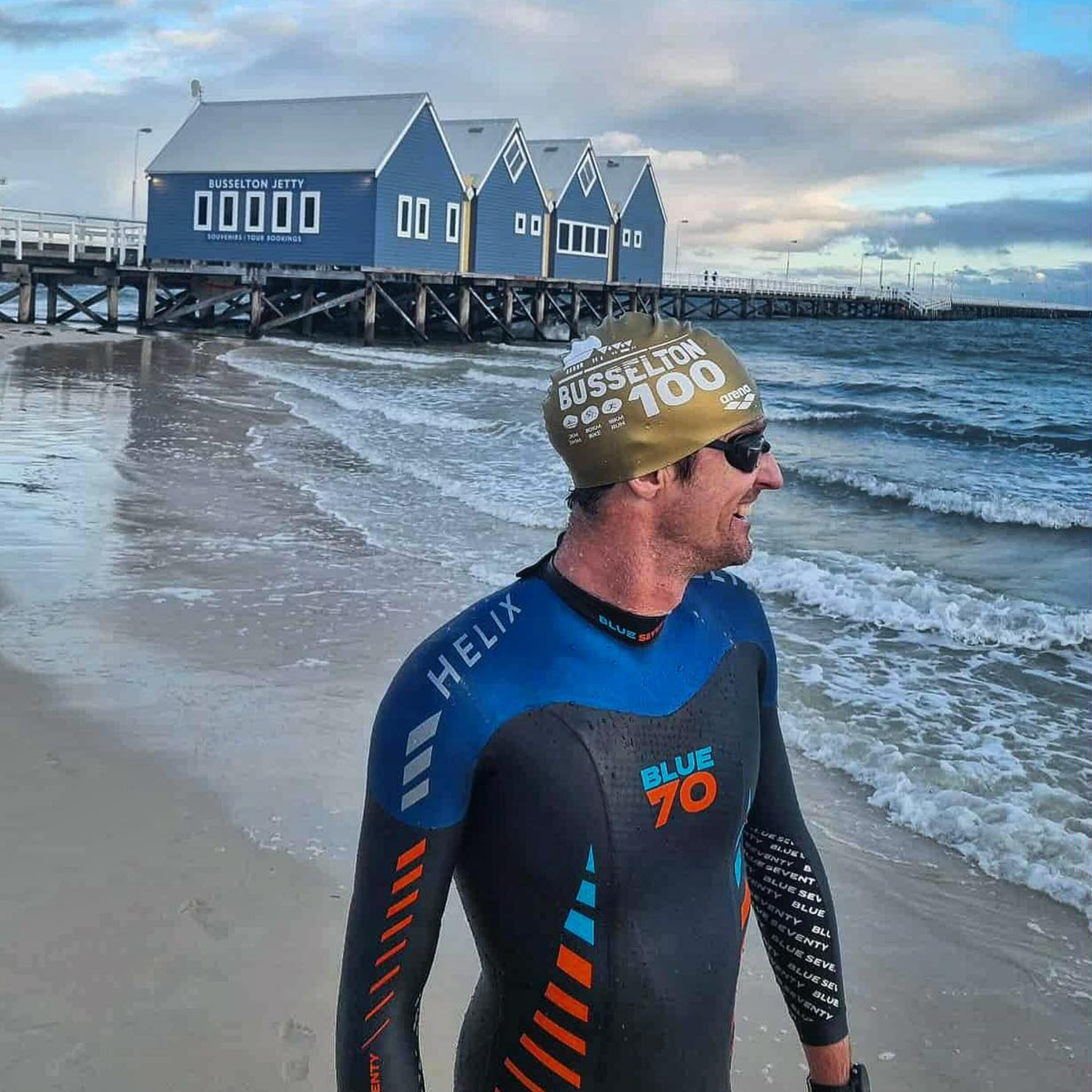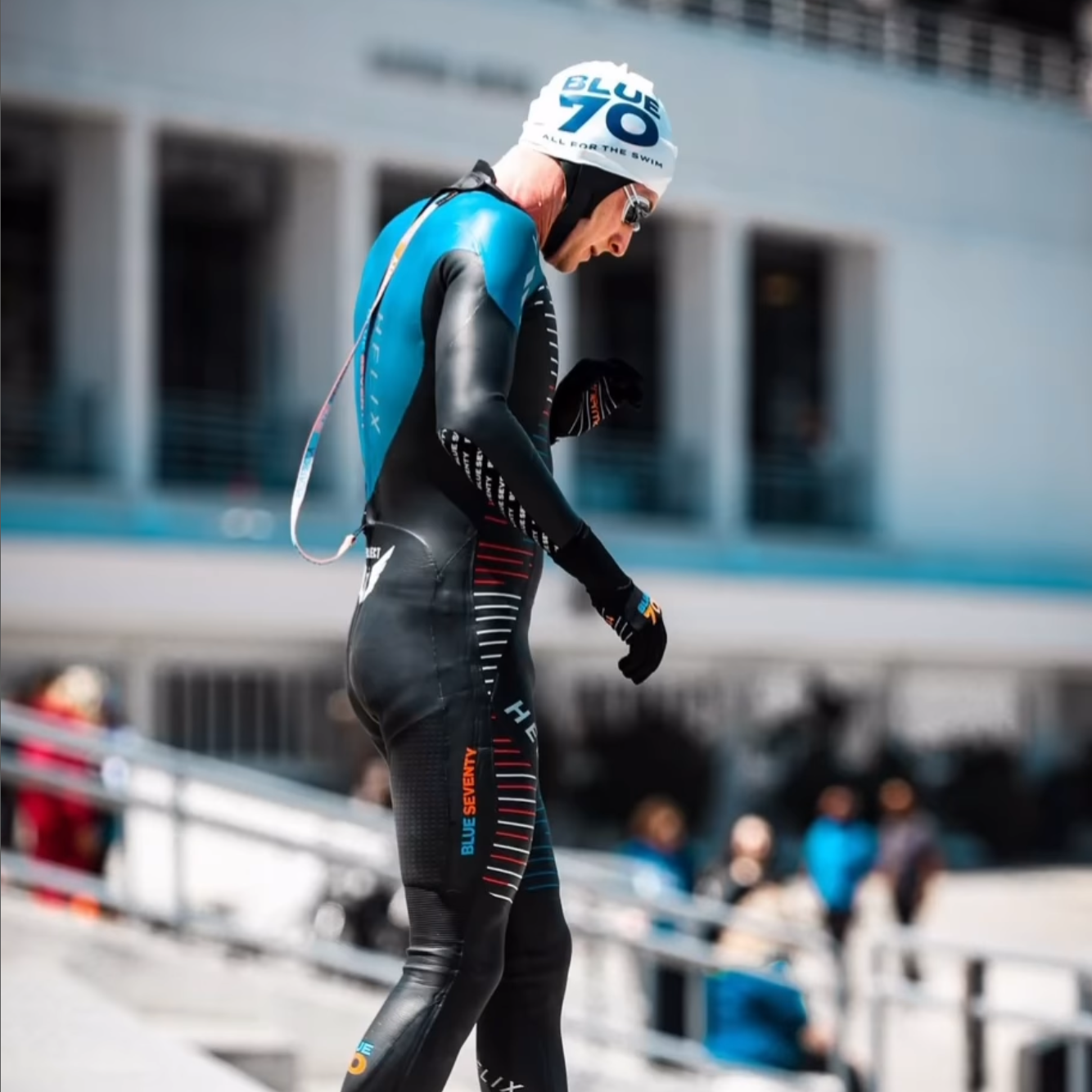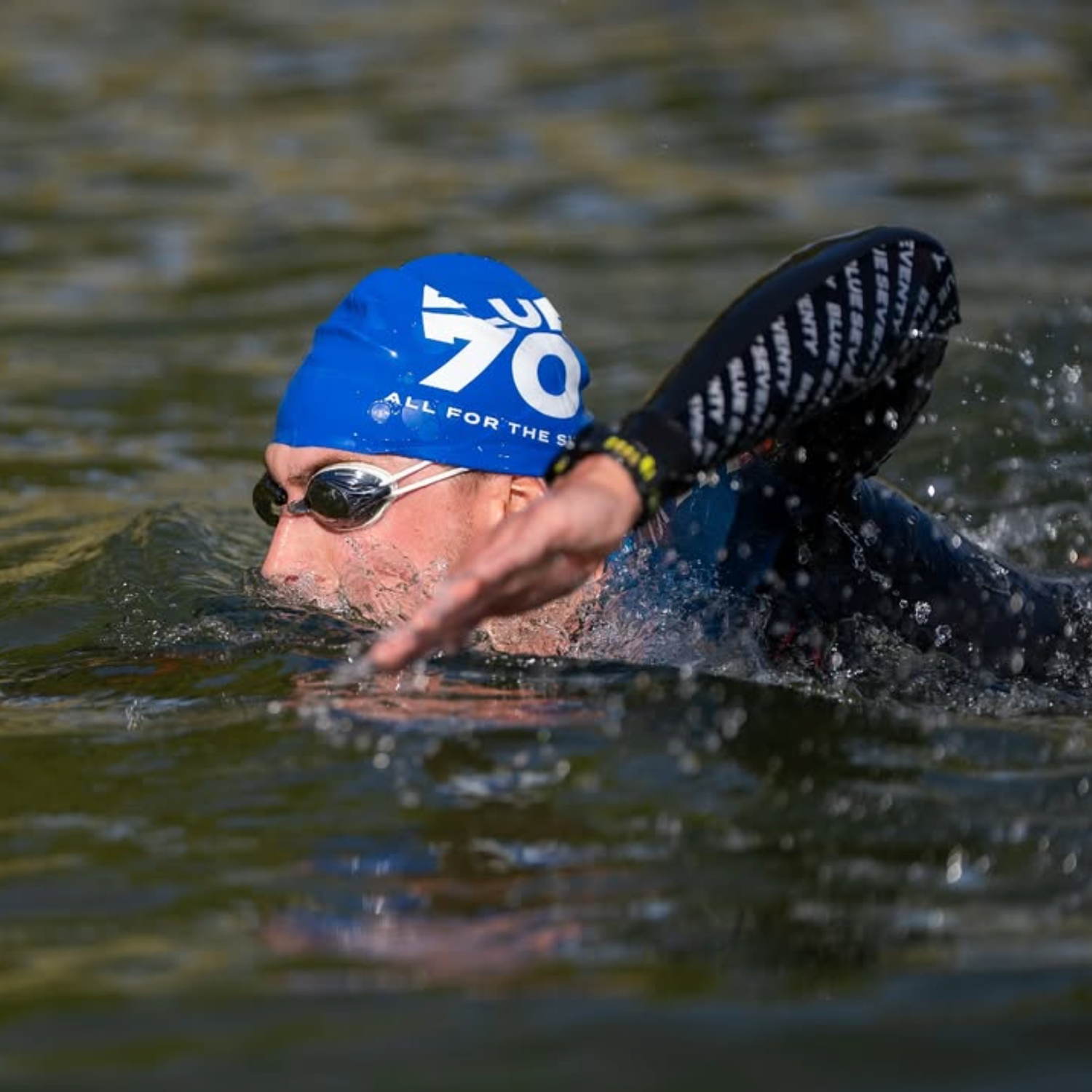



Neoprene works by trapping a thin layer of water against your skin. Your body heats that water, and the warmed layer becomes your insulation. It's a simple mechanism, and it's the whole reason a wetsuit keeps you comfortable in cold water. It's also the reason a suit left damp in a bag for a few days can start to smell like something died in it.
Most swimmers respond to wetsuit odor by masking it. Rinse, hang, maybe a spray of something citrus-scented before the next swim. That habit covers the smell without touching what's producing it. The musty smell coming off a neglected suit is a sign of active microbial growth inside the neoprene and its lining, not just a leftover pool or lake smell sitting on the surface. Once you understand what's happening in there, prevention starts to look very different from odor control.
The Biology Behind the Smell
Neoprene is a closed-cell foam, but the lining against your skin, whether it's a standard jersey backing or a brushed thermal lining for cold water, is textile. Textile holds moisture. Mix in sweat, skin oils, and whatever's in the water with you, and you've built exactly the kind of damp, organic environment that bacteria and mold need to get going.
The timeline moves faster than most people expect. Microbiologists who study damp synthetic fabrics generally place the start of fungal colonization somewhere between 24 and 48 hours at room temperature. That's not a lot of runway. A wetsuit stuffed in a transition bag after Saturday's swim and left until Monday has already given mold a head start before it ever reaches a wash or a hanger.
This matters beyond the smell itself. Musty odor is the byproduct of microbial activity, and if you leave it unaddressed long enough, that activity works its way into the neoprene's cell structure, not only the lining. That's the reason a quick rinse sometimes doesn't hold. You cleaned the surface. The source is deeper.
Why Rinsing Alone Falls Short
A fresh-water rinse right after a swim is still worth doing every single time, especially after ocean sessions, where salt residue holds moisture, or pool sessions, where chlorine reacts with sweat and skin oils and produces chloramines with their own sharp smell. But rinse-and-hang on its own usually isn't enough to keep odor under control across a full training season. Three habits tend to work against you.
- Drying only one side. Both the outer neoprene skin and the inner lining need airflow. The lining holds more moisture and dries slower, so a suit can look dry on the outside while staying damp where it matters most.
- Hanging it somewhere warm, dark, and still. A garage, a car trunk, or a sealed swim bag are close to ideal conditions for mold. A shaded spot with a cross-breeze does far more work than direct sun, which breaks down neoprene and seam glue over time, or a closed space with no airflow at all.
- Reaching for whatever's in the laundry room. Standard detergent, fabric softener, and hot water are all wrong for neoprene. Surfactants and softening agents can weaken seam glue, and hot water can shrink or warp panel shaping. Neither one solves the odor problem, and both put the suit itself at risk.
What a Wetsuit-Specific Cleaner Does That Soap Doesn't
A cleaner built for neoprene isn't a gentler version of dish soap. It's formulated to break down organic residue, sweat, oils, and existing microbial buildup, at a pH that won't degrade neoprene or loosen seam bonding. It's also built to penetrate into the lining fabric rather than sit on top of it, and to rinse out completely instead of leaving a residue behind.
That last part matters more than it sounds like it should. Leftover soap residue can be almost as bad as leftover organic matter, because if the cleaner doesn't rinse fully clear, you've just swapped one substrate for another that bacteria can use just as easily.
Once odor has already set in, the fix isn't a faster rinse. It's more contact time. Soaking the suit in a wetsuit-specific cleaner for fifteen to twenty minutes, then rinsing thoroughly in cool fresh water, gives the solution time to work into the lining fibers instead of passing over them. A thirty-second hose-down won't touch established odor the same way a real soak will.
Storage Matters as Much as Cleaning
Cleaning a wetsuit without changing how you store it just resets the clock until the smell comes back. For storage between training blocks or at the end of a season:
- Make sure the suit is completely dry, inside and out, before folding or hanging it away
- Use a wide hanger, or thread a pool noodle through a standard one, instead of draping the suit over a thin bar that creases neoprene at a stress point
- Keep it out of direct heat and extended sun exposure
- Store it somewhere with airflow, never sealed in a suit bag or plastic bin
During an active training block, when the suit's going back in the water every few days, it still needs a full air-dry cycle between sessions, even if you're planning to wear it again soon. Skipping that step rarely saves real time. It just pushes the problem two days down the road.
Getting Through Race Week Without Full Dry-Out Time
Committed age-groupers doing multiple open-water sessions in the days before a race often can't fit in a complete dry-and-clean cycle between swims. That's a scheduling reality, not a lapse in discipline. When the calendar's tight, three things make the biggest difference:
- Rinse in fresh water immediately after every swim, inside and out
- Hang the suit on a wide hanger in the best-ventilated spot available, even if it's only for a few hours between sessions
- Fit in one full soak with wetsuit-specific cleaner mid-week if your schedule allows it, rather than waiting until after the race
None of this fully replaces a proper dry-and-clean rotation. But it interrupts microbial growth enough to stop odor from building through a week when you least want to be pulling on a suit you'd rather not have against your skin.
Odor Control Is Really a Longevity Question
Wetsuit smell and wetsuit lifespan aren't separate problems. The same organic buildup that produces odor also accelerates breakdown in glued seams and lining fabric. A suit maintained with regular neoprene-safe cleaning and proper dry storage tends to hold its seam integrity and flexibility longer over a season than one that gets rinsed inconsistently, regardless of how many swims it's logged.
Blue70 covers manufacturing and materials defects under a one-year warranty for the original owner, but that warranty doesn't extend to damage from heat exposure, chlorine buildup, or ordinary wear and tear. That's one more reason routine care earns its keep over a full season instead of becoming a scramble the week before your goal race.
A Standard Worth Sticking To
Treat your wetsuit the way you'd treat any piece of gear you actually depend on. Rinse it in fresh water after every use. Deep-clean it with a neoprene-safe cleaner every few weeks of regular training, more often if you're swimming in warm climates or salt water. Store it bone dry with airflow around it, every time. Removing mildew after the fact works, but it's a repair job. The better habit is never giving mold the 24 to 48 hours it needs to get started in the first place.
Happy swimming, and dry gear.