


Pull up any wetsuit size chart and you'll find two columns: height and weight. Match your numbers to a row, and the chart hands you a size. That's the entire system behind most wetsuit purchases, a two-variable guess standing in for a body that actually has dozens of measurements worth knowing.
It's not a bad starting point. Height and weight correlate with wetsuit size for an obvious reason: neoprene has to stretch around a body volume, and taller, heavier swimmers generally need more material to work with. For a lot of buyers, the chart gets close enough on the first try. The trouble starts with everyone else.
Two Swimmers, Same Chart, Different Suits
Take two swimmers, both 5'9" and 165 pounds. One has a long torso and shorter arms. The other has a short torso and longer arms. A standard height and weight chart puts them in the same size box. Get them in the water and the differences show up fast.
The first swimmer often finds the shoulders restrictive, because the suit's arm length was built around an average proportion that doesn't match theirs. The second may get a suit that bunches at the waist, since the torso panel runs longer than their frame needs. Neither one bought the wrong size according to the chart. The chart just wasn't built to catch this kind of variation.
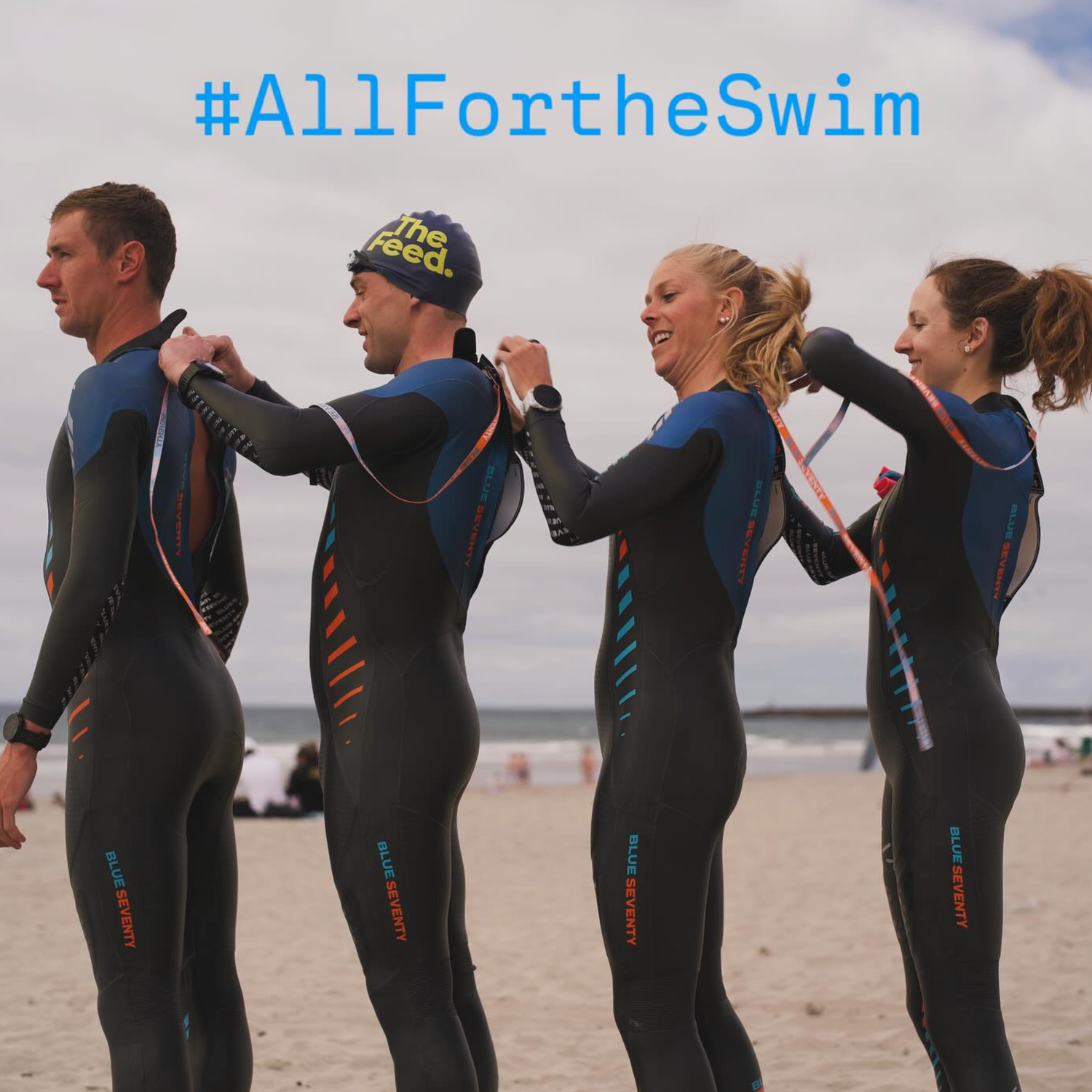
This is exactly why Blue70's fit guidance has never stopped at height and weight. A wetsuit should feel snug on dry land and grow more comfortable once you're in the water, as the neoprene settles against buoyancy and water pressure. That only holds true if the suit's proportions match yours to begin with. Snug in the right places feels nothing like snug in the wrong ones, and a size label alone can't tell you which you're getting.
The Measurement Most Calculators Skip
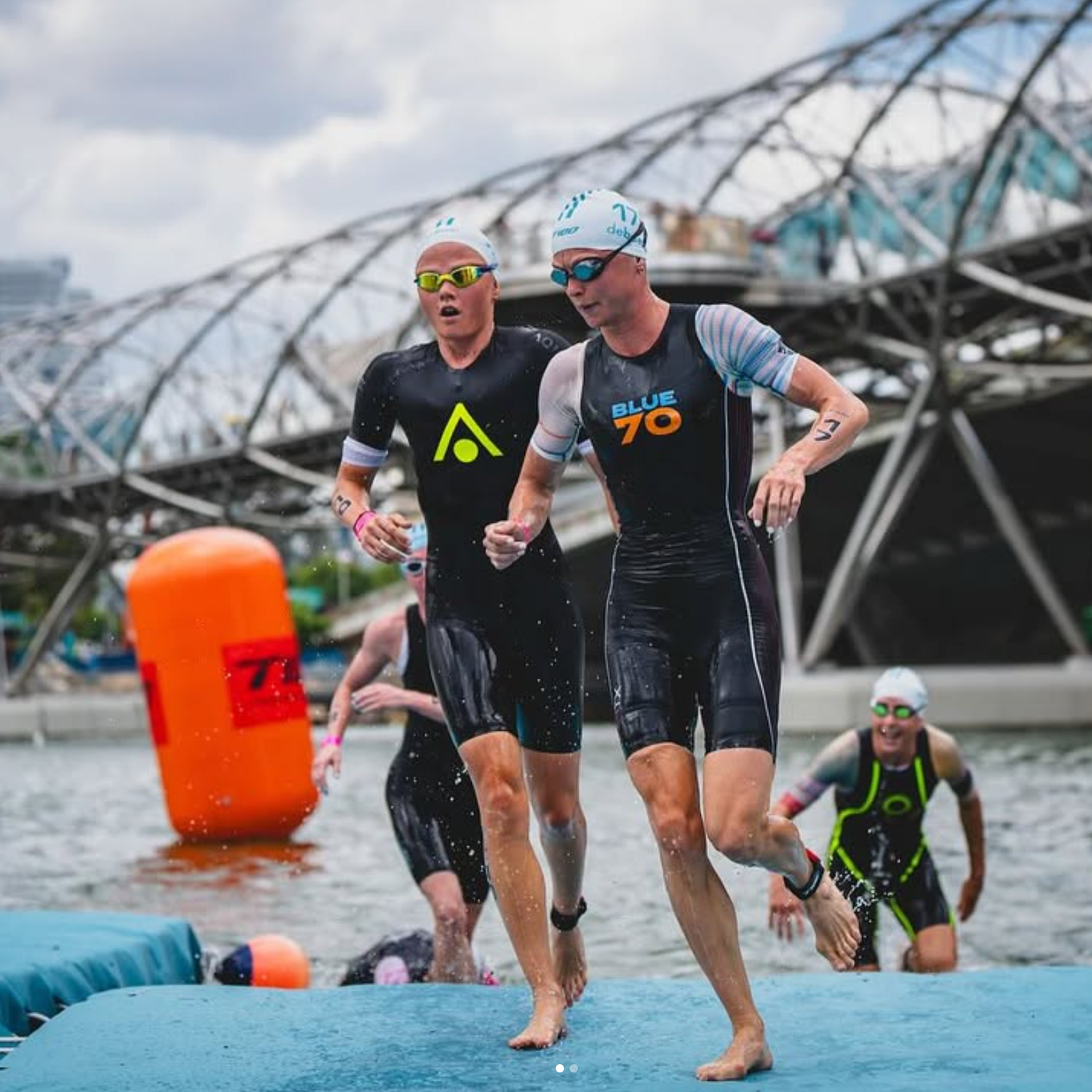
Coaches and fitters on pool decks and open water starts learn to recognize this pattern quickly. A swimmer who can't reach full extension on the catch, or who says their shoulders feel boxed in halfway through a swim, usually isn't wearing the wrong size in the height and weight sense. They're wearing a suit where the arm or torso length doesn't match their proportions, even though the number on the label is technically correct.
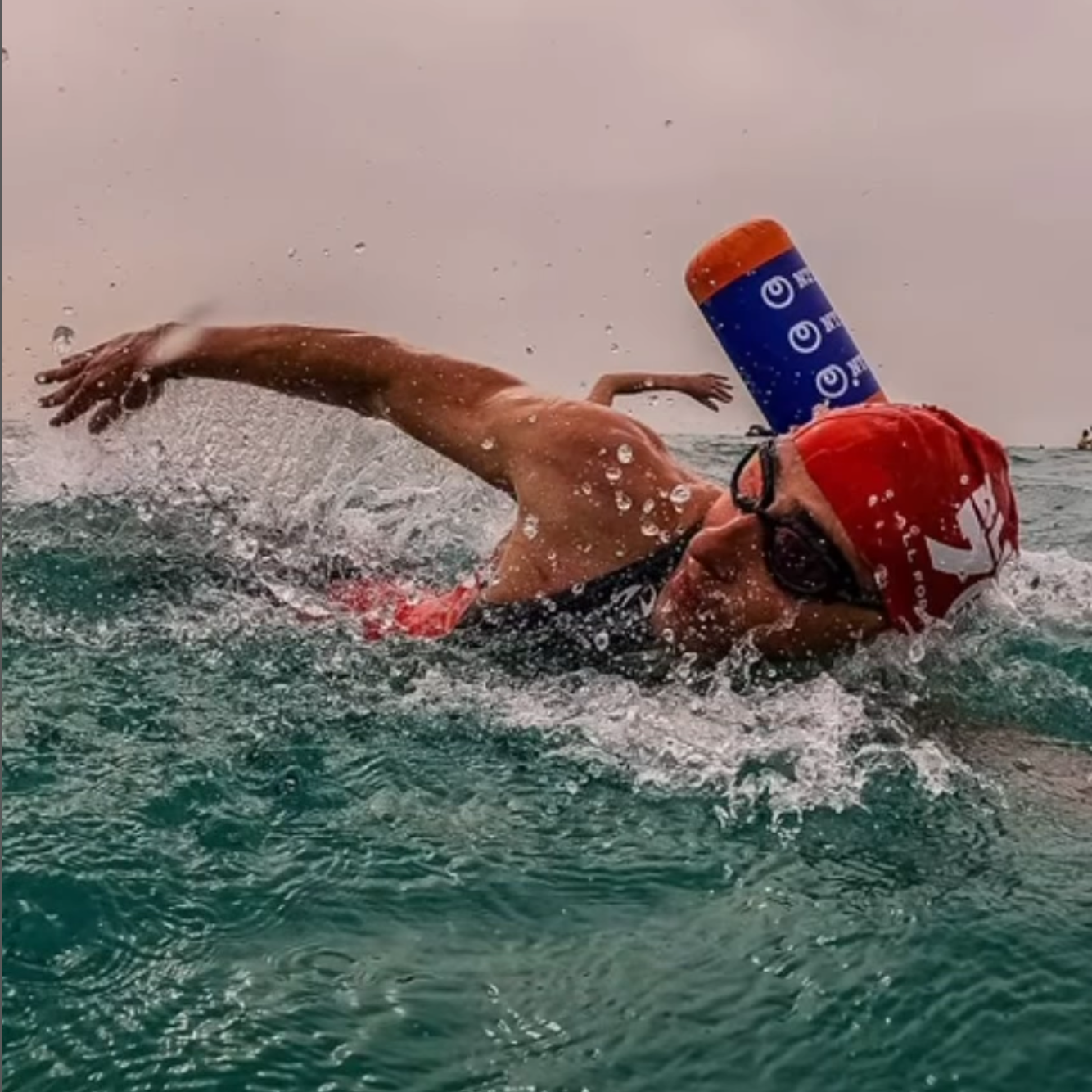
This matters more for swimming than for almost any other wetsuit use. A surfer needs mobility for paddling and popping up. A diver needs pressure management and warmth while mostly stationary. A swimmer needs full, repeated shoulder rotation, thousands of times over the course of a race, with the seams and catch panel positioned exactly where they won't create drag.
Blue70 builds around that demand specifically. The permeable catch panel used across the line since 2010 exists to preserve feel for the water during the pull phase of the stroke, a requirement that surf and dive suits were never designed to meet. A calculator that treats every wetsuit the same, and only asks for height and weight, has no way to account for any of it.
Four Questions Before You Trust the Chart
Work through these before committing to a size. None of them replace the chart. They tell you how much to trust it, and where you should expect to adjust.
- Where do you carry your length: torso or limbs? Stand in front of a mirror and compare your torso length, hip to shoulder, against your arm length. Long in the torso relative to your arms? You may need to size up for torso length, then check the arms aren't now loose at the wrist. Long in the limbs? Apply the opposite logic.
- What's your shoulder mobility without a suit on at all? Reach both arms overhead and rotate through a full freestyle recovery motion. Note where your own body naturally stops. Try the suit and repeat the motion. If the neoprene restricts you well before your own range of motion runs out, that's a fit problem, not something you can stretch your way past.
- Are you between two sizes? Let your priority decide. Racers chasing maximum feel for the water often size down and accept a snugger fit. Swimmers prioritizing comfort across longer training swims often size up slightly, trading a little buoyancy for less fatigue late in the swim.
- Is this suit for racing or training? A suit worn once a month on race day tolerates a snugger fit better than one worn for hour-long training sessions twice a week. Frequent use rewards a bit more forgiveness at the shoulders, since repeated donning and doffing stresses neoprene at its tightest points first.
Why Femme Fit Changes the Equation
Generic unisex sizing runs into its clearest limit here. Scaling one pattern up or down by height and weight assumes proportions stay consistent at every size. For many women's builds, they don't. Blue70's Femme Fit pattern addresses this directly, with refined shaping through the bust, torso, wrists, and ankles, a lowered neckline for comfort and reduced chafing, and an extended zipper length that makes the suit easier to get into and out of during transitions.
None of that is decorative. A neckline positioned wrong chafes for the entire swim. A zipper that's too short turns a fast T1 wetsuit strip into a wrestling match. A calculator applying one universal formula regardless of pattern will underserve anyone whose proportions differ from that baseline, and that's a meaningful share of any field.
Neoprene Grade Changes How Forgiving a Size Is
Fit isn't only about which size you land on. It's also about how forgiving a given model's neoprene is at whatever size you choose. Blue70 wetsuits use Yamamoto neoprene in 38, 39, and 40 cell grades. Higher cell count means more flexibility, which means a slightly imperfect size in a high cell-count suit forgives you more than the same mismatch in a stiffer panel built for training durability.
That's part of why a race suit with thinner, more flexible neoprene through the shoulders can feel comfortable at a snugger size than a suit built with thicker material for weekly wear. Stuck between two sizes? Knowing which model you're buying, and how forgiving its neoprene is, should tip which way you round.
Testing Beats Guessing
Every size calculator is a prediction. The only way to confirm one is to get in the water. That's the logic behind Blue70's Test Swim policy: you can wear the suit for an actual swim and still return or exchange it, as long as it comes back clean, dry, and with tags attached.
No chart replaces ten minutes of freestyle, feeling for where the suit binds, where it gaps, and whether your shoulder rotation still feels free at 500 meters the way it did on the first stroke. If you're between sizes, or unsure how your proportions compare to an average build, that in-water check turns a statistical guess into a confirmed fit.
Use the Chart, Then Check Yourself Against It
A size chart calculator is a solid first pass, not a final answer. It's built to handle the common case efficiently, and for swimmers whose proportions sit close to average, it gets the size right on the first try. But height and weight are two numbers standing in for a much more detailed shape.
Use the calculator to get in the right neighborhood. Check that starting point against your own torso-to-limb proportions and your natural shoulder range of motion. Then confirm the fit with an actual swim before race day. That's the difference between a suit that fits your stats and one that fits you.
Happy swimming.