


Short answer: There is no single Arctic thickness. Water at or near freezing requires a purpose-built thermal swimming wetsuit, full coverage, a fit that seals without restricting breathing, and a conservative exposure plan. In the blueseventy line, the suit designed for that job is the Thermal Reaction.
Arctic swimming is not ordinary cold-water swimming
Blueseventy's published guidance points to a purpose-built thermal suit below about 56 to 58 degrees F. Arctic water sits at or near freezing, often with air below freezing, wind, and short daylight. Those conditions shorten your useful swim time and change how you need to cover your head, hands, and feet. A wetsuit is one part of the system. It is not the whole system.
Why panel thickness is not the main spec
A wetsuit works by allowing a thin layer of water inside the suit. Your body warms that layer, and the neoprene and lining slow heat loss. Two suits can carry the same millimeter number and feel very different because of four variables:
- neoprene grade and cell structure
- lining material and coverage
- seam placement
- fit at the neck, wrists, ankles, chest, and shoulders
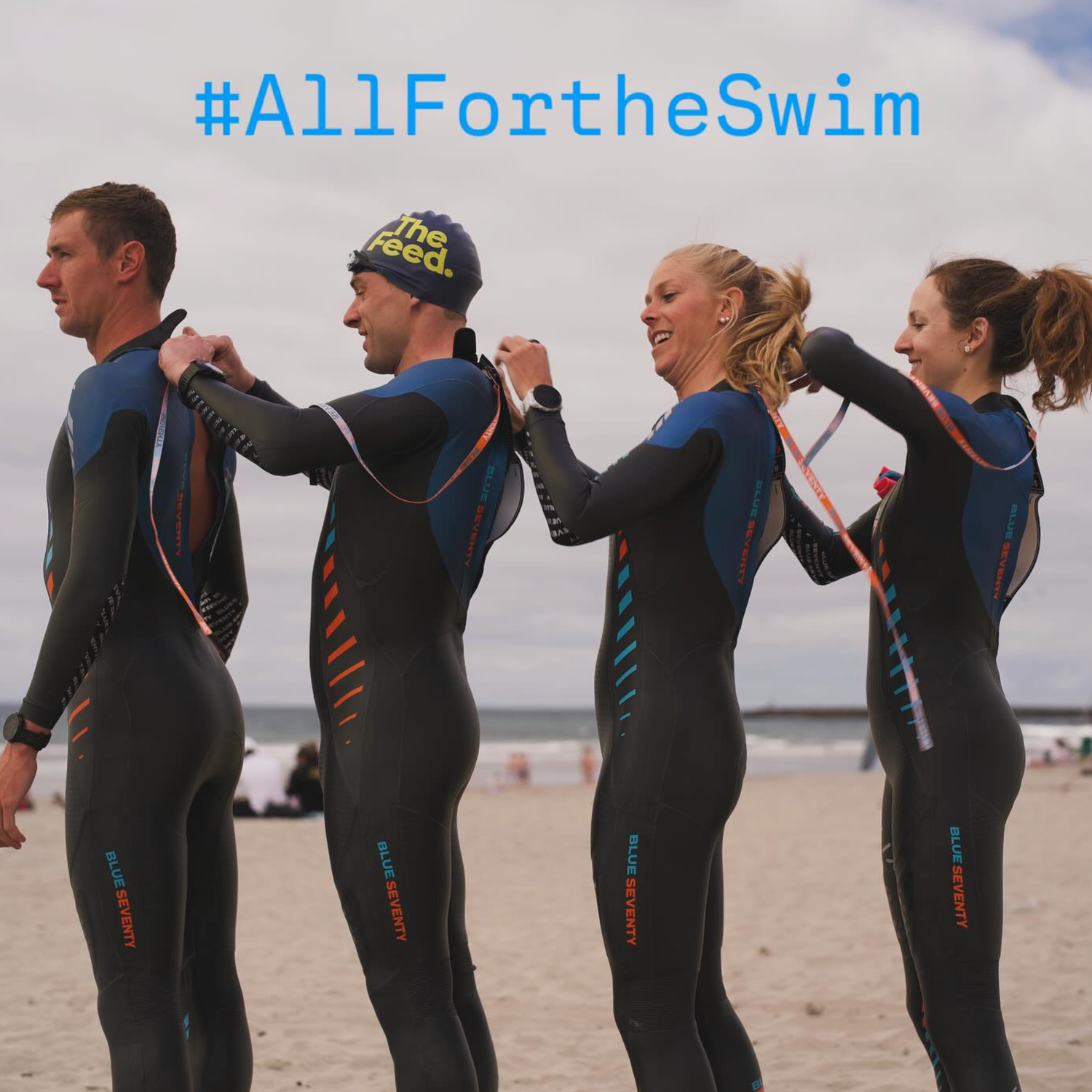
Blueseventy uses Yamamoto 38, 39, and 40 cell neoprene. Higher cell means more flexibility. The current cold-water suit in the line is the Thermal Reaction. It is fully lined with Zirconium jersey, a synthetic wool material that adds thermal protection throughout the suit. That full lining matters more in Arctic water than chasing a few extra millimeters in one panel, because cold water flushes through any gap the moment you move. A suit with thick torso panels but stiff, unlined shoulders can still leave you cold, because a restricted stroke makes you work harder and opens gaps.
What to look for instead of one thickness number
Start with full coverage. Skip sleeveless and short john cuts. Arctic swimming calls for full arms and legs. Look for a fully lined thermal suit rather than a suit with insulation only in the torso. Check the neck, wrist, and ankle openings. They should seal without pressing hard enough to restrict breathing or circulation.
For women, the Thermal Reaction is built in Femme Fit sizing. The pattern is adjusted in the bust, torso, wrists, and ankles, and the neckline is lowered for comfort. The same fit logic applies in cold water: fewer gaps mean less cold water moving through the suit.
What to wear with the suit
Cover your head, hands, and feet. Use a thermal hood, gloves, and booties from the blueseventy thermal accessories range. A full suit covers the torso and legs, but your extremities lose heat quickly and affect your ability to control your stroke and exit. Check that the hood, suit, gloves, and booties overlap without leaving gaps at the wrists and ankles. Test your ability to open and close your fingers in the gloves before you commit to open water.
Fit matters more in cold water
A loose suit lets cold water pump through the neck, wrist, and ankle openings with every stroke. That defeats the lining. A suit that is too tight across the chest or shoulders makes breathing and stroke mechanics harder, which increases fatigue. The right fit feels snug on dry land and more comfortable in the water. Use the blueseventy fit guide and size charts before buying. The Test Swim policy lets you try the suit in water and still return or exchange it if it is clean and dry, so you can confirm fit in a controlled swim before a cold-water trip. If Arctic swimming is new to you, train in the Thermal Reaction through fall and winter in your local water first.
Exposure, safety, and afterdrop
Arctic swimming is not a place to test your limits alone. Acclimatize over weeks and months in gradually colder water. Work with local swimmers or a guide who knows the specific water. Enter gradually and control your breathing before you swim. Have a shore crew, a clear entry and exit point, and a warm dry change ready before you get in. Get out while you still feel strong. Afterdrop can hit after exit, when cold blood from your skin and limbs moves back toward your core. Warm up slowly, remove wet gear promptly, and put on dry layers. If you shiver uncontrollably, feel confused, or cannot warm up, seek medical help. A thermal wetsuit adds protection. It is not a flotation device and is not a substitute for a safety plan.
Caring for a thermal suit after cold water
Rinse the suit with fresh water after every swim. Dry it inside and out away from direct heat. Cold-water swimming often involves grit, ice, and rough edges, so inspect the seams and surface before small nicks become tears. Use wetsuit care products and neoprene cement for small punctures. Keep the suit out of hot cars and away from radiators.
What to do instead of chasing a thickness number
Buy the thermal suit, not a thicker generic suit. For blueseventy, that means the Thermal Reaction, fully lined and designed for cold-water swimming. Add hood, gloves, and booties, get the fit right, and build a conservative cold-water plan. Start with the Thermal Reaction collection and the fit guide at blueseventy.com.