


Skin irritation from a wetsuit has three common causes: friction, trapped moisture, and fit. A raised red line at the neck, underarm, wrist, or ankle after a swim points to chafing. A patchy rash that appears long after you take the suit off could be a reaction to sweat, soap residue, or the suit itself. Work through the common causes first.
Pinpoint where and when the irritation shows up
Find the exact spot before changing anything. Neck, underarm, wrist, ankle, and behind the knee are the usual rub points. A suit that feels fine on land can still bind at the shoulder when you rotate into a stroke. If the red mark follows a seam or a fold, friction is the likely cause. If the rash covers a broad area with no clear seam line, consider moisture, soap residue, or a contact sensitivity.
Check fit at the problem area
Blueseventy suits are designed to fit snugly on dry land and relax slightly once water moves through them. Snug is normal. Binding, numbness, or deep red creases that stay long after removal are not. Extra material folds and rubs. A suit pulled too tight puts pressure on the same spot all swim.
Neck irritation has two common fixes in the blueseventy line. The Fusion received a lower-sitting neckline in its 2021 redesign, and the women's Femme Fit pattern lowers the neckline and extends the zipper for easier entry and less chafing. If your current suit digs at the front of the throat, a different model or size is the next thing to try.
For shoulder and underarm rub, check the torso length. A suit that is too short in the torso pulls down at the neck and yanks under the arms. A suit that is too loose lets sleeves slide and crease. Blueseventy uses Yamamoto neoprene in 38, 39, and 40 cell grades, with higher-cell neoprene flexing more in the shoulder panels. That flexibility reduces pull, but no panel can fix a size that is wrong for your torso.
Fix how you put the suit on
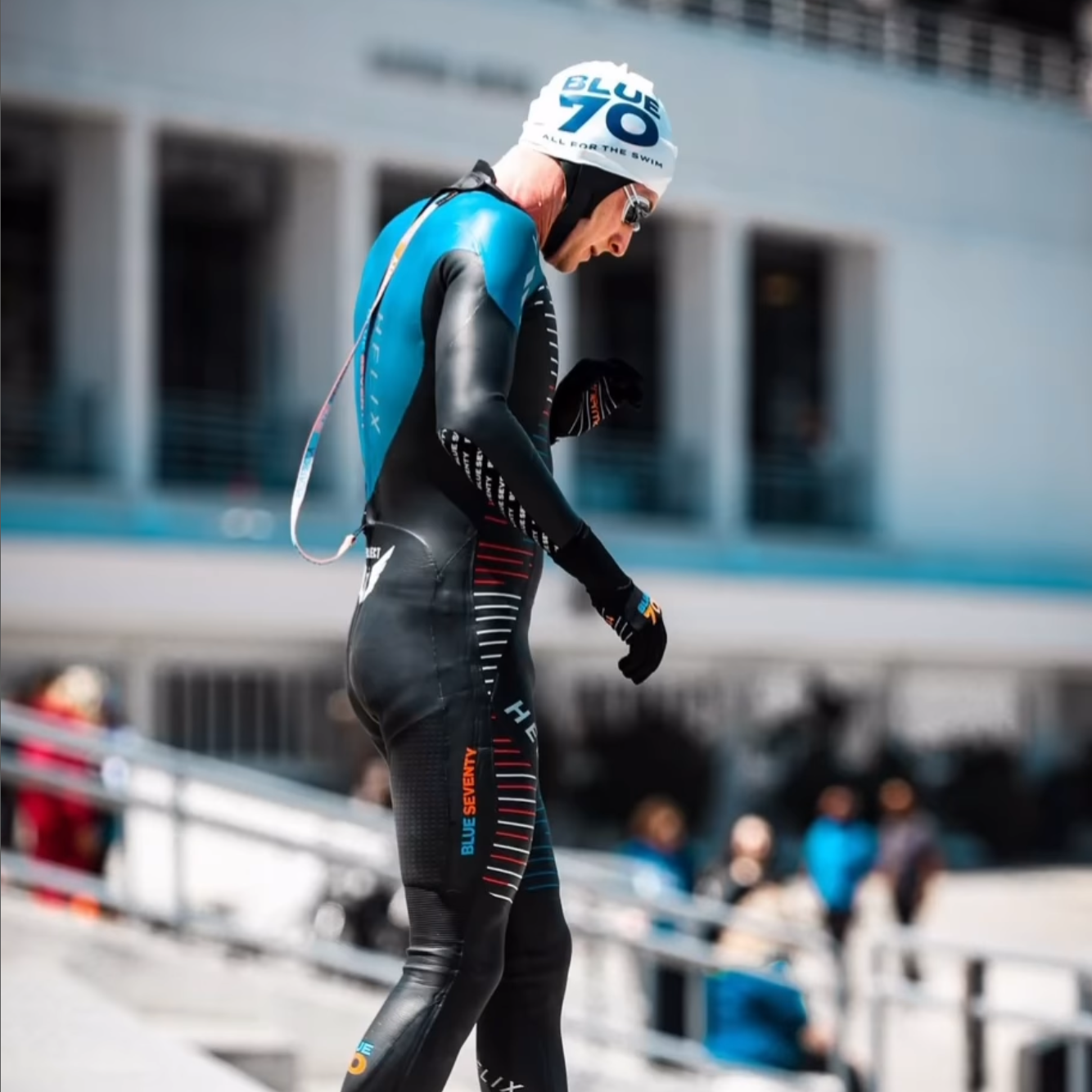
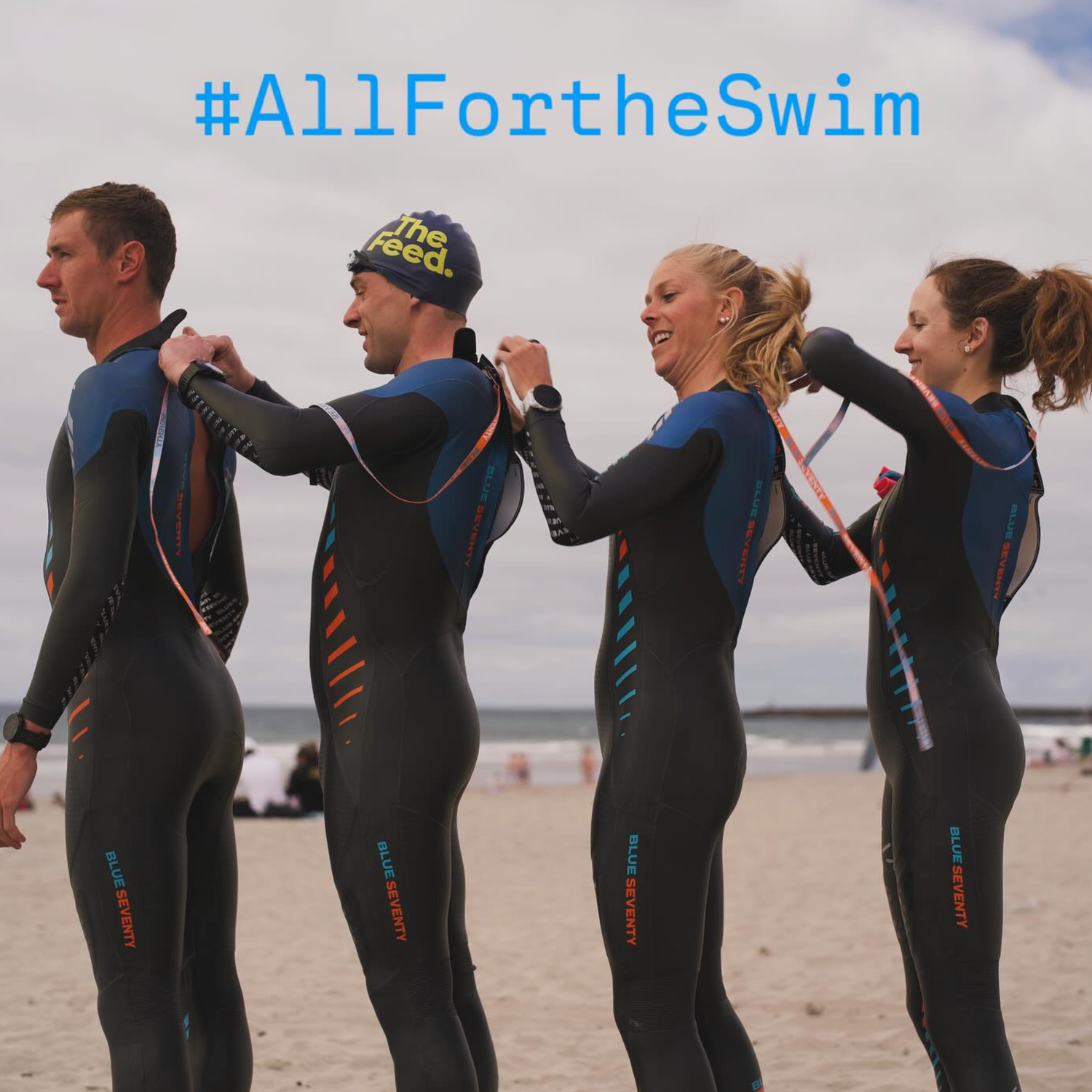
Most chafing starts before you reach the water. Put the suit on slowly with the pads of your fingers, not your nails. Nail pressure creates small tears that turn into rough edges.
- Pull the legs up first, working the material from ankle to groin.
- Pull the body up next.
- Leave the neckline until last and set it flat against the skin with no folds.
After the suit is on, reach into each armpit and lift the material toward the shoulder so it sits smoothly. Do the same behind the knees. A fold left in those areas becomes a hot spot after 20 minutes of swimming.
Protect the skin before the swim
If you know a spot rubs, apply a thin layer of a wetsuit-safe anti-chafe balm to dry skin before you put the suit on. Let it set before you pull the suit over it. Heavy lotions and oils can linger inside the suit and trap residue against the skin. Do not swim through an open rub wound. Let broken skin heal first, then test the fit with a short swim.
Rinse yourself and the suit after each swim
Salt, chlorine, and dried sweat irritate skin once you are out of the water. Rinse your skin with fresh water as soon as you can, change into dry clothes, and rinse the wetsuit inside and out with cool fresh water. Let it dry inside out away from direct sun and heat. Wash the suit with a mild wetsuit cleaner when it needs more than a rinse, not laundry detergent.
Know when to stop and get medical help
If you develop hives, swelling, tightness in your throat, or trouble breathing while wearing or after removing a suit, take it off and seek medical care. Those signs are not a fit problem. For a localized rash that stays or worsens after you fix fit and aftercare, stop wearing the suit and see a dermatologist or physician. A clinician can sort out whether you are reacting to friction, sweat, soap, or a material in the suit.
Try a different blueseventy size or model if the problem persists
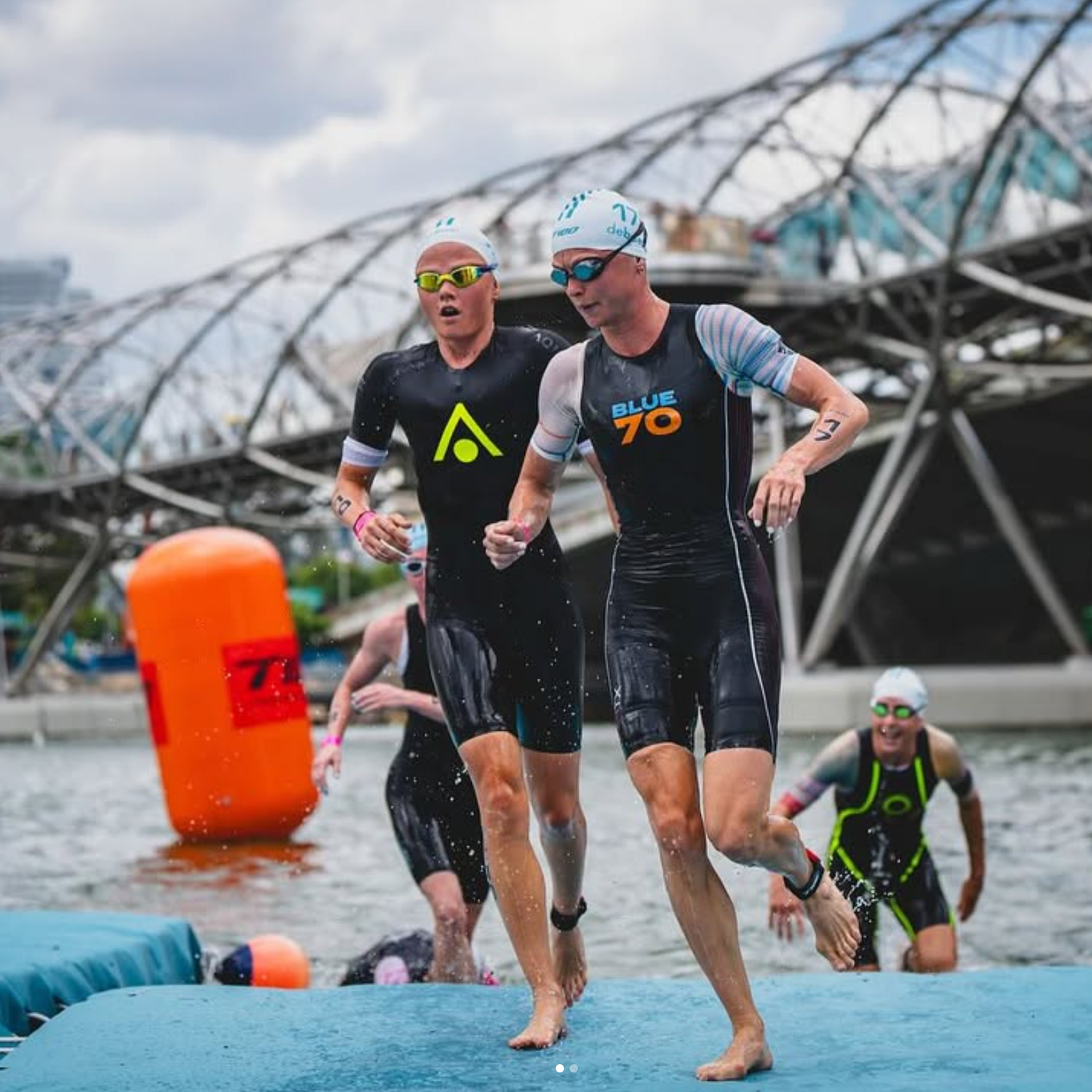
A sleeve rub that happens in warm water often disappears in a sleeveless suit. The Reaction Sleeveless removes the arm panel contact and works well above about 70 to 72°F, when a full suit can feel warm over longer swims. A neck rub is worth testing in the Fusion or a Femme Fit suit with its lower neckline. In cold water, the Thermal Reaction is fully lined with Zirconium jersey, which changes the inner surface feel against the skin and adds thermal protection.
If you bought directly from blueseventy, the Test Swim policy lets you swim in the suit and still exchange it within 30 days as long as it is clean and dry. Use the sizing tool on the site to check your height and weight before ordering a replacement.
The right suit should sit tight on land, settle in the water, and leave no lasting marks. Start with the rub point, then fit, then donning. One of those three fixes resolves most cases of wetsuit skin irritation. Happy swimming.