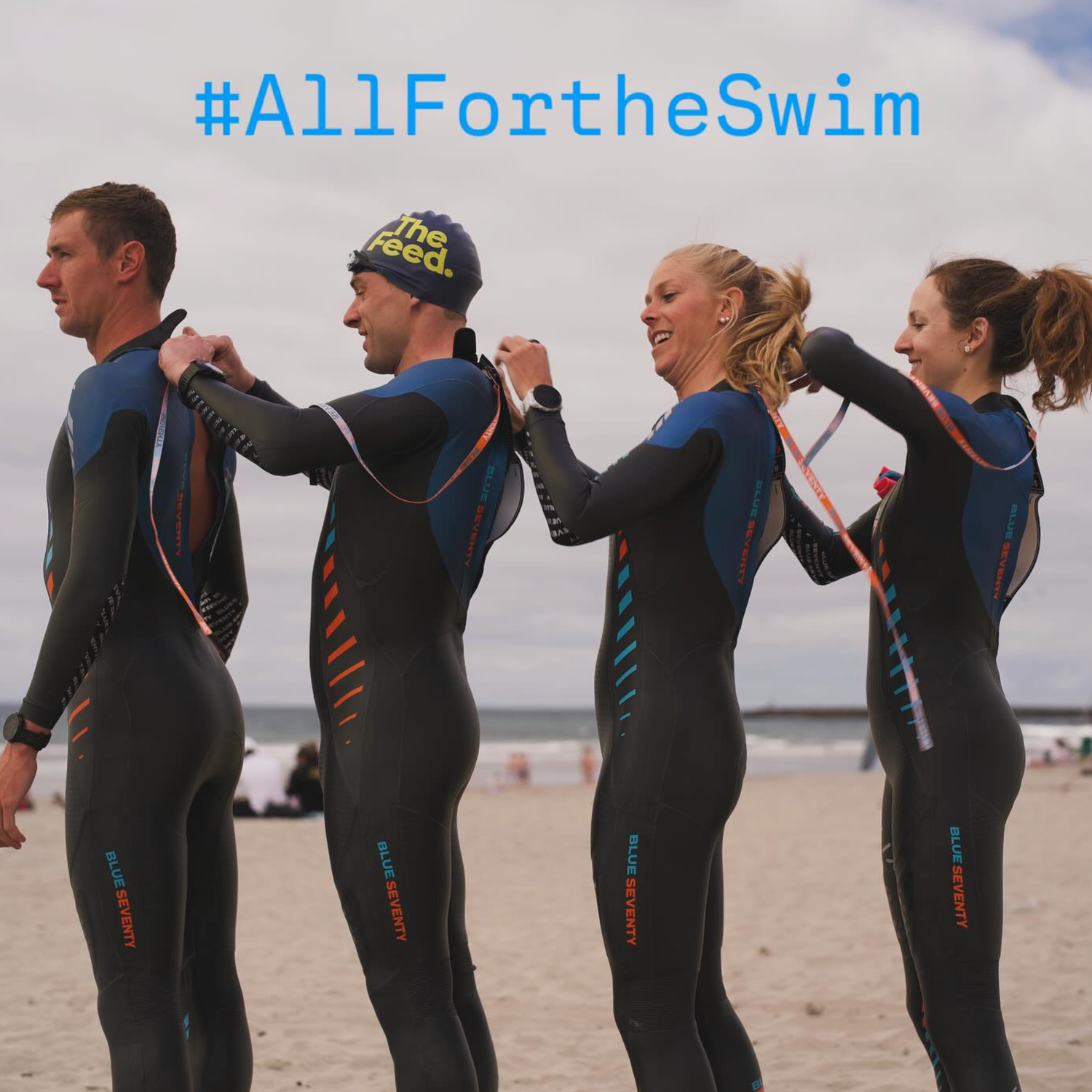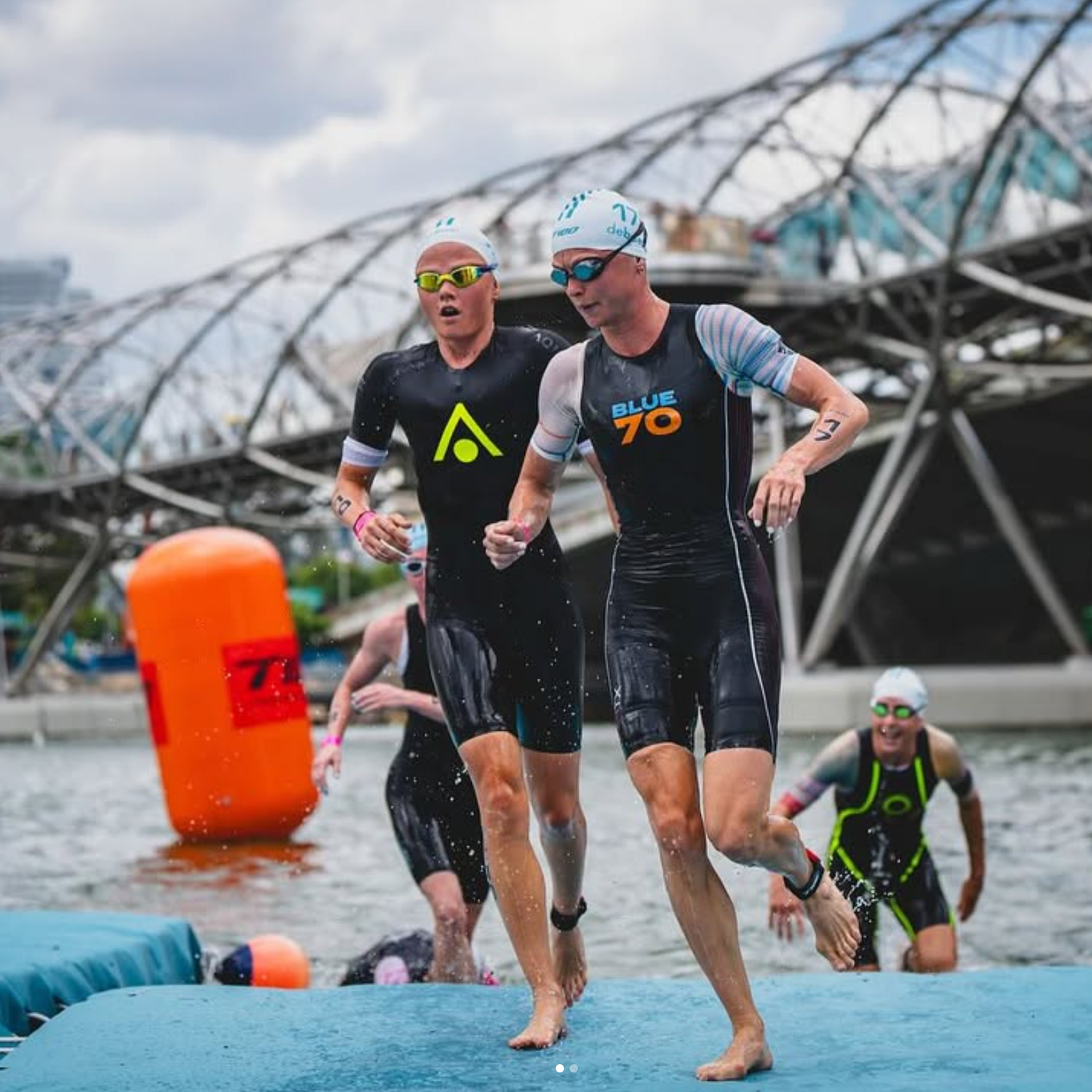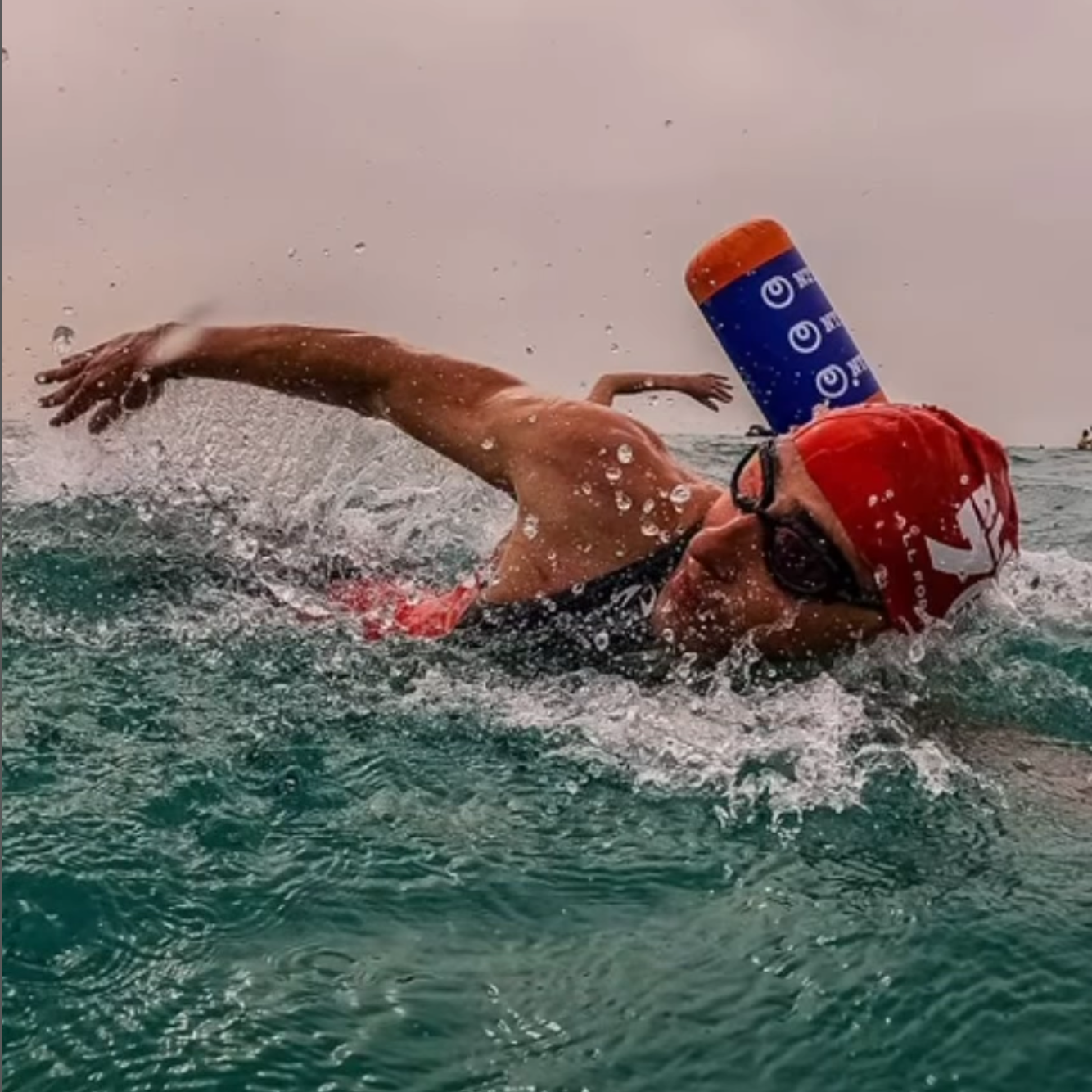



Stand on almost any triathlon start beach at 6 a.m. and you'll see it: a cluster of athletes hunched over their phones, scrolling to find one number in the morning email. Water temperature. That single figure decides whether wetsuits are legal, mandatory, or banned outright - and for a lot of swimmers, it feels like the whole decision has just been made for them.
It hasn't. The rule tells you what's allowed. It says nothing about what's actually right for the body standing in that specific water on that specific morning - which happens to be yours.
The Rule Answers a Different Question Than You Think
Wetsuit-legal temperature cutoffs are set by sanctioning bodies, and here's the thing most athletes don't realize: those thresholds aren't fixed. They get adjusted over time, they differ from one organization to the next, and they can even change depending on race distance. Because of that, we're not going to hand you a specific number and call it gospel. The only number that matters on your race morning is the one in your current-year athlete guide - always check it directly.
What these rules actually govern is narrow: whether a wetsuit is permitted, and at what point the swim may shift from a scored leg to a non-scored one for age-group awards, even when suits are still technically optional. That's it. The rule is an administrative line drawn to manage a massive, varied field of athletes fairly. It was never built to answer the question that actually matters to you personally: how is your body going to handle this water today?
Two Swimmers, Same Rule, Two Completely Different Mornings
Here's where it gets interesting. Thermoregulation in open water is deeply individual. Body composition plays a role - swimmers with less body fat tend to lose heat faster than those with more. Acclimatization plays an even bigger role. Someone who's logged six weeks of chilly lake swims handles a cool morning completely differently than someone who hasn't touched open water since last September. Even something as small as a rough night's sleep or pre-race nerves can shift how quickly the cold sets in.
So picture two athletes standing at the same start line, both technically cleared to swim sleeveless or bare-skinned because the water sits just above the day's threshold. One of them settles into a rhythm by the first buoy. The other spends the opening 400 meters gasping, heart rate spiking, completely rattled - and it has nothing to do with fitness or effort. It's a cold-water stress response, and no rulebook was ever going to predict it.
The lesson here isn't complicated: let the rule define your options. Let your own experience make the actual call.
Building a Framework That's Actually About You
Instead of asking "is a wetsuit legal today?" - a more useful question is: "at what temperature does my body actually start to change?" A few general reference points we teach at Blue70 can help frame that thinking:
- Below roughly 56-58°F, most swimmers benefit from a purpose-built thermal wetsuit - something fully lined and constructed specifically for cold water, not just a standard race suit. This is the range where thermal protection stops being a nice-to-have and starts being the difference between swimming with good technique and just gutting out the distance.
- Above roughly 70-72°F, a full suit can start working against you, especially over longer distances. Overheating becomes the real limiter. This is where sleeveless designs or swimskins tend to shine - better heat dissipation, freer shoulders, still plenty of buoyancy through the torso.
Everything between those two ranges is where personal variation matters most - and where your own history in the water should carry more weight than the weather app.
Start a Temperature Log - It's Simpler Than It Sounds
Here's a habit worth building over a season: every time you swim open water, note three things - the water temperature, what you wore, and how you actually felt. Not just "cold" or "fine," but specifics that matter. Did your breathing stay steady in the first five minutes? Did your hands start losing feeling before you finished? Did you overheat by the last buoy in a full suit?
Do this eight or ten times and a pattern starts to show up. Maybe you discover that your own cold response kicks in around 62°F, well before any rule would require a wetsuit. Maybe you learn you run hot and start struggling above 68°F even sleeveless. Either way, that log becomes more useful on race morning than any number printed in an athlete guide, because it's calibrated to you and nobody else.
Using It on Race Morning
When the pre-race briefing gives you the water temperature and the legality call, run it through what your log already knows:
- If the water's colder than your comfort threshold, wear the warmest suit you're willing to race in, and give yourself a longer warm-up swim to start acclimatizing before the horn.
- If it's legal but sits right on the edge, and your log says you tend to run warm, you don't have to wear a full suit just because you're allowed to. A sleeveless option might genuinely serve you better on a longer course.
- If conditions land right at your personal limit, remember a wetsuit is designed to improve body position and add thermal protection - not to guarantee comfort in any water temperature. When you're unsure, more coverage and more time to acclimatize is the safer choice, every time.
Train in the Conditions You'll Actually Race In
Here's something that trips up a lot of triathletes: most open-water training happens in the warmer months, and then race morning arrives in noticeably cooler water than anything logged in training. Your first cold swim of the year should never happen on race day.
If your target race tends to sit at the cooler end of your comfort range, build in a handful of training swims in similar conditions beforehand - even short ones count. A dedicated thermal wetsuit used during those early-season sessions lets you extend your training window and get reacquainted with cold water while still working on the technical side of your stroke, instead of avoiding cold water entirely and relearning your tolerance from scratch every spring.
The Bottom Line
Race organizers set legality thresholds to manage a huge, varied field fairly and consistently - and that's an important job. But it was never meant to answer the one question that actually matters to you on race morning: what should you personally wear today?
Keep a temperature log across a season. Learn your own thresholds. And treat the day's legal designation as the starting point of your decision, not the entire decision.
If you're not sure where your own comfort threshold sits, our team is glad to talk through suit options for the conditions you train and race in most. Our fit guide and size charts can also help make sure whatever you choose fits properly on land - which is where both thermal performance and freedom of movement really start.
Curious about extending your season into cooler water? Take a look at our Thermal Reaction collection, built specifically for cold-water training and racing. And as always, confirm the current-year wetsuit rules directly with your race's official athlete guide before you toe the line.