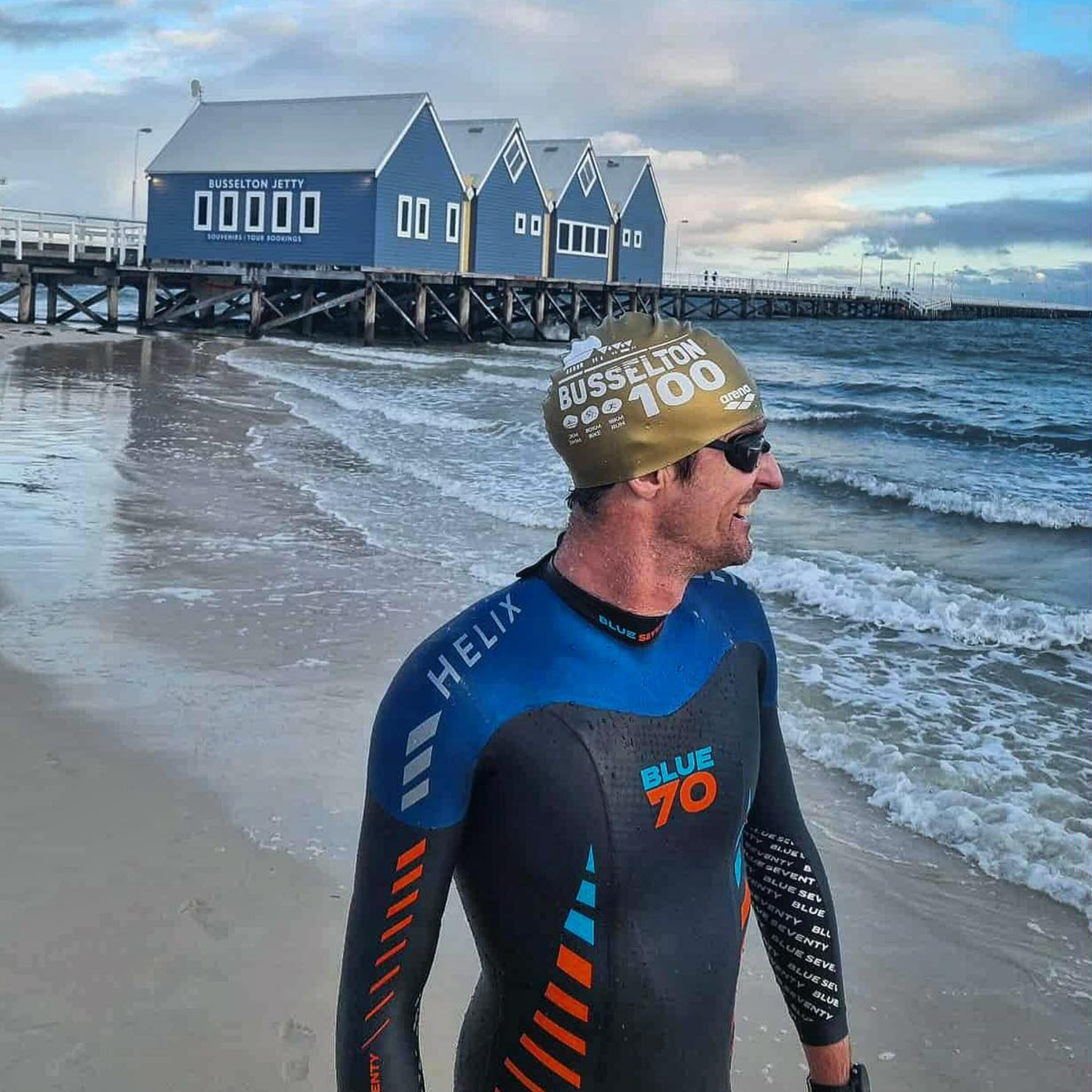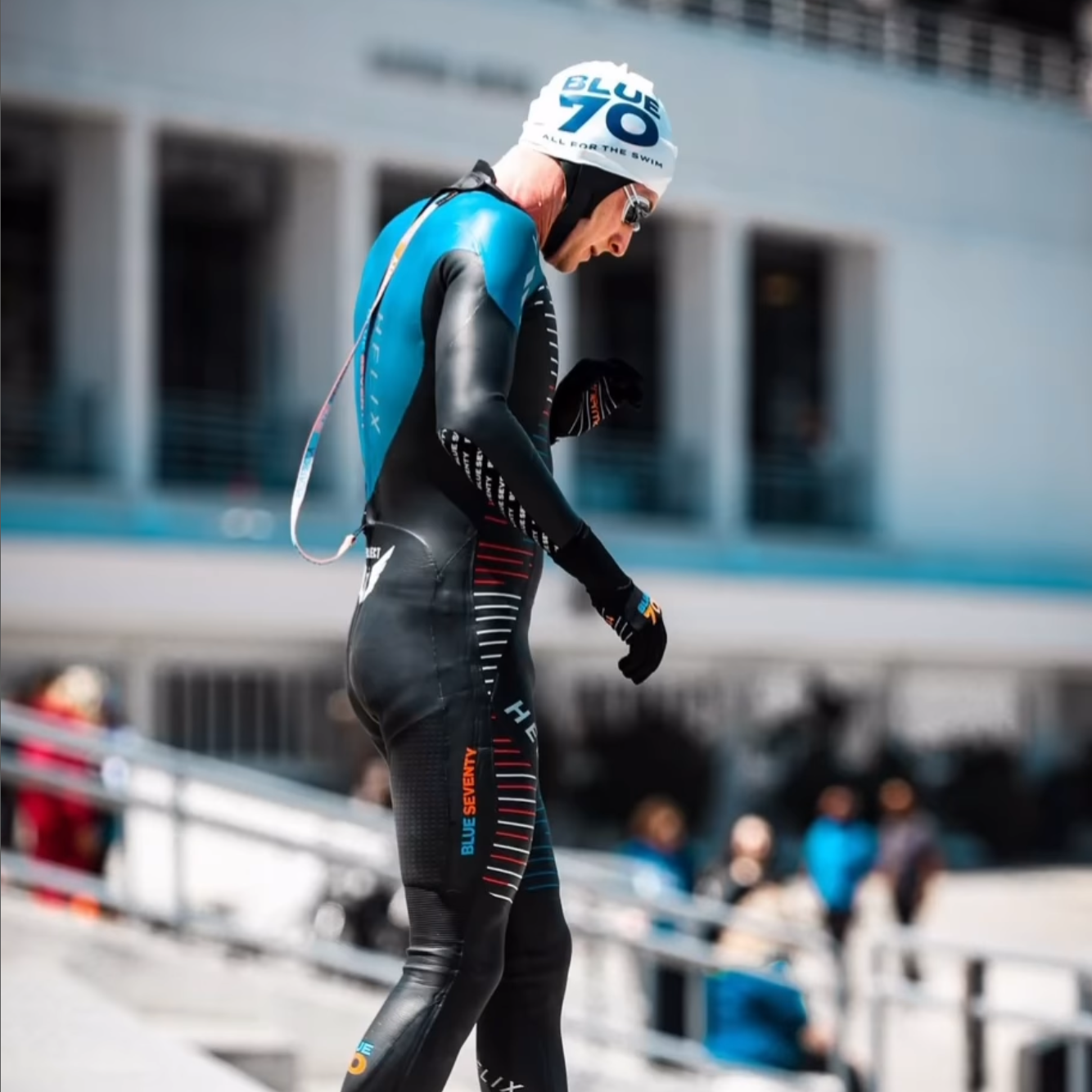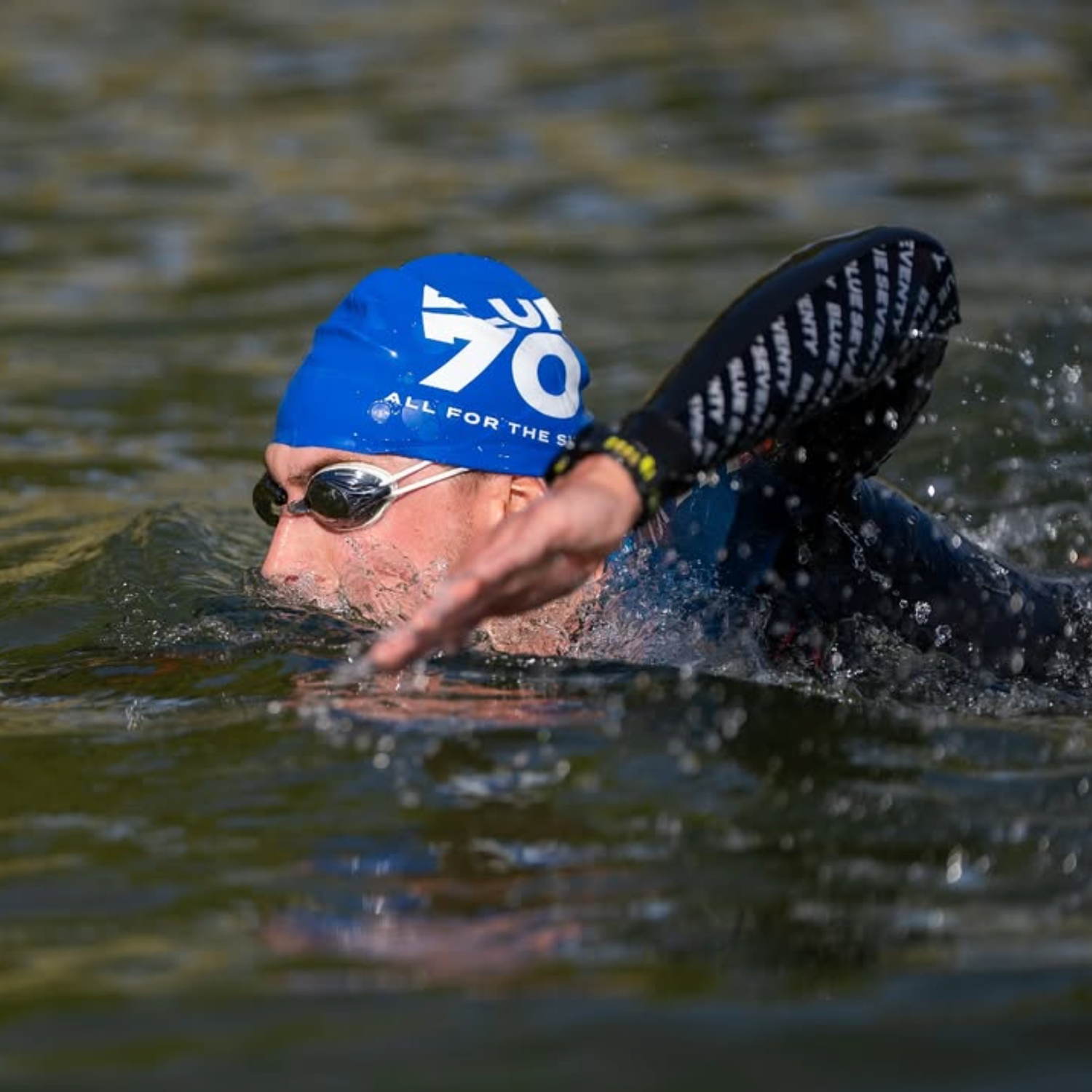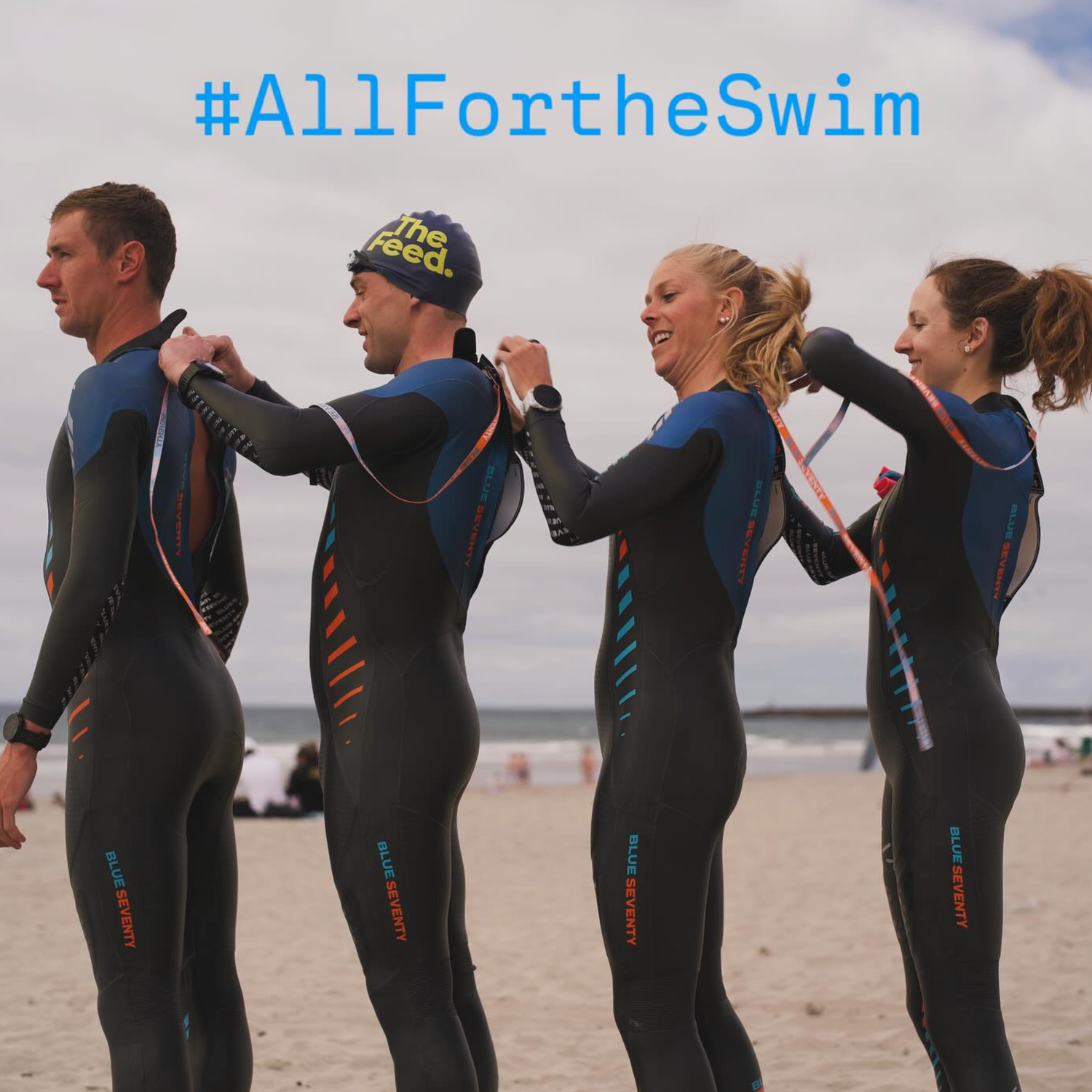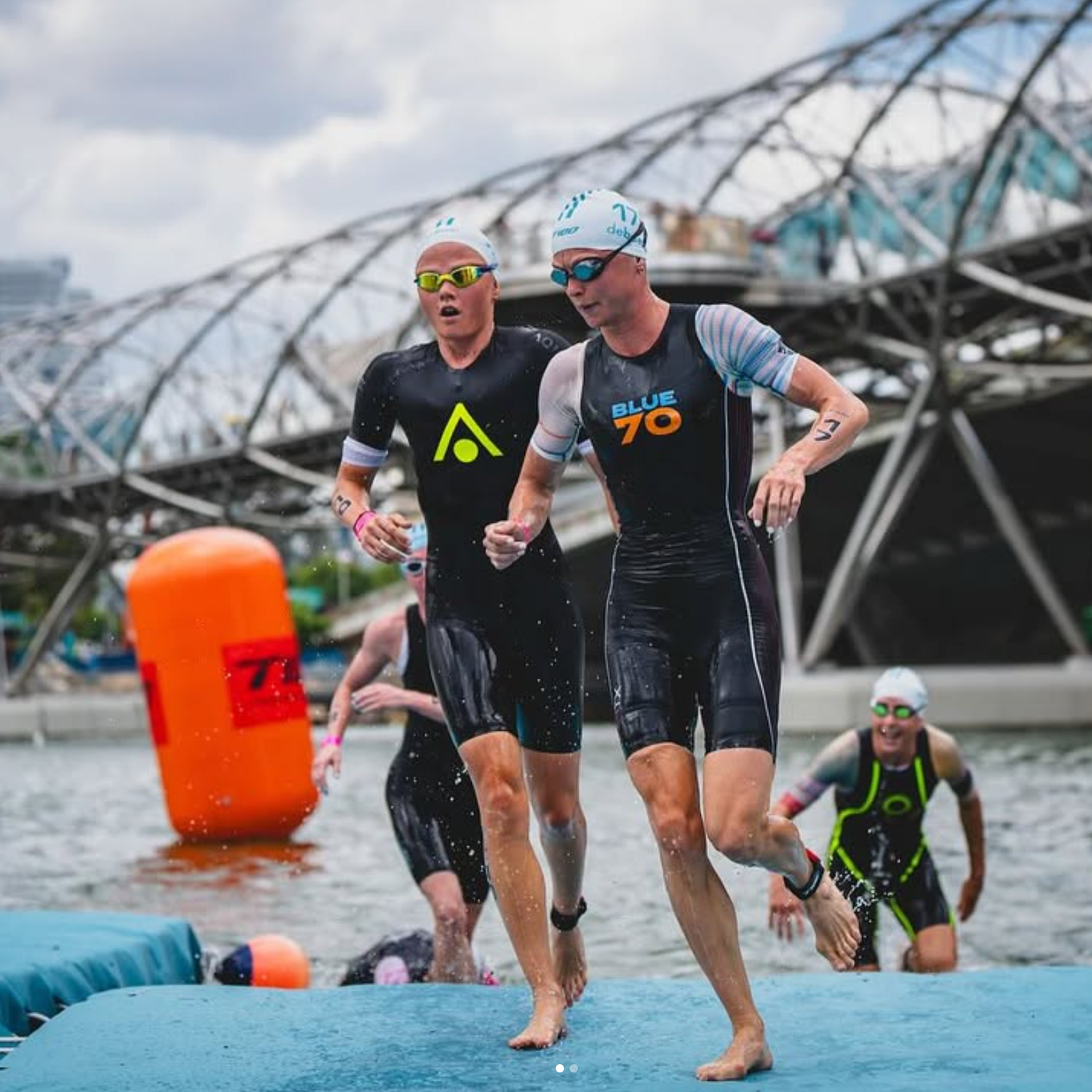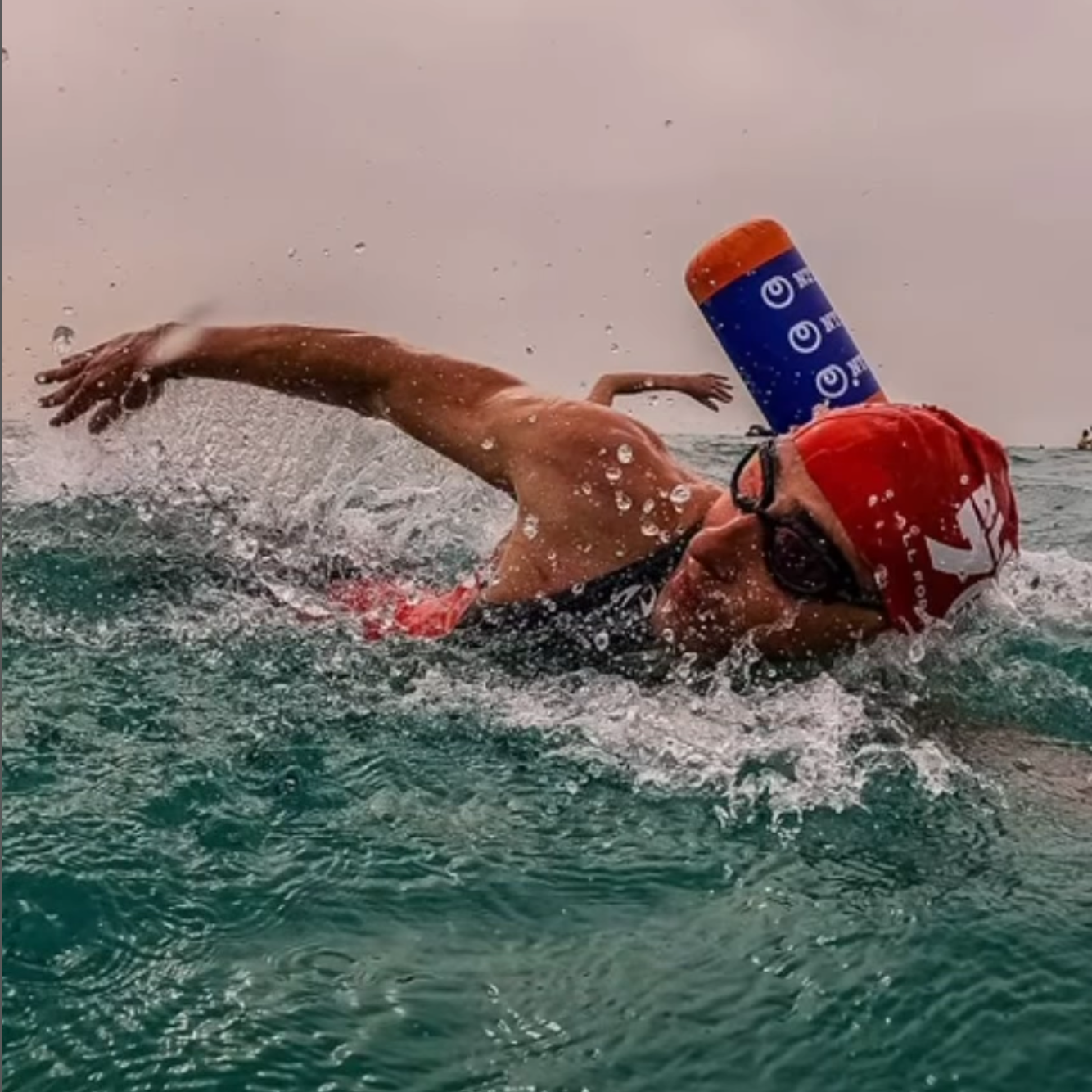



Blue70 builds every wetsuit in the line with Yamamoto neoprene in 38, 39, and 40 cell grades. In the water, those panels stretch more through a long freestyle reach than generic neoprene found in many non-swim suits, and they return to shape quickly between strokes. The difference shows up physically. A swim wetsuit has to allow thousands of overhead arm cycles without making your shoulders do the extra work.
Yamamoto is the material, not the wetsuit brand
Yamamoto is the neoprene manufacturer. Blue70 uses Yamamoto sheets across the line and selects different cell grades for different models. Standard neoprene is a broad category, not a specification. A wetsuit can be labeled neoprene without telling you its cell grade. That missing piece is exactly what Yamamoto's grading supplies for a swim-specific suit.
What cell grade actually tells you
Neoprene is a closed-cell foam. Each cell traps gas for insulation and buoyancy. The cell grade describes how fine and flexible that foam structure is. Higher cell numbers mean more, smaller cells in the same sheet, which makes a more supple panel. Blue70 uses three Yamamoto cell grades: 38, 39, and 40. A 40 cell panel is more flexible than a 38 cell panel. That number is the spec to check when comparing swim wetsuits.
Yamamoto vs standard neoprene in the water
The difference shows up most after the first 20 minutes. A lower cell grade panel begins to feel like a constant load on your lats and deltoids while you reach and pull. Blue70's 39 and 40 cell Yamamoto panels are selected to flex with the arm through every reach and pull. You notice less shoulder fatigue and a smoother return to your catch. For a swim-specific suit, that flexibility matters more than a long list of marketing features.
How Blue70 applies Yamamoto across the line
Every Blue70 wetsuit uses Yamamoto neoprene, but the panel mix changes with the job. The Helix uses thin, flexible neoprene in the arms and shoulders to preserve feel for the water. The Reaction uses a higher-grade Yamamoto neoprene that balances stretch with durability for swimmers who train once a week or more. The Fusion pairs a flexible build with a redesigned lower-sitting neckline for shorter frequent swims. The Thermal Reaction adds a full Zirconium jersey lining to the Yamamoto neoprene for added thermal protection in cold water.
Where warmth fits in
Cell grade is about flexibility. Most thermal protection comes from thickness, fit, and lining. For water below 56 to 58°F, the Thermal Reaction's Zirconium jersey lining adds the warmth. Above 70 to 72°F, a full suit can feel too warm over longer swims. A sleeveless Reaction or a swimskin becomes the more comfortable choice.
The durability trade-off
Flexible high-cell neoprene has an honest trade-off. Race-focused panels like the Helix's are built to be thin and fast, and they will wear sooner under heavy training use. Blue70's own guidance points frequent swimmers toward the Reaction for longer swims or the Fusion for shorter, more frequent sessions. Use the race suit for racing and put the training miles on a suit built for that load.
Choosing by training load
If you race and want the most flexible Yamamoto neoprene with a permeable catch panel, the Helix is the race-day option. For regular open-water training, the Reaction gives more durability. If you are new to triathlon or swim one or two shorter sessions a week, the Fusion matches that schedule well. In cold water, the Thermal Reaction is the purpose-built choice. Before you choose, use the sizing tool and, if you are between sizes, take a Test Swim. A suit that feels snug on land will feel more comfortable in the water. Happy swimming.