


The short answer: smooth skin is a slick, rubber-like outer surface on the neoprene. Mesh skin is a fabric-faced outer layer with more texture. In a swim-specific wetsuit, the outer face is a drag and durability decision, not just a cosmetic one. Smooth skin cuts friction. Mesh skin handles rough treatment.
What smooth skin does
Smooth skin has no fabric bonded to the outside of the neoprene. The surface is shiny and low-friction in the water. That slickness helps the suit slip through with less drag, which matters on calm race mornings when every bit of body position counts.
The trade-off is durability. Smooth skin tears more easily when fingernails, velcro, or rough pool decks catch it. A small nick can spread quickly, so you handle smooth skin with the pads of your fingers and keep sharp surfaces away from it.
What mesh skin does
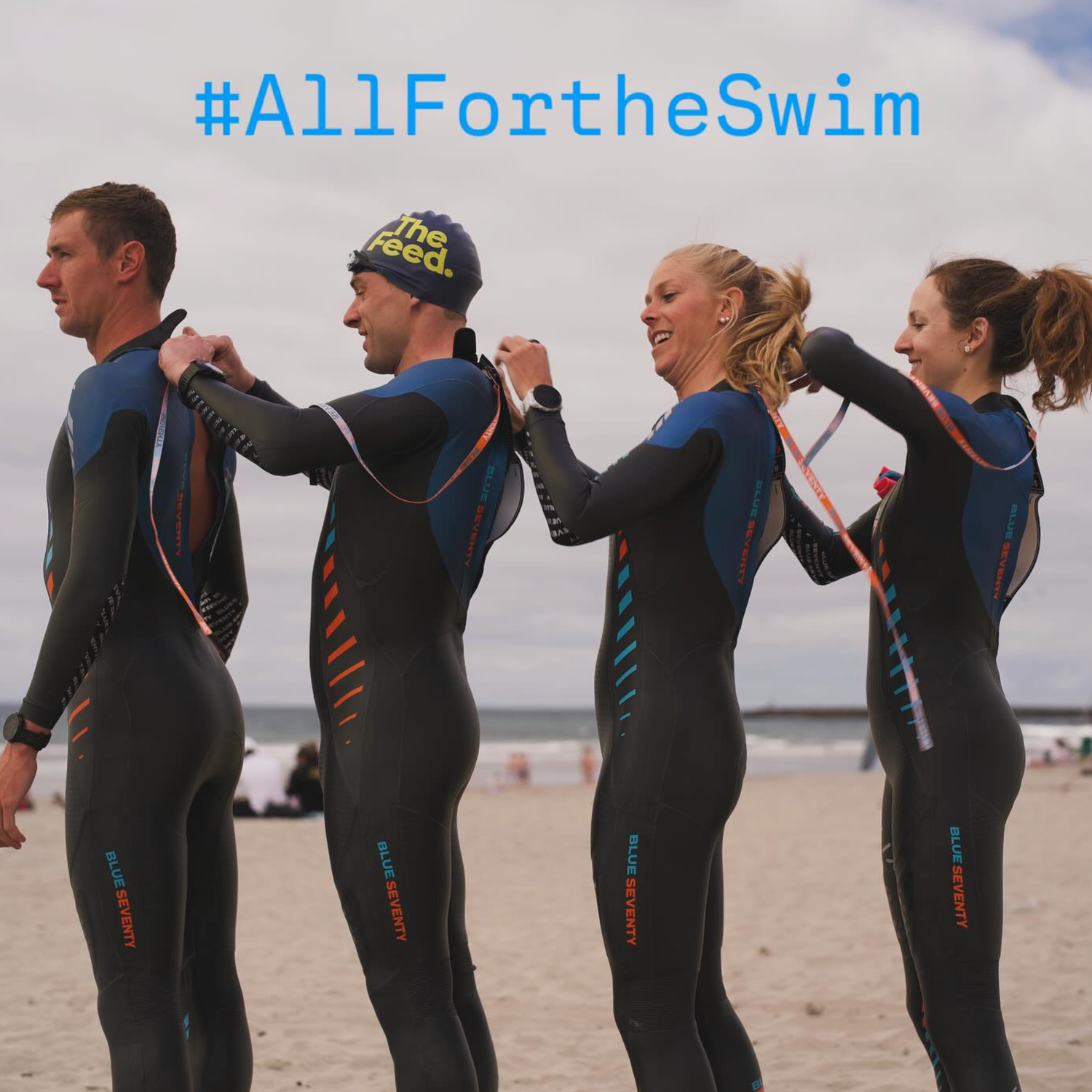
Mesh skin means a woven or knitted fabric is bonded to the outside of the neoprene. The fabric face gives the suit a matte, textured look and a tougher surface. A textured fabric outer face creates more drag in the water than a raw smooth skin outer face, but it also survives the weekly routine of putting on a suit, grabbing the legs, and pulling it over your shoulders without tearing.
Blueseventy wetsuits use Yamamoto neoprene in 38, 39, and 40 cell grades, where a higher cell number means more flexibility. The outer face is a separate layer decision from the cell grade. A suit can have flexible neoprene and still use a tougher mesh face where your hands land.
Why a well-designed suit mixes the two
Most swim-specific wetsuits do not use one surface everywhere. Smooth skin tends to appear where low drag helps. Mesh skin stays where the suit gets handled, such as the torso, the legs, and the spots you grab when you dress. That mix gives you speed where water flows over you and durability where your hands do the work.
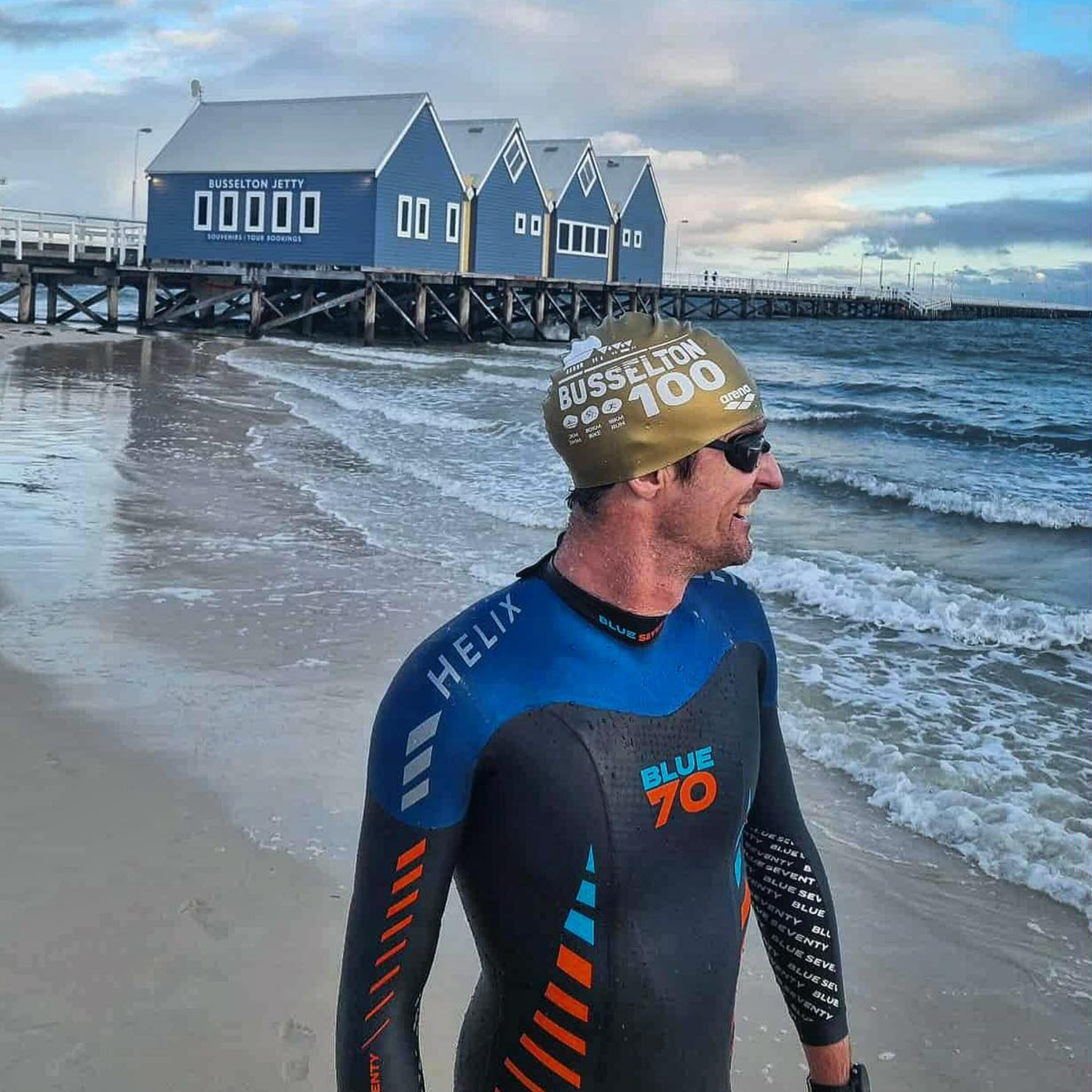
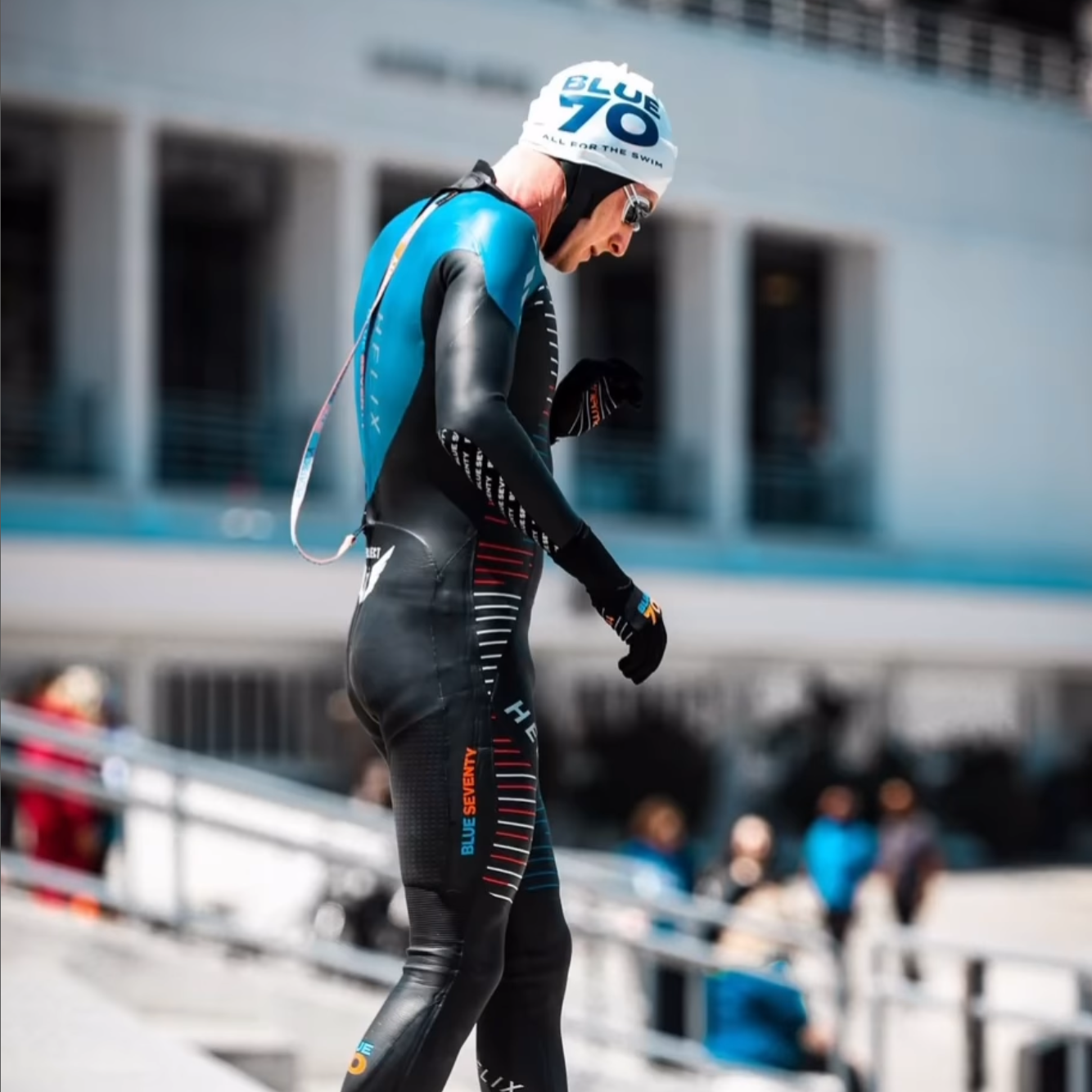
Blueseventy follows that logic in suit construction. The Helix is built around total race-day feel and uses thin, flexible neoprene in the arms and shoulders. The suit is a performance-first choice, so the outer surface deserves careful handling. The Reaction and Fusion are better matched to frequent training, with outer faces that tolerate repeated use. The Fusion is a best seller for shorter, frequent swims. The Reaction handles longer and more regular open-water sessions.
Inside versus outside
Do not confuse the outer face with the inner lining. Smooth skin and mesh skin describe the outside of the suit. The inner lining is about warmth and how the suit feels against your skin or base layer. For cold water, the Thermal Reaction uses a Zirconium jersey lining, a synthetic wool, to add thermal protection. That lining sits inside the suit, not on the outer surface.
A wetsuit still lets a thin layer of water in. Your body warms that layer, which is how the suit provides insulation. The outer face does not seal that water out. It affects drag and wear.
Caring for both surfaces
Neoprene lasts longer when you handle it gently.
- Put the suit on with the pads of your fingers and pull from the inside. Never grab the outer face with fingernails.
- Keep velcro, watch bands, and race belts away from smooth skin panels.
- Rinse the suit in cool fresh water after every swim and let it dry inside out first.
- Store it flat or over a thick rail. Folding smooth skin hard can crease or crack it over time.
- For small nicks, use a neoprene cement such as Blueseventy's Aquaseal to seal the tear before it spreads.
Which surface matches your swimming
If you race a few times a season and want total race-day feel, a race-focused suit like the Helix is worth a look. Treat its outer panels with care. If you swim in open water once a week or more, the Reaction or Fusion will give you a more durable outer face while keeping the same swim-specific fit and buoyancy benefits. For colder water, the Thermal Reaction adds a warm lining under a suit built for longer cold swims.
Think of it this way: smooth skin is for speed, mesh skin is for durability. A good swim wetsuit uses both in the right places, and how you treat the surface matters as much as which suit you buy. If you are deciding between Blueseventy models, take one for a test swim. You can swim in a Blueseventy wetsuit and still return or exchange it within 30 days as long as it comes back clean, dry, and unmodified. That is the best way to feel which surface and fit work for your stroke.