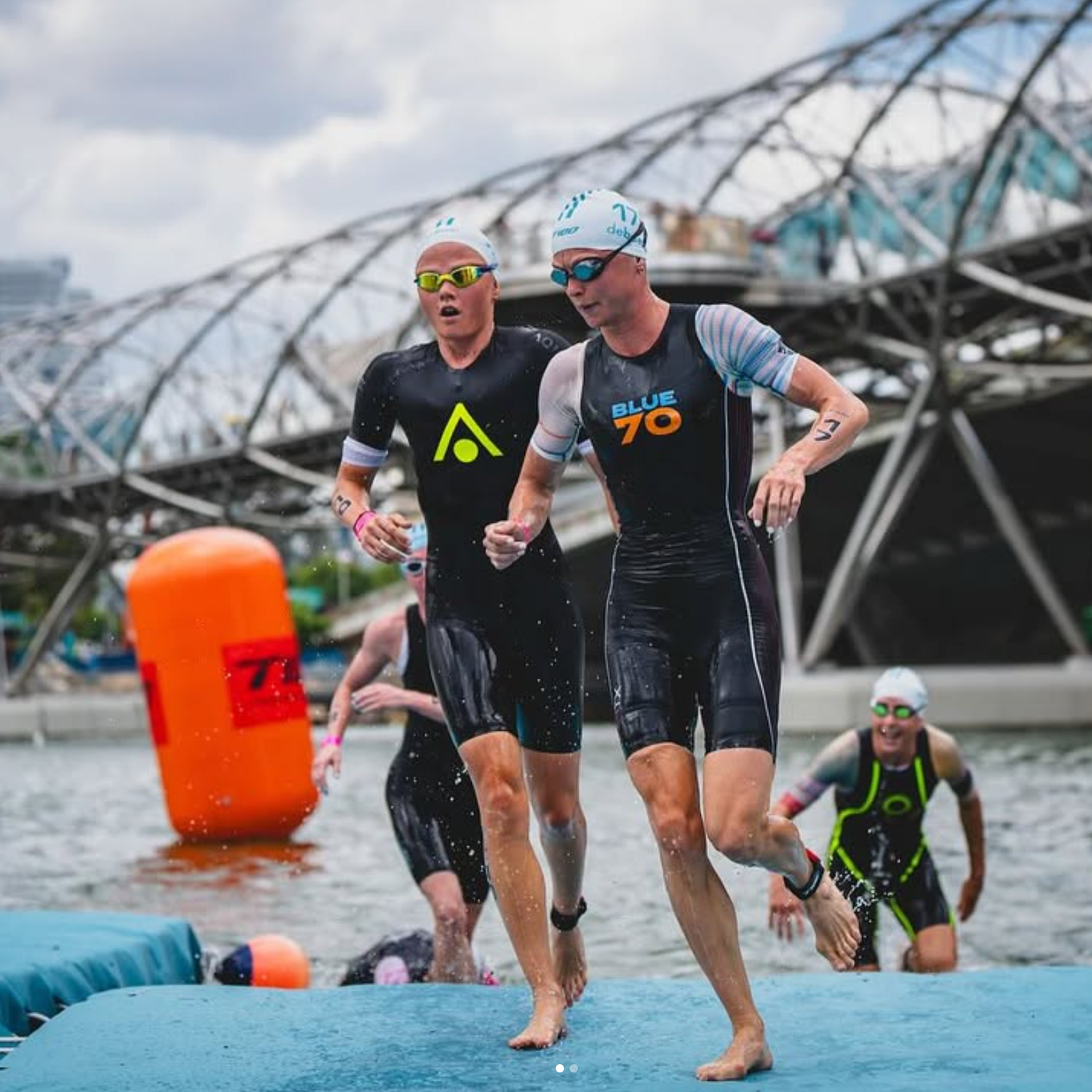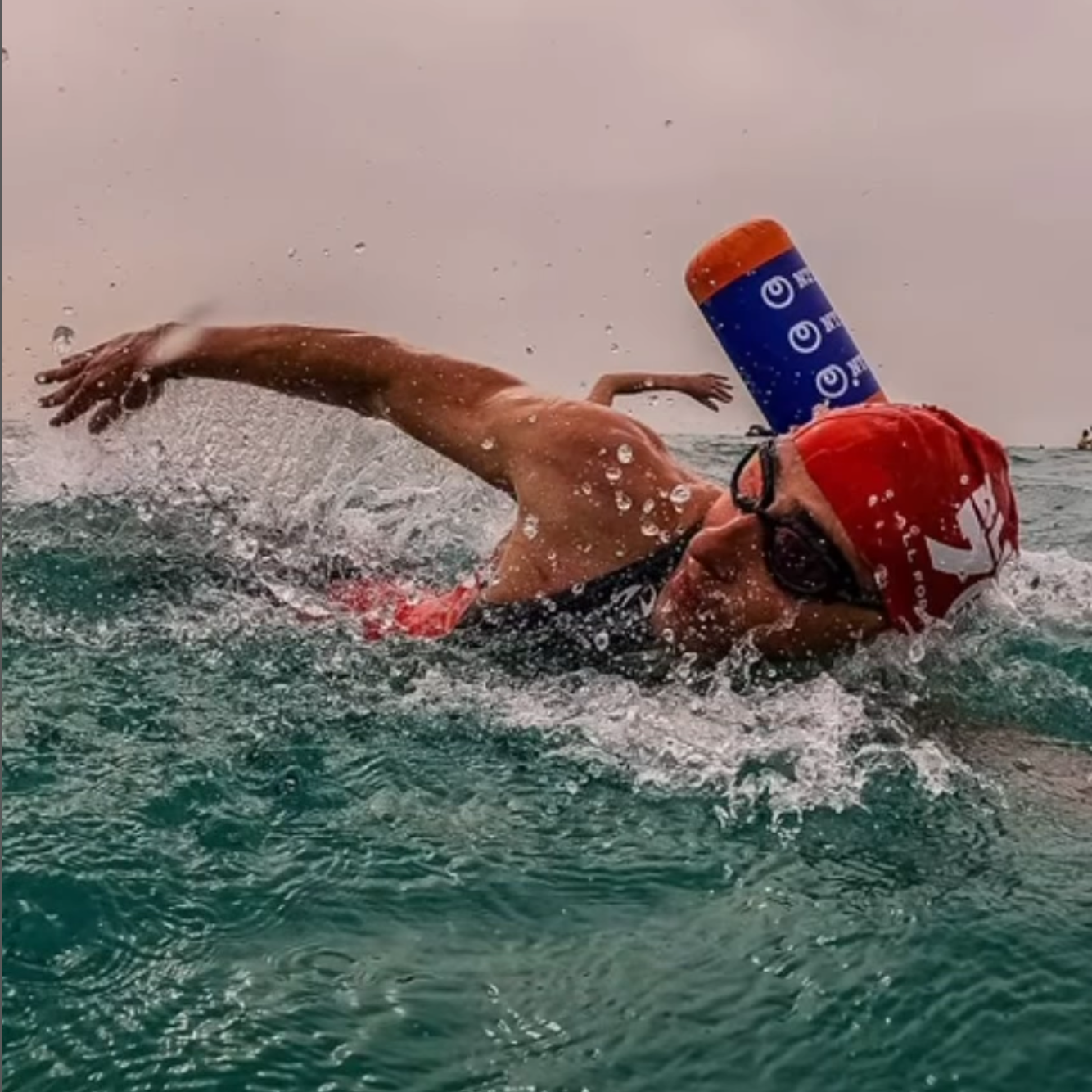



The best way to break in a new Blue70 wetsuit is to put it on carefully, swim in it, and let the suit soften through use. A new suit feels snug on dry land. That snugness is the suit doing its job. You don't need to yank it, hang weights from it, or soak it in hot water. The break-in comes from a few easy swims that flex the foam across your shoulders, lats, and torso.
Put the suit on without rushing
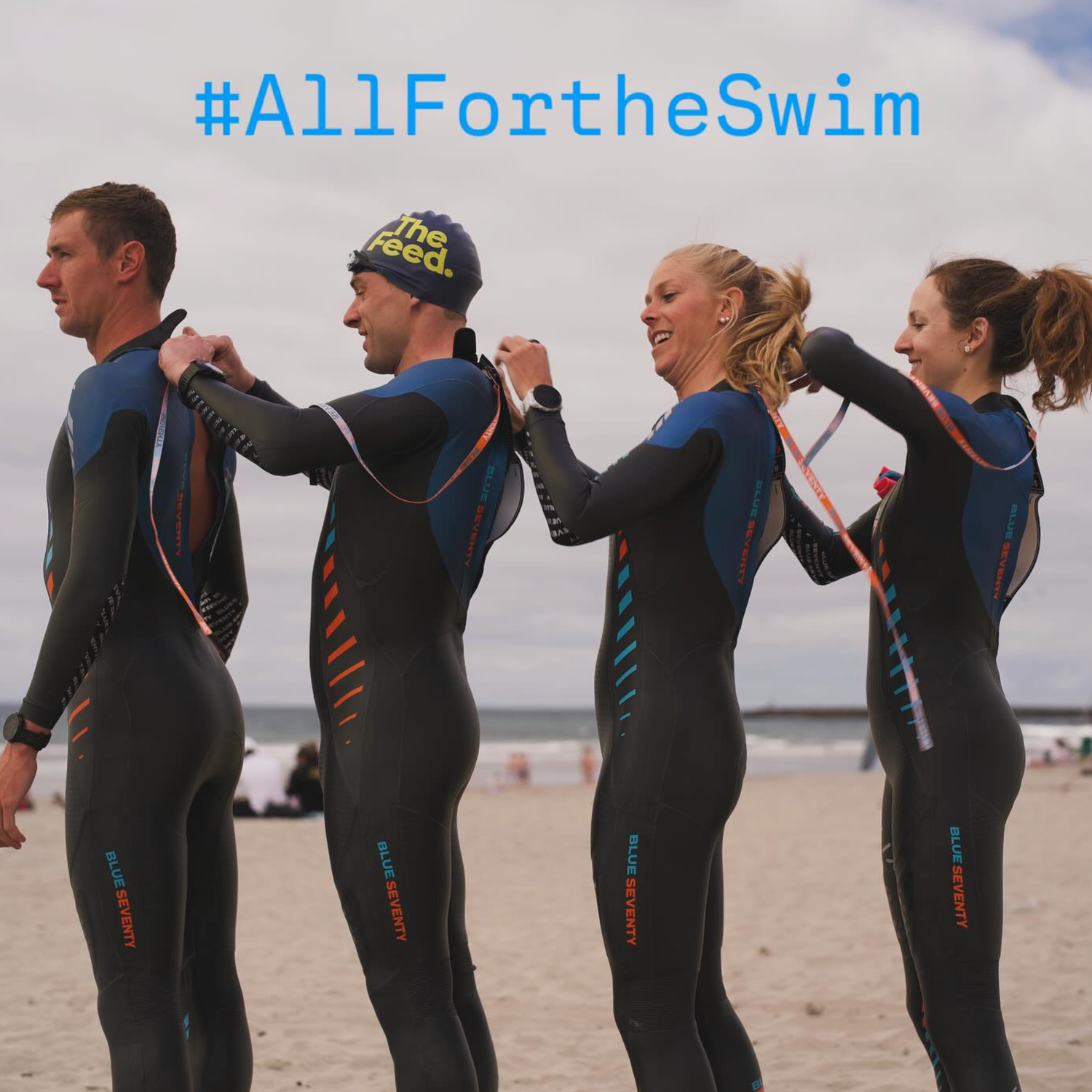
Most first-swim discomfort starts with donning. Pull the suit up in small stages, using the pads of your fingers rather than your fingernails. Start at the ankles, work the material over the calves, then the thighs, hips, and torso. Leave the shoulders until last. Once the suit is up, reach back and lift the neoprene away from your skin to seat the shoulder panels higher. A suit that isn't fully seated at the shoulders will pull across the chest and restrict your arm lift. That pull is often mistaken for a suit that needs breaking in. Fingernail punctures fall outside the one-year manufacturing warranty, so take your time during this step.
Do a short easy first swim
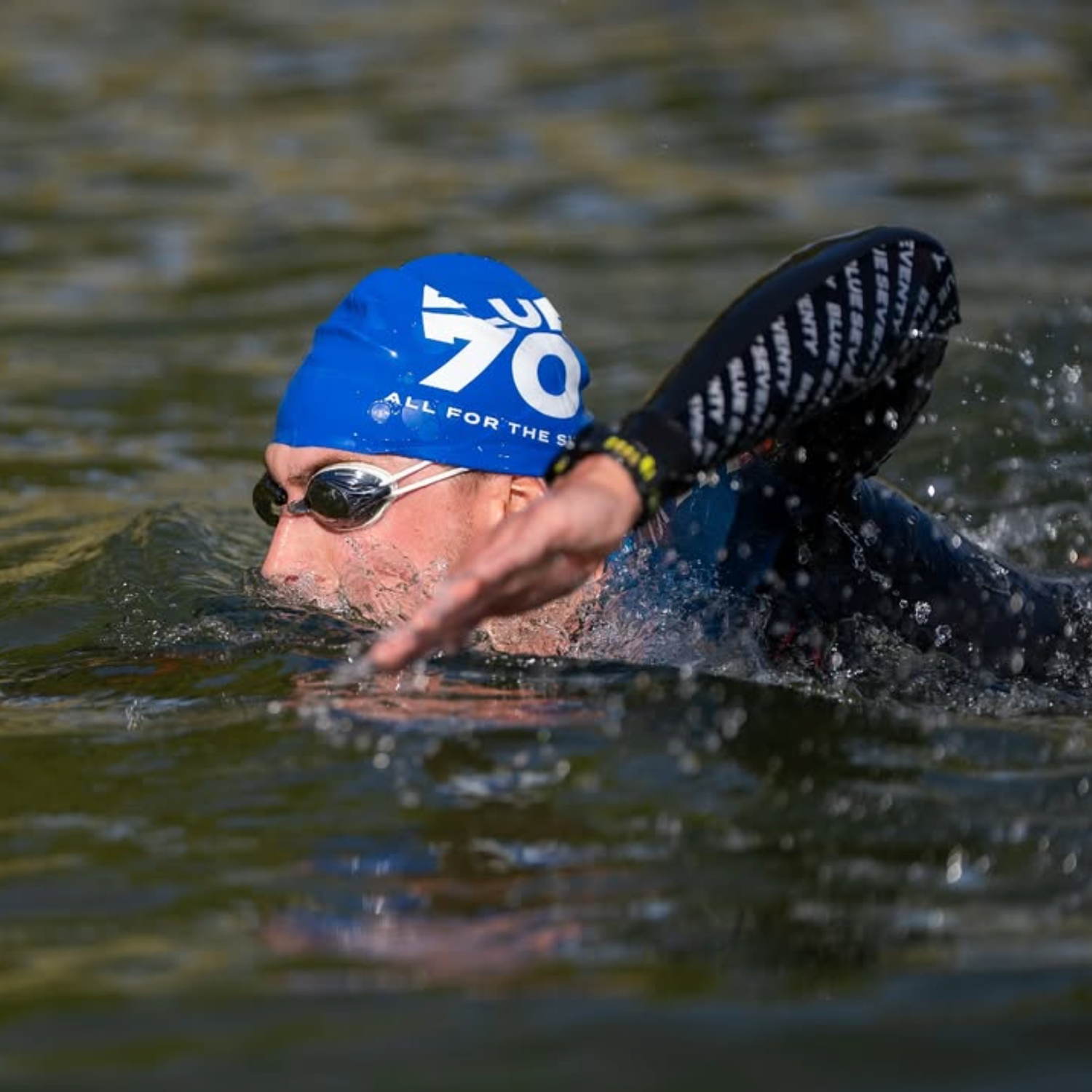
Swim easy freestyle for a short stretch, then stop and check how the suit feels. Choose calm water for your first outing. The suit isn't waterproof, and it isn't designed to keep you dry. It lets a thin layer of water in, and your body warms that water. That layer is the insulation working. If the shoulders feel tight after the first few minutes, adjust the suit in the water. Pull the legs up a little, lift the shoulder panels, and settle the neck. Then swim again. The first session should focus on mobility.
Let body heat and movement flex the neoprene
Blue70 builds its wetsuits with Yamamoto neoprene in 38, 39, and 40 cell grades. Higher cell numbers mean more flexibility. A new suit can feel stiff because the foam and lining haven't been flexed through a swimming motion. Each stroke works the shoulder and lat panels. After a handful of swims, the suit softens and starts moving with you.
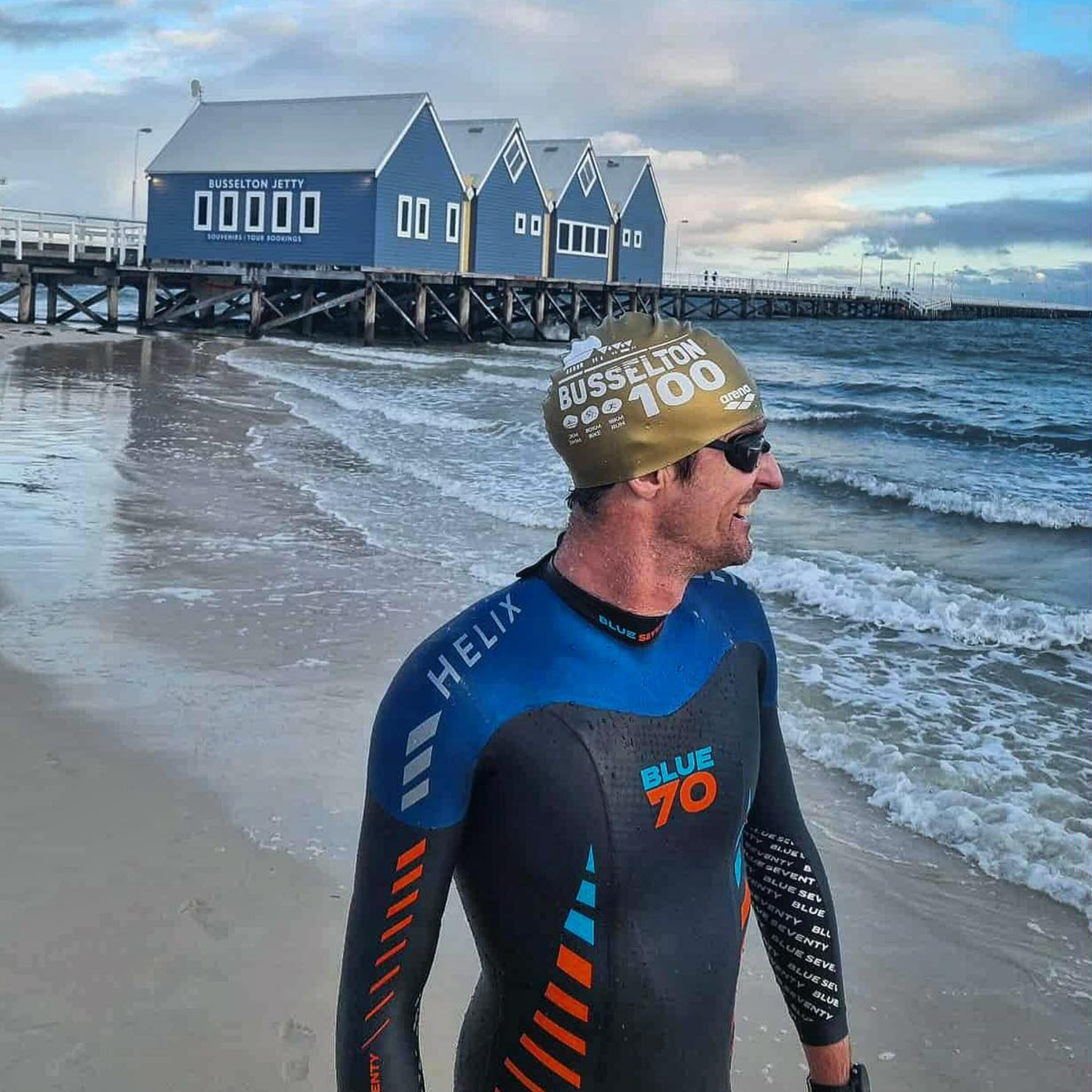
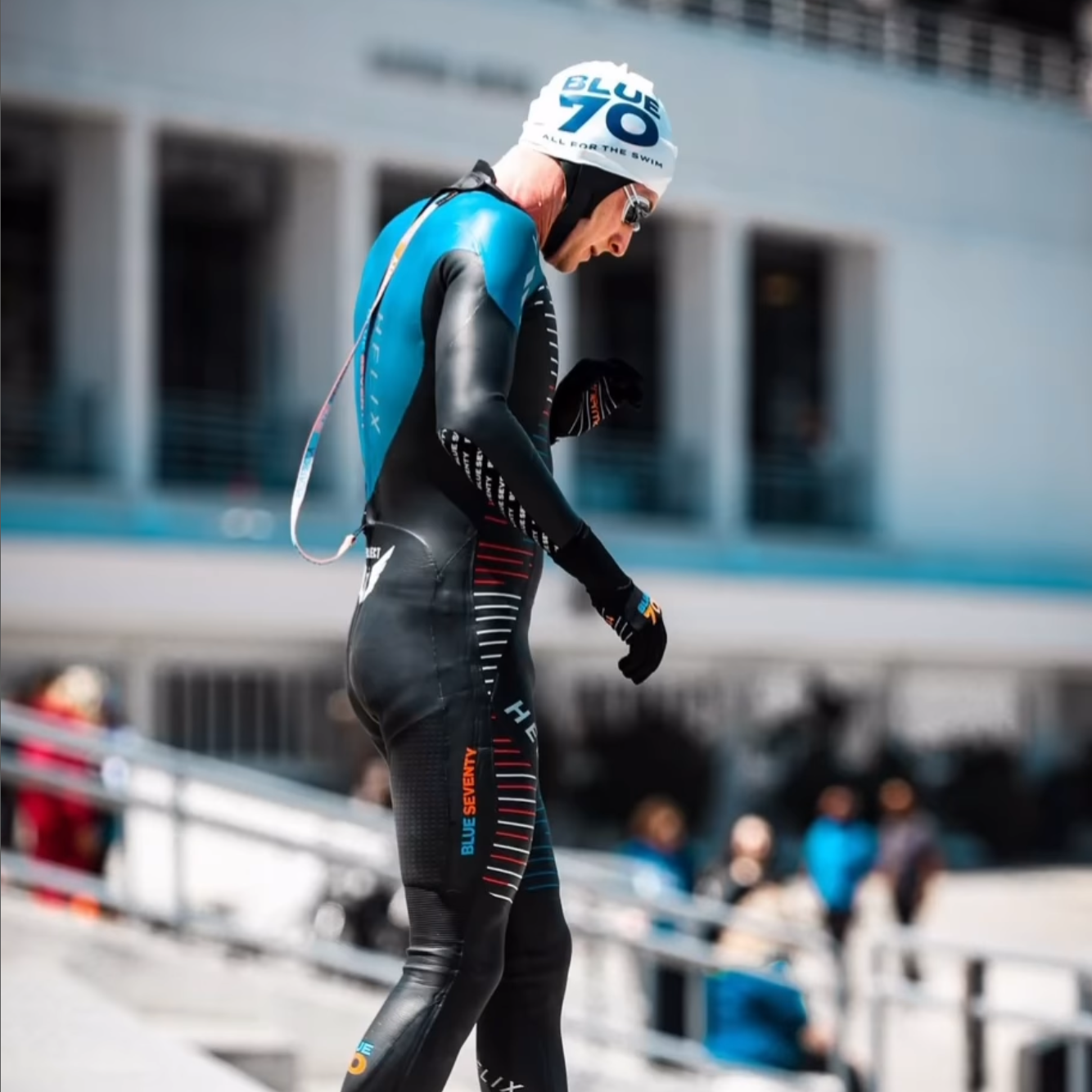
Because Blue70 suits are swim-specific, the shoulder panels are built for repeated overhead movement. The Helix uses thin, flexible neoprene in the arms and shoulders, so it feels supple from the first swim. If you bought a Helix, remember that its thin shoulder neoprene is built for race-day performance, so it will flex easily but won't tolerate the same daily training load as a Reaction or Fusion. Reaction and Fusion use neoprene chosen for more frequent swimming, so they may feel firmer until the panels flex.
Don't try to stretch the suit by hand or hang weights from it. That stresses the seams and zipper without doing what swimming does.
Rinse and dry after every swim
Rinse the suit in cool fresh water after pool or open water swimming. Chlorine, salt, and heat break down neoprene over time. Dry the suit inside and out away from direct sun and radiators. Hang it folded at the waist over a wide bar rather than by the shoulders. Heat and chlorine damage are excluded from the warranty, so simple rinsing and shade drying extend the life of the suit.
Check fit after a few swims
If after a few swims the suit still cuts into your neck, restricts breathing, or limits your arm lift, the problem is fit. A suit that fits will feel more comfortable once you're in the water. It should not hurt. Use the Test Swim policy. You can swim in the suit and still return or exchange it within 30 days if it is clean, dry, unmodified, and has tags and accessories. This policy lets you try the suit in real water before committing. If you're unsure about your size, use the sizing tool or contact Blue70 support before the return window closes.
Start with a careful first donning, do a short first swim, rinse well, and let the next several sessions do the break-in work. If the suit still fights you after that, take a Test Swim and exchange it. Happy swimming.