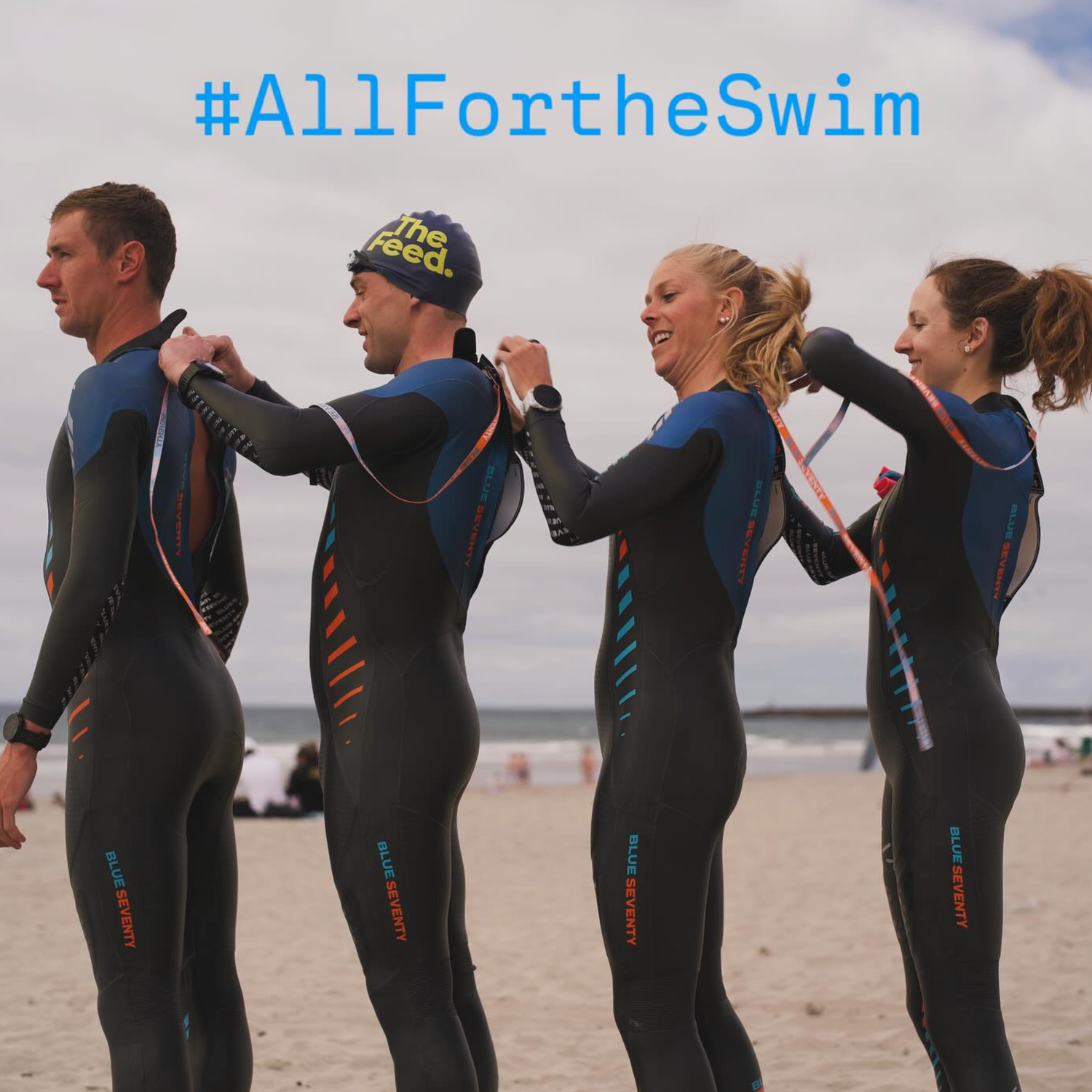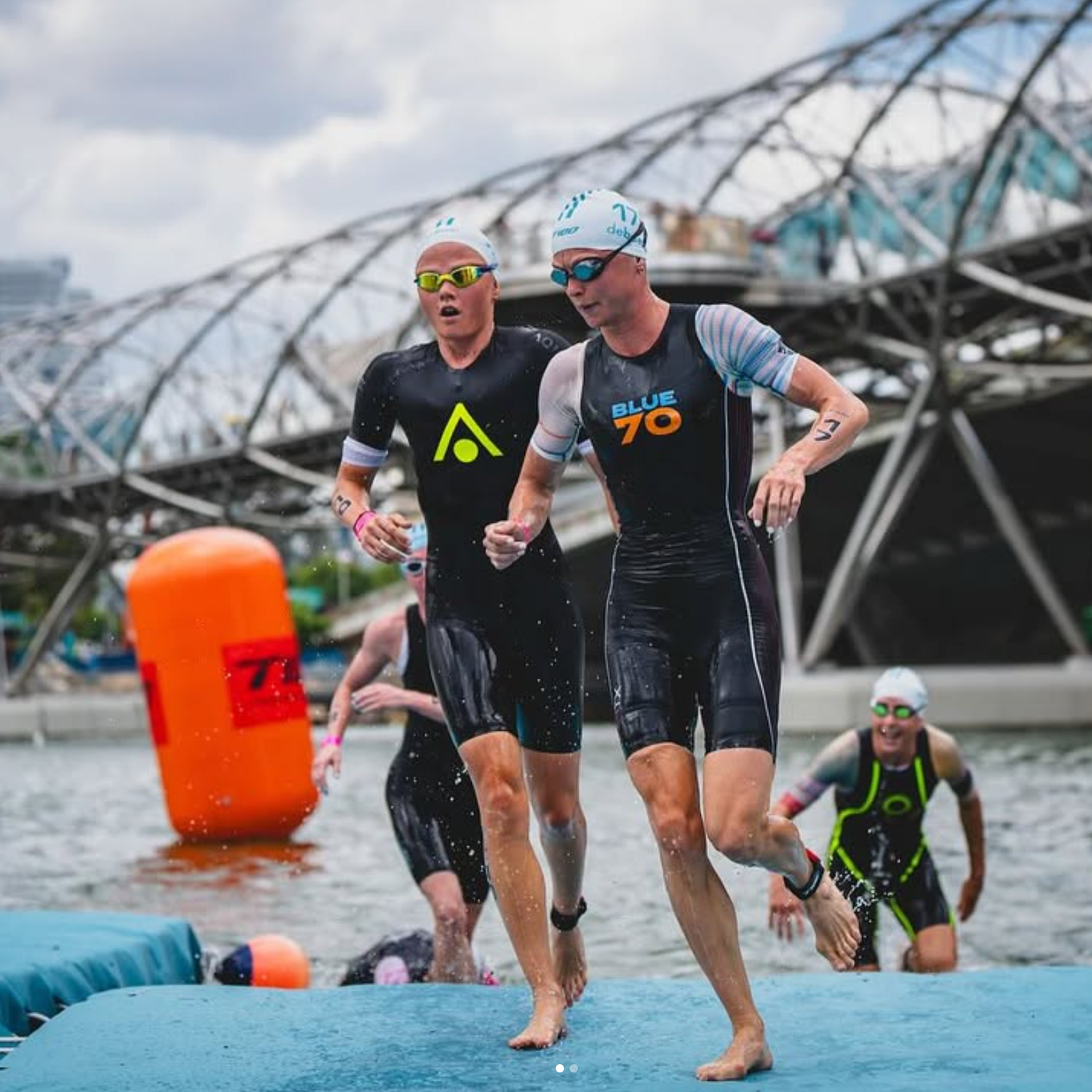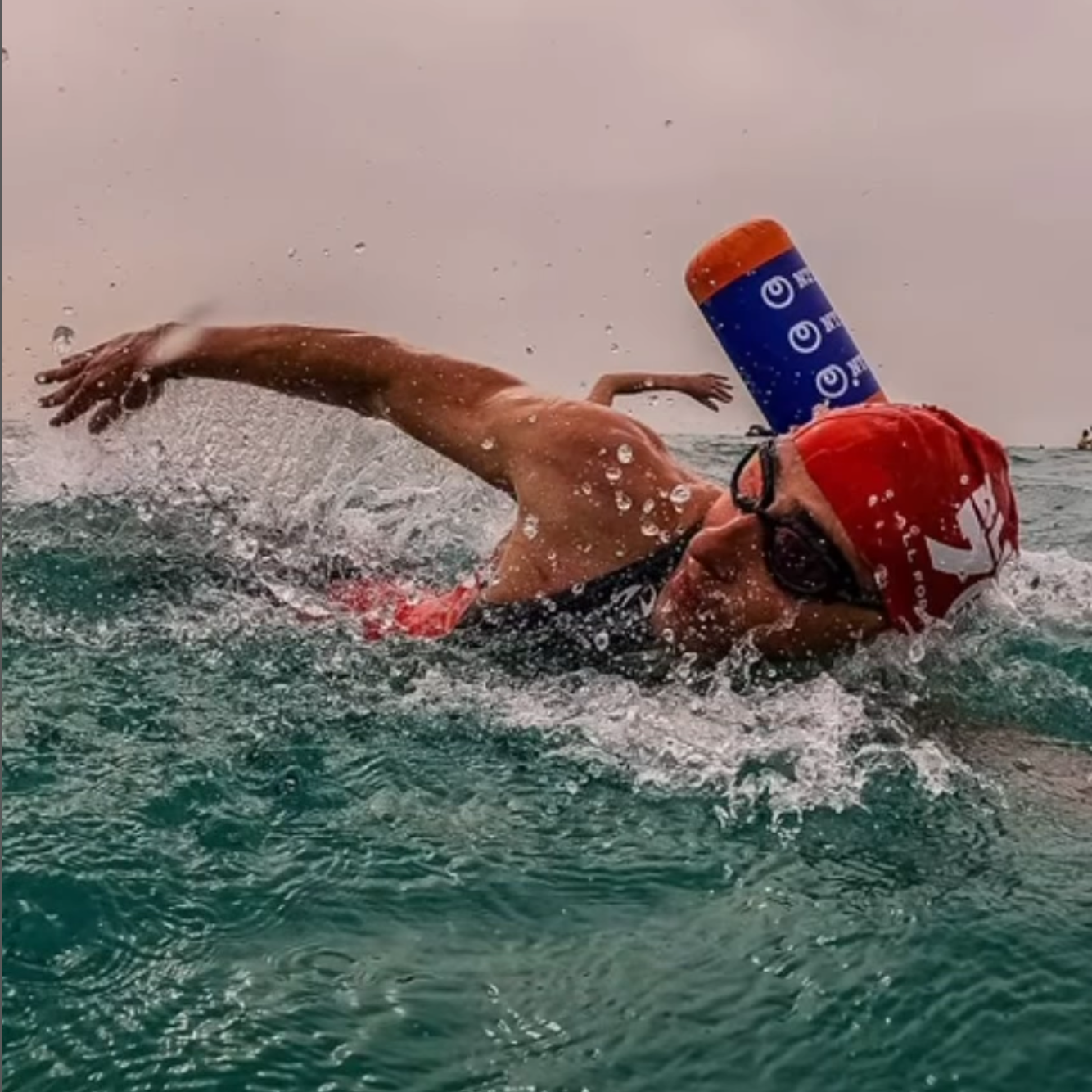



Walking into the world of open-water swimming or your first triathlon can feel like staring at a sea of unfamiliar gear. The most important piece of that puzzle - and often the most confusing - is the wetsuit. The short answer? For most beginners, the blueseventy Sprint is an ideal starting point. It's swim-specific, thoughtfully designed for comfort and flexibility, and priced at $325 to make that first jump into open water as frictionless as possible. But "best" really depends on your swimming plans, the water you'll swim in, and how often you expect to suit up. Let's break it down so you can pick the right suit with confidence.
What makes a wetsuit good for a beginner?
A first wetsuit shouldn't fight you. It should offer buoyancy that helps lift your legs, reduce drag, and encourage a more natural body position. It needs to be flexible in the shoulders so you can swim freely without fighting the suit on every stroke. Durability matters too: as a beginner, you might fumble the suit on and off a few times - we've all been there - and softer, ultra-delicate race suits won't tolerate that kind of handling. Finally, a beginner's wetsuit should make the process of gearing up and hitting the water feel approachable, not intimidating.
The swim-specific difference
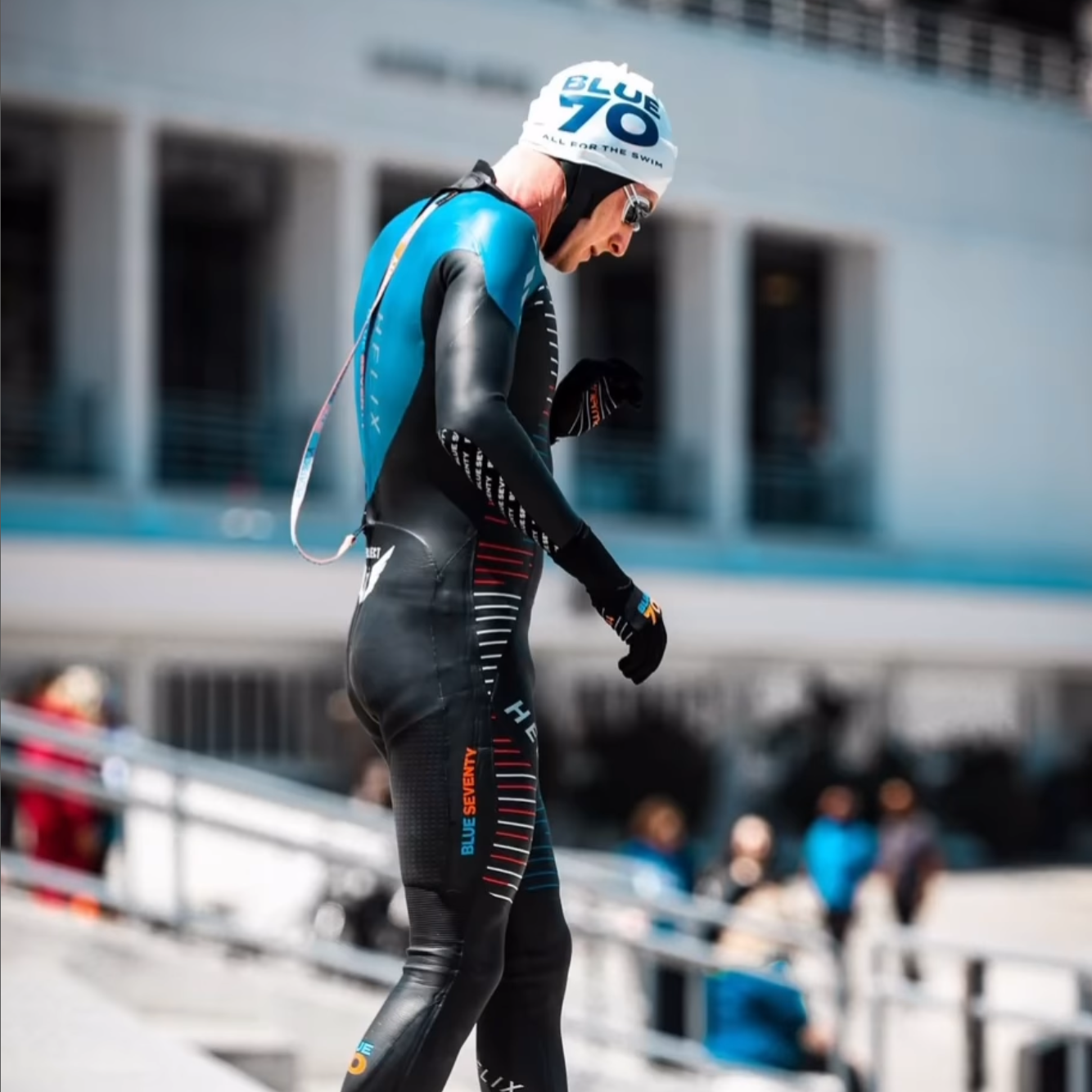
If you've ever borrowed a surfing wetsuit for a lake swim, you'll know the difference immediately. Surf suits are built for warmth and durability while sitting on a board - thick, stiff neoprene, especially in the arms. A swimming wetsuit, on the other hand, is engineered around the freestyle stroke. blueseventy suits use premium Yamamoto neoprene with thinner, extremely flexible panels across the shoulders and arms, thicker buoyancy panels in the legs and core, and low-profile necklines. Everything is designed so you can rotate, reach, and pull without restriction. In a word: a swimming wetsuit works with your stroke rather than against it.
Key factors to consider before you buy
Water temperature
Wetsuit comfort is a sliding scale. As a general comfort guide:
- If you'll be swimming mostly in water that's cool to cold - low-to-mid 60s°F and below - a full suit with full coverage is the way to go.
- In really cold water below the mid-50s°F, look for a thermal-specific suit designed for cold-water swimming.
- If you're only swimming in warm summer water - low 70s°F and up - a full suit can get hot quickly, and a shorty or sleeveless model is often more practical.
Swim frequency and durability
If you're signing up for one race and a handful of practice swims, an entry-level suit like the Sprint will serve you well. If you're jumping into weekly open-water training and plan to swim for seasons to come, stepping up to a more durable suit that still prioritizes flexibility - like the Fusion - is a smarter long-term investment.
Fit
A triathlon or swimming wetsuit should feel noticeably snug on land and then relax slightly once you're in the water. If it's loose enough to be easy to put on in your living room, it's likely too big and will let water pool, creating drag and chafing. The suit should follow your body like a second skin without restricting your breathing or shoulder mobility. Fit is the difference between loving your wetsuit and dreading it.
Budget
Start with what you can afford without sacrificing a swim-specific design. A beginner-friendly swimming wetsuit will repay you in better body position and reduced fatigue from the very first swim.
blueseventy wetsuits built with beginners in mind
Every blueseventy wetsuit is made for swimming - not adapted from another sport. For someone just starting out, three models stand out.
Sprint ($325) - The entry-level workhorse. The Sprint uses high-quality Yamamoto neoprene to give you the flexibility you need in the shoulders, with strategic buoyancy panels through the legs to lift your hips toward the surface. It's comfortable, reasonably durable, and delivers the core benefits of a swim-specific wetsuit at an accessible price.
Fusion ($420) - The next step up. If you already know you'll be swimming regularly, the Fusion is worth the bump. It uses a higher-grade neoprene than the Sprint for a smoother, more comfortable flex, and its 2021 redesign introduced a lower-sitting neckline that dramatically reduces that uncomfortable tightness around the neck without sacrificing the watertight seal. For someone swimming once or twice a week in spring and fall lakes, the Fusion hits the sweet spot of durability and performance.
Glide Short John ($210) - The warm-water, easy-entry option. A short-john cut - sleeveless, with short legs - is approachable, packs small, and is a breeze to put on. It gives you the buoyancy benefit in the legs and core while letting your arms move with zero restriction. If most of your swimming happens in the middle of a warm summer - think 72°F and above - the Glide is a legitimate, cost-effective way to get your first taste of swim-specific buoyancy.
For the beginner in a perpetually warm climate who still wants more upper-body freedom, the Reaction Sleeveless ($395) is another excellent route: all the flexibility of a sleeveless suit with premium materials designed for frequent use.
Getting the fit right - it's everything
The number one mistake first-time wetsuit buyers make is sizing too large. A suit that feels roomy on land will billow with water mid-swim and work against you. The right fit feels like a firm, all-over hug when you try it on dry. In the water, you'll feel supported, not squeezed.
For women especially, a wetsuit cut from a unisex pattern can cause real problems: gaping at the back, rubbing around the neck, and a zipper that fights you at every turn. That's why every women's blueseventy wetsuit is built with Femme Fit - a completely separate pattern design that refines the fit through the bust, torso, wrists, and ankles, lowers the neckline for comfort, and extends the zipper for easier entry and faster transitions. If you've ever struggled with a wetsuit that clearly wasn't made for your body, this changes the game.
Before you buy, use the size chart on our site - just your height and weight get you within the right ballpark. And then, crucially, take the suit for a test swim. blueseventy offers a Test Swim policy: you can swim in your new wetsuit and still return or exchange it as long as it's clean, dry, and unmodified. That removes the anxiety of gambling on an expensive piece of gear. Put it through its paces in the water you actually swim in, and if the size isn't perfect, swap it out.
A few words on care
With just a little attention, your first wetsuit can last for seasons. After every swim, rinse it thoroughly with fresh water - chlorine and salt accelerate breakdown. Dry it inside and out away from direct sunlight. And when you're putting it on, be mindful of your fingernails - those tiny crescent punctures in the shoulder are the single most common way a new suit takes damage. Use the pads of your fingers, not your nails, to pull the neoprene into place.
Ready to dive in?
Your first open-water swim in a proper swimming wetsuit is a revelation. Suddenly your legs aren't sinking, you're gliding with less effort, and you can focus on the rhythm of your stroke rather than just staying afloat. Whether you pick up a Sprint, a Fusion, or a Glide for those hot lake days, the right suit makes the whole experience feel like your sport, not a fight.
Browse our entry-level wetsuits and find your size in 30 seconds. When it arrives, take it for a test swim - it won't affect your ability to return it. Happy swimming!