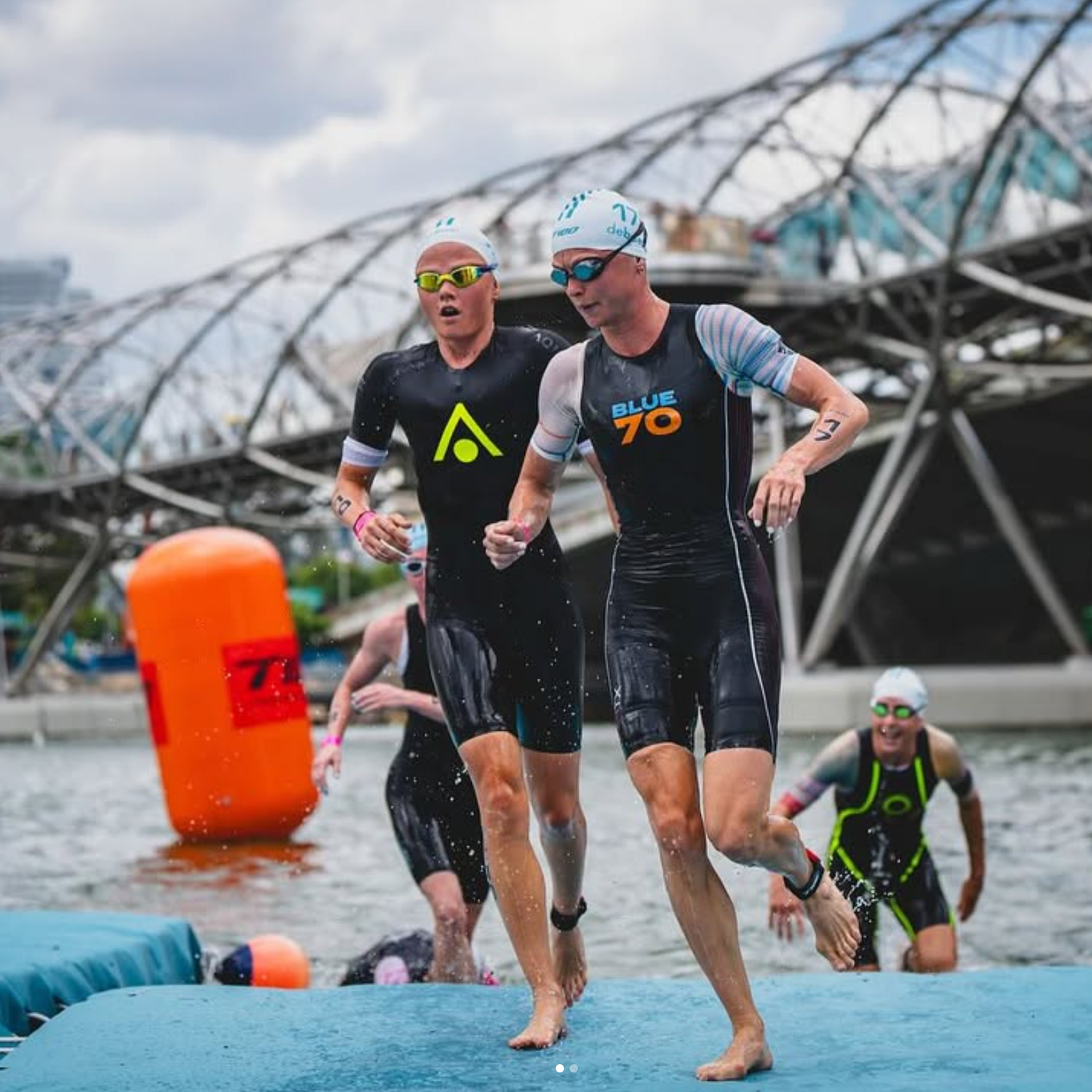



The useful answer is a range, not a single number. A Blueseventy wetsuit used once a week should deliver three to five seasons before you notice a drop in buoyancy or shoulder flexibility. Some swimmers get more. A race-only suit used as a weekly trainer will get less.
That range holds when you match the suit to the job and take care of it. The suit gives you warning signs long before it stops working.
Model choice moves the timeline
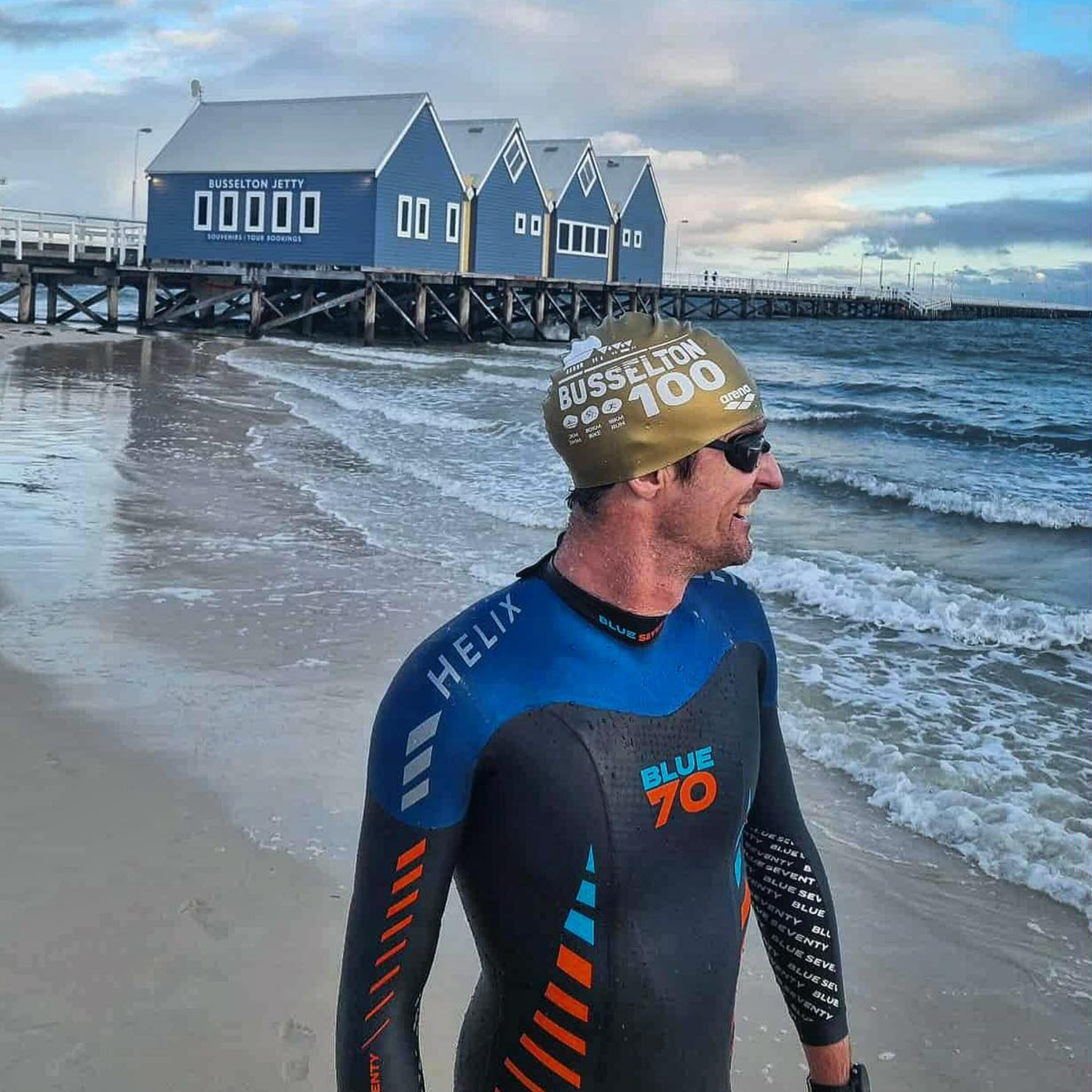
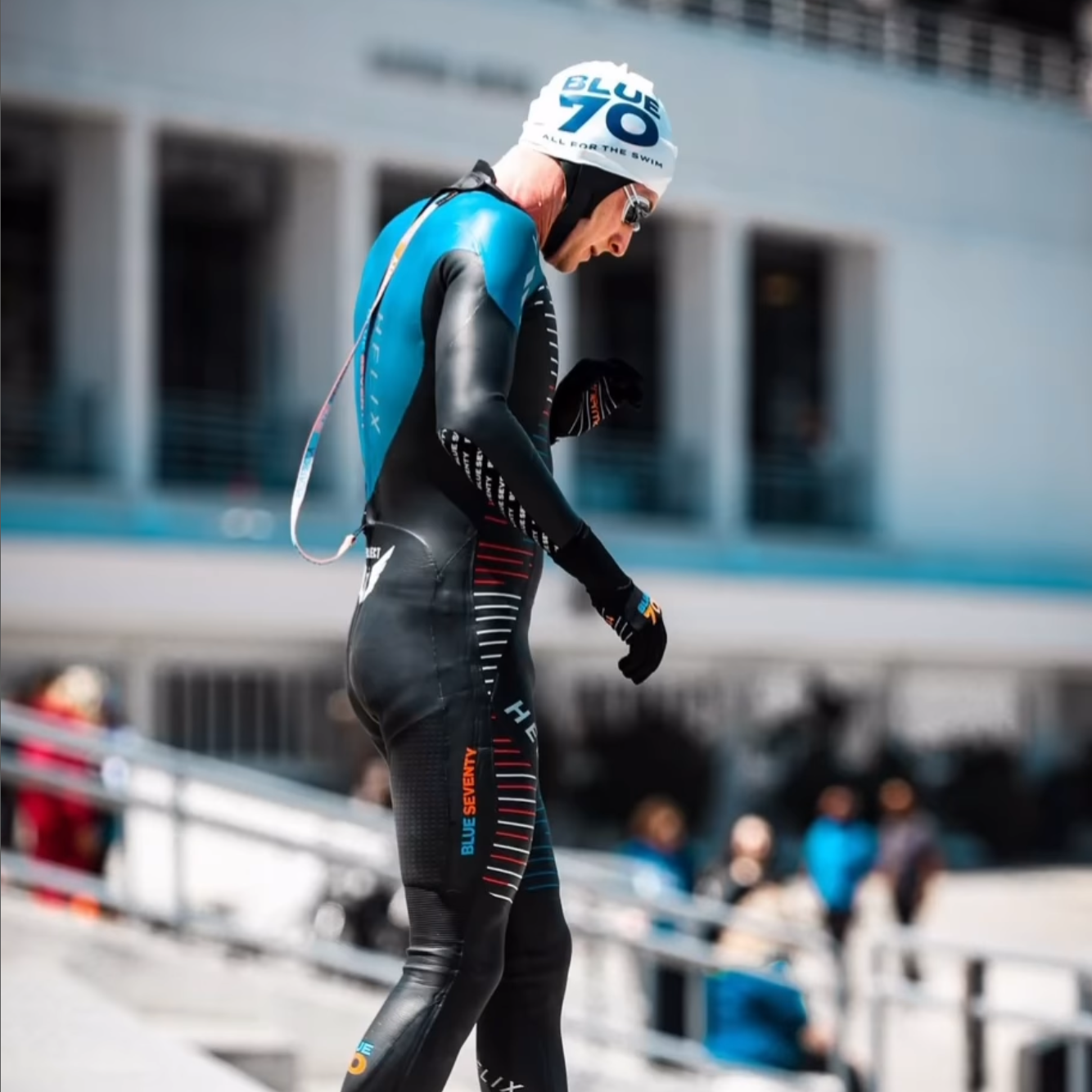
Blueseventy makes different suits for different training loads. Blueseventy uses Yamamoto neoprene in 38, 39, and 40-cell grades; higher cell means more flexibility, and flexibility comes with a thinner, more delicate structure. The Helix at $995 is a race-day suit. Its arms and shoulders use the most flexible neoprene in the line, which gives you a longer, freer stroke, but that same thin material also breaks down faster if you swim in it every week. Blueseventy's own guidance points to this trade-off: for frequent training use, choose the Reaction or Fusion instead of the Helix.
The Reaction at $680 is the suit for weekly open-water swimmers and triathletes who train regularly. It uses higher-grade neoprene than the Fusion and holds up better to repeated use. The Fusion at $420 is the mid-range workhorse for shorter, frequent swims. If you swim once a week, one of these two models is the smarter training tool.
What weekly use adds up to
Once a week means roughly 50 swims a year. Over three seasons, that is 150 sessions. Each session stretches the neoprene, compresses it, exposes it to chlorine or salt, and works the seams. The suit does not fail all at once. It loses a little snap first, then a little more.
Buoyancy equals speed. That is the first thing you will notice when the neoprene compresses: your legs sit lower and you work harder to hold body position. The suit may still look fine from the outside while its lift has already started to fade.
What wears out first
The first sign is usually in the shoulders.
- Shoulder flexibility: The flexible neoprene panels lose elasticity, and your stroke starts to feel restricted.
- Leg and chest lift: The neoprene compresses, so your legs and chest lose buoyancy.
- Small tears: Fingernail punctures and heel tears are common, especially if you pull the suit on with your nails or catch it on a rough surface.
- Seams and zippers: These can fail from force or poor storage.
Punctures, forced zipper damage, heat damage, and chlorine damage are not covered by the one-year manufacturing warranty. If you see a small tear, repair it with Blueseventy Aquaseal neoprene cement before it grows.
Care habits that add seasons
- Rinse the suit in cool fresh water after every swim.
- Dry it inside and out, away from direct sun and heat.
- Store the suit flat or loosely folded.
- Do not hang it by the neck or shoulders for long periods.
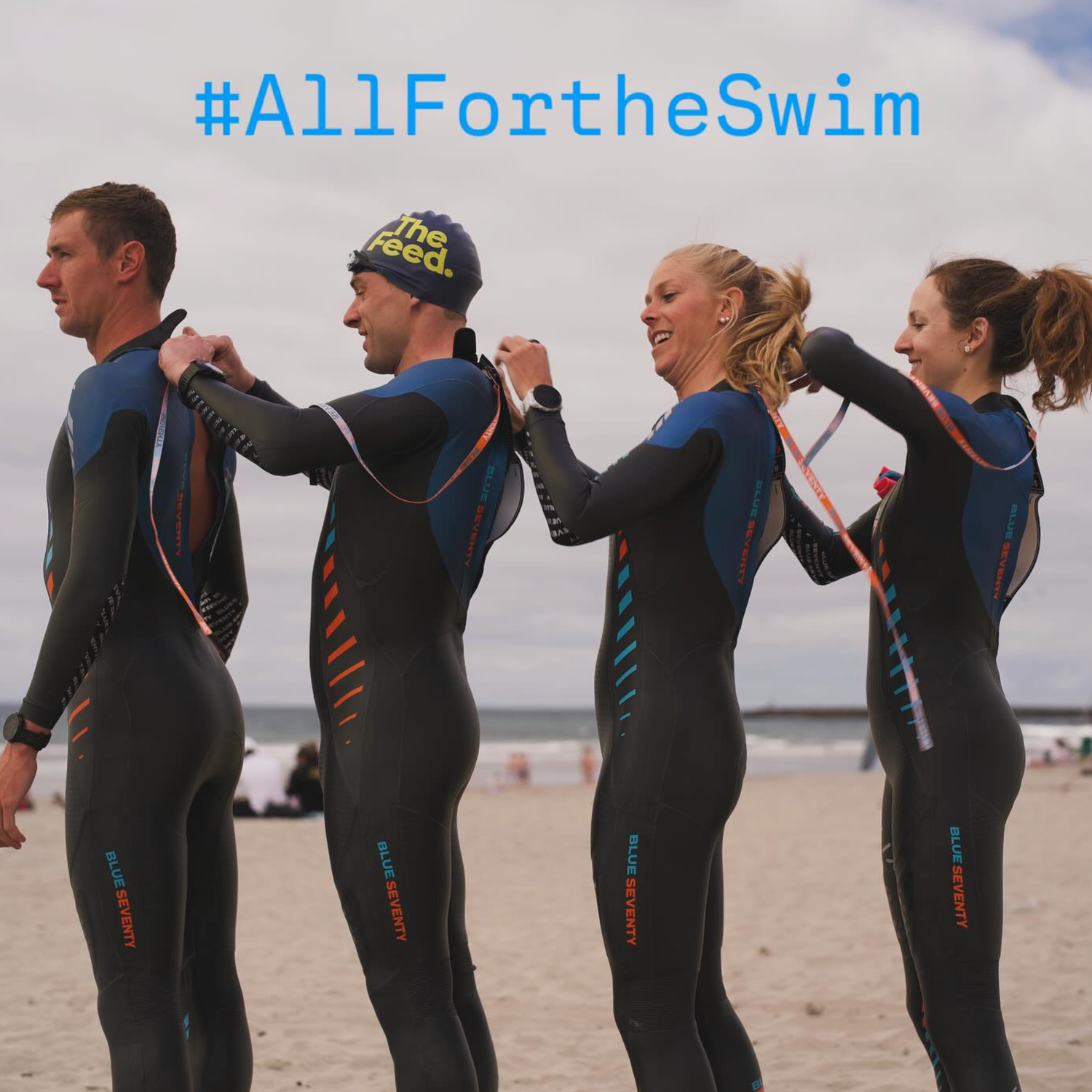
- When you put it on, use your fingertips or the flat of your hand, not your nails.
A little care at both ends of the session adds more seasons than most swimmers expect.
When to replace the suit
Replace the suit when it stops doing the two things you bought it for: lift and freedom.
- If your legs drop more than they used to, the buoyancy is going.
- If your stroke feels tight in the shoulders, the neoprene has compressed.
- If the neck seal no longer sits snugly, the suit's thermal protection has dropped.
A suit that has lost some buoyancy can still serve as a warm-water training suit or a backup. It does not need to go in the bin the day it shows wear.
Weekly training: choose Reaction or Fusion
For a weekly swimmer, buy the training suit that matches your session length. A Helix used every week will not last as long as a Reaction or Fusion because the race-focused neoprene is thinner. Save the Helix for race day. Treat the Reaction or Fusion as the weekly workhorse.
Before you commit, take the suit for a test swim. Blueseventy allows you to swim in a wetsuit and still return or exchange it within 30 days if it is clean and dry. That removes the pressure of guessing wrong. Happy swimming.