


If you’ve ever tried swimming in a wetsuit built for surfing, you already know the difference. Surf suits resist your arm motion, chafe your neck, and pull you out of your natural body position. A true swimming wetsuit is an entirely different animal - engineered from the ground up for thousands of stroke cycles, not for sitting on a board. At Blue70, every suit we design follows that swim-specific philosophy. So when you’re shopping, here’s what to actually care about.
1. Buoyancy = body position = speed
The single biggest job of a swimming wetsuit is to lift your hips and legs, flattening your body in the water. Better body position means less drag and more of your energy going forward instead of up. That’s why we talk about “buoyancy equals speed” - not as a marketing line, but as a core design principle.
Look for suits that put buoyancy where you need it most. In Blue70 suits, you’ll find strategically placed foam panels - like the LIFT buoyancy panels in the Helix - that target the hips and lower body without adding bulk in the chest, so you stay horizontal without fighting the suit. If you’re not ready for a full suit, buoyancy shorts like our LIFT Short use NBR foam to give you that hip lift while leaving your arms free.
2. Shoulder flexibility: the difference between fluid strokes and fighting the suit
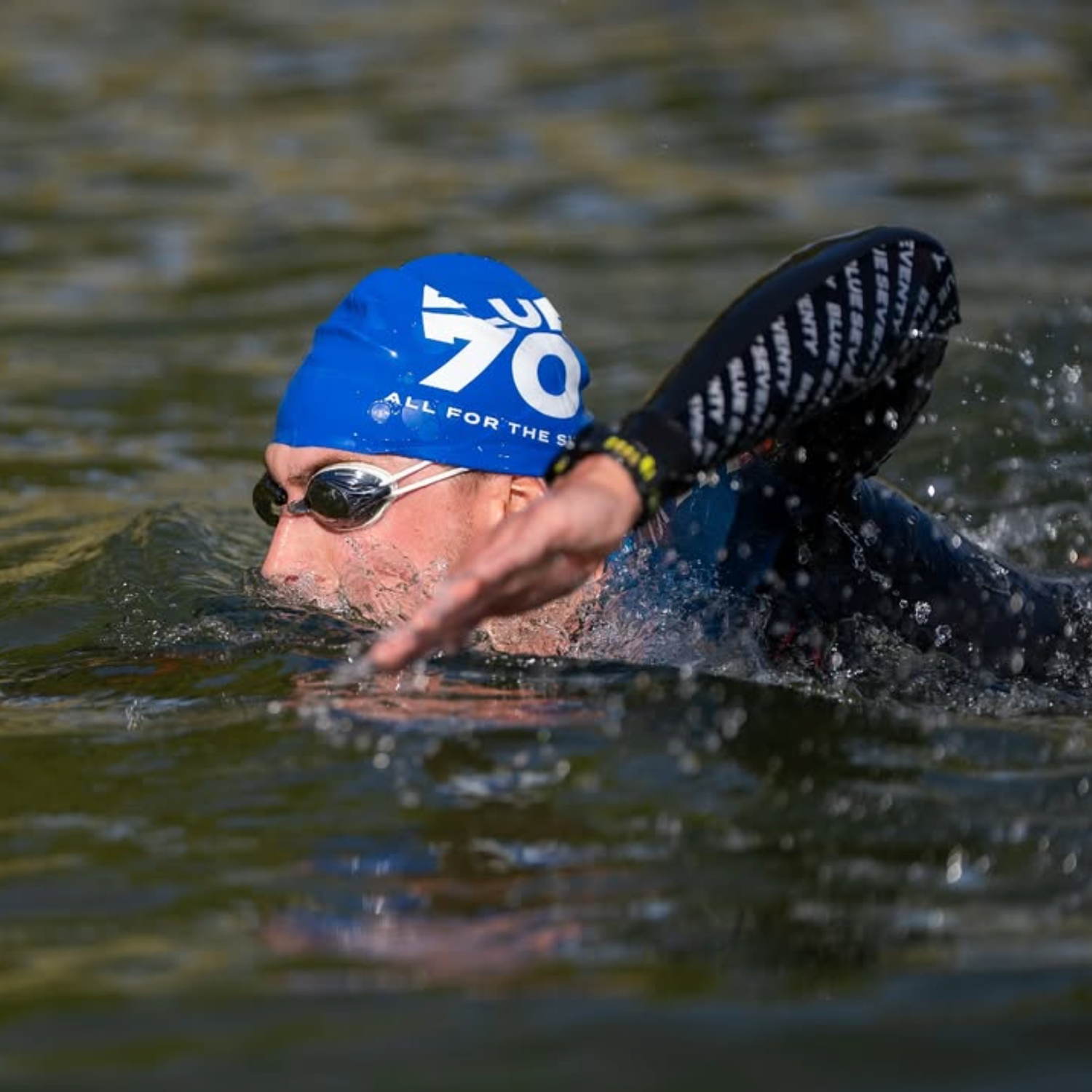
Restricted shoulders don’t just feel tight - they fatigue you early, shorten your stroke, and increase the risk of shoulder strain. When you’re trying on a suit, reach overhead, mimic a swim stroke, and pay attention to how much tension you feel.
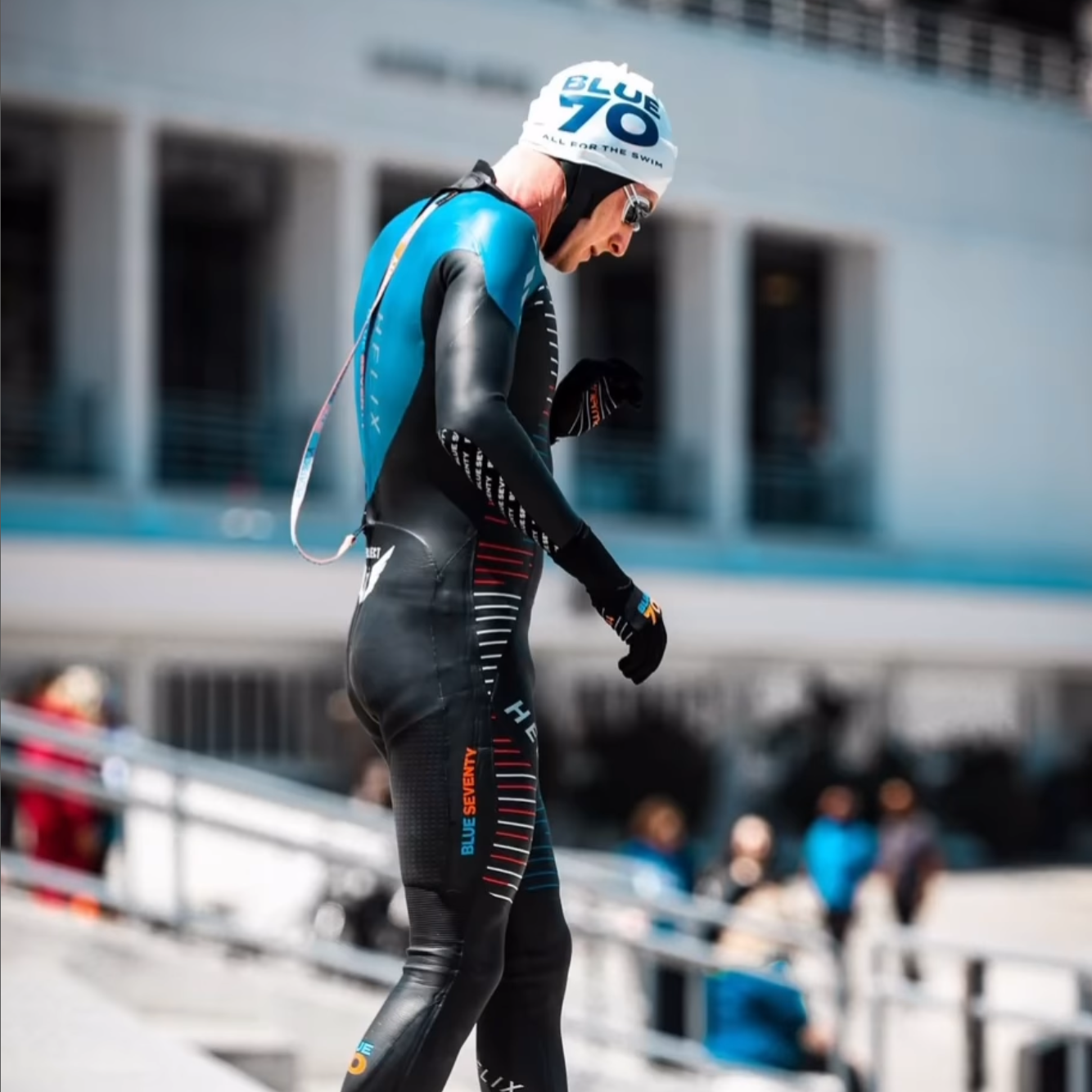
At Blue70, we use Yamamoto neoprene in grades 38, 39, and 40 cell - higher numbers mean more flexibility. The Helix uses extremely thin, ultra-pliable neoprene in the arms and shoulders, combined with a permeable catch panel that lets you “feel the water” during the pull. That’s race-day technology. For frequent training, the Reaction uses a slightly more durable, still highly flexible shoulder construction that holds up better to weekly sessions.
3. Warmth that matches your water, not overkill
A wetsuit’s warmth comes from the thin layer of water it lets in - your body heats it, the neoprene insulates. But not all insulation is equal. If you swim in water below roughly 56-58°F, a standard suit won’t cut it. The Thermal Reaction is fully lined with Zirconium jersey, a synthetic wool that adds significant thermal protection without making the suit bulky. For warmer water above 70-72°F, a full sleeved suit can feel stifling; that’s when you’ll appreciate a sleeveless Reaction Sleeveless or a short-legged Glide Short John.
Don’t assume thicker always means warmer - swim-specific suits balance insulation with flexibility, and purpose-built thermal suits deliver warmth far more efficiently than a generic thick suit.
4. Fit that’s snug on land, comfortable in the water
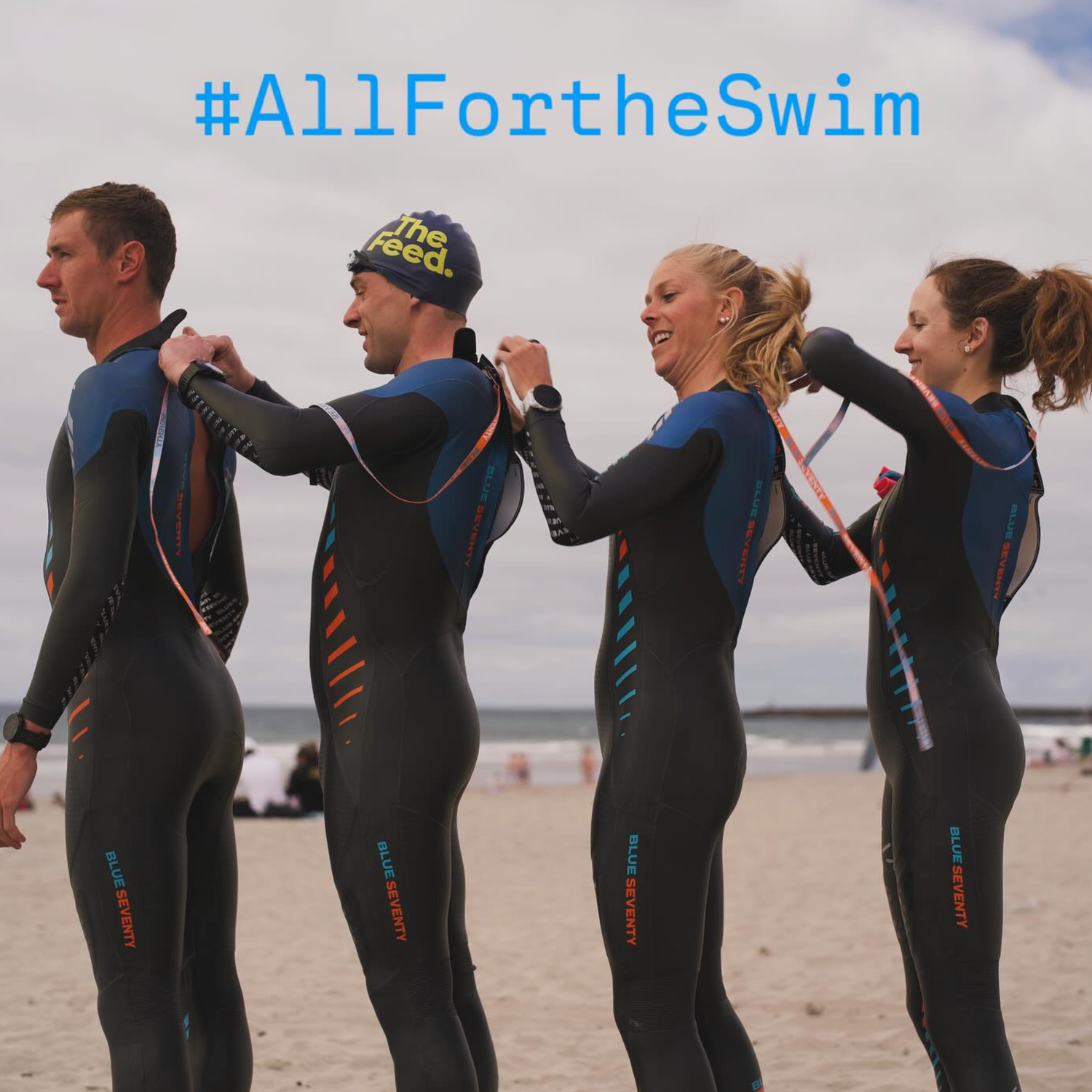
A swimming wetsuit should fit like a second skin. If it’s loose or baggy in the lower back, shoulders, or crotch, water will pool, and you’ll lose warmth and speed. On dry land it may feel almost too tight - especially through the torso - but once you’re horizontal in the water, it should relax into just the right hold. An improperly donned suit (not pulled high enough in the legs and shoulders) is the number-one cause of premature fatigue.
For women, fit is especially personal. Blue70’s Femme Fit isn’t just a smaller men’s suit; it’s a completely different pattern with a lower, anti-chafe neckline, extended zipper for easier entry and faster transitions, and refined shaping in the bust, torso, wrists, and ankles. If you’ve ever felt a wetsuit wasn’t made for your body, that’s the difference.
5. Real talk about durability
The trade-off between flexibility and longevity is real. The thin, delicate neoprene in a flagship race suit like the Helix gives you peak performance, but it will break down more quickly if you wear it for every training swim. If you’re in the water once a week or more, a model like the Reaction (for longer swims) or Fusion (for shorter, frequent sessions) will earn its place in your gear bag. The Fusion’s 2021 redesign even included a lower-sitting neckline for all-day comfort without sacrificing the watertight seal. For budget-conscious swimmers, the Sprint packs solid performance at an accessible price - and it’s still 100% swim-specific.
6. Features that make race day (and practice) easier
Beyond the big-ticket items, small design details matter. Look for:
- A smooth, quick-release zipper cord for fast exits in transition.
- Neck panels that seal without choking.
- Durable knee and seat panels if you do a lot of rocky entry or exit.
- Carefully placed seams that reduce irritation over thousands of strokes.
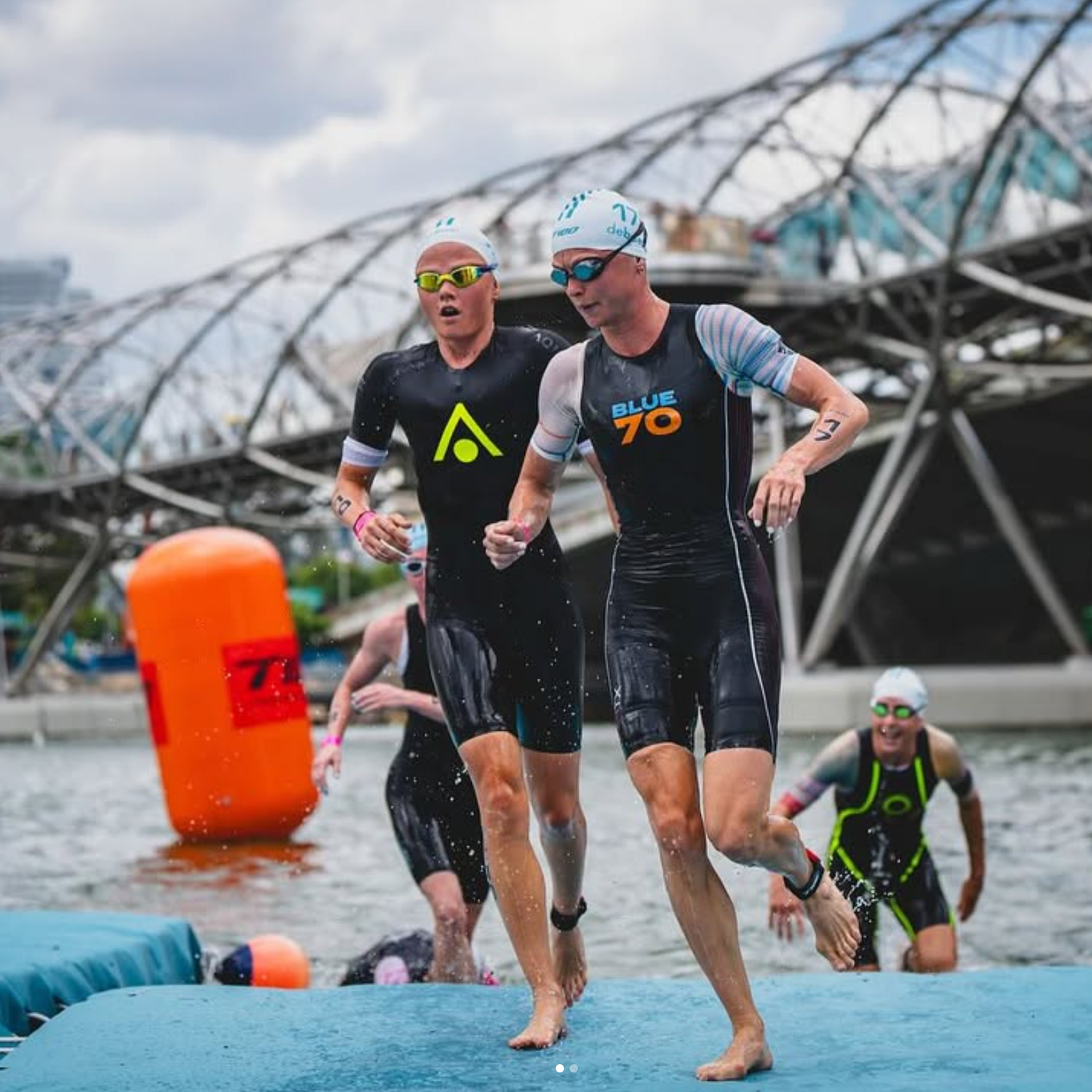
And if you’re still unsure about a suit, take it for a test swim. Blue70 allows you to swim in your wetsuit and still return or exchange it within 30 days - as long as it comes back clean, dry, and unmodified. Nothing teaches you fit better than a few hundred yards in the water.
Choosing the right features is really about matching your wetsuit to your swimming life: how often you train, what water you swim in, and how aggressively you’re chasing performance. Start with those priorities, and the suit will follow.
Dive in and find your fit - explore the full Blue70 wetsuit lineup or check our size chart to get started.