


The wetsuit rule that matters for your race comes from the race organizer and the sanctioning body, not from any wetsuit brand. Most triathlon wetsuit rules start with water temperature. Cold water can make wetsuits mandatory, and warm water can make them prohibited. Between those points, a race often marks wetsuits as optional. The exact cutoffs differ between USAT, Ironman, and World Aquatics events, and they change when rulebooks are updated. Before you pack a suit, open the current athlete guide for your race.
That guide is the only source that combines the organizer's rules, the sanctioning body's swim rules, and any local notes about how water temperature gets measured. A suit that is allowed at one race can be restricted at another because the threshold, the measuring time, or the race director's rules differ. A forum answer from a previous season won't help if this season's guide changed.
Water temperature sets the basic outcome
Most races set a temperature below which wetsuits are required, and a temperature above which they are not allowed. The space in between is where the decision lands on you. Some rulebooks also state a maximum thickness for the thickest part of the suit. If your race uses a thickness rule, the athlete guide will give the number and describe how race staff will check it. Do not guess.
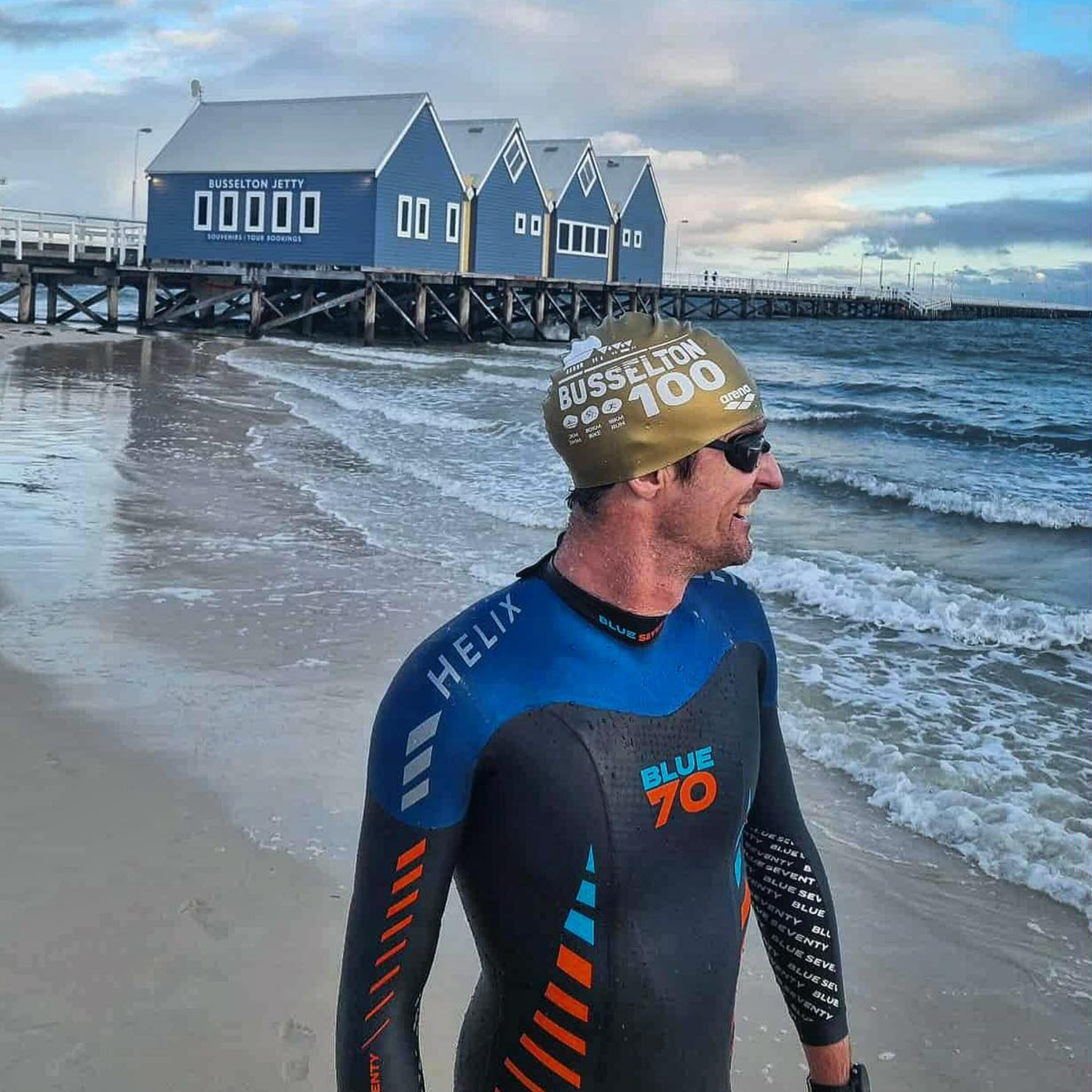
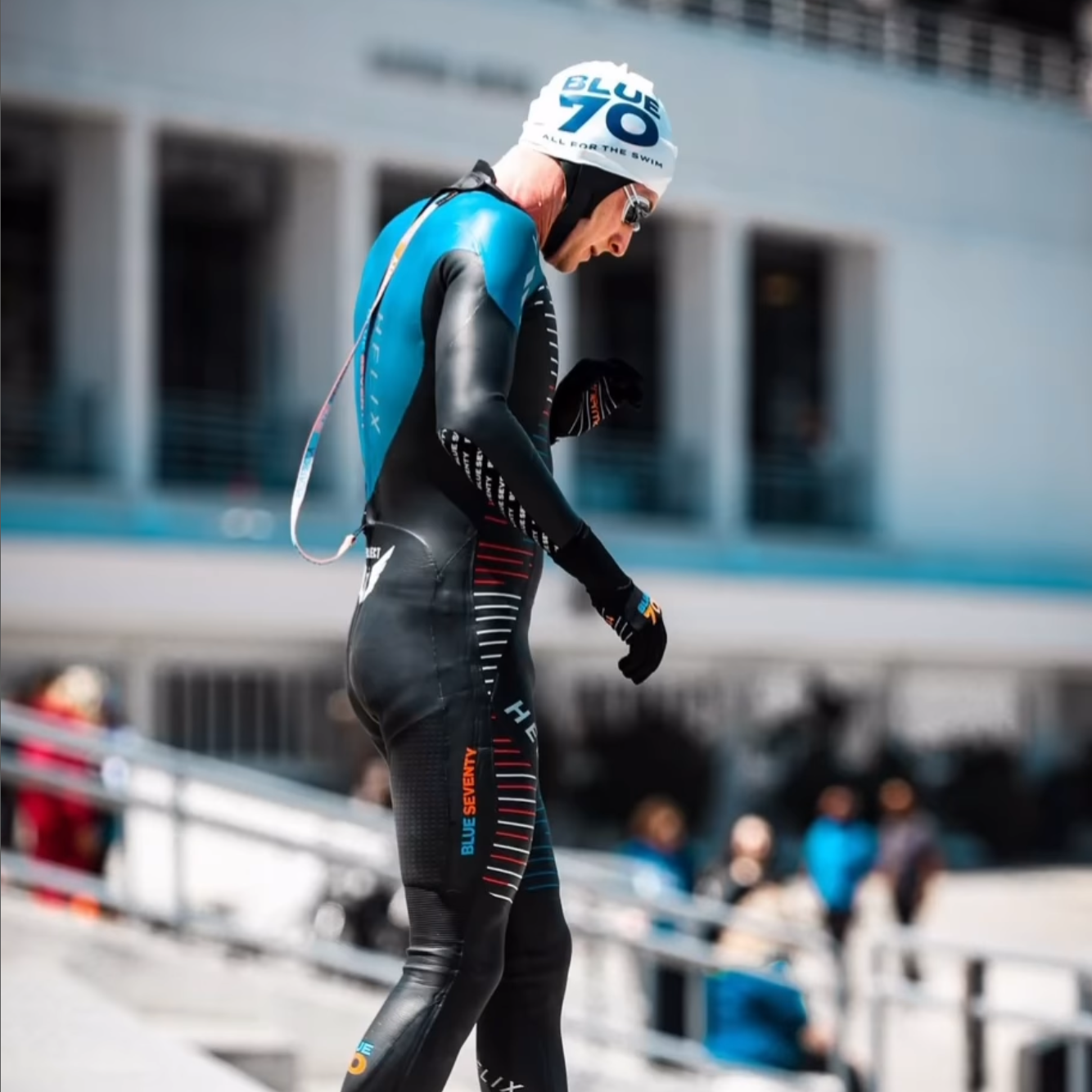
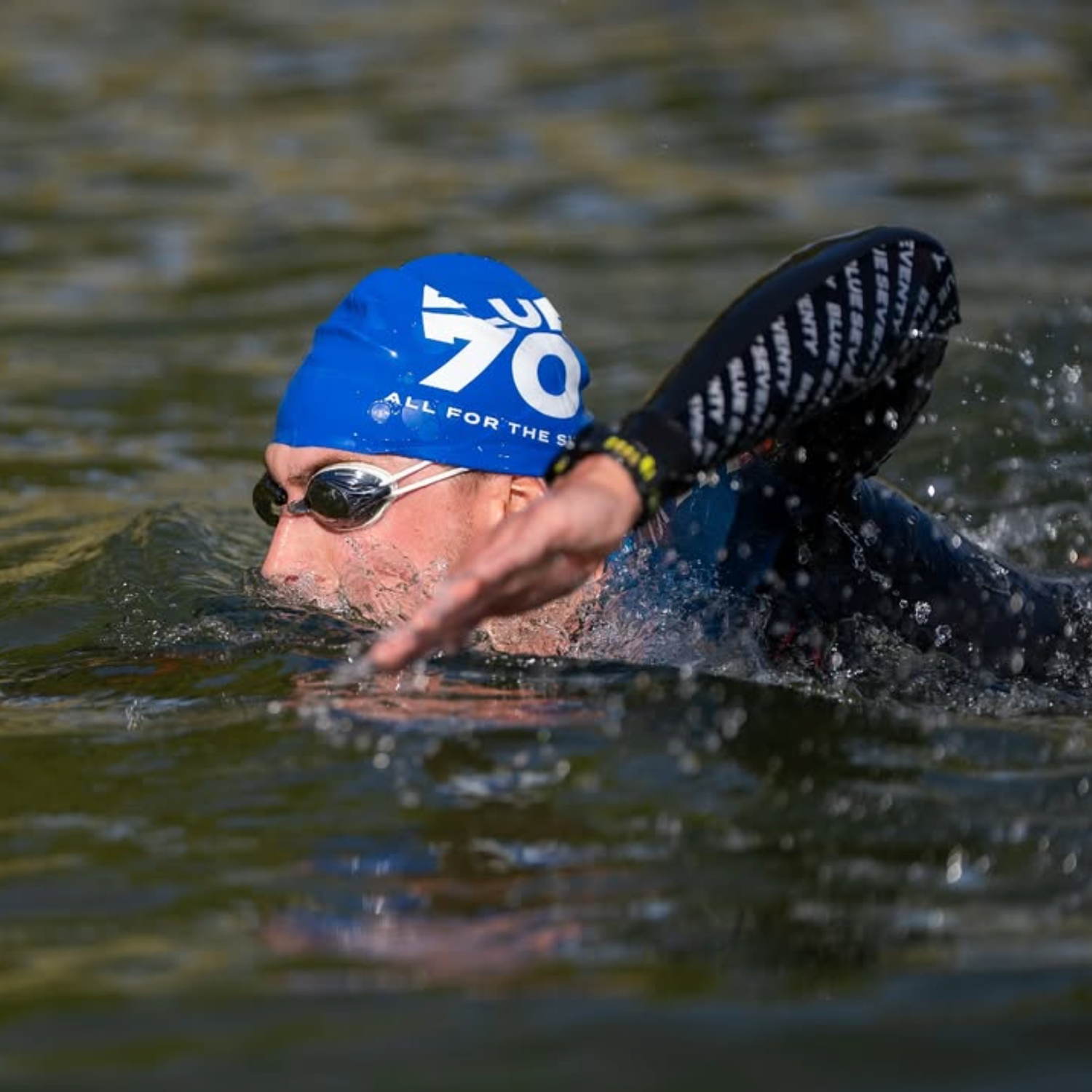
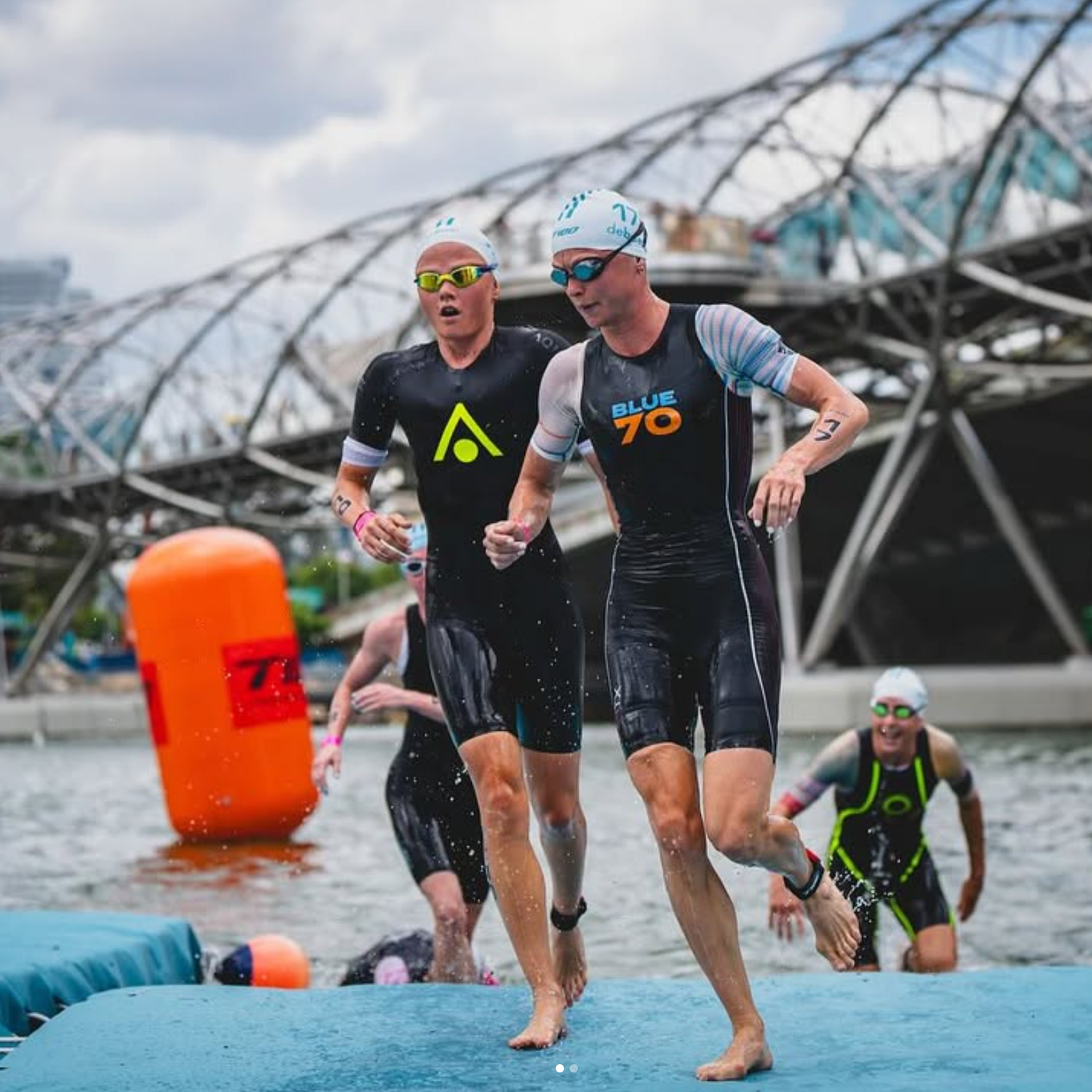
Race rules also define what counts as a wetsuit. They separate swim-specific neoprene from neoprene made for surfing, diving, or other uses. A swim wetsuit has thin, flexible neoprene in the shoulders so you can rotate and reach without fighting the suit. Blue70 builds wetsuits for swimming, not for general water use. That distinction matters when a race official checks your equipment.
What to check in the athlete guide
- Confirm the current water temperature thresholds for wetsuit optional and wetsuit prohibited. Do not use last year's numbers.
- Find where and when officials measure water temperature. It may be race morning at a specific location.
- Check whether the race sets a maximum wetsuit thickness or a coverage rule.
- Check whether a textile swimskin is treated differently from a neoprene wetsuit when water is warm.
- Confirm whether wetsuit use is mandatory, optional, or prohibited for your age group or wave.
If wetsuits are optional, you choose. A full suit adds buoyancy through the hips and legs. For Blue70 comfort guidance, below roughly 56 to 58°F is where a thermal suit like the Thermal Reaction adds meaningful warmth. Above roughly 70 to 72°F, a full suit can feel too warm over longer swims. The middle is about your cold tolerance and swim distance. This is comfort guidance, not a race rule.
If wetsuits are prohibited, check the swimskin rule separately. A swimskin is a textile suit, not neoprene, so some races permit it when wetsuits are not allowed. If your athlete guide does not say, email the race director before race morning.
If wetsuits are mandatory, a suit that meets the rules still needs to fit. A shoulder area that is too tight can cause fatigue before the bike. Try the suit on before race day. The Helix uses thin neoprene in the arms and shoulders for race-day reach. The Reaction is the frequent-training workhorse. The Fusion has the lower-sitting neckline for shorter repeated swims. For cold water, the Thermal Reaction is fully lined with a Zirconium jersey for added thermal protection.
One rule applies to every race. Neoprene adds buoyancy, but a wetsuit is not a personal flotation device or a substitute for the race's safety plan. If the water is cold or conditions are rough, follow the safety briefing and swim within your ability.
The best way to remove race-morning doubt is to swim in your suit before race day. Blue70 lets you swim in a wetsuit and still return or exchange it within 30 days if it is clean, dry, unmodified, and the tags are attached.