


Ask most swimmers what happens to a wetsuit at the end of its life and you'll get a shrug. It goes in the trash. Maybe it sits in a gear bag in the garage for a few years first. Most conversations about wetsuit sustainability start and end at disposal, which is exactly the wrong place to start.
By the time a wetsuit is ready for the bin, it has already lived through years of decisions that determined whether it needed to get there at all. How it was sized. How it was handled coming off after a swim. How it was rinsed, dried, and stored between sessions. Those decisions matter more than any recycling program, because a wetsuit that lasts five seasons instead of two is worth more, to the planet and to your wallet, than a wetsuit that gets recycled perfectly after eighteen months.
So this isn't a post about what to do with a dead suit. It's about how to keep a suit from dying early.
What Neoprene Actually Is
Neoprene is polychloroprene, a synthetic rubber developed by DuPont chemists in the early 1930s. It wasn't invented for swimming. Wetsuit builders adopted it decades later because its closed-cell structure traps tiny gas bubbles, and those bubbles do two jobs at once: they insulate against cold water and they add buoyancy.
That same cell structure is why neoprene doesn't break down in a landfill on any timeframe that matters. A wetsuit tossed in with household trash just sits there. Once you understand that, the whole question reframes itself. The goal isn't finding a clever way to dispose of neoprene faster. It's needing to dispose of less of it, period.
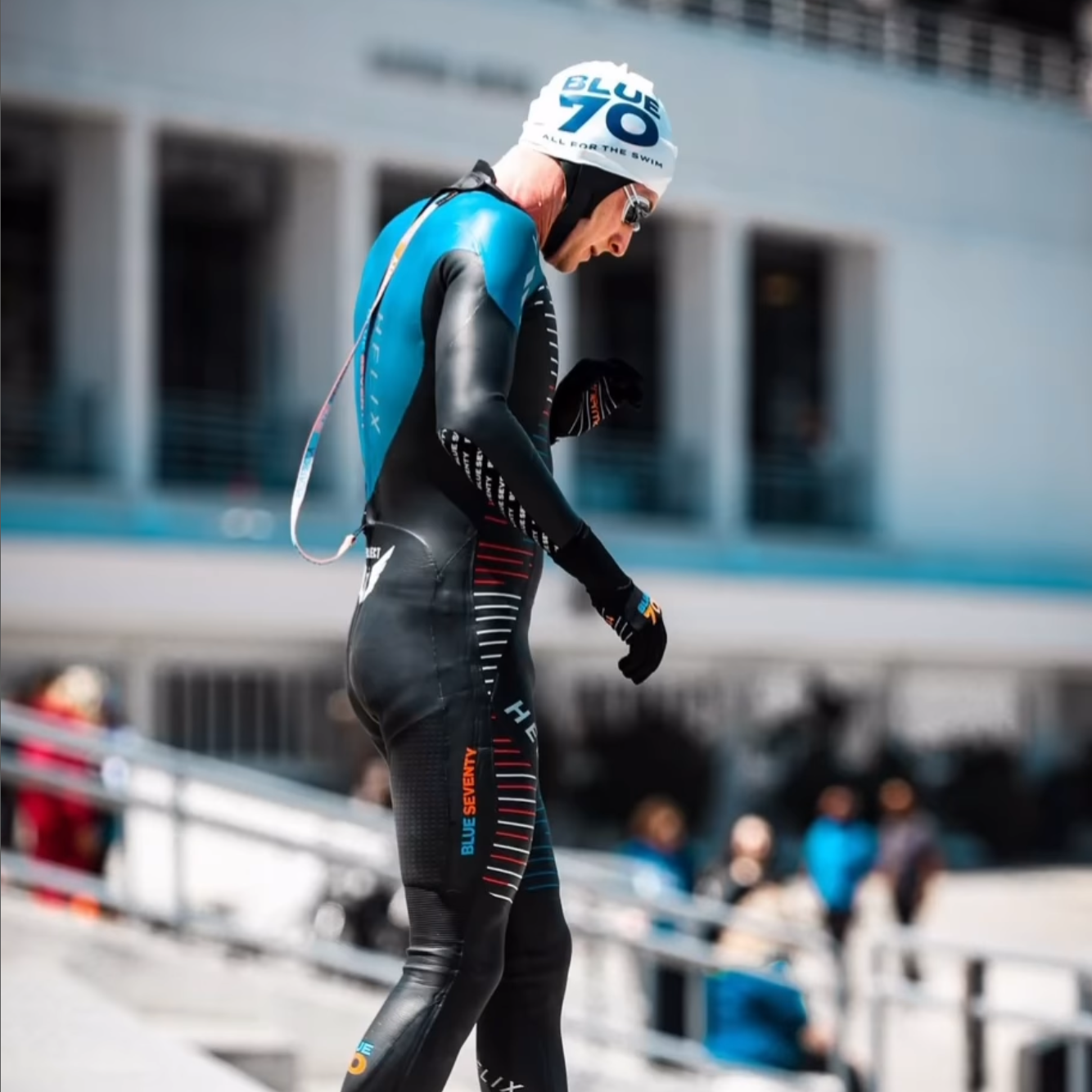
Blue70 builds its wetsuits from Yamamoto neoprene, graded in 38, 39, and 40 cell. Higher cell counts mean a more open, flexible structure, and that flexibility is what makes a suit feel fast: less resistance through the shoulder, a cleaner catch, less fatigue over a long swim. It's also what makes the thinnest panels more delicate under repeated use. That's not a design flaw. It's a real tradeoff, and understanding it is step one toward getting more seasons out of a suit before repair, or replacement, ever comes up.
Buy The Suit That Matches How You Swim
The single biggest lever you have over a wetsuit's working life is choosing the right suit for your training volume before you ever get in the water with it.
A flagship race suit is built around the thinnest, most flexible neoprene available, engineered to disappear on race day. Wear that same suit three times a week for a full season and it will show wear faster than a suit built with sturdier neoprene throughout. That's exactly why swimmers training once a week or more usually get pointed toward Reaction or Fusion instead. Fusion handles shorter, frequent sessions well. Reaction carries a higher grade of neoprene built for longer, more frequent swims.
Getting this match right isn't just a comfort or budget call. It's a durability call. A suit matched to how you actually swim lasts longer than one that isn't. The mismatch is the problem, not the neoprene.
The Two Failures That End Most Wetsuits Early
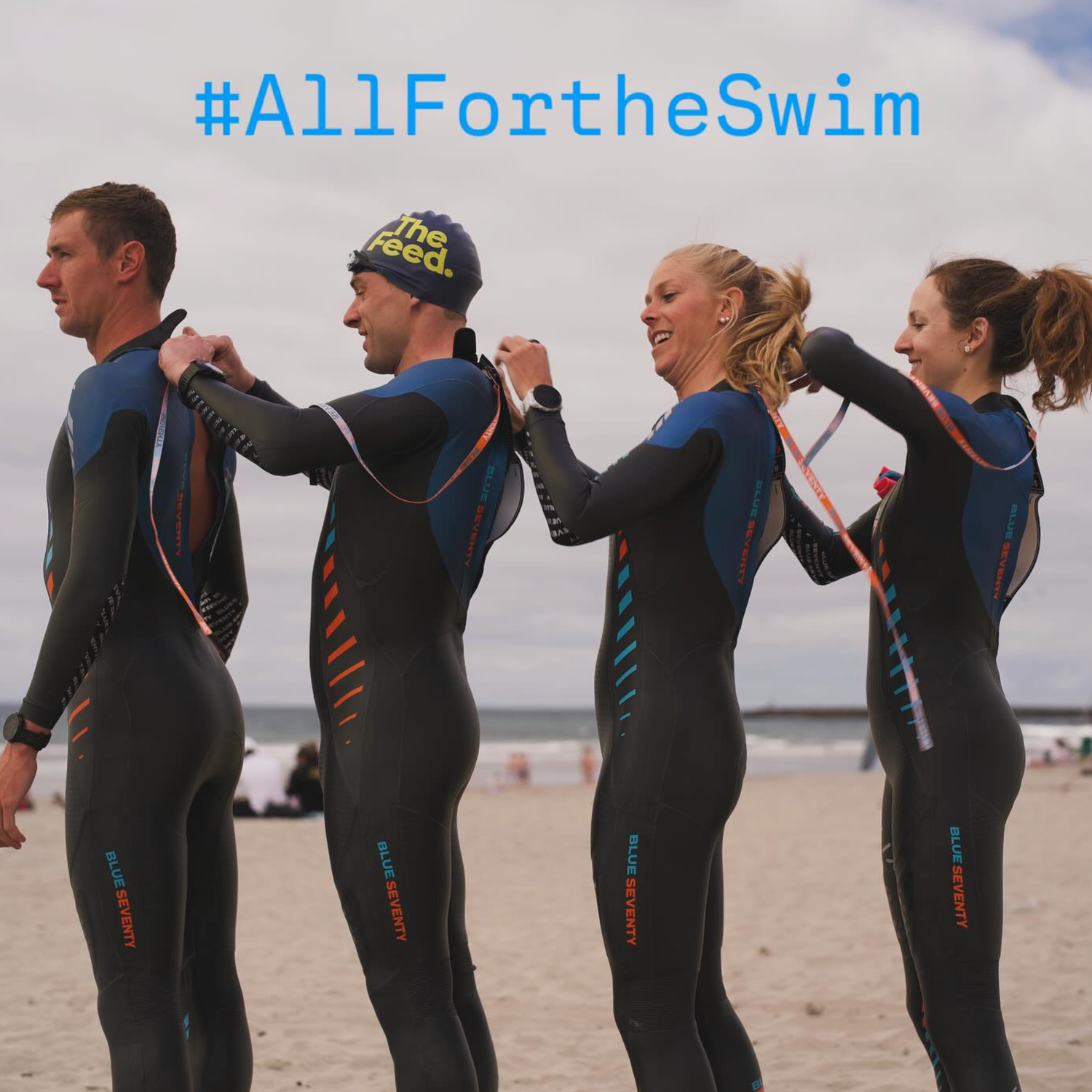
Warranty claims across the wetsuit category cluster around two causes of damage, over and over: fingernail punctures and heel tears. Both happen during donning and doffing. Not during the swim itself.
A ragged fingernail dragged across a shoulder panel. A heel forced through a leg opening without care. Either one can put a hole in neoprene that would otherwise have lasted for years. Neither is covered under a standard manufacturing warranty, because neither is a manufacturing defect. It's handling damage, plain and simple.
That's actually good news, because these are the two most preventable causes of wetsuit death. A few habits go a long way:
- Trim your nails before pulling a suit on, every time.
- Use plastic bags over your feet and hands during the first few wears, while a new suit is still stiff.
- Take an extra ten seconds working the ankle down instead of yanking the leg in one motion.
None of this is glamorous. It's also the most effective recycling strategy available, because the best-recycled wetsuit is the one that never needed to be thrown away.
Repair First, Replace Second
When damage does happen, repair should be the default question, not replacement. Neoprene cement, the same category of adhesive used to seal seams during original construction, can close small tears and punctures at home. It won't restore the repaired spot to brand-new flexibility. It will get you through a season, often several, on a suit that would otherwise sit unused in a closet.
Blue70's own warranty terms reflect this repair-first approach directly. Manufacturing defects in materials or construction are covered for one year from the original purchase, and the remedy is repair, not automatic replacement. That's a meaningful signal about how the category is meant to function. A wetsuit isn't disposable the way a pair of goggles can start to feel after a season. It's a garment built to be maintained, patched, and kept in rotation.
Care Habits That Add Real Seasons
Most of what shortens a wetsuit's life happens outside the water, not in it.
Chlorine and prolonged heat both degrade neoprene at the cellular level, which is exactly why both are excluded from standard warranty coverage. Rinsing a suit in fresh water after every swim, whether that swim happened in a pool, a lake, or the ocean, removes chlorine and salt before either has a chance to work into the material. Drying it inside out, away from direct sun, preserves flexibility far longer than draping it over a hot car hood or a sunny railing.
Storage matters too. A suit folded the same way for months develops permanent crease lines, and those creases become weak points over time.
- Rinse in fresh water after every swim, no exceptions for a "quick" session.
- Dry inside out, out of direct sunlight.
- Hang loosely or roll, rather than fold, for long off-season storage.
Simple habits. Rarely done consistently. That gap is a large part of why so many suits fail years before the neoprene itself was actually spent.
When A Suit Is Truly Finished
Eventually, even a well cared-for suit reaches the point where repair no longer makes sense. Too many seams have gone, or the neoprene has lost enough flexibility that comfort and feel both suffer. At that point, thoughtful disposal is the honest answer.
Neoprene scraps have real second-life uses in padding, gaskets, and insulation. Specialty recyclers in some regions accept neoprene wetsuits specifically for this kind of material recovery, so it's worth a quick search for wetsuit or neoprene recycling in your own area before defaulting to the household trash.
A worn-out race suit can also still have plenty of life left for someone else. A suit too fragile for competitive swimming may be exactly right for a beginner doing short, occasional open water swims, or for a club's loaner rack.
A Practical Order Of Operations
The sequence that actually reduces neoprene waste looks like this: buy the suit that matches how often you swim, handle it carefully going on and coming off, rinse and dry it properly every single time, repair small damage before it becomes large damage, and only then think about disposal or donation.
Recycling has a place in that sequence. It's the last step, not the whole answer. If you're not sure whether a suit is repairable, or what your current suit's warranty actually covers, Blue70's support team at us@blueseventy.com is the right first call before you write any suit off as finished.