


Women with broad shoulders usually know right away when a wetsuit is wrong. The zipper closes, but the suit loads the front of the shoulders, presses up into the neck, or makes the first few arm circles feel shorter than normal. That experience gets dismissed as a sizing issue all the time. In open-water swimming and triathlon, it is usually a stroke issue first.
That distinction matters. A wetsuit does not just need to fit your body standing on dry land. It needs to let you reach, rotate, breathe, and set the catch without pulling you out of your normal mechanics. If the suit changes the way your upper body moves, you will feel it long before you see it on a watch.
Most advice for women with broad shoulders focuses on finding more room. That is only part of the picture. The better goal is to find a wetsuit that keeps tension balanced across the upper body, sits correctly through the torso, and preserves your feel for the water once you start swimming.
Why broad shoulders show up at the catch
Broad shoulders are not a fit problem by themselves. Trouble starts when shoulder width, upper-back strength, and arm recovery meet a suit pattern that pulls in the wrong direction. A wetsuit can feel acceptable in a fitting room and still interfere with the stroke once you are in the water.
Most swimmers notice that interference in a few familiar places:
- across the front of the shoulders during the reach
- under the arms during recovery
- at the base of the neck when rotating to breathe
- through the upper chest and lats after several minutes of steady swimming
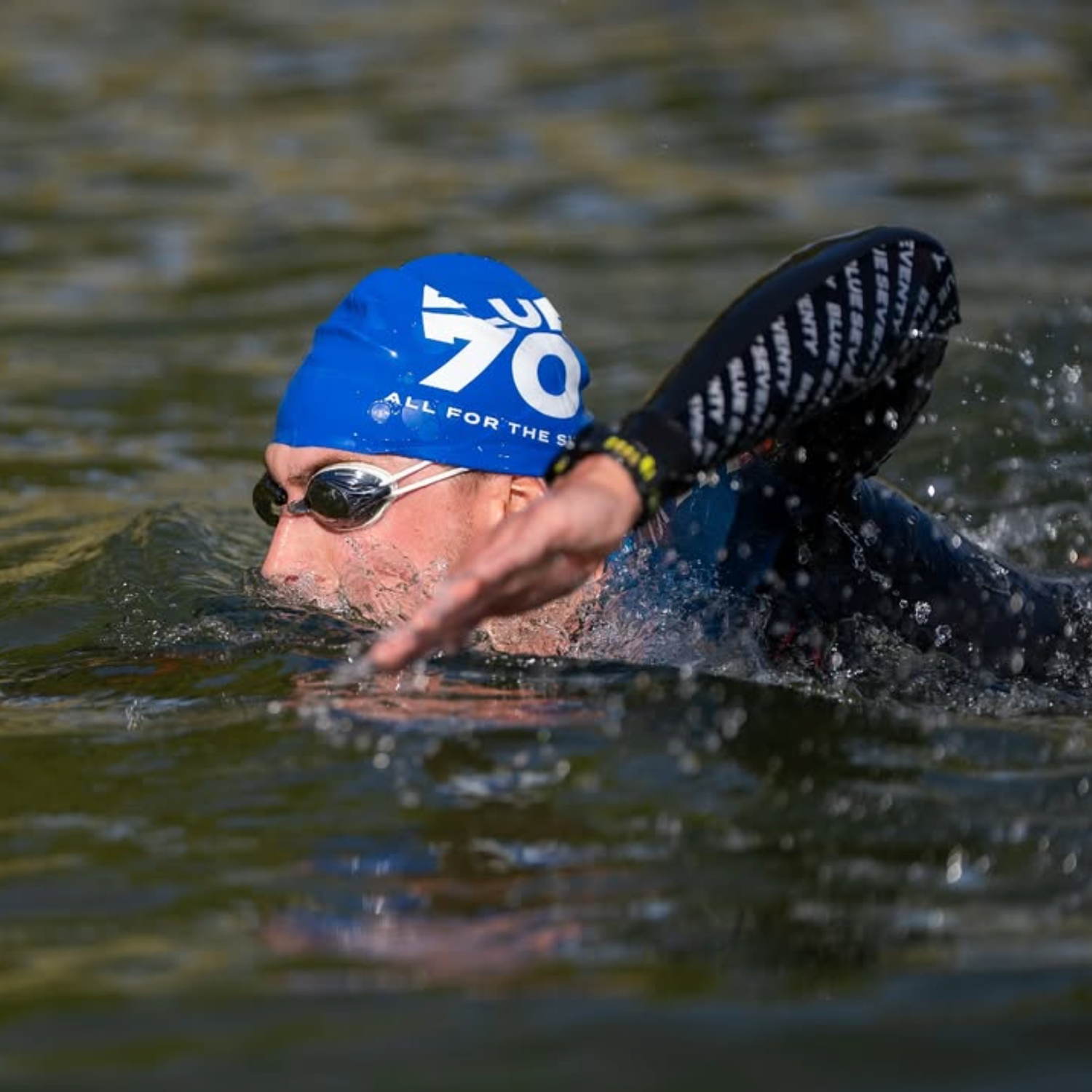
The catch is where this becomes obvious. If the suit resists shoulder flexion or upper-body rotation, swimmers often make small adjustments without meaning to. The stroke gets shorter in front. The elbow drops. The hand enters wider. None of those changes help you swim well.
A broad-shouldered swimmer often has a strong front end of the stroke. She reaches well, anchors well, and connects pressure into the back. If the wetsuit disrupts that sequence, the whole stroke starts to feel less clean. The hand slips a little. The forearm sets later. The connection into the lats feels delayed.
Women-specific fit matters more than many swimmers realize
Upper-body comfort does not start at the shoulder seam alone. It starts with how the entire suit is shaped. If the torso length is off, the suit pulls downward through the traps. If the chest shaping is wrong, tension can cut diagonally across the upper body. If the neckline sits too high, breathing rotation gets uncomfortable fast.
That is why women-specific patterning matters so much for athletes with broader shoulders. blueseventy’s Femme Fit approach uses refined pattern design in critical fit areas including the bust, torso, wrists, and ankles. The women’s line also uses a lowered neckline for comfort and reduced chafing, plus an extended zipper length that makes entry easier, accommodates wider hips, and helps in transition. Femme Fit expanded to 15 sizing options in 2014.
That history is useful because it points to the real problem. Broad shoulders rarely exist in isolation. They interact with torso length, bust shape, and hip fit. A wetsuit that accounts for those relationships has a better chance of feeling natural once you are actually swimming.
The common mistake: sizing up before fixing the fit
Many women with broad shoulders assume they need a bigger size immediately. Sometimes that is true. Often it is not. Sizing up can create room across the shoulder line while introducing extra material through the torso, lower back, or underarms. Then the upper body feels better for a moment, but the suit sits lower and the stroke still does not feel right.
The better target is balanced tension. The suit should feel snug on land and more comfortable once you are in the water. That is normal in a swim-specific wetsuit. If all the tension is concentrated across the shoulders and chest, the issue may be the size, the model, or simply the way the suit was put on.
A surprising number of shoulder complaints come from a wetsuit that has not been pulled fully into place.
Donning technique changes shoulder fit
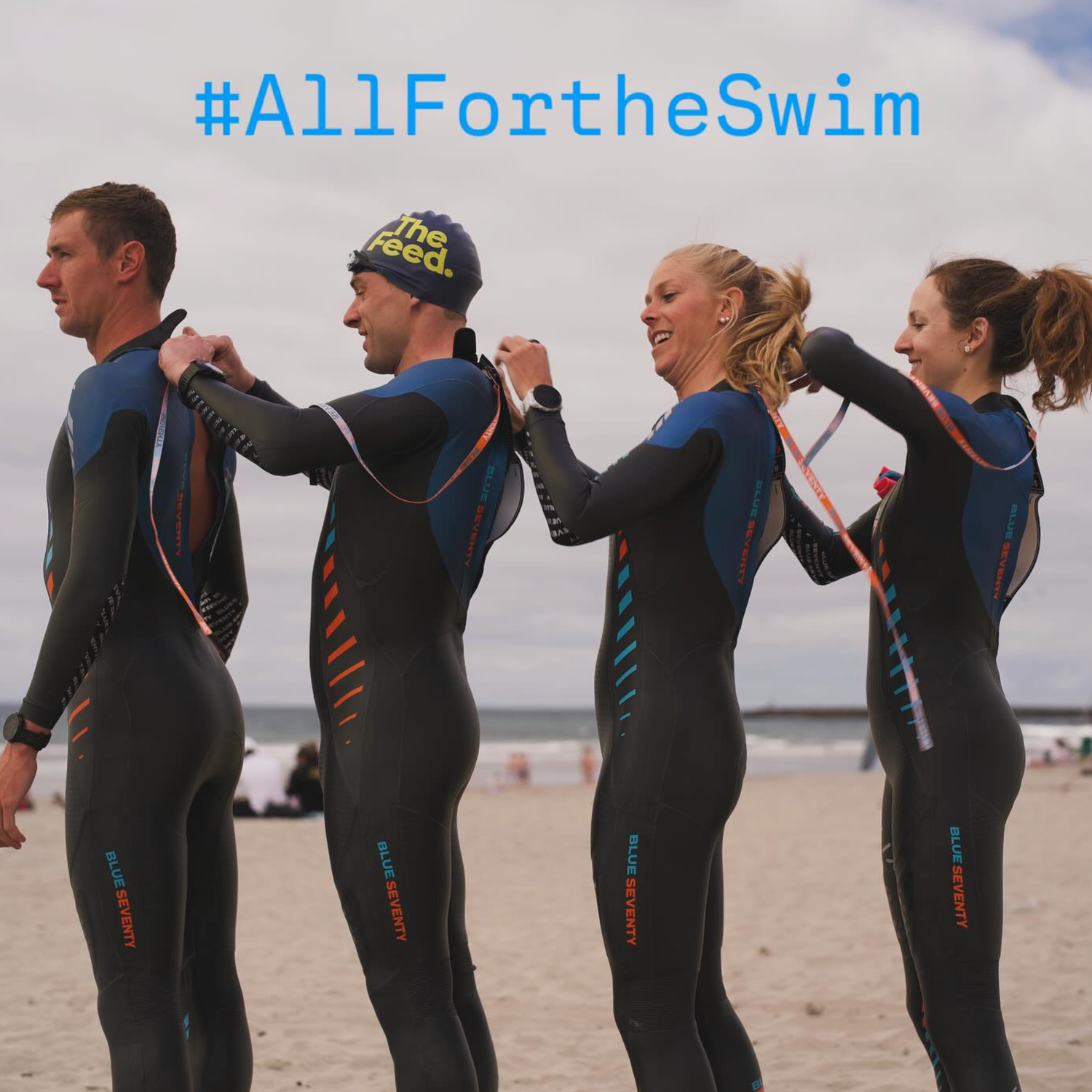
Women with broad shoulders often gain the most immediate improvement by changing how they put the suit on. If neoprene is left low through the calves, hips, or torso, the upper body pays for it. The suit steals length from the shoulders, and the swimmer blames shoulder fit when the problem started much lower down.
Use this sequence before judging the fit:
- Seat the lower legs first. Work the neoprene fully up the calves before moving higher.
- Lift the suit into the hips and glutes. This creates the vertical room the torso and shoulders need.
- Feed the material up the torso gradually. Use small adjustments instead of one hard pull.
- Set the underarms high. Low underarm panels create instant restriction during recovery and at the catch.
- Judge the fit after movement. Reach overhead, rotate side to side, and mimic the first part of the pull.
Short version: a good suit that is poorly donned can feel like the wrong suit.
What to look for if you have broad shoulders
If shoulder comfort is your top concern, do not focus on shoulder width alone. Look at the whole upper-body system. A better wetsuit for this body type usually has a few things working in your favor.
- Flexible upper-body construction that does not fight the reach or recovery
- A women-specific fit platform that accounts for the bust, torso, and hips instead of only shoulder circumference
- A comfortable neckline that does not crowd the throat during rotation
- Clean underarm placement so the stroke does not feel blocked
- A model choice that matches your use, since race-day flexibility and frequent-training durability are not always the same thing
blueseventy wetsuits use Yamamoto neoprene in 38, 39, and 40 cell, and the higher cell numbers offer more flexibility. That matters for swimmers who feel every bit of resistance in the front half of the stroke.
Which blueseventy models make sense for broad shoulders
Helix
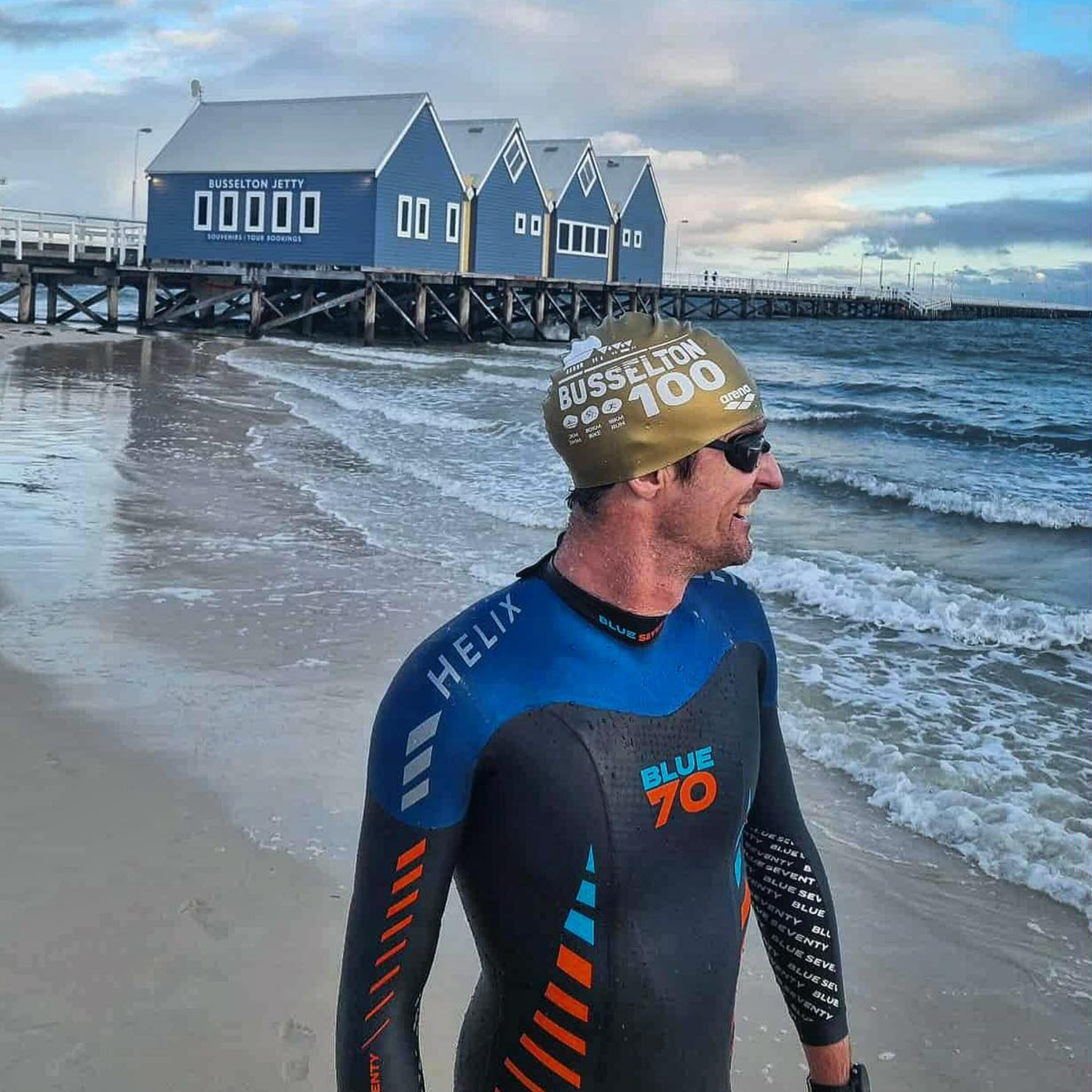
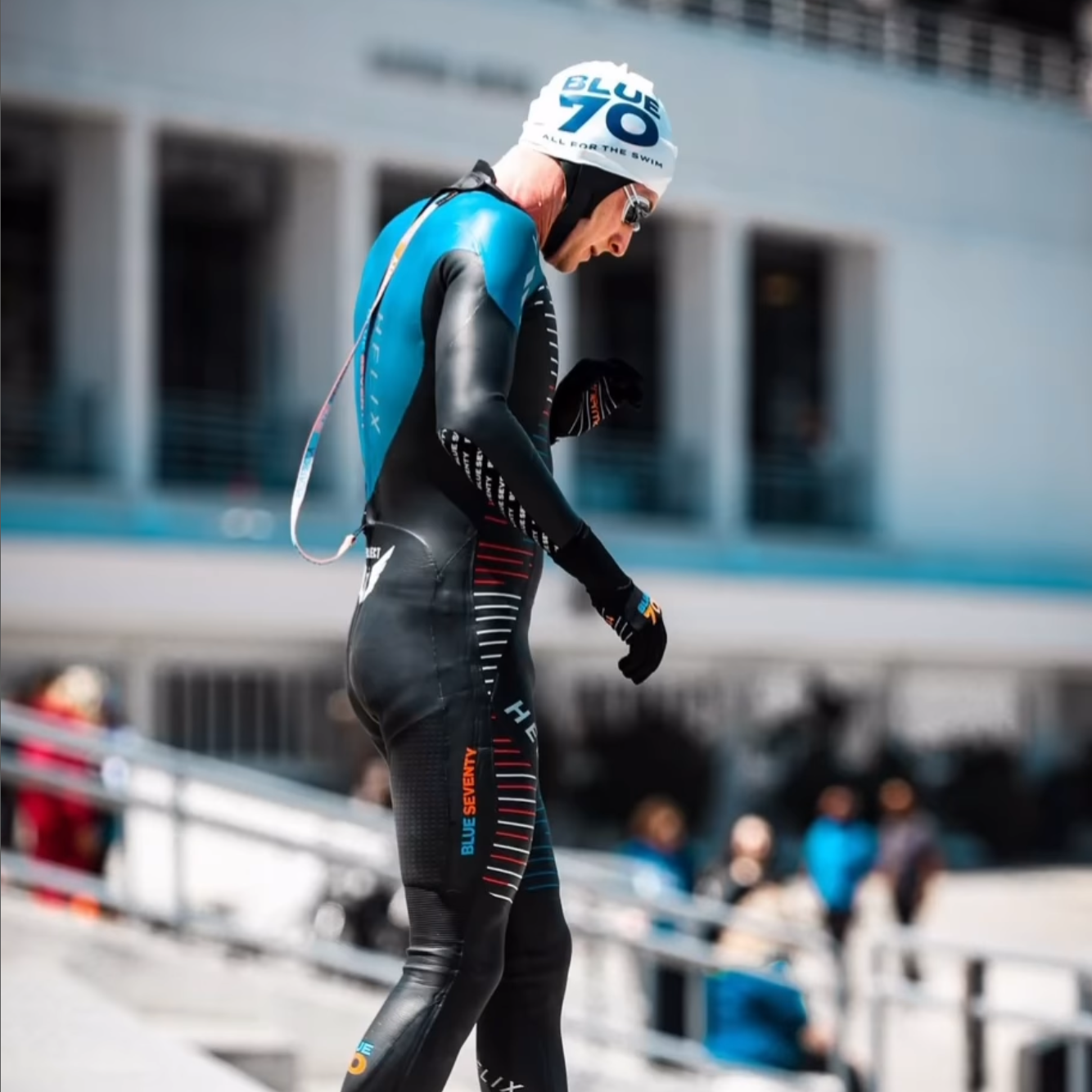
The Helix is blueseventy’s flagship race suit. It is built for race-day performance with very thin, highly flexible neoprene in the arms and shoulders, LIFT buoyancy panels, and the permeable catch panel first introduced in 2010 to help preserve feel for the water.
This suit makes sense for the athlete who notices shoulder restriction immediately and wants the most freedom possible through the stroke on race day. blueseventy is also clear about the trade-off: the thin neoprene is not the ideal choice for heavy training use and will break down more quickly than a training-oriented suit.
Reaction
The Reaction is a strong option for frequent swimmers who still want a performance feel. It uses higher-grade neoprene than the Fusion and is recommended for frequent, longer swims.
For broad-shouldered women who plan to train regularly in their wetsuit, this model often hits a practical balance between upper-body comfort and day-to-day usability.
Fusion
The Fusion remains one of the most versatile choices in the line. Its 2021 redesign added a lower-sitting neckline for comfort without losing the watertight seal.
That change matters for swimmers who feel crowded through the throat or upper chest once the shoulders begin rotating under effort. If you want regular-use comfort, straightforward fit, and a suit that works well for shorter frequent swims, the Fusion deserves a close look.
Reaction Sleeveless
The Reaction Sleeveless removes neoprene from the shoulder cap and upper arm entirely. For some broad-shouldered swimmers, that solves the main complaint right away. No sleeve means less resistance during recovery and fewer fit battles across the deltoids.
This option is especially useful in warm water, for athletes who want an easier fit, or for swimmers who simply prefer a more open upper-body feel.
Water temperature changes the answer
Shoulder freedom is always important, but temperature changes what matters most. In colder water, swimmers will sometimes tolerate too much upper-body restriction because they are focused on warmth. That trade-off can backfire if the stroke becomes labored or the shoulders fatigue early.
Below about 56 to 58°F, blueseventy’s guidance points swimmers toward a purpose-built thermal suit. The Thermal Reaction is fully lined with Zirconium jersey for added thermal protection in cold water. If you have broad shoulders, test mobility carefully in cold conditions because cold water already stiffens movement.
Above about 70 to 72°F, many swimmers find a full suit too warm during longer efforts. That is one reason sleeveless options appeal to broad-shouldered athletes. Less material over the upper body often makes rotation and recovery feel more natural. If you are racing, check the current event rules before making that call.
A practical fit test for broad-shouldered women
Use this checklist in the fitting room, then repeat it in the water if possible.
A good fit usually looks like this:
- snug on land without sharp pressure points
- clean contact through the torso without loose material in the lower back
- underarms seated high
- overhead reach without hard pulling across the front of the shoulders
- comfortable neckline during breathing rotation
- a catch that feels natural rather than blocked
- shoulders that feel worked by swimming after a session, not irritated by the suit
A poor fit usually looks like this:
- neck pressure that increases once you start rotating
- tension concentrated only across the shoulder caps and upper chest
- low-set underarms
- early trap fatigue
- a stroke that shortens to accommodate the suit
- a need to fight the suit in the first few minutes of every swim
Test the suit where it matters
Broad shoulders are not a niche fit issue. Former pool swimmers, rowers, paddlers, strength-trained athletes, and naturally broad-framed women run into it all the time. The mistake is treating it as a simple width problem. In practice, it is a movement problem.
That is why the final decision should happen in the water, not in front of a mirror. blueseventy’s Test Swim policy allows you to swim in the wetsuit and still return or exchange it, as long as it comes back clean, dry, unmodified, with tags and accessories. You can find more guidance through the Test Swim page, the fitting guide, or the size charts.
The right wetsuit for a woman with broad shoulders should support body position, reduce drag, and let the stroke stay intact. If the suit asks you to change your mechanics to make it workable, keep looking. Fit the stroke first. The rest gets easier from there.