


A wetsuit zipper usually gets attention only when it starts misbehaving. The pull sticks. The teeth close, then creep apart. A suit that felt normal last month suddenly feels awkward across the back or tight at the neck. Most swimmers see that as a repair problem. In the water, it is also a fit problem.
That distinction matters. On a swim-specific wetsuit, the zipper is part of the structure that finishes the suit on your body. Once it closes, the back panel settles into place, the collar sits where it should, and the tension through the torso spreads the way the pattern intended. If the zipper is damaged, the suit can still look fine on a hanger and feel wrong as soon as you start swimming.
For triathletes, the stakes are even higher. A failing zipper can create trouble before the gun goes off and again in T1. If the suit is hard to close, hard to trust, or hard to peel off after the swim, that small piece of hardware starts affecting race execution. Zipper replacement is not only about extending the life of a suit. It is about restoring the fit and function the suit was built to deliver.
The zipper does more than open and close the suit
Swimmers tend to focus on the visible performance features first: shoulder flexibility, buoyancy placement, thermal lining, or neckline comfort. Those features deserve the attention. Blue70 builds swim-specific wetsuits around those priorities, using Yamamoto 38, 39, and 40-cell neoprene across the line, with each model tuned for a different balance of flexibility, buoyancy, durability, and warmth.
The zipper works in the background, but it does real structural work. It helps hold the spine panel flat. It supports the intended tension from the hips through the upper back. It helps keep the collar from drifting once you settle into your stroke. When that system starts to fail, swimmers often notice the symptoms before they identify the cause.
- The neck starts to pull or rub in a place it never did before.
- One shoulder feels tighter than the other.
- The lower back feels loose even though the suit is zipped.
- The suit is harder to remove cleanly after a hard swim.
Those are not random annoyances. They often point back to a closure system that is no longer holding the suit in its intended shape.
Many zipper failures start with donning mistakes
This is the part swimmers often overlook. A zipper problem does not always begin with a worn-out zipper. Quite a few start with how the suit is put on.
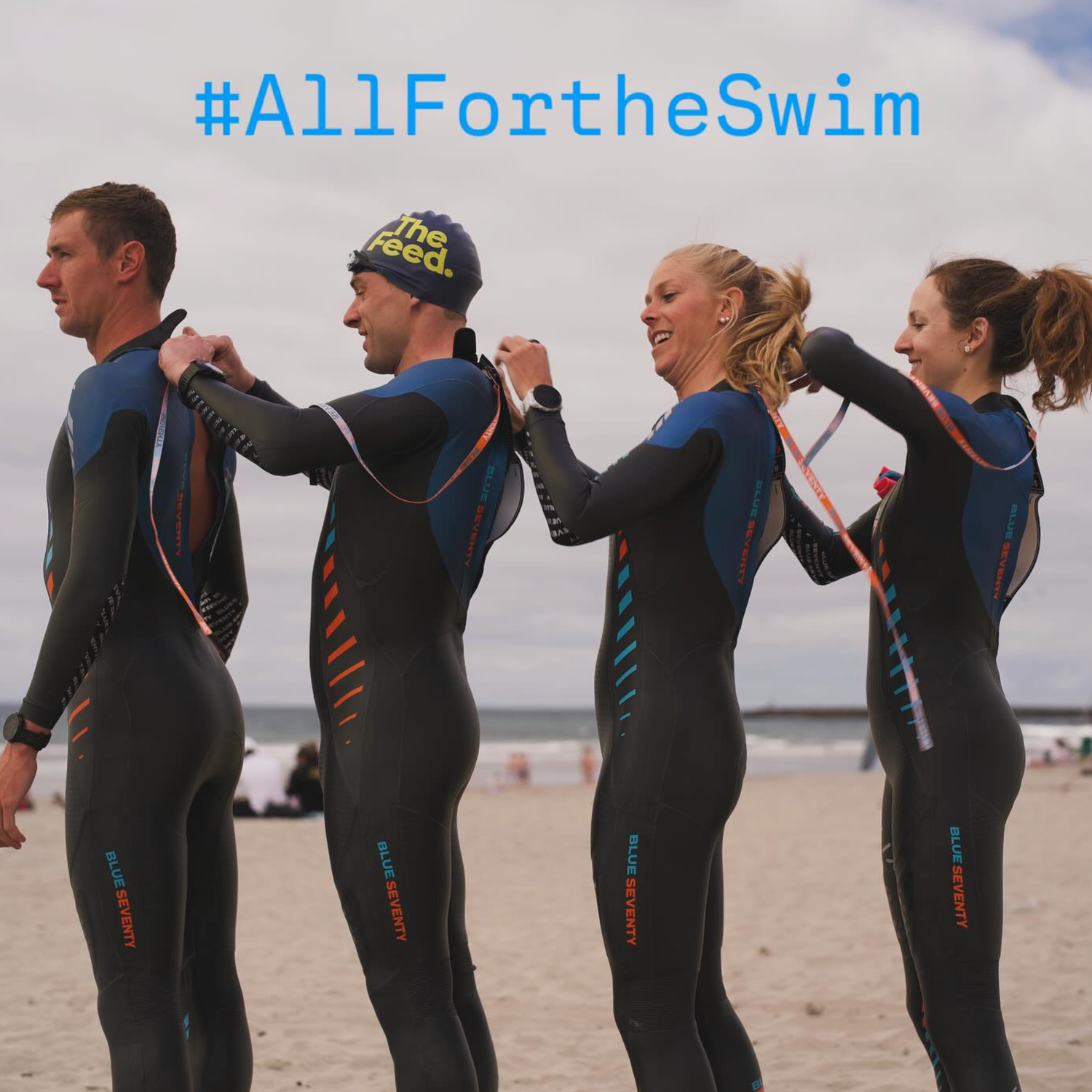
If the neoprene is still sitting low on the hips and torso when someone tries to close the suit, the zipper takes more strain than it should. If the shoulders have not been worked fully into place, the upper back pulls against the closure. If a training partner grabs the cord and yanks hard from the side, the slider and tape absorb force at a poor angle. Repeat that often enough and the damage shows up sooner or later.
The zipper is often the first visible casualty of a fit problem. That is one reason proper donning matters so much. Pull the suit up gradually through the calves, hips, and torso before closing it. Set the shoulders last. A lot of zipper stress disappears when the suit is sitting where it belongs.
How a healthy wetsuit zipper should feel
A swim-specific wetsuit should feel snug on land. That is normal. In the water, the fit settles and the suit usually feels more natural. What should not happen is a closing motion that depends on brute force.
A healthy zipper should move with steady resistance and a smooth path from base to top. It should not jam at the same point every time, and it should not pop open behind the slider after closing.
Watch for these signs:
- The slider sticks in one spot on every attempt.
- The teeth separate after the zipper looks closed.
- The tape ripples, twists, or pulls away from the neoprene.
- The top or bottom stop looks damaged.
- The zipper works only if someone pulls hard on the cord.
If you see one of those patterns, stop forcing it. A zipper that barely survives this week’s swim often turns into a larger repair job the next time you try to close it.
When a simple fix is enough
Not every zipper issue means the suit needs a full replacement. Some problems come from buildup, handling, or minor wear rather than true zipper failure.
Salt residue, sand, a frayed pull cord, or stiffness after storage can all make a zipper feel rough. Start with the basics.
- Rinse the suit thoroughly with fresh water.
- Inspect the zipper teeth and the base for grit or trapped material.
- Check that no liner or neoprene edge is caught in the track.
- Let the suit dry completely before testing it again.
If the only issue is a worn or broken pull cord, replacing the cord is usually straightforward. That does not change the structure of the wetsuit. It simply restores the part you hold when opening and closing it.
When zipper replacement is the right move
Some failures need professional repair from the start. If the zipper teeth separate after the slider passes, if the tape is tearing away from the back panel, or if the hardware is visibly bent, the closure system is no longer doing its job. The same applies to broken stops, corrosion, or neoprene tearing next to the zipper attachment.
At that point, the standard should be higher than “I can still get it shut.” The real question is whether the suit can still hold its proper shape during a hard swim and come off cleanly after it. If the answer is no, replacement becomes the better path.
Why zipper replacement on a swim-specific wetsuit is a precision repair
Zipper replacement sounds simple until you look at how a swim wetsuit is built. The zipper length affects how the suit opens for entry and how the back panel tensions when closed. The tape placement affects whether the spine panel sits flat or twists. The stitching matters because neoprene is not ordinary fabric. Every needle hole counts.
A poor repair can leave you with a zipper that works and a suit that no longer swims the way it should. That is why the goal is not merely replacing hardware. The goal is restoring the original closure pattern as closely as possible.
- Zipper length affects entry and torso tension.
- Tape alignment affects back-panel position and comfort.
- Stitch placement affects flexibility and long-term durability.
If any of those details are off, the suit may feel tighter through one shoulder, lower in the collar, or less balanced through the upper back.
Why triathletes notice zipper problems first
Open-water swimmers and triathletes both feel the effects of a bad zipper, but triathletes often notice it sooner because the zipper matters twice on race day. First, it matters before the swim, when you are trying to get the suit seated and closed without adding stress before the start. Then it matters again in T1, when a clean unzip begins the entire removal sequence.
If the zipper sticks at the top, catches at the base, or opens unevenly, the suit does not come off smoothly. That costs time. It also costs rhythm. Anyone who has had a wetsuit hang up in transition knows how quickly a calm sequence turns messy.
Small detail, real consequence.
The cost of waiting too long
Many athletes postpone zipper repair because the rest of the wetsuit still looks usable. That delay often creates new habits, and none of them help your swimming.
- You stop pulling the suit fully into place because you do not want to stress the zipper.
- You accept extra pressure at the neck or upper back.
- You avoid using the suit for key training swims.
- You gamble that it will hold for one more race.
That is a poor trade. A wetsuit should support your stroke and body position, not force you to work around equipment that has stopped doing its job properly.
How to reduce the odds of zipper damage
Good zipper care starts with good wetsuit habits. Most of the best prevention steps are simple.
- Pull the suit high enough through the legs and torso before closing it.
- Set the shoulders properly so the upper body is not fighting the closure.
- Pull the zipper in line with its path, not sideways.
- Rinse the suit after every saltwater swim.
- Store the suit so the zipper is not crushed or sharply folded.
- Stop at the first repeated sign of sticking or separation.
Those steps help the zipper, but they also help the whole suit perform the way it should.
When replacing the zipper may not be worth it
Sometimes the zipper is only the loudest problem on an older wetsuit. If the neoprene has lost elasticity through the shoulders, if the seams are degrading in several places, or if the area around the zipper is already torn and fatigued, a new zipper may not restore the feel you want in the water.
This is where honest evaluation matters. Blue70 has always been straightforward about trade-offs inside a swim-specific wetsuit line. A highly flexible race suit and a suit built for regular training do not age in exactly the same way because they are designed for different demands. The same thinking applies to repair decisions. If the full structure of the suit is breaking down, a zipper replacement fixes only one part of the problem.
Blue70 support, warranty, and the right next step
If you are dealing with a Blue70 wetsuit, identify the problem before trying a home fix that changes the suit permanently. Blue70’s US warranty covers manufacturing and materials defects for one year for the original owner, with repair as the remedy. It does not cover fingernail punctures, heel tears, normal wear, or zipper damage caused by force or misuse. Non-swimming use is also excluded.
If you need help sorting out the next step, contact Blue70 support at us@blueseventy.com. If you are still dialing in fit on a recently purchased suit, Blue70’s Test Swim policy can also reduce the pressure to make a rushed decision. You can learn more at Take a Test Swim.
A short checklist before you commit to repair
- Lay the suit flat and inspect the zipper, tape, stops, and nearby neoprene.
- Put the suit on correctly and test the zipper once with controlled tension.
- Rinse away any salt or grit and check for trapped liner.
- If the teeth separate or the tape is pulling free, move to professional repair evaluation.
- After any major repair, swim in the suit before race week.
That final step matters most. Dry-land fit gives you part of the answer. The water gives you the rest.
Final thought
A wetsuit zipper is small, but on a swim-specific suit it does important structural work. When it starts to fail, the effects show up in fit, comfort, stroke freedom, and transition speed. Replacing it well means restoring how the suit closes around the swimmer, not simply swapping out one piece of hardware.
If your zipper is sticking, separating, or changing how the suit feels in the water, deal with it early. A well-timed repair is easier than a race-morning scramble, and a wetsuit that fits correctly is always easier to trust when the swim begins.