


Most swimmers and triathletes do not spend much time thinking about their wetsuit zipper. They notice shoulder flexibility, buoyancy, warmth, and fit. The zipper usually gets ignored until the day it sticks, splits, or refuses to close cleanly before a swim.
That is understandable, but it misses something important. In a swim-specific wetsuit, the zipper is not just a closure. It is part of the suit’s structure. It helps hold tension across the back, influences how the neckline sits, affects how smoothly the suit comes off in transition, and plays a real role in overall comfort.
So when a zipper starts to fail, the question is not only whether it can be replaced. The better question is whether replacing it will restore the way the suit is meant to fit, move, and perform in the water.
That is where a lot of wetsuit repair advice falls short. Too often, zipper replacement gets treated like a basic gear fix. In reality, it is closer to a performance decision.
Why the zipper matters more than it seems
A wetsuit is built under tension. When it fits correctly, the neoprene sits snugly against the body and supports a better position in the water while still allowing freedom through the stroke. Across the blueseventy wetsuit range, suits use Yamamoto 38, 39, and 40 cell neoprene, with higher cell numbers offering greater flexibility. That flexibility is a major part of what gives a swim-specific wetsuit its natural feel in the water.
But flexibility still needs structure. The zipper helps create that structure through the spine and upper back. If it is damaged or poorly replaced, the effects often show up in places that do not seem related at first.
- Neck discomfort that feels like a fit problem
- Upper-back tightness that seems to come from the shoulders
- Harder wetsuit removal when practicing transitions
- Uneven tension through the back panel during the stroke
That is why zipper issues should not be brushed off as minor. If the zipper stops doing its job, the suit may stop swimming the way it was designed to.
A better way to think about zipper replacement
Here is the less obvious truth: wetsuit zipper replacement is not really about the zipper alone. It is about preserving the shape and function of the suit.
A swim-specific wetsuit is not like a rain jacket or a casual layer. You are rotating in it, breathing hard in it, sighting in open water in it, and trying to strip it off quickly on the way to T1. The zipper has to do more than open and close. It has to sit correctly inside a panel layout that was methodically constructed to balance comfort, fit, and race-day performance.
That means a good zipper replacement needs to preserve several things at once:
- Panel alignment
- Back-panel tension
- Neckline position
- Shoulder freedom
- Easy access to the pull cord
- Clean release for transitions
If a repair restores function but changes how the suit sits on your body, it may still feel off in the water. For swimmers and triathletes, that matters more than whether the zipper simply closes.
What athletes call a “zipper problem” can mean several different things
Before deciding on replacement, it helps to identify what actually failed. Not every zipper issue calls for the same solution.
The pull cord broke
If the zipper itself still tracks smoothly and closes properly, the problem may be limited to the pull attachment. That is very different from a full zipper failure.
The slider is worn
If the zipper closes but then separates under tension, the slider may be worn or no longer engaging the teeth properly.
The teeth are damaged
Missing, bent, or misaligned teeth usually point toward a more complete replacement.
The zipper tape is tearing away from the suit
This is more than a hardware issue. Once the zipper attachment area starts to fail, the repair becomes structural because it affects how the zipper connects to the neoprene panels.
The back panel is bunching or puckering
This is one of the more subtle warning signs. If the zipper area no longer lies flat, the closure may be changing how tension travels through the suit.
That last point is easy to overlook, but it matters. A suit can still close and still feel wrong.
Why wetsuit zippers usually fail
Most zipper issues come from a predictable mix of wear, tension, and handling. The zipper is not usually the first thing to blame on its own.
Common causes include:
- Repeated use over time
- Forcing the zipper when the suit is not fully pulled into position
- Yanking the pull cord at an angle
- Folding the suit sharply across the zipper for storage
- Inadequate rinsing after saltwater swims
- Leaving the wetsuit damp in a bag for too long
One of the biggest factors is how the suit is put on. If the neoprene is still sitting low through the hips or shoulders when you zip it, the closure takes on far more stress than it should. Over time, that strain adds up.
This is one reason an athlete can experience two problems at once: a zipper that wears out early and a suit that feels restrictive in the shoulders. Both may trace back to the same donning habit.
Why this matters on race day
Triathletes tend to think about the zipper mainly at the start of the swim, but it matters just as much at the end.
A smooth zipper release helps you get the suit open quickly, peel it down cleanly, and stay composed through T1. If the zipper sticks or the upper back distorts when the suit is opened, removal gets awkward fast.
That can lead to:
- Extra time spent fighting the suit in transition
- One shoulder getting hung up while running to your spot
- More wasted motion at a point in the race where rhythm matters
- A loss of focus right after the swim
No zipper repair article needs to pretend this will make or break an entire race. But it is absolutely fair to say that a clean, reliable zipper supports smoother race execution.
When zipper replacement makes sense
A zipper replacement is usually worthwhile when the rest of the suit is still in good condition and the issue is isolated to the closure system.
Good signs include:
- The neoprene still has healthy stretch
- The seams are intact
- The suit still fits properly
- The damage is limited to the zipper, slider, or zipper attachment area
In that case, replacing the zipper can extend the useful life of the suit and keep it performing the way you expect for training or racing.
When a zipper repair may not be the best answer
Sometimes the zipper is simply the most visible part of a larger problem. If the suit is already showing age in multiple places, a replacement may not restore what you want it to restore.
It may be time to think more broadly if:
- The neoprene feels compressed or tired
- Several seams are starting to go
- The shoulders or neck already feel overstressed
- The suit no longer fits as it should
- Your training frequency or swim conditions have changed significantly
That last point matters. A wetsuit that once worked well for occasional race use may not be the ideal long-term choice if you now swim in open water every week. Likewise, if you are consistently swimming in water below roughly 56-58°F, a purpose-built thermal suit provides added thermal protection. If your longer swims are in water above roughly 70-72°F, a full suit may be too warm for the session, and a sleeveless option may make more sense.
In other words, zipper replacement should be considered in the context of how you actually swim now.
Why repair quality matters
A wetsuit zipper should not be treated like an ordinary clothing repair. If the replacement is done without respect for the original panel layout, the suit may technically be fixed but still feel wrong in the water.
Typical signs of a poor repair include:
- Pressure at the throat
- Bunching along the spine
- Uneven pull through the upper back
- Reduced freedom in the shoulders
- A harder time getting the suit off after a swim
The standard should be higher than “the zipper works again.” The real goal is that the suit still swims correctly.
What to check before sending a suit in for repair
Before you make a repair decision, do a simple review of the suit and how you use it.
- Inspect the zipper dry. Look for missing teeth, rough tracking, separation after closing, torn tape, or puckering around the seam.
- Think about fit. Has the suit always been difficult to zip, or is this new? Has your body size changed? Are you pulling the suit fully into place before closing it?
- Consider use pattern. Is this a race-only suit, or has it become a frequent training suit?
- Review storage and care. Has it been rinsed consistently and stored clean and dry?
- Act early. Do not wait until race week to find out whether the zipper problem is bigger than you thought.
The best zipper strategy is prevention
The simplest way to deal with zipper replacement is to reduce the chances that you will need it in the first place. A few habits make a real difference.
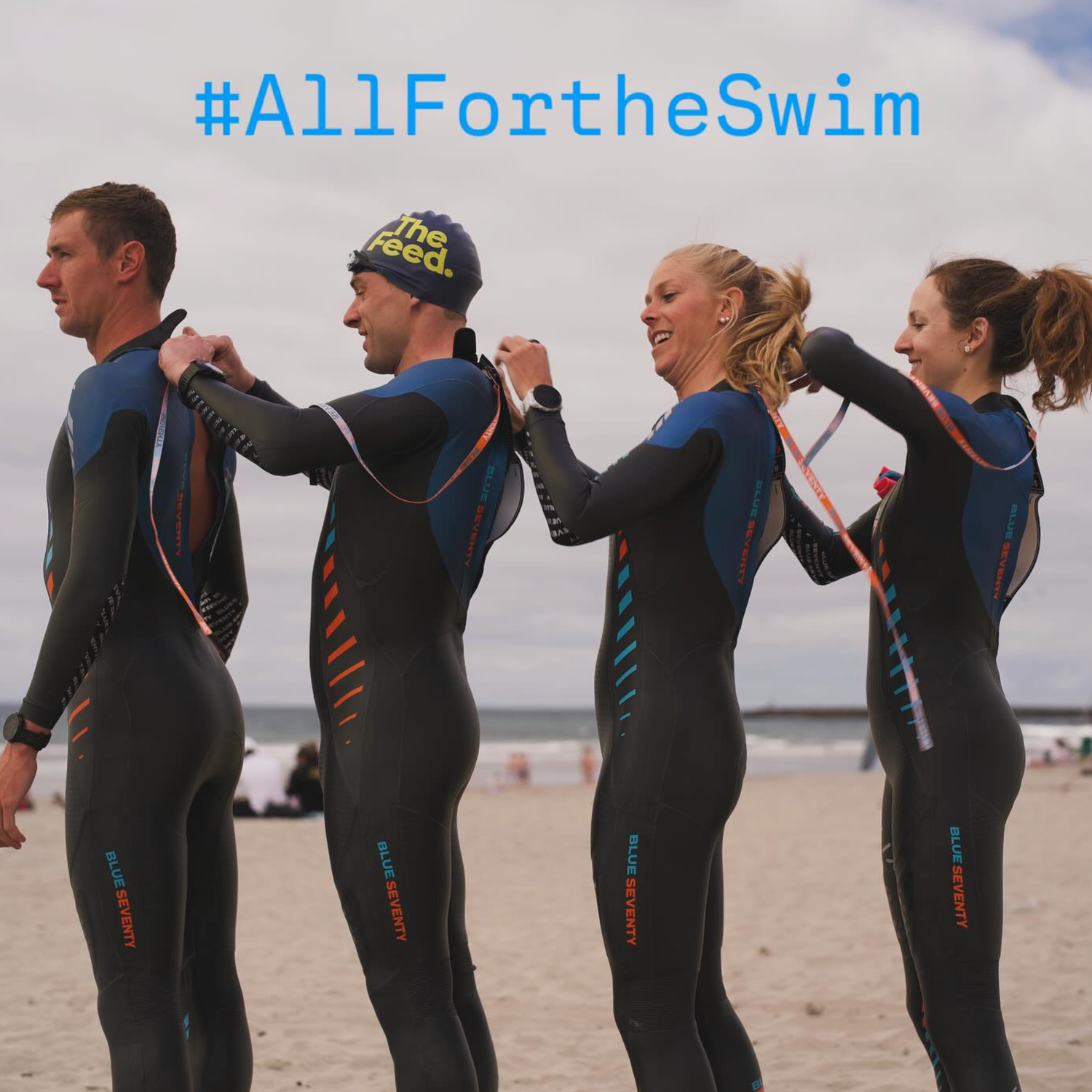
- Put the suit on properly. Work the neoprene fully into place before closing the zipper, especially through the hips and shoulders.
- Use smooth tension. Pull the zipper in a clean, controlled line rather than jerking it sideways.
- Rinse after every swim. Fresh water helps clear away salt, sand, and residue.
- Dry the suit fully. Store it clean and dry, not crumpled in a bag.
- Avoid hard folds across the zipper. Sharp creases can distort the closure and surrounding panels.
- Inspect it regularly. Open and close the zipper a few times before important training blocks or races.
Support and next steps
If you are not sure whether your zipper issue is simple wear or something more structural, start by getting guidance before attempting a home repair. blueseventy provides support at us@blueseventy.com.
For the original owner, blueseventy’s verified warranty covers manufacturing and materials defects for one year, with repair as the remedy. It does not cover fingernail punctures, heel tears, zipper damage caused by force, wear and tear, chlorine or heat damage, or damage from non-swimming use.
That is worth knowing before you assume every zipper issue belongs in the same category.
Final thoughts
Wetsuit zipper replacement sounds like a narrow maintenance topic, but it touches nearly every part of the swim experience. Fit, comfort, freedom through the stroke, durability, and transition efficiency can all be affected by a closure that no longer works as intended.
The key is not to think about the zipper in isolation. Think about the full system of the suit. If replacing the zipper restores the structure, comfort, and feel of the wetsuit in the water, it is a smart repair. If it does not, the better answer may be to step back and reassess the suit itself.
If you want to double-check your fit before deciding the zipper is the problem, a good next step is to use blueseventy’s sizing tools, fit resources, or Take a Test Swim option. A suit that is put on correctly and fits the way it should will usually feel snug on land and more comfortable once you are in the water.
Happy Swimming!