


Most swimmers ask about wetsuit zipper repair cost the moment a suit stops closing cleanly. That makes sense, but it skips the more useful question: why did the zipper fail in the first place? In a swim-specific wetsuit, the zipper is rarely an isolated problem. It often shows the strain from a suit that sits too low through the shoulders, a torso that gets forced shut every time you zip up, or years of repeated use that have started to wear down the structure around the closure.
That is why a repair bill on its own does not tell you much. A low-cost fix can still leave you with a suit that feels tight through the upper back, rubs at the neck, or hangs up when you try to get it off in transition. A more involved repair can be worth the money if the rest of the suit still fits well and moves the way it should in the water.
For triathletes and open water swimmers, this matters because the zipper does more than close the suit. It affects shoulder freedom, comfort before the start, and how fast you can get out of the suit when the swim is over. If the closure becomes unreliable, the issue is not just maintenance. It is performance.
Why repair costs vary so much
Two wetsuits can show the same symptom and need very different work. A zipper that separates after closing may only need a new slider. That is usually the simpler fix. If the teeth are damaged, the zipper tape is torn, or the neoprene beside the zipper has stretched or started to tear, the repair becomes more involved.
Most of the cost comes from labor. A technician has to remove stitching without damaging the surrounding neoprene, replace or rebuild the failed section, and keep the back panel smooth enough that the suit still moves properly when you swim. If that work is sloppy, you feel it right away. The suit may still zip, but the upper back can tighten up, the neck can start rubbing, and the whole suit becomes harder to remove after the swim.
A zipper repair only counts as successful if the suit closes smoothly, stays shut under tension, and still feels right in the water.
The zipper usually fails last
This is the part many athletes miss. The zipper often becomes the first visible symptom of a problem that started somewhere else. The closure is simply the part that gives up after taking more strain than it should have.
That strain usually comes from a few predictable habits and patterns:
- The suit is zipped before it is fully in position. The legs and hips are not worked up far enough, so the zipper ends up doing the final pull.
- The shoulders sit too low. When there is not enough material lifted into the shoulders, the upper back and zipper carry extra load every time you reach forward.
- The suit is being used harder than it was chosen for. Frequent training puts a different kind of wear on a wetsuit than occasional racing.
- Salt and grit build up in the closure. Ocean swimmers see this all the time when the suit is not rinsed thoroughly after use.
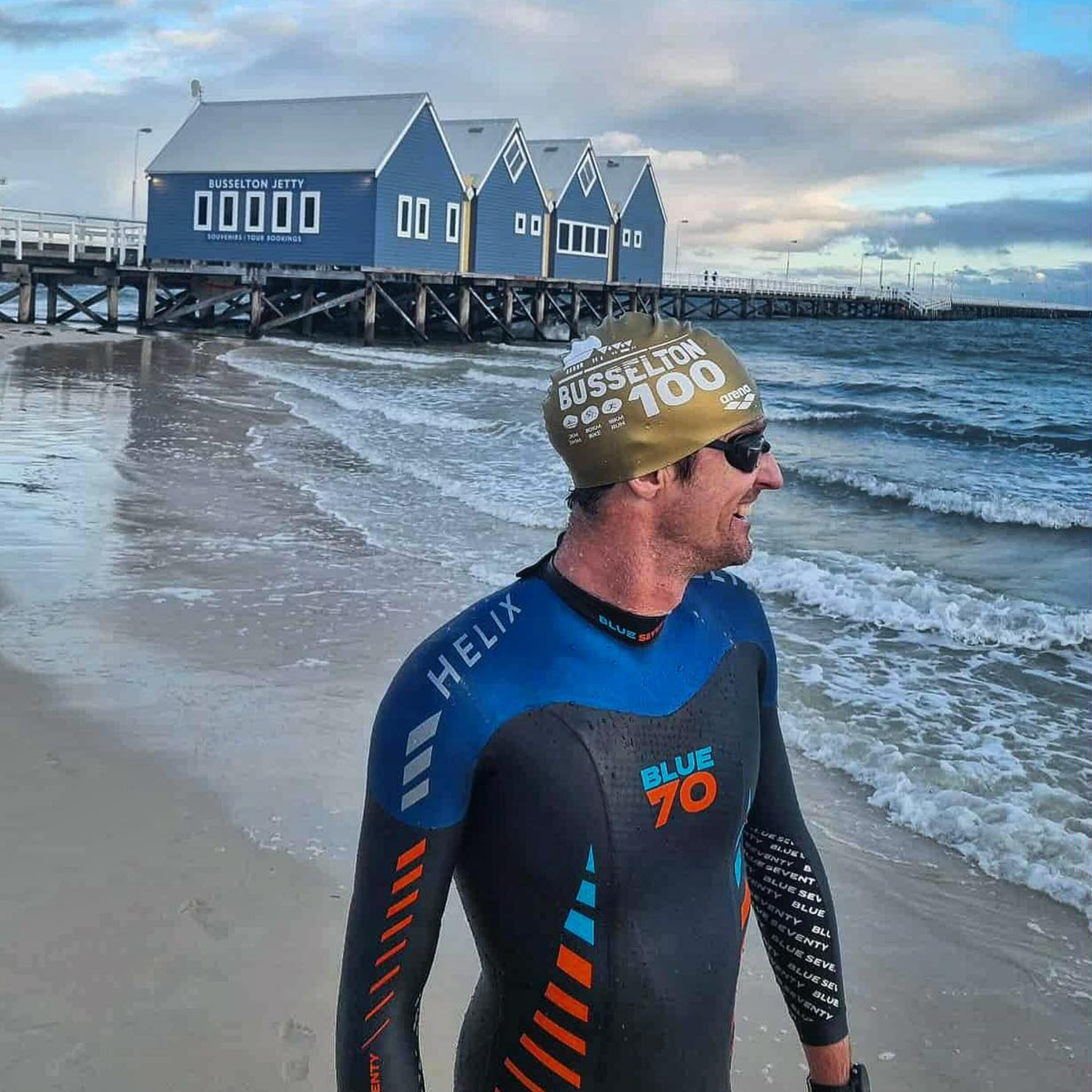
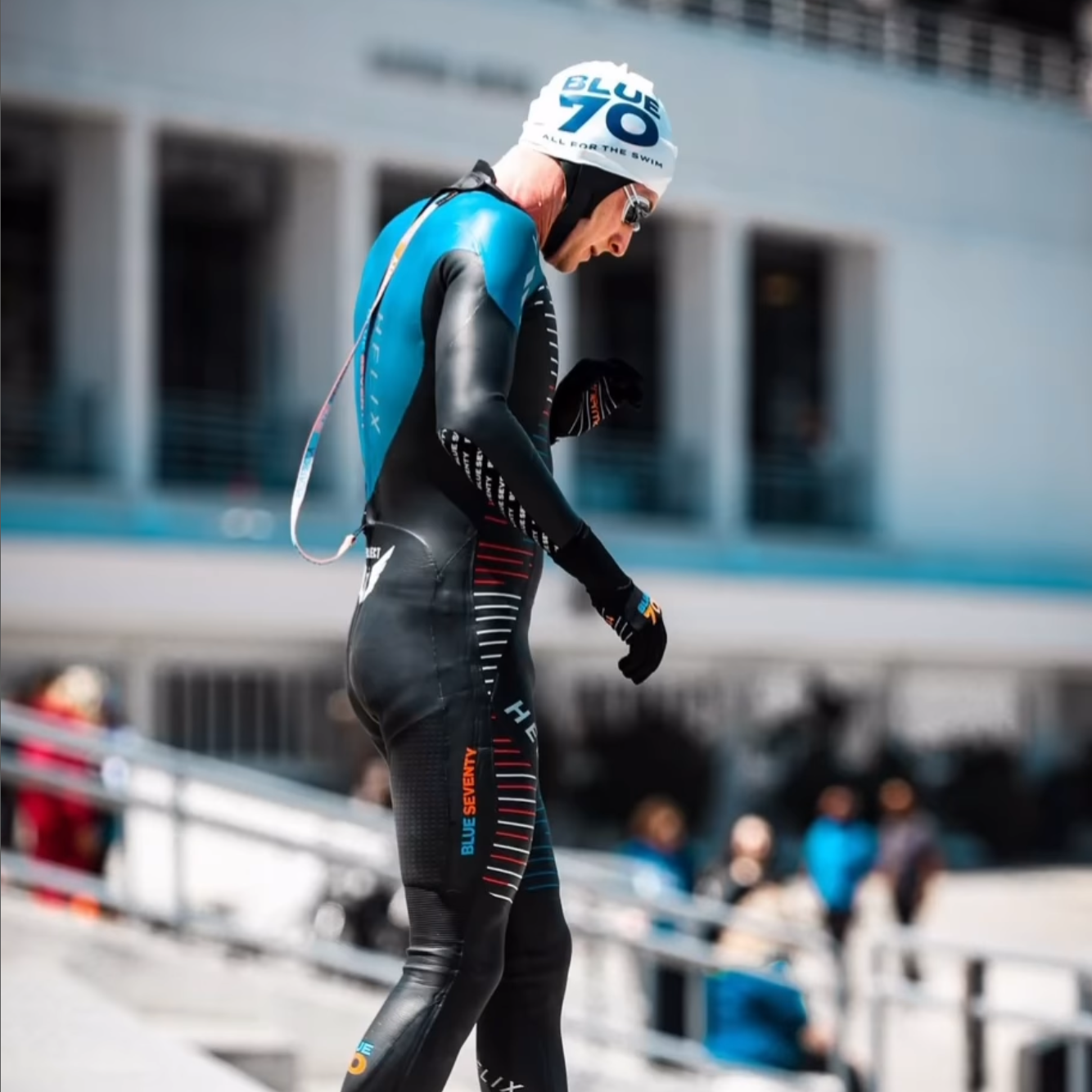
Blue70 has always been clear that use pattern matters. The Helix is built for race-day performance, with very thin and flexible neoprene in the arms and shoulders, a permeable catch panel to preserve feel for the water, and LIFT buoyancy panels. That kind of race-first construction is different from a suit selected for heavy weekly use. Athletes who train often are usually better served by options such as the Reaction for longer frequent swims or the Fusion for shorter frequent swims. When a zipper starts to fail, that context matters.
Why triathletes need to think beyond the repair invoice
A zipper problem has race consequences. Before the swim, the suit has to close without a fight. During the swim, it has to stay secure while you rotate, breathe deeply, and reach under tension. In T1, it has to open immediately so you can strip the suit fast and get moving.
A repair that leaves the zipper stiff or inconsistent can cost you in three places:
- Before the start, when you are still tugging at the closure instead of settling down.
- During the swim, when upper-back tension starts to build and your stroke shortens.
- In transition, when the suit does not peel off cleanly.
That is why a cheap repair can still be expensive. It may save money at the counter and still cost comfort, confidence, or time on race day.
Common zipper problems and what they usually mean
The zipper separates after you close it
This often points to a worn slider. The teeth may still look fine, but the slider no longer holds both sides together tightly enough to keep them locked. It can also happen when the suit is under too much tension across the torso every time it is zipped.
The zipper will not start cleanly at the base
This can signal trouble at the bottom stop or a track alignment problem. It also shows up on suits that have been handled roughly during fast removal.
The zipper feels rough or sticky
Salt, sand, and dried residue are common causes. This is one of the easier problems to prevent, especially for swimmers who rinse their suit well after every ocean session.
The area around the zipper looks wrinkled or stretched
That usually means the issue is larger than the hardware. When the neoprene around the zipper panel has started to distort, a simple zipper swap may not solve the full problem.
How to inspect the suit before you pay for a repair
Do not stop at the closure. Check the whole suit before you decide whether to repair it.
- Look at the neoprene beside the zipper. Small tears, thinning, or stretched spots matter.
- Check shoulder tension. If the suit feels loaded across the upper back before the zipper is fully shut, fit may be part of the problem.
- Notice the neckline. If the neck rubs more than it used to, the suit may be losing shape through the upper body.
- Test removal. If the zipper opens but the suit still catches badly through the shoulders, the problem may extend beyond the closure.
- Be honest about training use. A suit used weekly ages differently from a suit used a few times each season.
Blue70's own guidance reflects that reality. The Reaction is a strong option for frequent and longer swims. The Fusion works well for shorter frequent swims and gained a lower-sitting neckline in the 2021 redesign for comfort without losing the seal. The Sprint fits the athlete buying an entry-level suit. Repair decisions make more sense when you place them in that bigger picture.
When repair makes sense
Repair is often the right move if the problem is limited to the zipper hardware, the neoprene around the closure is still in good shape, and the suit otherwise fits the way it should. In that case, a proper repair can extend the useful life of the suit without changing how it performs in the water.
It also makes sense if the suit still matches how you swim now. A wetsuit that fits your body, your swim frequency, and your water conditions is worth maintaining.
When replacement is the smarter call
Sometimes a zipper issue is simply the point where the rest of the suit starts to show its age. If the closure problem comes with upper-back restriction, neck wear, tears beside the zipper, or repeated separation under normal tension, the repair may only buy a little time.
Replacement also makes sense when your swimming has changed. Many athletes start with one suit for a single race, then end up swimming in open water every week. The gear that worked for a first event may not be the best fit for regular training, colder water, or a more performance-focused season.
Blue70 offers clear pathways for those different needs. The Thermal Reaction adds warmth for colder water with a full Zirconium jersey lining. The Reaction is built for frequent performance swimming. The Fusion balances comfort, fit, and regular use. The Helix remains the race-day suit for athletes chasing every performance detail.
Habits that reduce zipper repairs
Most zipper failures are easier to prevent than to fix. A few handling habits go a long way.
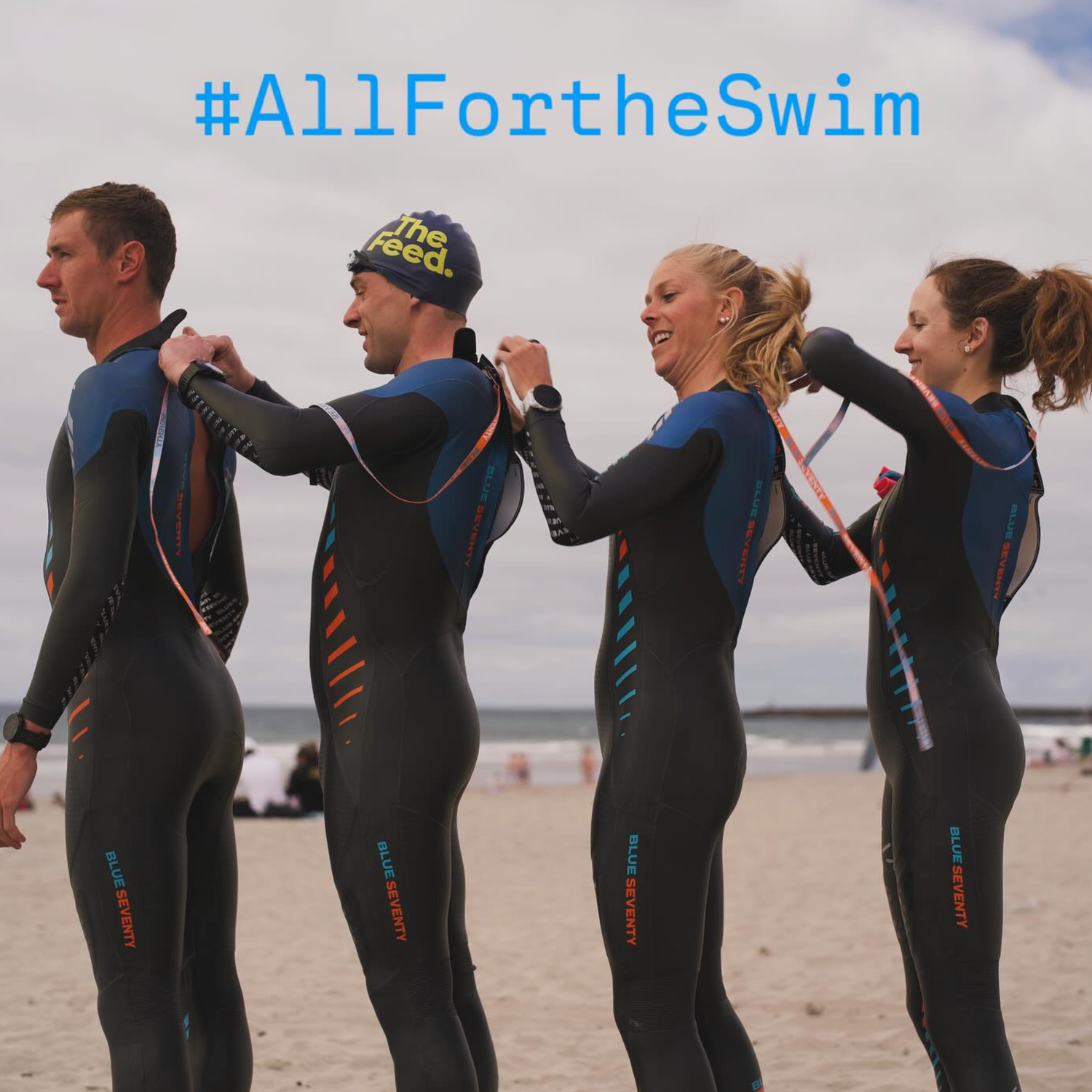
- Put the suit on in stages. Work the material up through the legs, then hips, then torso.
- Lift neoprene into the shoulders before you zip. This reduces strain on the closure and frees up your stroke.
- Pull the zipper in line with the track. Do not yank it far out to the side.
- Rinse the suit after every swim. Fresh water helps clear salt and grit from the zipper area.
- Store the suit carefully. Avoid crushing or sharply folding the zipper line.
- Use the right suit for the job. Saving your race suit for key sessions and race day can reduce wear over time.
Questions worth asking before you approve the repair
If you take a wetsuit in for zipper work, ask direct questions. A good repair assessment should tell you more than the price.
- Is the problem the slider, the teeth, the tape, or the neoprene around the zipper?
- Does the whole zipper need to be replaced, or only part of it?
- Will the repair affect flexibility across the upper back?
- Does the rest of the suit show wear that limits the value of the repair?
Those answers can save you from spending money on a suit that no longer fits your training or race needs.
The best question to ask
The first question is always, "What will this repair cost?" The better question is, "What will this repair restore?"
If it restores a smooth closure, comfortable shoulder movement, and confidence that the suit will perform the way you need it to, the repair is usually worth it. If it only gets the zipper moving again on a suit that already feels strained, tired, or unreliable, the number on the invoice matters less than the risk you still carry into your next swim.
If your zipper issue started with a suit that always feels hard to close or tight through the shoulders, start with fit before you commit to a repair. Blue70's size charts and fitting guide are the right place to start. If you are moving into a new suit, you can also Take a Test Swim and try it in the water without affecting your return or exchange, as long as it comes back clean, dry, and unmodified.