


Searches for wetsuit repair service near me usually start with a tear and a deadline. You spot a nick in the neoprene, the ankle opening starts to split, or the zipper feels wrong a week before your next race. The natural move is to find the closest repair option and get it handled fast. For swimmers and triathletes, that first instinct can miss the main issue. A wetsuit repair does more than close damaged material. It needs to preserve fit, flexibility, and how the suit feels once you are swimming at full stroke length.
That matters because a swim-specific wetsuit is built around movement in the water. blueseventy designs wetsuits for shoulder rotation, body position, the catch phase of freestyle, and the repeated strain that comes from long open-water sessions and race efforts. A repair that looks clean on land can still leave a stiff spot in the wrong panel, change neckline comfort, or add restriction through the shoulders. The better question is not only who can repair neoprene nearby. The better question is who can repair a swim-specific wetsuit without changing the way it swims.
Why swim-specific wetsuits need a different repair mindset
Not all damage affects a wetsuit in the same way, and not all panels do the same job. That is why repair decisions should start with function. The shoulders, underarms, and chest need to stretch through entry, extension, catch, and recovery. The lower legs deal with repeated stress during entry and exit. The neckline has to sit cleanly without creating pressure or chafing. A basic patch job may close a tear, but it can still create a problem you only notice once the swim settles in.
blueseventy uses Yamamoto neoprene in 38, 39, and 40 cell across its wetsuit line, with higher cell numbers delivering more flexibility. That detail matters in repair work. Flexible neoprene needs a repair that stays flexible. If a fix creates a rigid section in a high-mobility panel, the suit may stop feeling like it did before the damage happened.
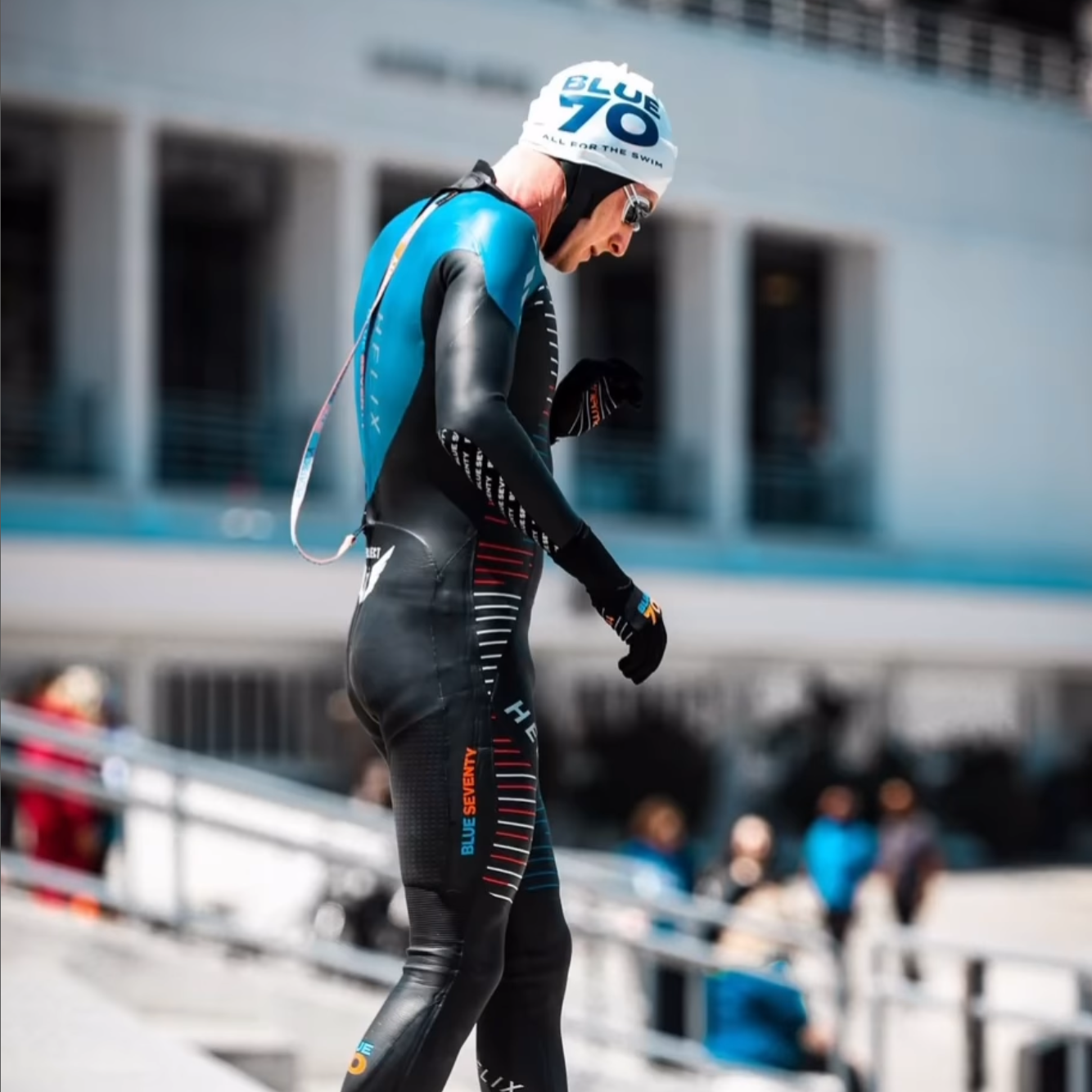
This becomes more important in a race-oriented suit. The blueseventy Helix uses very thin, flexible neoprene in the arms and shoulders, plus a permeable catch panel designed to preserve feel for the water. blueseventy is also clear about the trade-off: that thin neoprene is not ideal for heavy training use and will break down more quickly than a more training-focused suit. When a suit is built that precisely, repair quality matters a lot.
Identify the damage before you search for a repair shop
The first step is simple. Stop calling everything a tear. Different problems need different fixes.
Fingernail punctures
These are among the most common forms of wetsuit damage. They usually happen while putting the suit on, especially when athletes pinch the neoprene with their fingertips instead of using the pads of their fingers. Small punctures often show up around the hips, thighs, and side panels. Catch them early and they are easier to manage. Leave them alone, and repeated stretch can open them further.
Heel tears
Heel tears usually happen at the ankle opening while stepping into or out of the suit too quickly. They are common enough that blueseventy lists heel tears among the kinds of damage not covered under its warranty, along with fingernail punctures and zipper damage from force. That tells you this is not rare damage. It is normal athlete damage, and it usually comes from rushing.
Seam separation
A seam problem is more serious than a surface nick. Seams hold panels together under tension. If glued and blindstitched construction starts to separate, a surface-level fix may not hold. These repairs need structure, not just cleanup.
Zipper problems
If the zipper binds, splits, or resists closing, stop pulling harder. Forced zipper damage gets worse fast. It can start as a small alignment problem and turn into a repair that takes the suit out of use.
Surface abrasion
Scrapes from rocks, docks, concrete, and rough pool edges vary a lot. Some are only cosmetic. Some cut through the outer layer and into the neoprene foam. The deeper the damage, the more carefully you need to treat it.
Panel location matters more than tear size
A small cut in the wrong place can matter more than a larger one somewhere less sensitive. That is one of the most useful things an experienced swimmer learns about wetsuit repair.
A short split across the shoulder or underarm can affect every stroke you take. Those panels move constantly. If a repair stiffens them even a little, you may feel it as shoulder fatigue, shorter reach, or a suit that seems tight even though the fit has not changed. A cut on the outer calf still needs repair, but it usually does not change stroke mechanics in the same way.
The neckline deserves the same attention. blueseventy redesigned the Fusion in 2021 with a lower-sitting neckline for comfort without losing the watertight seal. If a repair changes how the collar sits against the neck, the swimmer may feel chafing or pressure that was never part of the original fit.
That is why the closest repair option is not always the best one. A swim-specific repair has to respect what each panel does in the water.
A contrarian point: many repair problems start before the swim starts
Most athletes think of repair as something that happens after damage. In practice, a lot of wetsuit damage begins with poor handling. The pattern shows up clearly in blueseventy’s care and warranty guidance. The common issues are fingernail punctures, heel tears, zipper damage from force, heat damage, chlorine damage, and wear from non-swimming use.
That list points to a useful conclusion. A lot of wetsuit repair demand comes from how athletes put the suit on, take it off, store it, and care for it. Swimming is only part of the story.
If you want fewer repairs, start there.
When a home repair makes sense
Some damage is small enough for a careful home repair. The key word is careful.
A do-it-yourself repair usually makes sense when the damage is limited, clean, and away from major seam stress or zipper hardware. For example, a small fingernail nick in a low-stress panel can often be handled at home if you catch it early.
blueseventy carries Aquaseal neoprene cement in its wetsuit care range, which gives swimmers a practical option for minor repairs. Used properly, neoprene cement can help stop a small cut from spreading and extend the life of the suit.
For a minor repair, keep the process simple and deliberate:
- Make sure the damaged area is clean and fully dry.
- Align the torn edges carefully before applying adhesive.
- Use a small amount of neoprene cement rather than overloading the cut.
- Let the repair cure fully before folding, stretching, or swimming in the suit.
- Check that the repaired area still feels flexible once cured.
Too much adhesive can create a hard spot. Hard spots do not belong in high-flex swim panels.
When expert repair is the better choice
Some problems move out of the home-repair category right away. If the suit has seam separation, zipper damage, a larger tear, or damage in the shoulder, underarm, chest, or neckline, get expert help. The same goes for a repair that keeps reopening or a panel that now bunches, wrinkles, or looks distorted.
Those signs matter because they point to more than surface damage. They suggest that the way the panel stretches and recovers may already be affected. A suit can look acceptable in your hands and still feel wrong after ten minutes of swimming.
That is a hard lesson on race week. Problems that seem manageable on land often show up once fatigue builds and your stroke starts asking more of the suit.
How to judge a wetsuit repair service
If you do search locally, ask questions that match the way swimmers use wetsuits. A general neoprene repair background is not always enough.
Ask questions like these:
- Do you repair swim-specific wetsuits?
- How do you handle tears in shoulder and underarm flex panels?
- Do you repair glued and blindstitched seams?
- How do you approach ankle-opening damage from entry and exit strain?
- What should the repaired panel feel like once the work is complete?
You are listening for awareness of movement, stretch, and panel function. A triathlon or open-water wetsuit has to do more than survive the next swim. It has to move correctly during that swim.
Repair standards should match the job the suit does
Not every wetsuit in your bag needs the same repair strategy. The right approach depends on what the suit is used for.
If the suit is a race-day piece, preserving flexibility and panel feel should be the top priority. The blueseventy Helix sits in that category. It is built for total race-day performance, with thin neoprene and a design that prioritizes freedom through the stroke.
If the suit is a frequent training tool, your priorities may be different. blueseventy recommends the Reaction for frequent, longer swims and the Fusion for shorter frequent swims, partly because those suits make more sense for regular use. When one of those suits takes a small knock in a lower-stress panel, the repair may focus more on durable function than on keeping every panel feeling race-tuned.
That difference matters. The best repair is not always the prettiest one. It is the one that matches the purpose of the suit.
Common mistakes that create bigger problems
Most bad repairs follow familiar patterns.
- Over-gluing: too much adhesive creates stiffness.
- Repairing a damp suit: moisture weakens the bond.
- Ignoring donning errors: poor shoulder placement can reopen small repairs.
- Treating all cuts as cosmetic: damage near seams, zippers, cuffs, and necklines often carries more stress than it first appears.
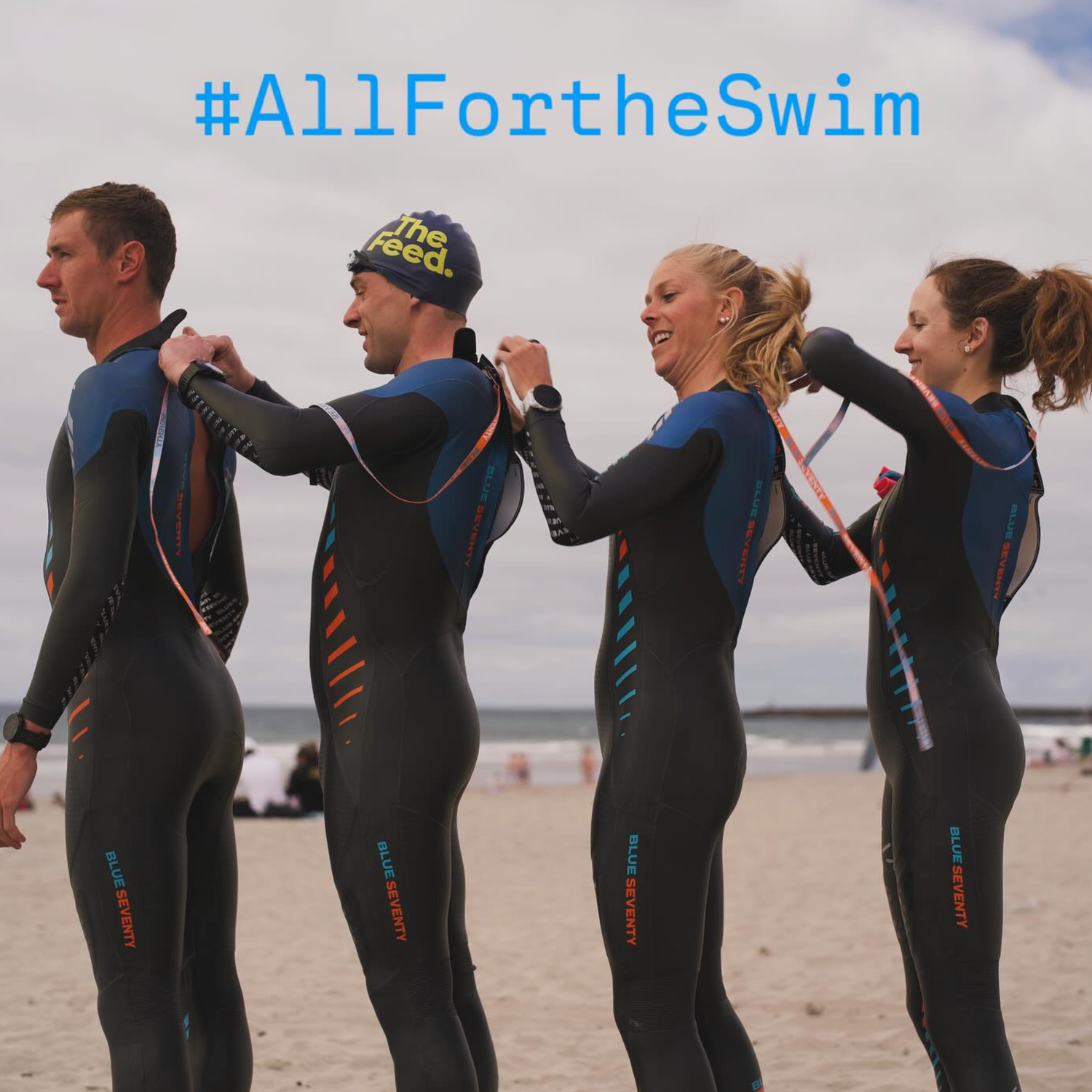
Fit plays a part here too. blueseventy’s fit guidance is straightforward: a wetsuit should feel snug on land and more comfortable in the water. If the suit was never pulled high enough through the legs, hips, and torso, the shoulders can end up carrying too much load. That added strain can turn minor flaws into repeat damage.
A better process than searching by distance alone
Before you hand over the suit to the nearest repair option, run through a short checklist.
- Identify the damage type.
- Identify the panel location.
- Decide whether the issue is cosmetic, structural, or likely to affect performance.
- Use neoprene cement only for minor repairs that fit the low-risk category.
- Get expert guidance for seam, zipper, neckline, or high-flex panel damage.
If you are unsure where the damage fits, start with support and care resources before guessing. blueseventy offers Expert Support, a fitting wear guide, and wetsuit care products on the US site. That is often a smarter first move than treating every cut the same way.
How to prevent the next repair
Prevention does more for wetsuit longevity than last-minute rescue work. Most of it comes down to habits.
- Use the pads of your fingers, not your nails, when putting the suit on.
- Work the neoprene upward in small sections instead of yanking from the shoulders.
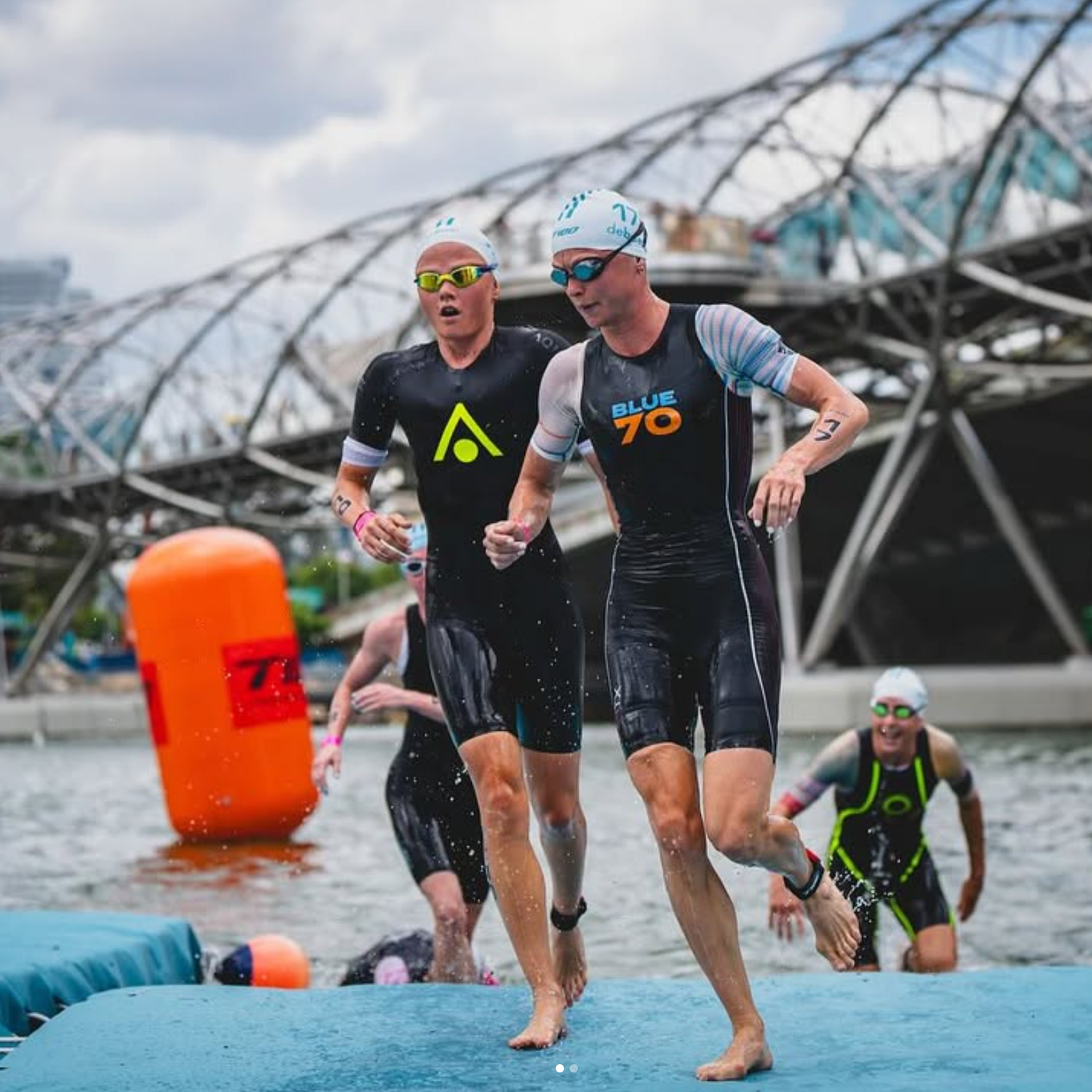
- Take care at the ankles during entry and exit.
- Rinse the suit after ocean or pool use.
- Let it dry fully away from direct heat before storing it.
- Keep the suit for swimming use, since blueseventy’s warranty excludes non-swimming use such as surfing, scuba, and kayaking.
These are small habits. They prevent a lot of damage.
Race-week repairs need extra caution
A repair that is acceptable in a training block may not be the right call three days before a goal race. If the damage is minor and stable, a careful fix may be enough. If the damage touches a seam, zipper, neckline, shoulder, or underarm panel, the risk rises.
Test the suit in water before race day if you repair it close to an event. A short swim tells you more than a visual inspection. Pay attention to shoulder turnover, collar comfort, and whether the repaired area puckers or pulls once you settle into race effort.
The standard to keep in mind
A wetsuit repair is successful when it protects how the suit swims. That is the standard that matters for open-water athletes and triathletes. Small cuts in low-stress areas can often be managed with care and the right neoprene cement. Structural damage, zipper issues, and repairs in high-flex panels need a more skilled approach.
If you need help deciding what to do next, blueseventy offers wetsuit care products, fit guidance, and Expert Support. If you are working through a fit question on a newer suit, you can also review the Take a Test Swim policy or check the size charts before your next session.