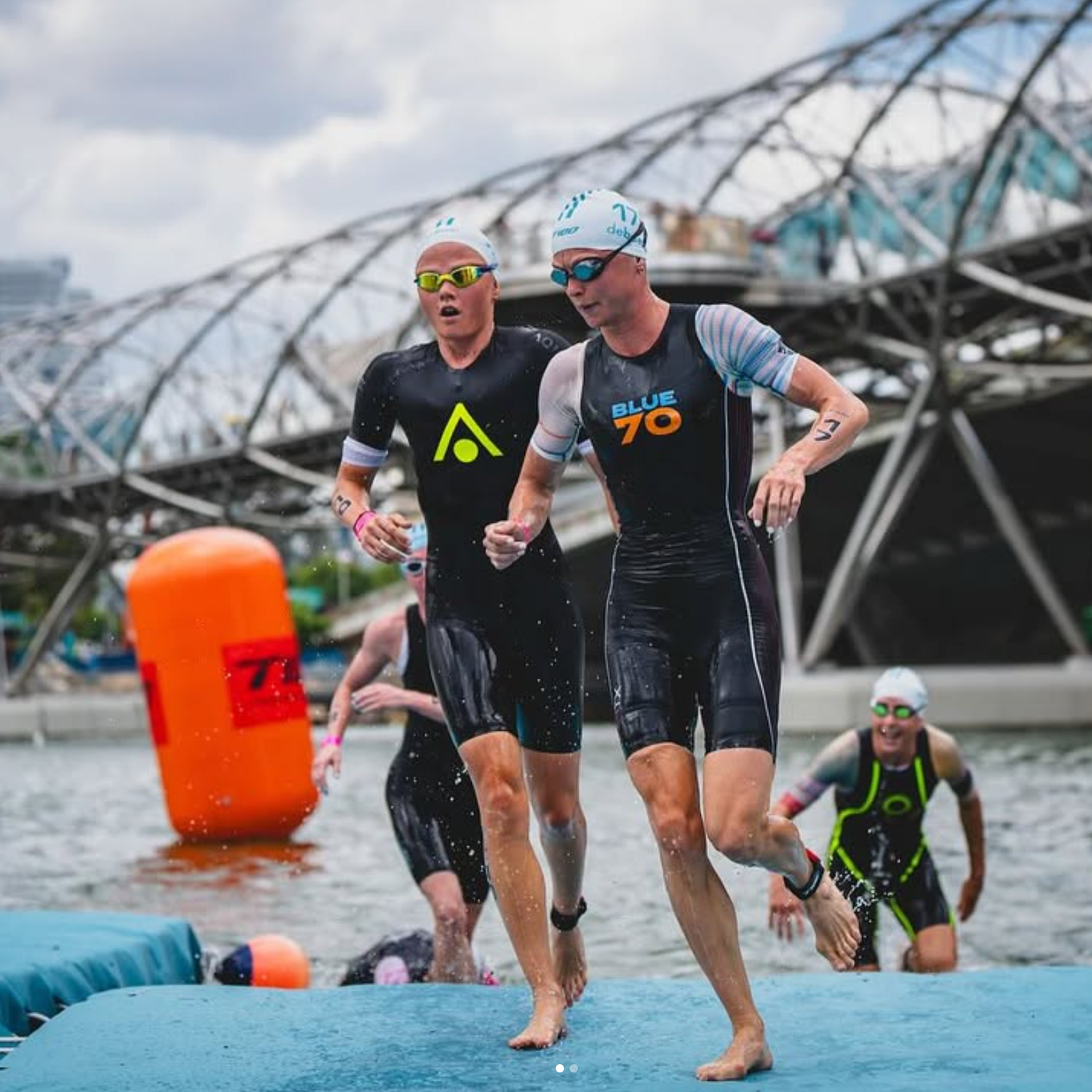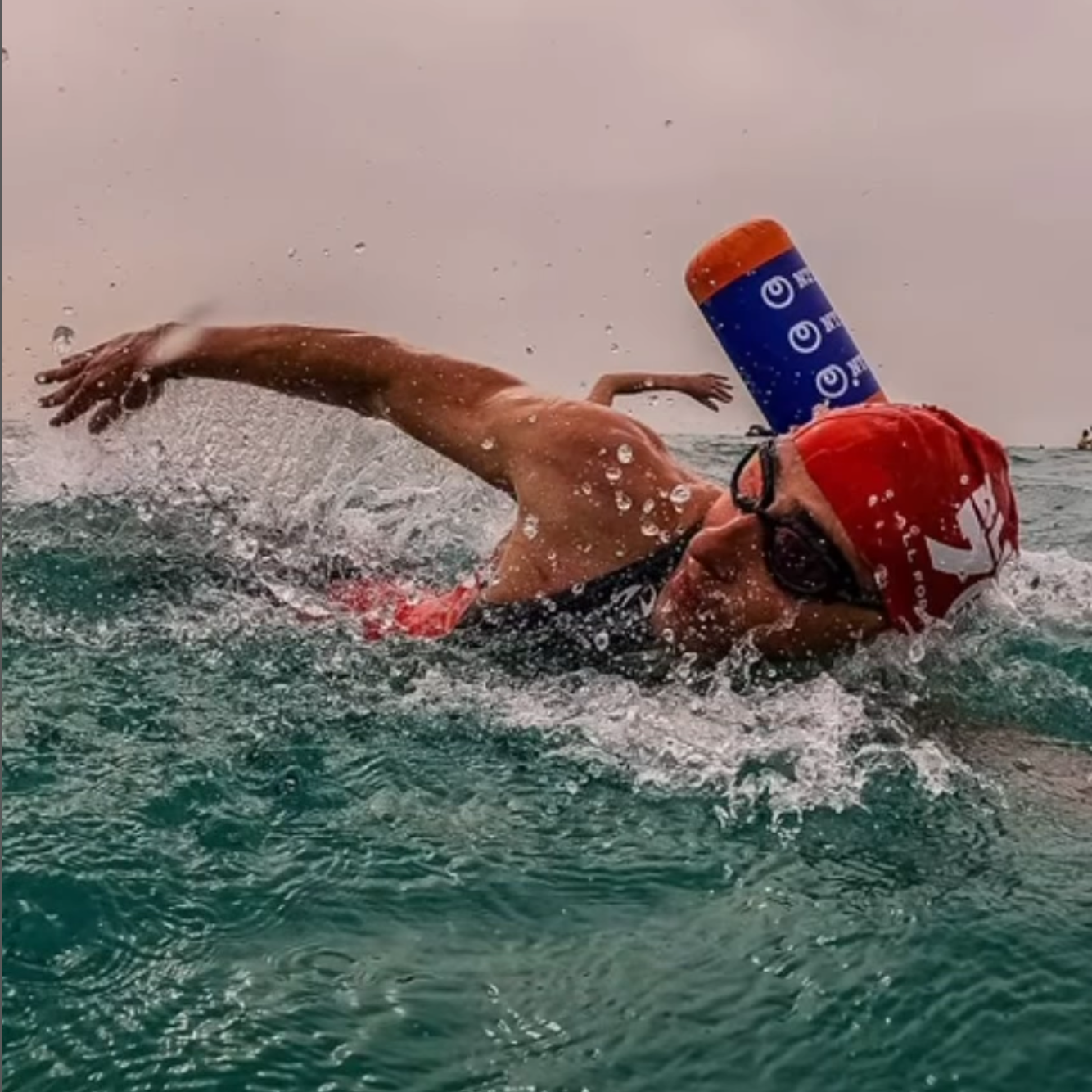



Most searches for wetsuit repair kit near me start the same way. You spot a nick in the neoprene, your next open-water swim is coming up, and now you need a fix fast. The mistake is treating every tear like the same problem. A swim-specific wetsuit is built to stretch through your catch, your breathing pattern, and a fast wetsuit exit in transition. The right repair depends on where the damage is, how deep it goes, and how much that panel moves once you are in the water.
That is why the closest repair kit is not always the best answer. For swimmers and triathletes, a bad repair can do more than look messy. It can stiffen the shoulders, create rubbing at the neck, slow removal in T1, or turn a small cosmetic tear into a larger failure after one hard swim.
Start with the damage, not the shopping
If you want the repair to last, identify the type of damage before you buy anything. Most wetsuit issues fall into a few clear categories, and each one calls for a different level of caution.
Small punctures and surface nicks
These usually come from fingernails while putting the suit on. They often look dramatic because neoprene shows damage clearly, but many of these nicks stay small and do not affect the way the suit swims. If the surrounding material still lies flat and the nick has not opened into a longer tear, a simple neoprene-cement repair often does the job.
Clean tears in the neoprene
A straight tear with edges that still line up neatly can often be repaired at home. The key is alignment. If the material meets naturally without being forced, the repair has a much better chance of holding through repeated swims and repeated transitions.
Seam or zipper damage
This is where many swimmers should slow down. Damage along a seam, around the zipper base, or in a panel that sees a lot of stretch is harder to fix well. Those parts of the suit do real work, and a poor repair there can affect fit as much as durability.
Why repair quality matters in the water
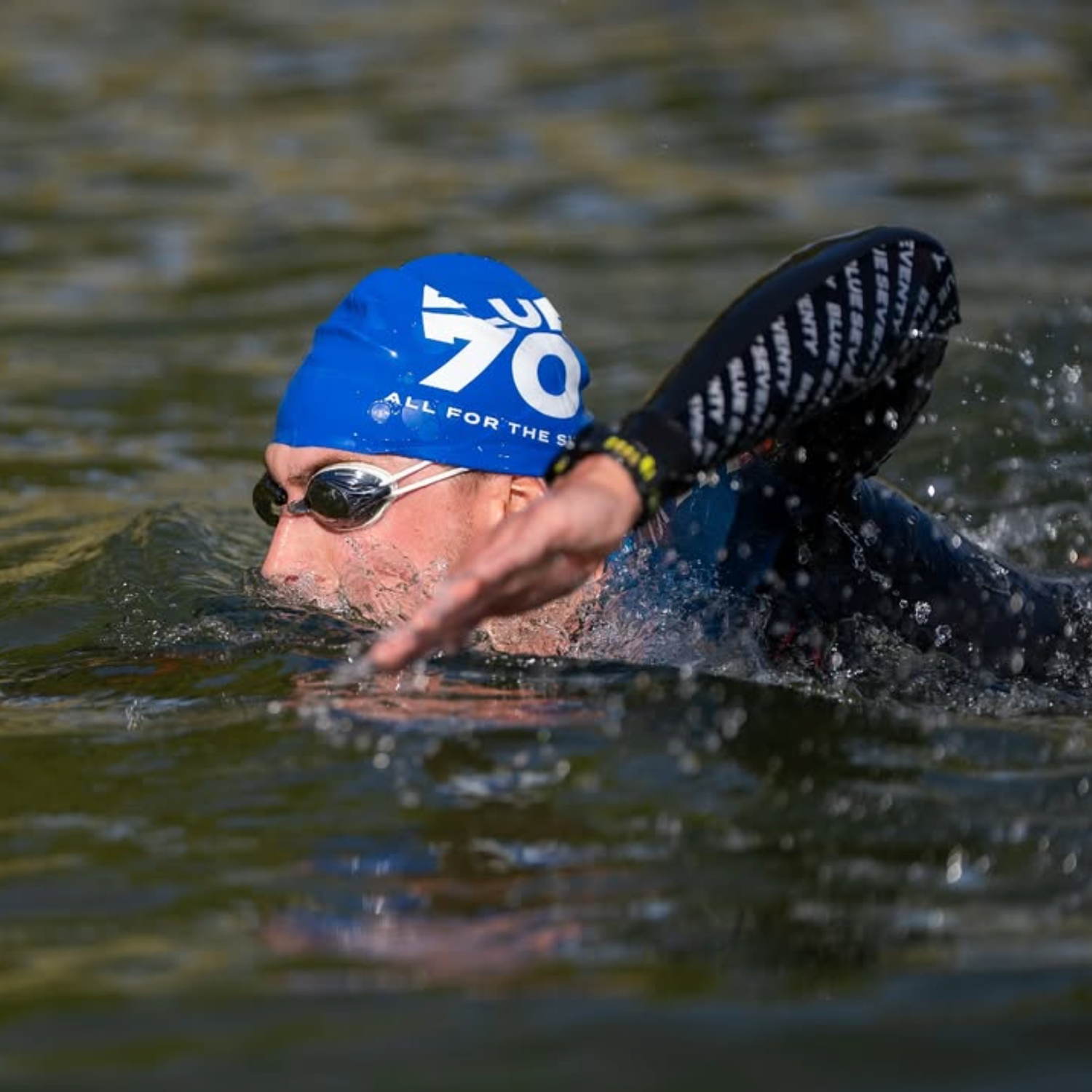
A wetsuit repair is not only about appearance. It changes how the suit moves. Swim-specific wetsuits are designed around body position, buoyancy, and freedom from restriction. If you add a thick glue line to a high-mobility panel, you can change the way that part of the suit stretches during the stroke.
Swimmers tend to notice the result in a few places:
- Shoulders that feel loaded earlier in the swim
- Rubbing or chafing at the neck or underarm
- Torso panels that feel tight when breathing deep
- Ankles or wrists that do not strip cleanly in transition
Small repair, big difference.
The contrarian view: convenience can lead to the wrong fix
The usual conversation around this topic is about location. Which shop has a repair kit nearby? Which product can arrive today? That is useful, but it skips the more important part. Repair choice matters more than purchase speed.
Neoprene used for swimming has to stretch and recover repeatedly. A general-purpose adhesive can cure too stiff, sit too thick, or fail once the panel starts moving under load. For most minor repairs, use a neoprene-specific adhesive meant for wetsuit material. blueseventy carries Aquaseal neoprene cement in its wetsuit care range, and that is the kind of product that fits routine small repairs on swim-specific neoprene.
When a home repair makes sense
You can usually handle the repair yourself if the damage is limited and stable. A good at-home candidate usually looks like this:
- The tear is small
- The edges meet cleanly
- The seam is still intact
- The zipper area is unaffected
- The panel does not keep pulling apart under light tension
If the damage involves a separating seam, a zipper problem, or a tear that keeps opening when you gently stretch the area, stop before you start gluing. That kind of damage deserves a more careful decision.
Panels that deserve extra care
Not every part of a wetsuit behaves the same way. Shoulder and underarm panels go through constant movement, so repairs there need to stay flexible. Chest and torso panels expand with breathing and rotation. Ankles and lower legs get stressed during entry and removal. Around the neck, even a small raised area can turn into a friction problem over a long swim.
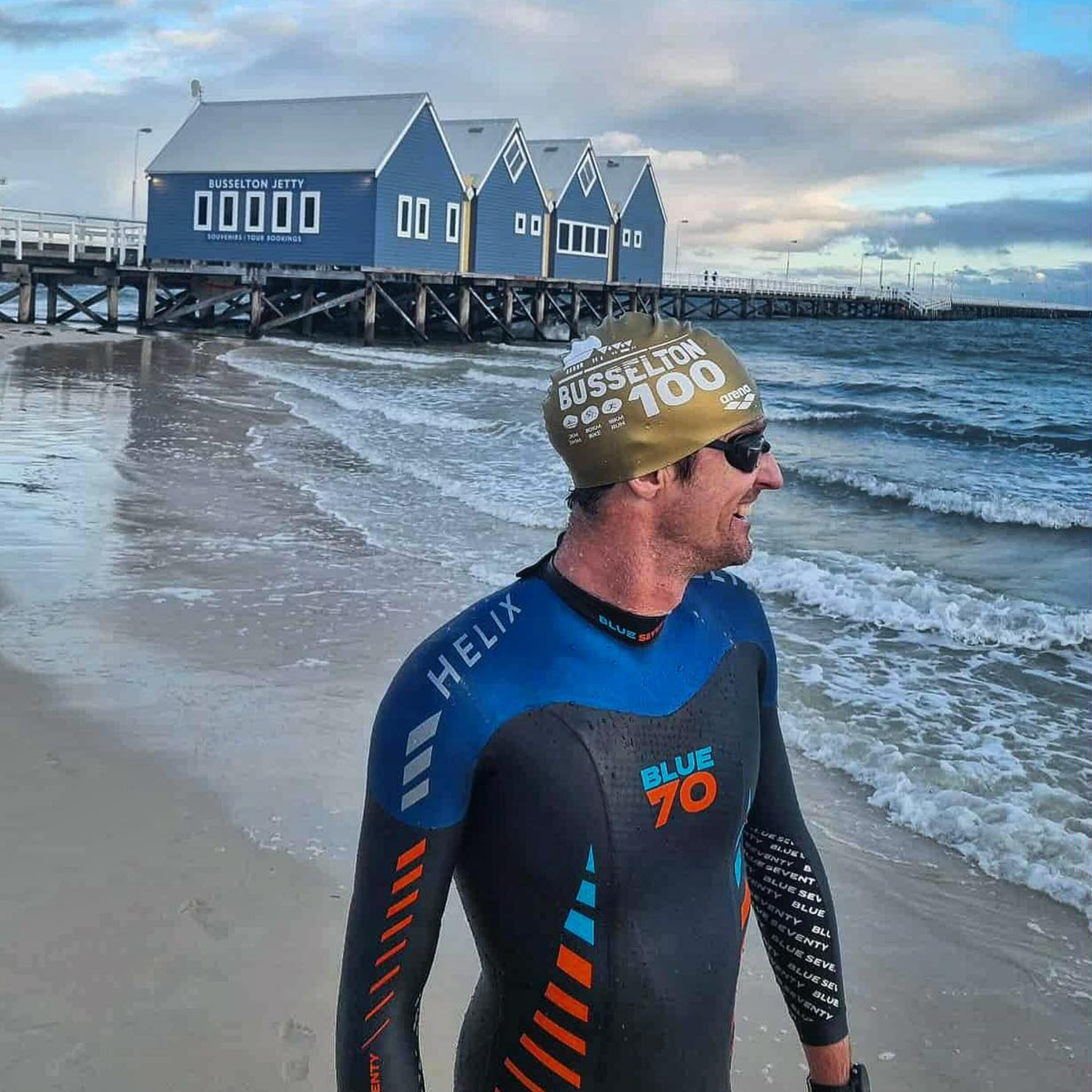
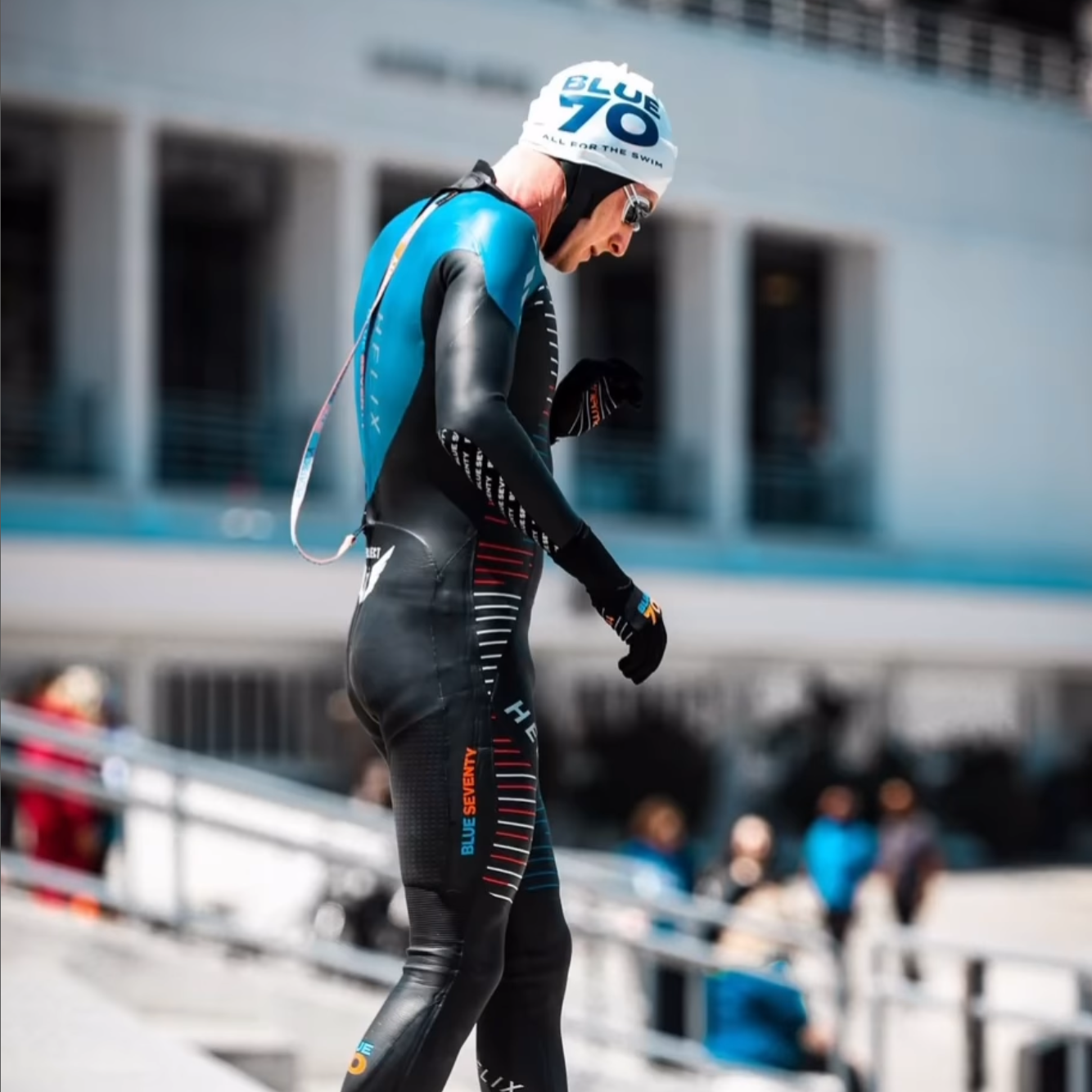
This matters across any swim-specific suit, and it matters even more in designs built around high flexibility. blueseventy’s Helix, for example, uses very thin neoprene through the arms and shoulders to preserve feel for the water and freedom from restriction. Material like that performs well on race day, but it also rewards careful handling and careful repair work.
What you actually need in a wetsuit repair kit
Most swimmers do not need a large kit with extra items they will never use. For common small repairs, keep it simple:
- Neoprene cement
- A clean, dry workspace
- Enough time for the repair to cure fully
That last point gets ignored most often. Rushed repairs fail. If you glue a tear and force the suit on too soon, the bond can reopen before it ever had a fair chance to set.
A practical process for small repairs
If the tear is minor, a careful routine usually works better than an aggressive one. Keep the repair neat and controlled.
- Clean and dry the area. Salt, sand, sunscreen, and moisture interfere with adhesion.
- Align the tear naturally. Bring the edges together without stretching the panel into a new shape.
- Apply a thin layer of neoprene cement. Too much adhesive often creates a stiff repair line.
- Let it cure fully. Follow the product directions and give it time.
- Test the area gently. Light hand tension is enough to tell you whether the repair is holding.
If the tear opens again during that last step, the damage needs more than a simple glue fix.
The two most common preventable tears
Most swimmers do not damage their wetsuit in the water. They damage it while putting it on or taking it off. The two usual suspects are fingernail punctures and heel tears.
Fingernail punctures happen when athletes grab neoprene too aggressively while working the suit upward. Heel tears happen when the foot gets forced through the leg opening or when someone steps on the suit during removal and yanks hard. Both are common. Both are preventable.
Fit plays a part here too. If the suit is sitting low through the hips and torso, swimmers tend to tug harder through the shoulders and chest. That extra force creates stress where the neoprene should be resting naturally. A wetsuit should feel snug on land, but if it is pulled into place correctly it will feel more comfortable once you are swimming.
Prevention saves more suits than repair kits do
The best repair plan starts before the next tear shows up. A few habits make a real difference:
- Use the pads of your fingers rather than your nails when pulling the suit on
- Work the material up through the calves, knees, hips, and torso before setting the shoulders
- Remove the suit with control instead of stepping on it and yanking
- Rinse the suit after swimming and let it dry before storage
These habits matter on every wetsuit, but they matter even more on high-performance neoprene. blueseventy is candid about this trade-off. The Helix uses thin neoprene for flexibility and race-day performance, and that type of material will break down more quickly with frequent training use. Better handling helps preserve the suit and reduces the number of small repairs you need to make.
A race-week rule worth following
If you repair a wetsuit close to an event, do not save the first test for race morning. Swim in it first if you can. Pay attention to the repaired area during shoulder rotation, breathing, and the catch. Then check how the suit comes off. A repair can hold well enough in steady swimming and still catch at the ankle or wrist when you are trying to move fast through T1.
When local help is worth more than a local product
Sometimes the smartest version of near me is not a product search. It is a local swim-focused shop or fitter who can look at the tear, check the panel, and tell you whether the issue came from wear, poor fit, or rough handling. That kind of advice helps you fix the current problem and avoid the next one.
If you need help with fit before your next session, take a look at the blueseventy fit guide or check the size charts. For small repairs and routine care, neoprene cement belongs in every swimmer’s gear setup. For bigger damage, a few extra minutes spent diagnosing the problem can save a suit that still has a lot of swimming left in it.