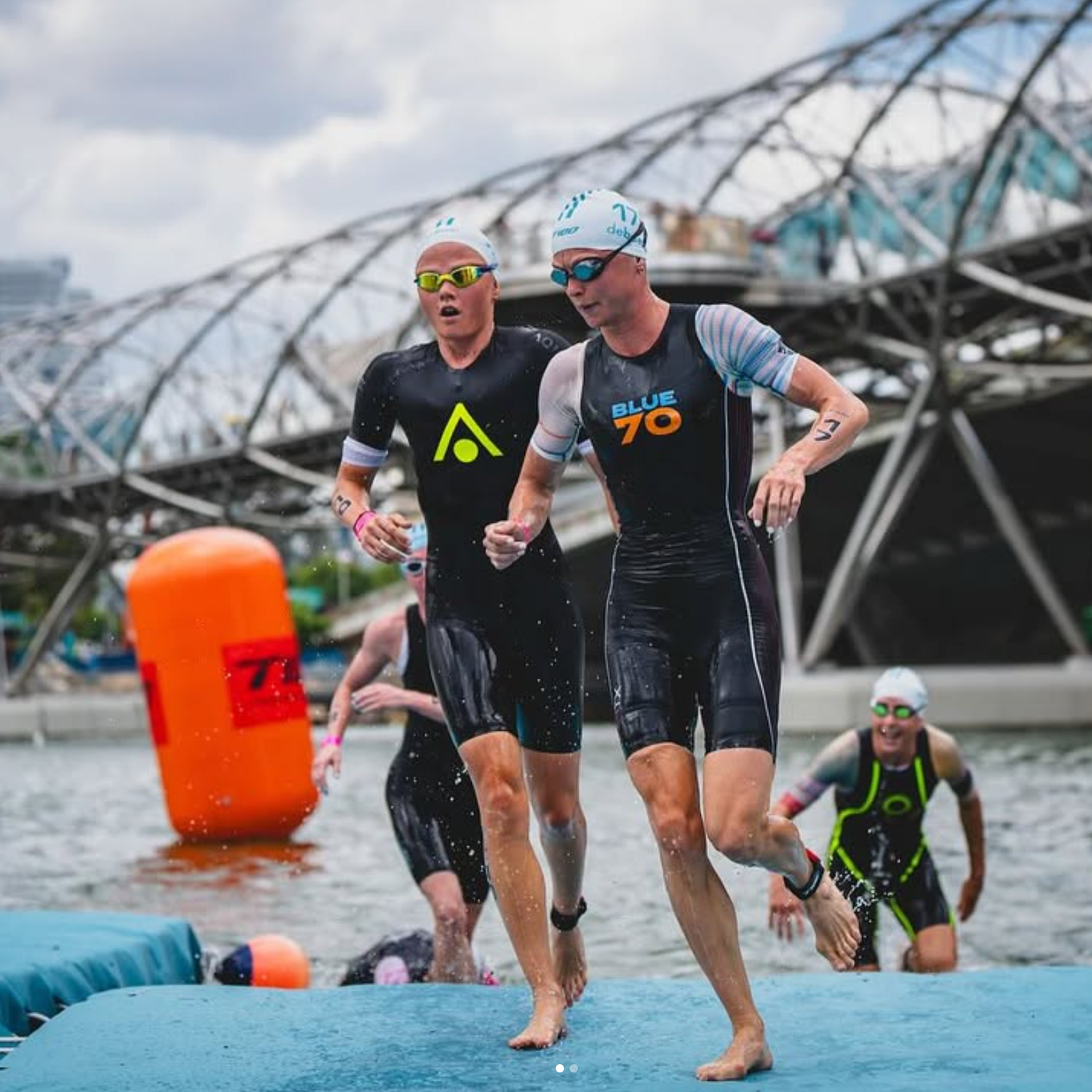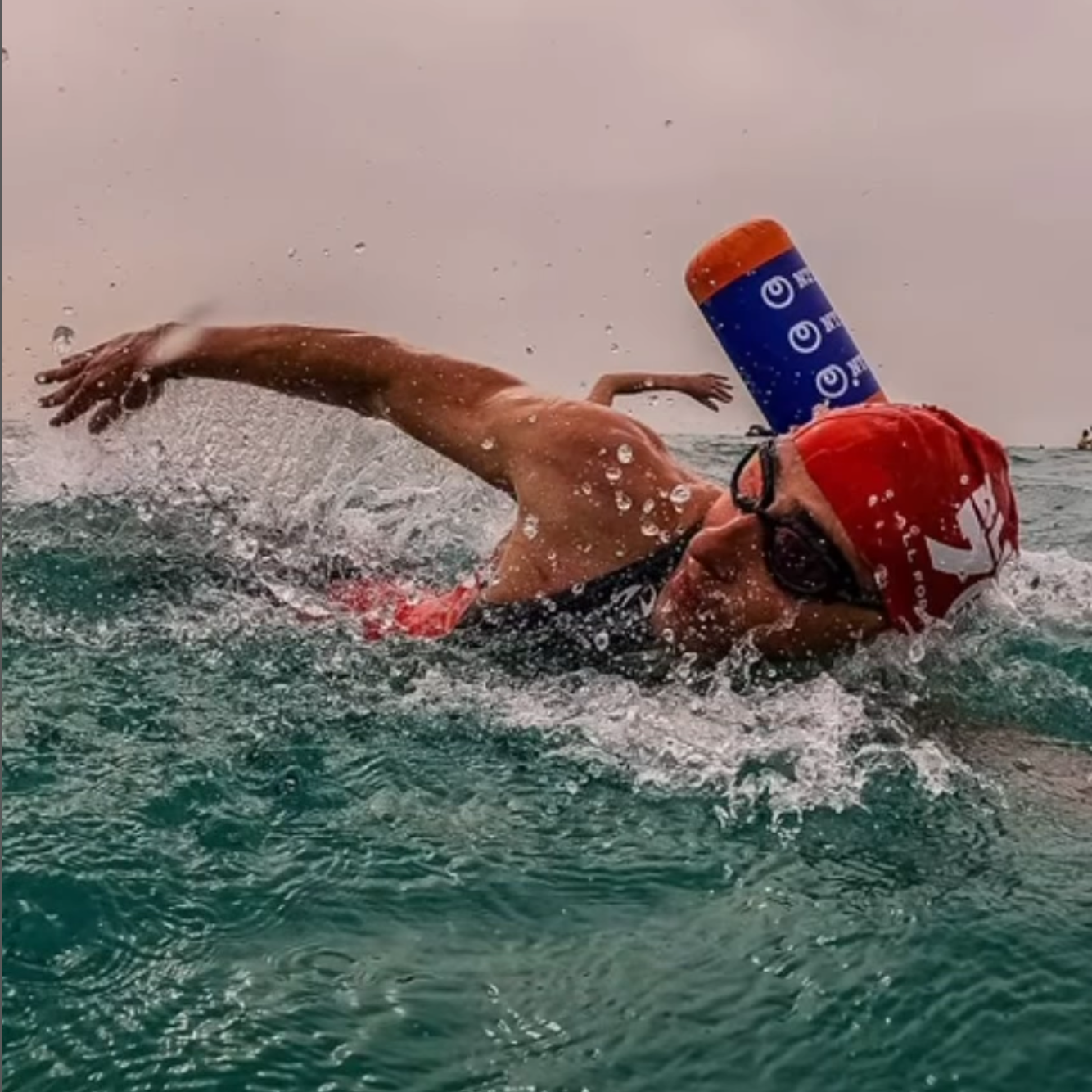



Most wetsuit damage happens before you ever hit the water. A fingernail catches the hip. A heel clips the ankle opening during a rushed change. The tear looks small, so it is easy to ignore. Then the next swim turns a nick into a split, and the suit starts to feel different in ways that are hard to name but easy to notice.
That is why wetsuit repair glue deserves more respect than it usually gets. This is not only about tidying up damaged neoprene. A careful repair helps preserve the fit, stretch, and panel movement that make a swim-specific wetsuit work the way it should. For triathletes, that can affect comfort and confidence on race morning. For open water swimmers, it can shape how natural the suit feels once the swim settles in.
A wetsuit is not one slab of neoprene. It is a set of panels, thickness choices, stretch zones, and surface finishes built to work together. blueseventy designs wetsuits for swimming, with comfort, freedom from restriction, and performance in the water as the core job. Once a panel tears, the problem is not limited to durability. The material can start loading unevenly through the stroke, especially in the shoulders, hips, and side panels.
Why a small tear can change the whole suit
Swimmers often judge damage by what they can see on land. The better test is what that damaged area does once the suit is under tension. A clean cut in the neoprene changes how that section stretches when you reach forward, rotate to breathe, or settle into kick rhythm. In a high-movement area, a small flaw can turn into a distracting one.
That is why early repair matters. When the cut edges still meet neatly, you have a good chance of restoring the panel before the damage spreads. If you keep swimming in the suit, the tear usually gets worse while putting the suit on and taking it off. Each pull over the calves, hips, or shoulders adds stress to the weak point.
What wetsuit repair glue is meant to do
A proper neoprene repair adhesive is built to bond torn edges so they move together again. That last part matters. A repair on a swim-specific wetsuit cannot only hold the material in place. It also needs to flex with the panel.
Shoulders rotate through every stroke. The chest expands with breathing. The torso shifts with body roll. If a repair cures into a stiff ridge, you may feel that area long before the bond fails. A good repair aims for three things:
- the cut closes cleanly
- the bond stays flexible
- the repair adds as little bulk as possible
That is also why household glue is a poor shortcut. Neoprene needs an adhesive made for stretch, repeated immersion, and the constant movement that comes with swimming.
Repair quality affects hydrodynamics too
Most advice about wetsuit glue stops at extending the life of the suit. That is only part of the story. A wetsuit also supports speed by helping body position and reducing drag. blueseventy’s own guidance puts it plainly: buoyancy equals speed.
For that to work well, the suit needs to lie smoothly on the body and let each panel do its job. A poorly repaired tear can interrupt that. If the cut is bonded crooked, if dried glue leaves a raised line, or if the panel puckers, that section may no longer sit flat in motion. One imperfect repair will not decide a race by itself, but the principle is still important. Cleaner repairs preserve more of the suit’s original behavior in the water.
Where repair precision matters most
Shoulders and underarms
This is the most sensitive area on the suit. These panels stretch and rotate constantly, and they are often made from the most flexible neoprene in the design. blueseventy is open about that trade-off in the Helix. The suit uses very thin, highly flexible neoprene through the arms and shoulders for race-day performance, and that delicate material is not ideal for heavy training use.
A thick glue line in this zone can change the feel of the stroke fast. If the cut is short and clean, a careful repair can work well. If the tear is long or close to a seam junction, take your time and inspect the area closely before the next swim.
Hips and side panels
Many tears here start during donning. These panels help the suit wrap the torso and support body position. If the split spreads, the suit may stop settling evenly on the body. A tidy repair helps preserve the way the suit holds shape through the middle.
Ankles and lower legs
Heel tears are common, especially during rushed changes. blueseventy’s warranty guidance specifically calls out heel tears, fingernail punctures, and zipper damage from force as common handling-related issues. Repairs in this area are often simpler than shoulder repairs, but they still need to be neat. Heavy glue at the cuff can create a new stress point the next time you pull the suit on.
Forearms and catch zones
Forearm feel matters on a swim-specific suit. The Helix has used a permeable catch panel since 2010 to preserve feel for the water. If a tear lands in that area, the goal is not only to close the damage. The repair should stay low-profile enough to protect that natural contact with the water.
When glue is the right fix
Wetsuit repair glue works best on small, clean tears where the edges still line up naturally. In those cases, adhesive can restore the cut without adding much stiffness.
Glue is usually the right call when:
- the tear is short
- the edges align neatly
- the surrounding neoprene still feels strong
- the damage does not involve the zipper
- the area is not badly frayed
Glue is less effective on its own when:
- the tear branches in different directions
- a seam is failing across a longer section
- the fabric lining has separated broadly
- the zipper base or track is damaged
- the neoprene has become weak from age or heavy wear
If the damage goes beyond a simple cut, it makes sense to contact support before attempting a more aggressive repair. blueseventy’s US site includes Expert Support, and the warranty page explains what falls under manufacturing or material defects and what comes from normal wear or handling damage.
How to use wetsuit repair glue without creating a stiff patch
Always follow the instructions on the adhesive you are using. Cure times and application details vary by product. The process below reflects sound neoprene repair practice for swim-specific suits.
- Rinse and dry the suit fully. Salt, chlorine, sand, and sunscreen can interfere with the bond. Rinse the suit if needed, then let it dry completely.
- Test the tear before applying glue. Bring the edges together gently. If they meet cleanly without force, the repair is a good candidate for glue.
- Apply a thin layer. More adhesive does not make a better repair. It usually makes a stiffer one.
- Follow the cure timing on the label. Many neoprene cements need a short tack time before you press the edges together.
- Align the edges carefully. Precision matters more than pressure. The goal is a natural, flat seam.
- Let the repair cure fully before swimming. This is where many athletes get impatient and end up reopening the tear.
Short version: do the repair early, and give it time.
The repair mistakes that cause bigger problems later
Most bad repairs come from small choices, not dramatic errors. A few habits create the bulk of the trouble:
- using too much glue and creating a hard ridge
- misaligning the cut so the panel twists under tension
- smearing adhesive across the outer surface instead of bonding the edges cleanly
- swimming before the repair has fully cured
- fixing the tear without changing the handling habit that caused it
If the original damage came from fingernails, heel contact, or forcing the zipper, the best repair in the world will not prevent the next tear unless the donning and removal habits improve too.
Why race suits need a lighter touch
Not every wetsuit asks the same thing from its materials. blueseventy recommends the Reaction for frequent, longer swims and the Fusion for shorter frequent swims because durability is part of that design brief. The Helix sits at the race end of the line, where very thin, flexible neoprene in the shoulders prioritizes speed and freedom of movement.
That difference matters during repairs. A heavy-handed fix on a flexible race panel changes the feel of the suit more than the same repair would on a more training-focused model. If the suit is built for race-day freedom from restriction, the repair should protect that as much as possible.
Prevention matters more than glue
Most wetsuit damage happens while handling the suit, not while swimming in it. That lines up with what blueseventy’s warranty guidance highlights. Fingernail punctures, heel tears, and zipper damage from force show up again and again because those are the moments when athletes rush.
A few habits reduce the odds of needing repair glue at all:
- use the pads of your fingers instead of your nails
- gather the suit gradually up the legs
- take extra care around the hips and underarms
- point the toe during removal and guide the cuff with your hands
- never force the zipper if the suit is not seated properly
- rinse after saltwater or pool use and dry the suit away from direct heat
Fit matters here too. blueseventy’s fit guidance is clear: a wetsuit should feel snug on land and more comfortable once you are in the water. A suit that is not fully worked into place, especially through the shoulders, can cause fatigue and tempt you to yank on delicate panels the next time you put it on.
A repaired suit is not automatically a compromised suit
Some swimmers see any visible repair and assume the suit has lost its value. That is too simple. A small, well-done repair often preserves function better than several more swims in a damaged panel.
The useful question is not whether the glue line is visible. The useful question is how the panel moves. If the repaired area lies flat, flexes naturally, and does not create restriction or a pressure point, then the repair has done its job.
When to stop patching and start replacing
Repair glue can solve local damage. It cannot reverse age, thinning neoprene, or broad seam fatigue. If a suit has repeated tears in high-stretch zones, starts chafing at multiple points, or no longer settles correctly on the body, the problem is bigger than one cut.
Watch for these signs:
- multiple repaired areas in shoulders, hips, or side panels
- new tears showing up during normal donning
- neoprene that feels thin or tired
- repair lines or seams that start causing chafing
- a suit that no longer positions cleanly on the body
At that point, the suit may still work for occasional training, but it may not be the right choice for a goal race or a long cold-water session.
What to keep in your repair kit
You do not need much, but you do need it before the tear happens.
- neoprene repair glue or neoprene cement
- a clean cloth
- fresh water for rinsing
- a dry, flat work surface
- enough time for a full cure
blueseventy also carries wetsuit care items, including neoprene cement, for swimmers who want a purpose-built option on hand before a small cut turns into a larger repair.
Final takeaway
Wetsuit repair glue looks like a maintenance detail, but it has a direct connection to performance. A small tear changes how a panel stretches. A poor repair can do the same. A clean repair done early gives your wetsuit the best chance of holding onto the fit, flexibility, and swim feel it was designed to deliver.
If your suit has a fresh nick, handle it now instead of asking it to survive one more swim. That is usually the difference between a quick fix and a bigger problem.
If you want help with fit, sizing, or getting a suit positioned correctly before your next session, start with the fitting and wear guide, browse the size charts, or Take a Test Swim and return or exchange the wetsuit clean and dry if the fit is off.