


Most people start a wetsuit rental search by opening a map, filtering for the closest shop, and hoping that shop carries something that fits. That approach is backwards. The suit matters more than the drive. A rental wetsuit that is loose in the neck or stiff in the shoulders will flush cold water, restrict your catch, and leave you fighting your equipment instead of swimming.
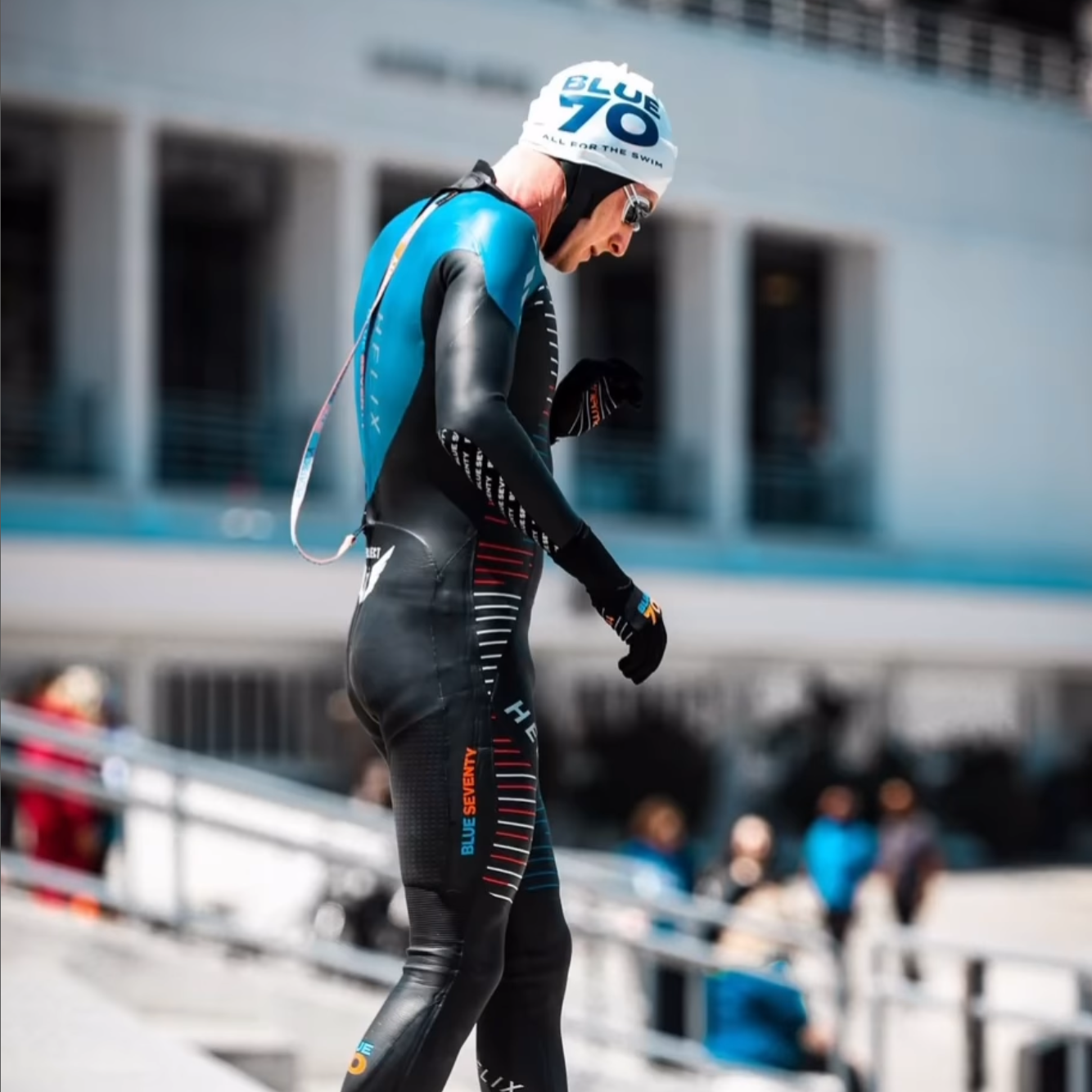
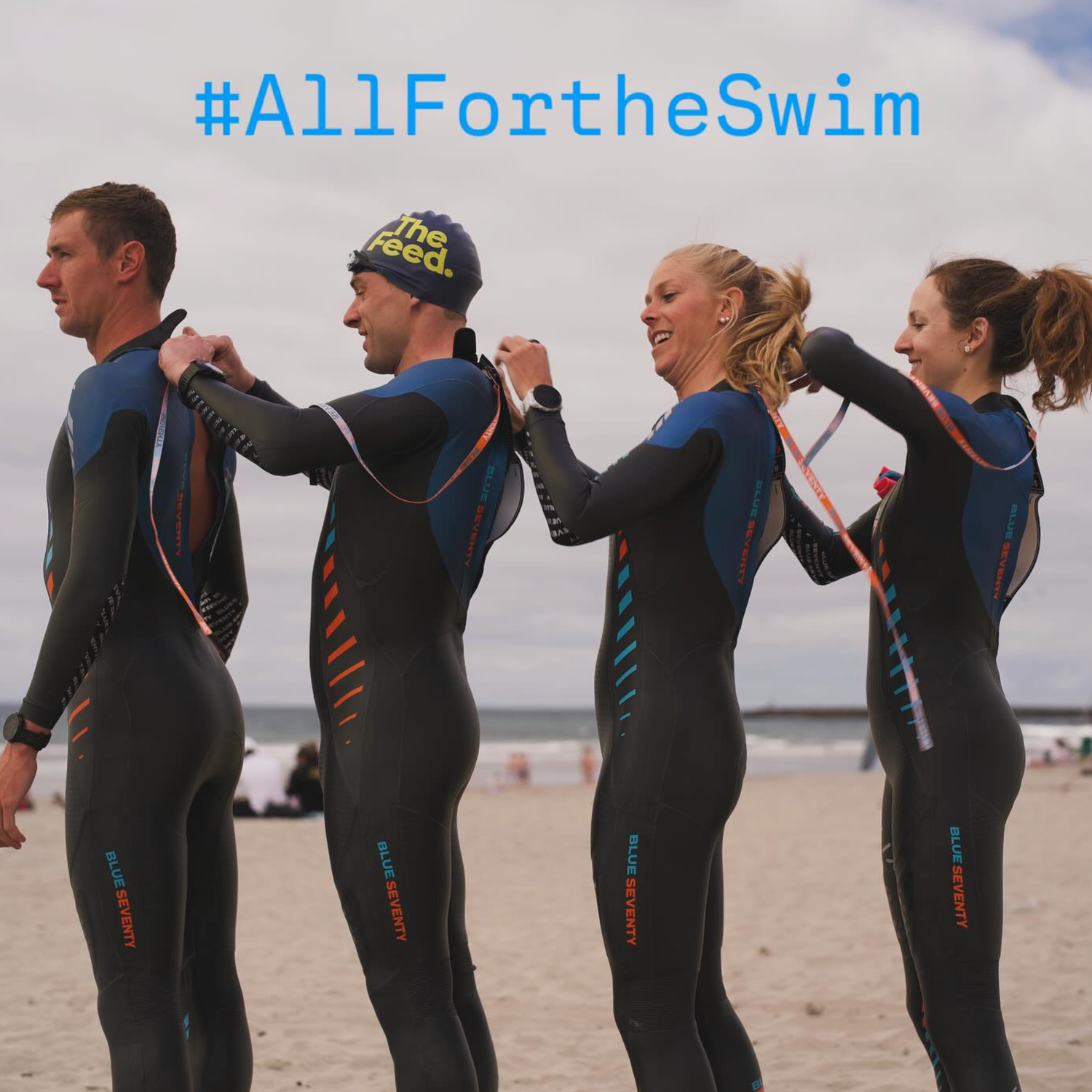
Wetsuit fit is not like jacket fit. A swim-specific suit should feel snug on dry land and easier once you are horizontal in the water. That snugness keeps a thin layer of water against your skin, which your body warms. If the neck or cuffs are loose, warm water flushes out and cold water takes its place. You lose insulation and body position at the same time.
Rental suits also carry a history. They get pulled on and off by dozens of bodies each season, stored damp, and stretched at the neck and ankles. Neoprene loses its elastic recovery over time. Pay attention to how the suit feels when you try it on. If it already feels loose on land, it will not tighten in the water.
Fit Checks to Run Before You Hand Over Money
Ask for a fitting area and take your time. Start with the basics. The neck should sit flat without gaping or pressing hard enough to restrict breathing. The torso should feel like a firm hug, not a corset. The legs should be snug through the thighs with no large wrinkles behind the knees. The wrists and ankles should seal without cutting off circulation.
Then move. Reach both arms overhead as if beginning a stroke. The shoulder material should follow the movement without pulling your arms back. Cross your arms, hug yourself, and squat. If the suit pulls at the armpits, neck, or hips, the size or cut is wrong. If the suit bunches at the stomach or back, it is too long or too big. Sharp pressure at the shoulder seam means the suit is too small or the neoprene has stiffened with age.
Women renting from a mixed fleet should check whether the suit uses a women's-specific cut. A men's or unisex pattern can gap at the hips, compress the chest, and sit too high at the neck. The Femme Fit pattern changes the bust, torso, wrist, and ankle patterns and uses a lowered neckline for comfort and reduced chafing. If the shop cannot tell you whether a suit uses a women's-specific cut, try on two or three sizes and compare how the hips and chest feel.
Check the fit guide and size charts before you visit the shop so you know what a correct fit should feel like.
Inspect the Suit Before You Sign Anything
Rental shops clean suits, but cleaning does not restore neoprene. Run your fingertips along the inside of the neck and cuffs. Brittle edges tear during normal donning, and you may be charged for damage you did not cause. Look for pinholes, separating glue, dry rot, and old repairs that have been stretched open. Pay attention to the seams under the arms and around the crotch. Glue failures often start there.
The zipper gets a full test. Zip and unzip it twice. If the pull sticks or the teeth separate, the suit will leak down the back. Check the zipper flap underneath. If it is twisted or torn, cold water enters directly against your spine. Make sure the zipper pull is still attached and moves freely along the tape.
Ask what type of wetsuit the shop is renting. A swim-specific suit uses thinner, more flexible neoprene in the arms and shoulders, with buoyancy panels placed for a horizontal body position. Surf and dive suits have different flexibility and buoyancy distribution and will feel restrictive over a long swim. If the shop cannot tell you the difference, that is a warning sign.
Ask how old the suit is, too. A current-generation swim-specific suit includes features an older rental fleet suit does not. For example, blueseventy added LIFT buoyancy panels to the Helix line in 2018 and redesigned the Fusion neckline in 2021. A rental suit from before those changes may still be sturdy. It will not give you the same shoulder flexibility and body position.
Match the Rental Suit to Water Temperature
Air temperature at the rental shop does not tell you enough. Water temperature determines what kind of suit you need. Below roughly 56 to 58 degrees Fahrenheit, a purpose-built thermal wetsuit with a full lining helps keep you comfortable. Above roughly 70 to 72 degrees, a full suit can feel too warm over long swims. In that range, a sleeveless suit or a swimskin may be more comfortable. Many rental fleets stock only full suits.
Before you rent, check the race or training water temperature. Then ask the shop whether they have a thermal, full, sleeveless, or swimskin option in your size. If the rental only offers one model, you need to decide whether that suit is appropriate for the distance and exposure time.
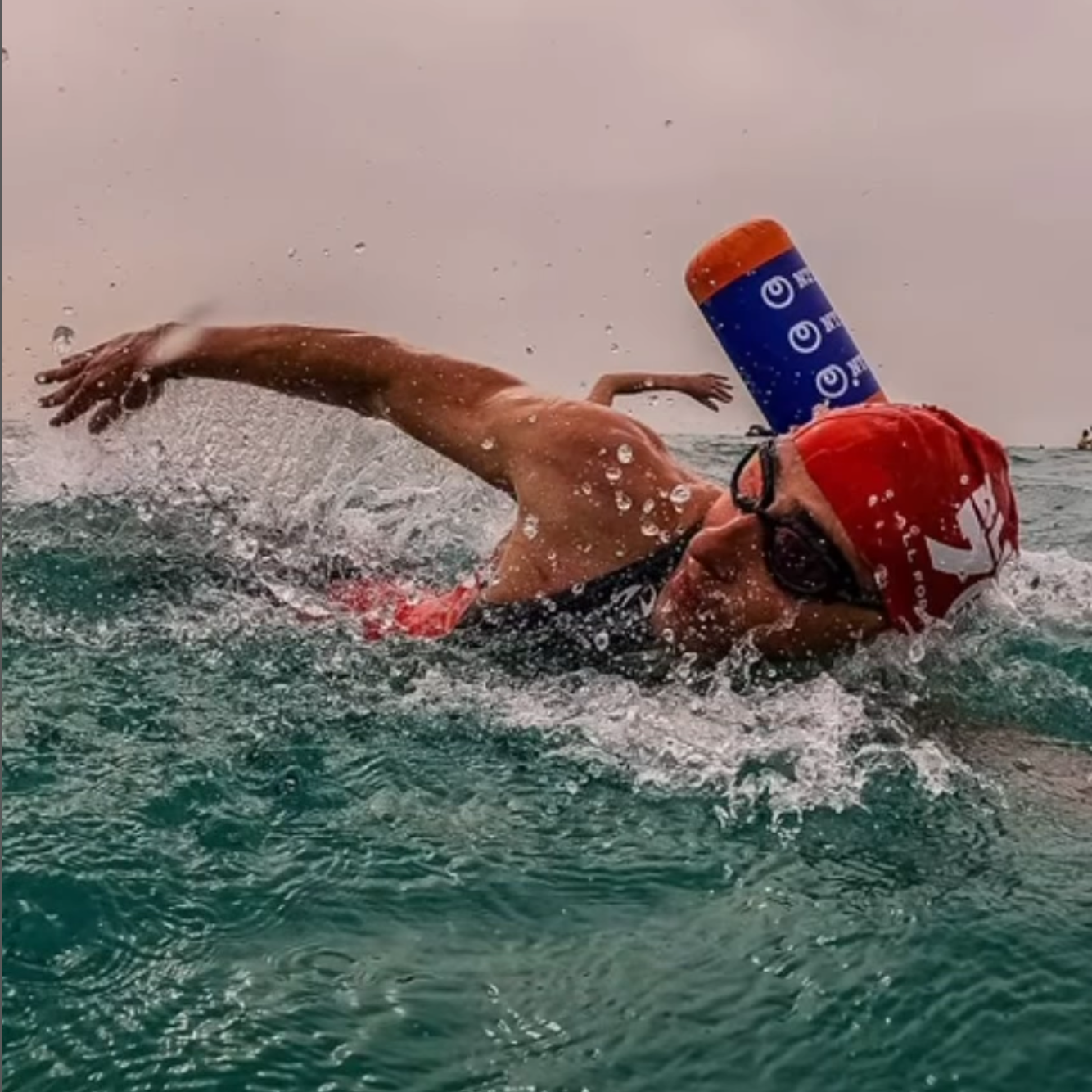
Cold water adds a safety layer beyond equipment. A wetsuit provides added thermal protection and buoyancy, but it is not a personal flotation device. It does not replace acclimatization, a swim buddy, or a safe exit plan. If you are swimming below 60 degrees, keep your first session short, stay close to shore, and build exposure gradually.
Practice Swim Before Race Day
Never make race day the first time you swim in a rental suit. Take it to a pool or calm open water spot and swim at least 15 to 20 minutes. Pay attention to shoulder fatigue, water entry at the neck and cuffs, and whether the suit shifts when you sight or breathe. A suit that flushes cold water at the back of the neck every time you breathe will drain your focus. You want to discover that in practice, not at the start line.
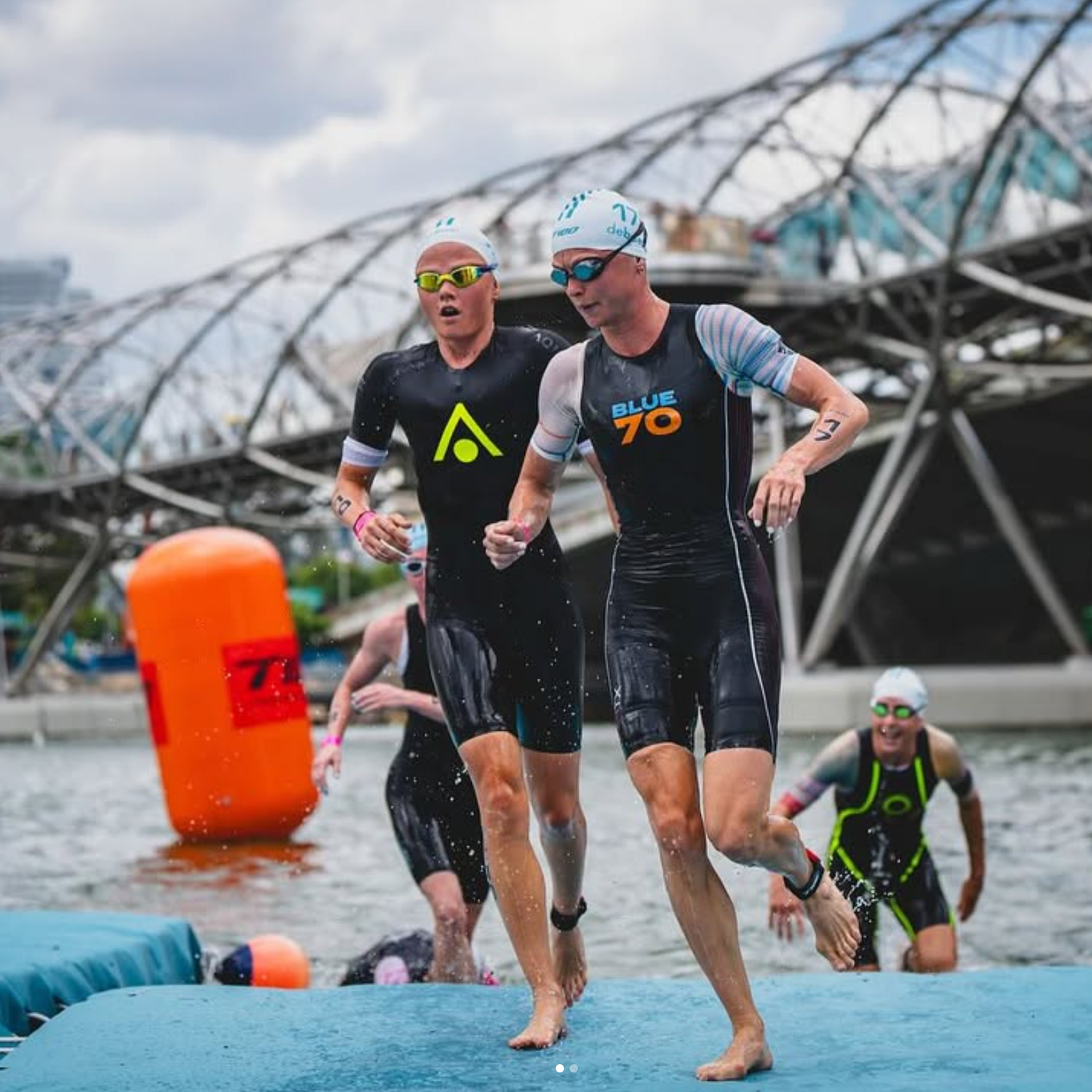
Practice taking the suit off, too. In triathlon, a clean exit saves time, but forcing a rental suit off with your nails or yanking the ankle open can tear it. Use the pads of your fingers, not your fingernails, when donning. To get your foot through the ankle cleanly, put a plastic bag or sock over your heel first, then slide the suit over it and remove the bag. This is the same technique that protects a new suit and prevents heel tears.
When Your Own Suit With a Test Swim Beats a Weekend Rental
Renting makes sense when you plan to swim once and never again. But if you have signed up for a race and plan to train in open water, the rental cost repeats every session. An entry-level swim-specific wetsuit costs less than many people assume. The Sprint is $325. The Fusion is $420. A rental fee that seems cheap for one weekend adds up quickly across several training weekends.
Renting repeatedly creates another problem. You never build familiarity with one suit. You re-learn the zipper, the neck, the shoulder stretch, and the body position every time. That is the opposite of what you want before a race.
blueseventy has a Test Swim policy that lets you swim in a wetsuit and still return or exchange it within 30 days, as long as it comes back clean, dry, unmodified, and with tags and accessories. Your own pool or lake becomes the fitting room. You get the same real-water feedback a rental would give you, but on a suit that is new, sized for you, and covered by a return window. For a first-time triathlete nervous about choosing wrong, this removes the biggest risk of buying.
Use the size chart before you order, then do a test swim. If the fit is wrong, exchange it. This route often costs less than a rental plus race-week anxiety and gives you a suit that has not been stretched by dozens of other swimmers.
Rental Checklist Before You Leave the Shop
If a rental is still the right call, use this list before you walk out with the suit:
- Try on the suit and move through the fit checks. If it is loose or binding, ask for another size.
- Inspect the neck, cuffs, seams, and zipper. Document any existing damage with the shop before you take it.
- Ask what type of wetsuit it is and confirm it is swim-specific, not a surf or dive suit.
- Ask the water temperature range the suit is appropriate for, and compare it to your event.
- Plan a practice swim before race day, and use proper donning and removal technique.
- Confirm the cleaning and damage policy in writing, including late fees and repair charges.
A rental wetsuit is only as good as its fit on your body. Fit comes before location in a rental search. Check the suit the way you would check a used race suit, match it to the water temperature, and test swim before race day. If you plan to swim more than once, the Test Swim policy on a new blueseventy suit gives you better information than a rented suit can. Find your size, take it for a swim, and decide with real water feel. All for the swim.