


Searches for wetsuit rash healing ointment usually come after the damage is already done: a rubbed neck, a raw patch under the arm, or skin that suddenly feels much worse once the post-swim shower hits. An ointment can help calm irritated skin, but if rash keeps showing up, the smarter question is not just what to put on it. The better question is why it happened in the first place.
From a swim-specific point of view, wetsuit rash is rarely just a skin issue. More often, it is the end result of friction created by fit, repetitive stroke motion, neckline movement, water conditions, and how the wetsuit was put on before you ever got in. That matters because swimmers and triathletes who only treat the sore spot tend to keep repeating the same problem.
The good news is that most wetsuit rash is predictable. Better still, much of it is preventable. Once you understand how friction builds during a swim, healing becomes only one part of the plan. The real win is reducing the chance that the same hot spot shows up again next session.
Why wetsuit rash happens
Wetsuit rash is usually caused by repeated rubbing between the skin and the suit. Open-water swimming adds a few extra variables that make that rubbing more likely: breathing to the side, lifting the head to sight, turning around buoys, swimming in chop, saltwater drying on the skin, and long stretches of uninterrupted arm turnover.
The most common trouble spots are familiar to almost every open-water swimmer:
- the back or sides of the neck
- the collarbone area
- underarms
- upper inner arms
- lower back
- behind the knees
Those areas have one thing in common: they are all places where the body moves repeatedly against the suit. If the wetsuit shifts even slightly, that small movement gets repeated hundreds or thousands of times over the course of a swim.
What a healing ointment can actually do
A healing ointment has a useful job once the skin is already irritated. It can help protect the area, support the skin barrier, and make everyday rubbing from shirts, collars, or backpack straps less aggravating while the skin settles down.
That is worth something. Anyone who has had a raw neck after a long swim knows that even light contact can feel annoying for a day or two. An ointment can make recovery more comfortable.
What it cannot do is solve the reason the rash developed. It will not stop a collar from shifting, correct a suit that is sitting too low through the shoulders, or clean up a sighting habit that keeps dragging the neck against the neckline. In other words, ointment is a recovery tool, not the whole solution.
The most common cause swimmers miss
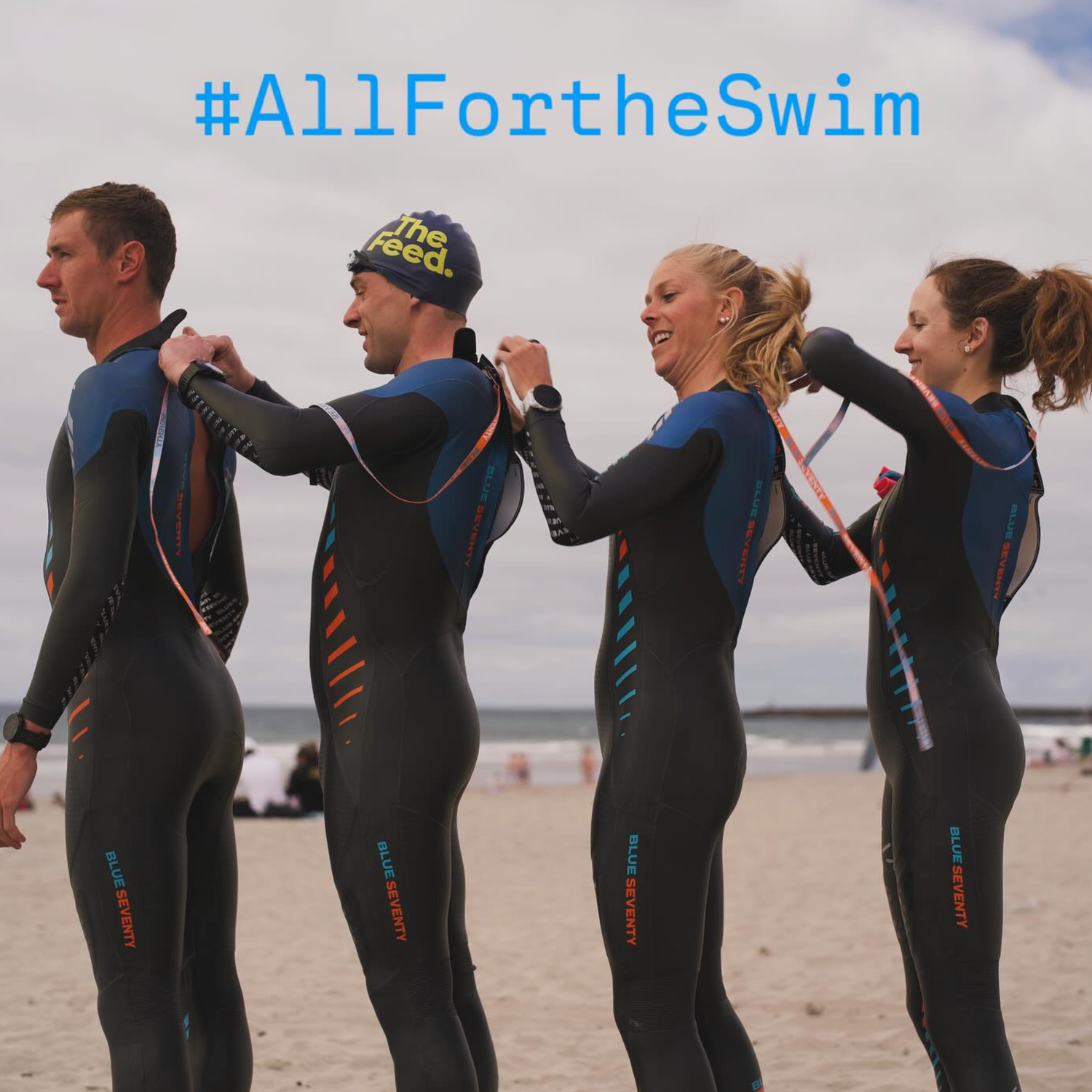
One of the biggest causes of wetsuit rash is also one of the simplest: the suit was never fully positioned on the body. A swimmer gets the wetsuit on, zips it up, and assumes it is ready. But if the neoprene is not worked high enough through the legs, hips, torso, and shoulders, the whole suit sits low. When that happens, the collar gets tugged, the shoulders feel loaded, and friction starts building almost immediately.
This is especially common with newer swimmers, but experienced triathletes do it too when they are rushing through transition practice or pulling on a wetsuit in a cold parking lot before dawn.
How to put on a wetsuit with less chance of chafing
- Set the lower leg first. Make sure the suit is fully seated through the calves before moving higher.
- Work the material up the quads and hips. Do not leave tension trapped low in the legs.
- Lift the torso into place. You want the wetsuit sitting high enough through the body before it gets zipped.
- Free the shoulders. If the shoulders are not properly set, every stroke can pull on the neckline.
- Check the collar. It should sit flat and snug, not twisted or folded into a pressure point.
A swim-specific wetsuit should feel snug on land and usually more comfortable once you are in the water. If your first few strokes already feel like the suit is pulling down on your neck, stop blaming your skin and start looking at the setup.
Neck rash often starts with technique
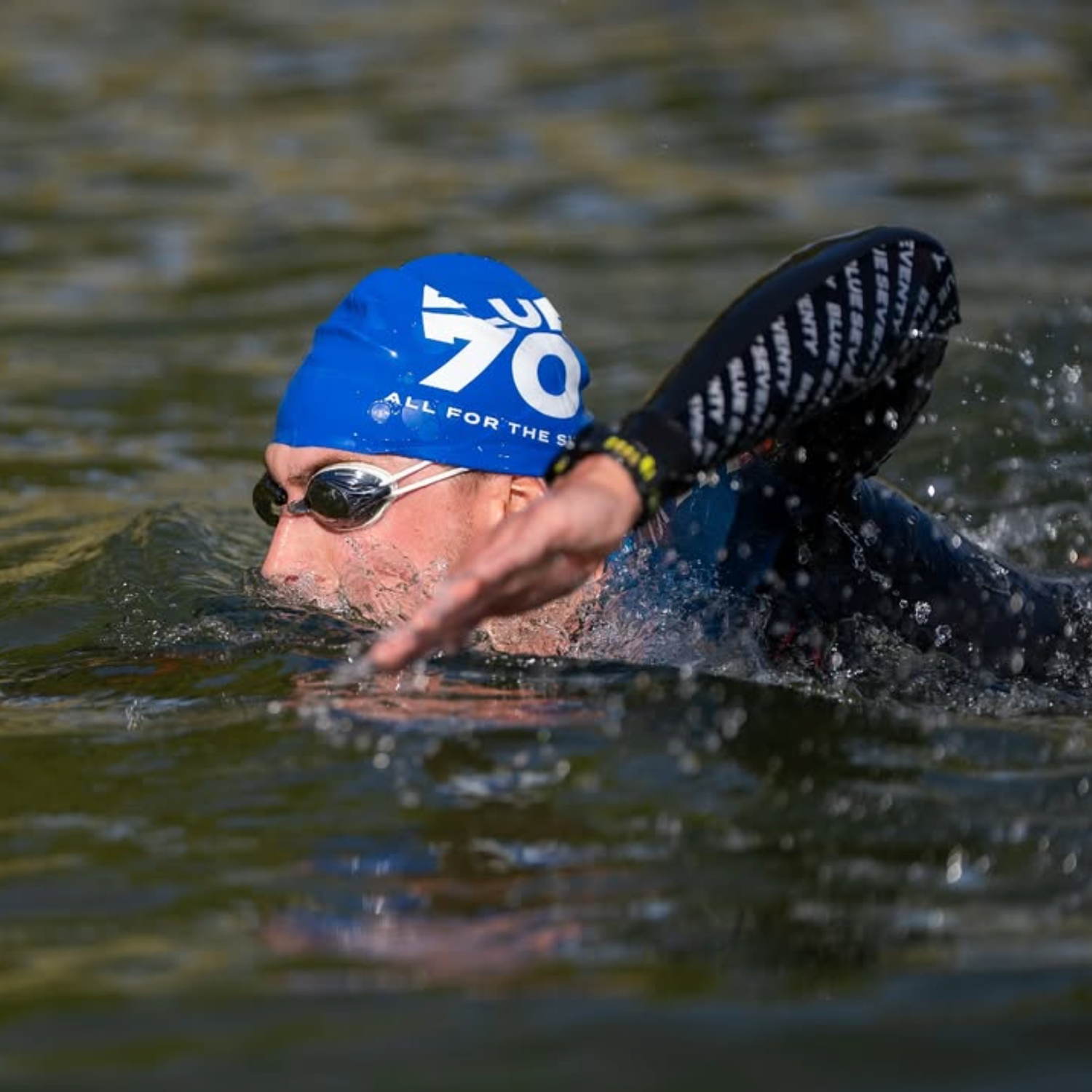
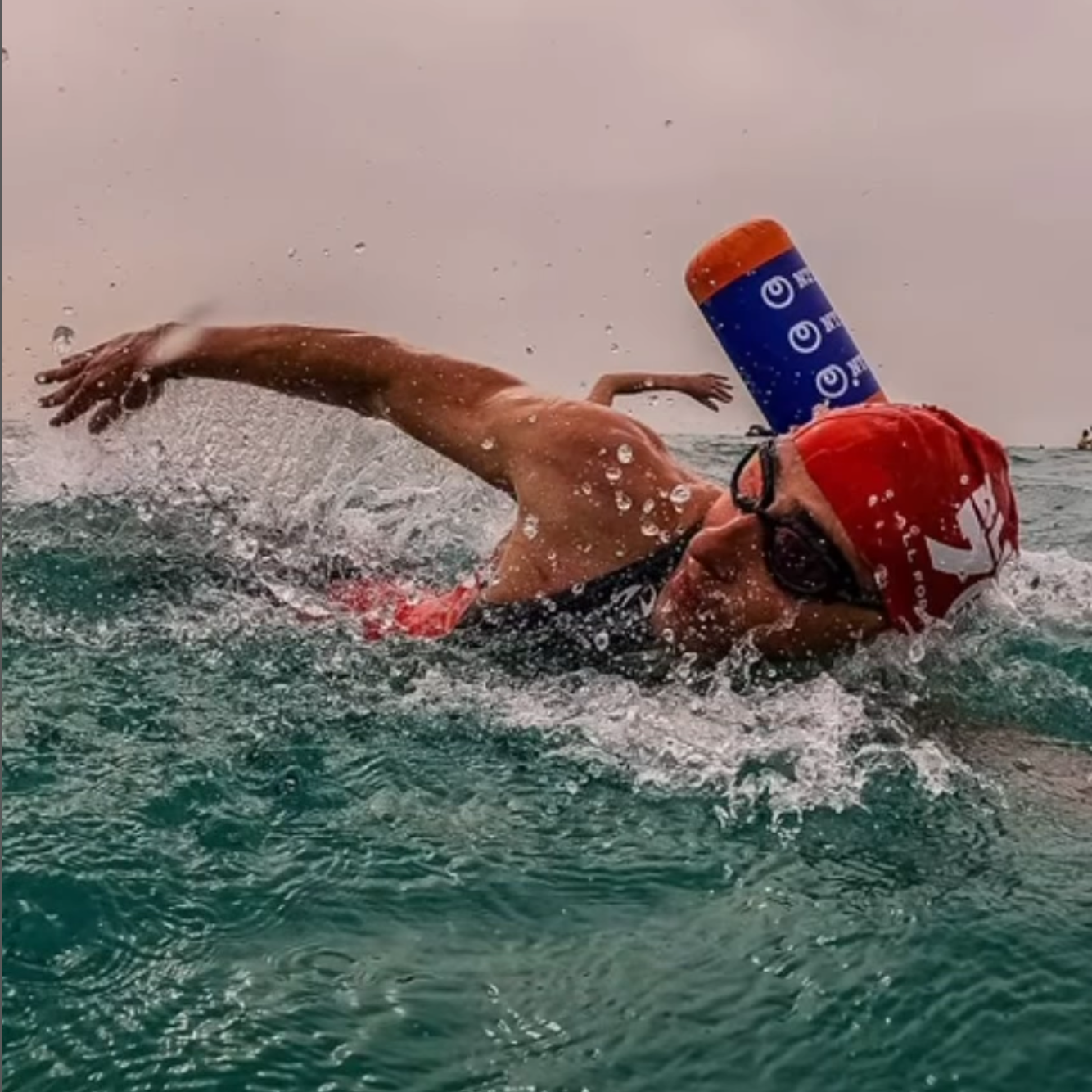
The neck is where many swimmers notice rash first, but the trigger is often mechanical rather than dermatological. Open-water swimmers create extra collar friction when they lift the whole head to sight, crane forward looking for buoys, or over-rotate to breathe. The more exaggerated that motion becomes, the more the collar moves against the skin.
This is one reason rash can show up more in rough or crowded swims. When the water gets messy, athletes tend to tense up and lift more than they realize.
Technique changes that can help
- sight with the eyes first rather than lifting the full head high
- keep the neck long instead of jamming the chin forward
- use a smooth breathing rotation rather than a forced head turn
- practice sighting rhythm in training so race morning is not the first test
These are small adjustments, but small adjustments matter in open water. Friction is cumulative. A motion that feels harmless in the first 200 meters can create a real problem by the end of the swim.
Fit problems leave clues
If rash keeps appearing in the same place, take that as useful information. Skin irritation often reveals where the suit is moving, pulling, or failing to sit cleanly against the body.
Signs your rash may be fit-related
- it appears in exactly the same spot each swim
- the neck feels tugged when you reach forward
- the shoulders fatigue unusually quickly
- the collar shifts when you sight or breathe
- material bunches under the arms or behind the knees
- you feel restricted before you ever settle into rhythm
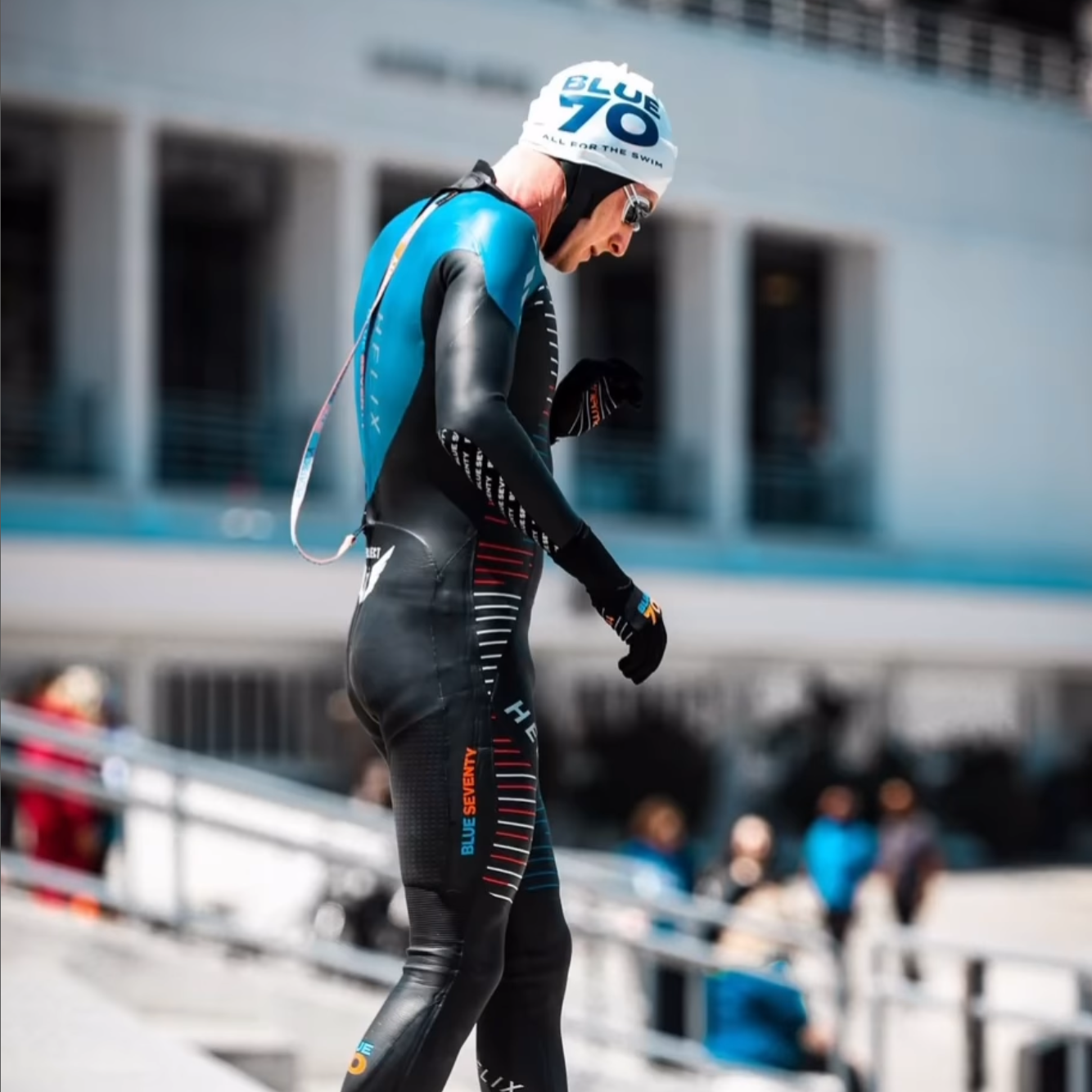
That is where a swim-specific wetsuit really matters. blueseventy wetsuits are built for swimming, with comfort, freedom from restriction, and performance in the water at the center of the design. A wetsuit should support your stroke, not create extra work inside it.
Choosing the right model for how you actually swim also matters. Verified blueseventy guidance is straightforward: competitive racers often look to the Helix or Reaction; swimmers training frequently often do well in the Reaction for longer swims or the Fusion for shorter frequent sessions; budget-focused athletes often start with the Sprint; and warmer-water swimmers or athletes who prefer an easier fit may lean toward a sleeveless option.
There are always trade-offs. The Helix is built for total race-day performance, using very thin, highly flexible neoprene through the arms and shoulders, a permeable catch panel to preserve feel for the water, and LIFT buoyancy panels. That freedom is a major reason serious racers love it, but blueseventy is also candid that it is not the ideal suit for heavy training use because that delicate neoprene will break down more quickly. Honest product matching is part of staying comfortable over a full season.
Women’s fit deserves its own conversation
Chafing is often treated as universal, but fit patterns are not universal. If a wetsuit does not align well through the bust, torso, neckline, wrists, or hips, small points of movement can turn into repeated friction.
That is why blueseventy’s Femme Fit approach matters. Verified design refinements include critical fit updates through the bust, torso, wrists, and ankles, a lowered neckline for comfort and reduced chafing, and an extended zipper length for easier entry, wider-hip accommodation, and faster transitions.
Those details are not cosmetic. They affect how the suit sits on the body and how it moves through the stroke. Better alignment usually means less shifting, and less shifting usually means less irritation.
Water temperature changes how you move
Swimmers often think of water temperature only in terms of comfort, but it also affects body tension and stroke behavior. In cold water, athletes tend to tighten through the neck and shoulders. In warm water, they may start to feel overstimulated or overheated, which can lead to more fidgeting, more adjustment, and less relaxed form.
Verified blueseventy guidance offers useful benchmarks:
- below about 56-58°F, a purpose-built thermal suit like the Thermal Reaction adds meaningful thermal protection
- above about 70-72°F, a full suit can feel too warm over longer swims, making a sleeveless suit or swimskin more appealing
Thermal performance always depends on water temperature, exposure time, and the individual. The practical point here is simple: when a swimmer is comfortable, the stroke usually gets quieter. Quieter movement means fewer opportunities for friction to build.
Why buoyancy is part of the rash conversation
Here is an angle many athletes overlook: body position influences chafing. A swim-specific wetsuit is designed to improve body position in the water, and buoyancy equals speed. But buoyancy also changes how the stroke feels from front to back.
When the hips and legs ride higher, many swimmers can hold a cleaner line with less compensation. That often means less head lift, less frantic kicking, and less tension through the front of the stroke. Those changes can reduce some of the collar and shoulder movement that contributes to rash.
That does not mean buoyancy “fixes” skin irritation. It means that better body position can remove some of the unnecessary mechanics that create repeated rubbing in the first place. This is one reason beginners often notice such a dramatic comfort difference in a swim-specific wetsuit: the whole stroke gets simpler.
If you already have wetsuit rash
Once the skin is irritated, the short-term goal is straightforward: settle the area down and avoid making it worse.
- rinse the skin gently after the swim
- pat dry instead of rubbing with a towel
- apply a healing ointment to the irritated area
- avoid clothing or straps that keep rubbing the spot
- give badly irritated skin a chance to recover before another long session
If the area is getting worse, appears infected, or is not improving, use common sense and seek professional medical advice. For most swimmers, though, the next important step is not just treatment. It is troubleshooting.
A smarter pre- and post-swim checklist
If chafing keeps returning, a quick review after each swim can help you spot the pattern fast.
Before the swim
- Is the wetsuit fully seated through the legs, hips, torso, and shoulders?
- Does the collar lie flat?
- Are you using the right suit for the conditions?
- Does the suit feel snug without obvious pulling at the neck?
During the swim
- Are you sighting low and quick?
- Are you craning the neck?
- Do the shoulders feel free?
- Do you notice one area shifting repeatedly?
After the swim
- Where exactly is the irritation?
- Did it start early or late in the swim?
- Does it line up with a seam, edge, or moving contact point?
This kind of review is simple, but it works. Swimmers who pay attention to patterns solve gear problems faster.
The real role of wetsuit rash healing ointment
A wetsuit rash healing ointment can absolutely help your skin recover. That is useful, and sometimes necessary. But if you find yourself reaching for it after every open-water swim, it is worth stepping back and asking whether the suit is truly set up to let you swim well.
Recurring rash usually comes back to a handful of factors: fit, donning, neckline placement, stroke mechanics, water temperature, and using the right swim-specific suit for your goals. Fix those, and the ointment becomes what it should be: an occasional recovery tool, not a permanent workaround.
That is the better way to think about wetsuit rash. Not as an unavoidable part of swimming in neoprene, but as a solvable interaction between the swimmer, the suit, and the conditions.
If you are dealing with recurring hot spots, start with fit. blueseventy’s sizing resources, fit guidance, and Take a Test Swim policy can help you sort out whether the issue is size, setup, or model choice. When your suit is working with your stroke instead of against it, everything tends to get easier.