


A wetsuit that smells like a damp basement got that way after the swim, not during it. You finished a workout, peeled the suit off, and stuffed it into a transition bag still wet with sweat and lake water. The next time you opened the bag, the sour smell had moved in. Mildew is a storage problem first. You clean the suit, but if it goes back into the same dark, warm bag the next weekend, you have not solved anything.
What Mildew Actually Needs
Mildew is a surface fungus. It needs three things: moisture, organic material, and low airflow. A swim wetsuit delivers all three. Sweat, river water, and body oils settle into the lining during a session. Fold the suit, zip the bag, and the inner liner stays wet for hours. The neoprene foam itself does not feed mildew. The liner and the residue on it can. You end up with gray splotches, a stubborn odor, and sometimes a stiff patch where the fabric folded.
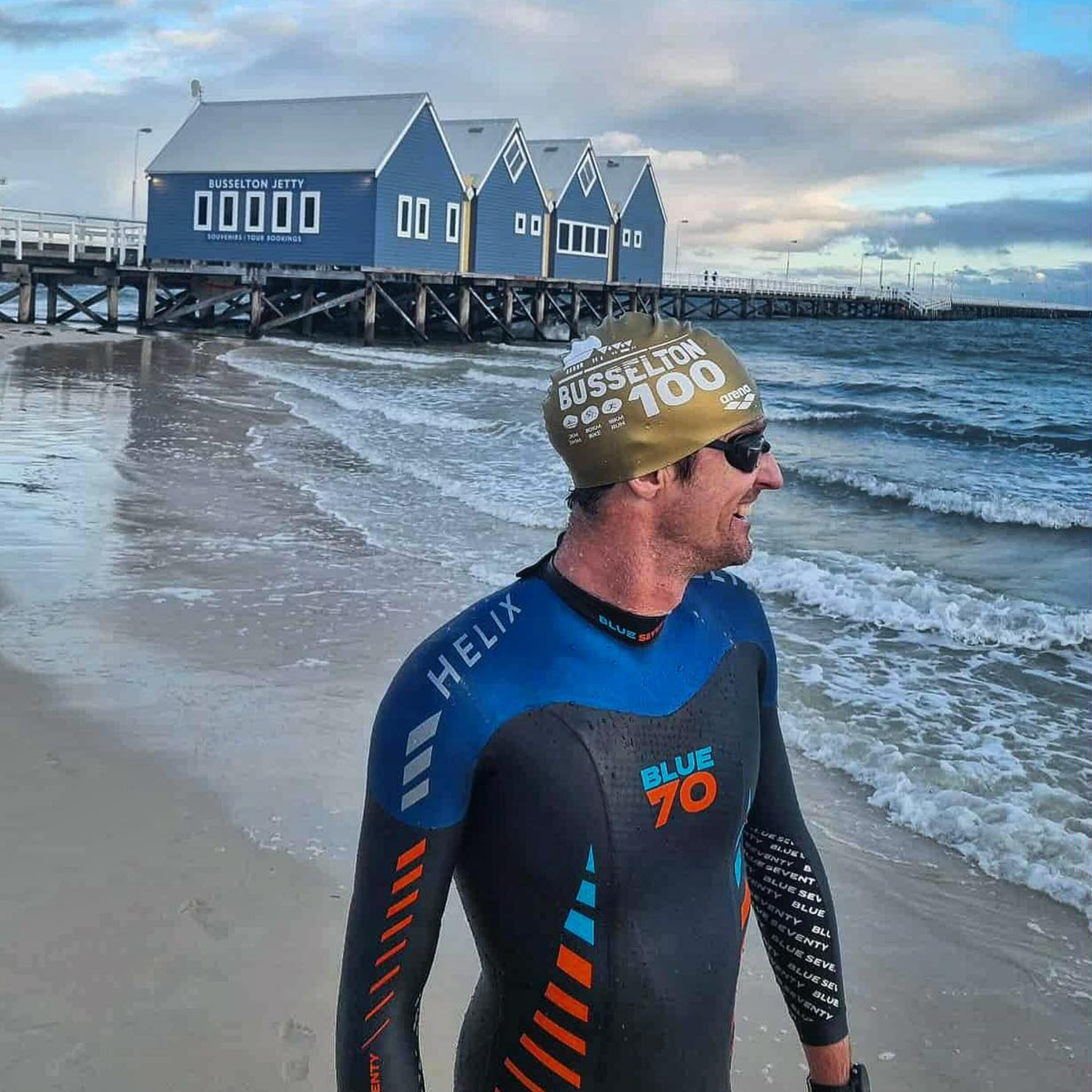
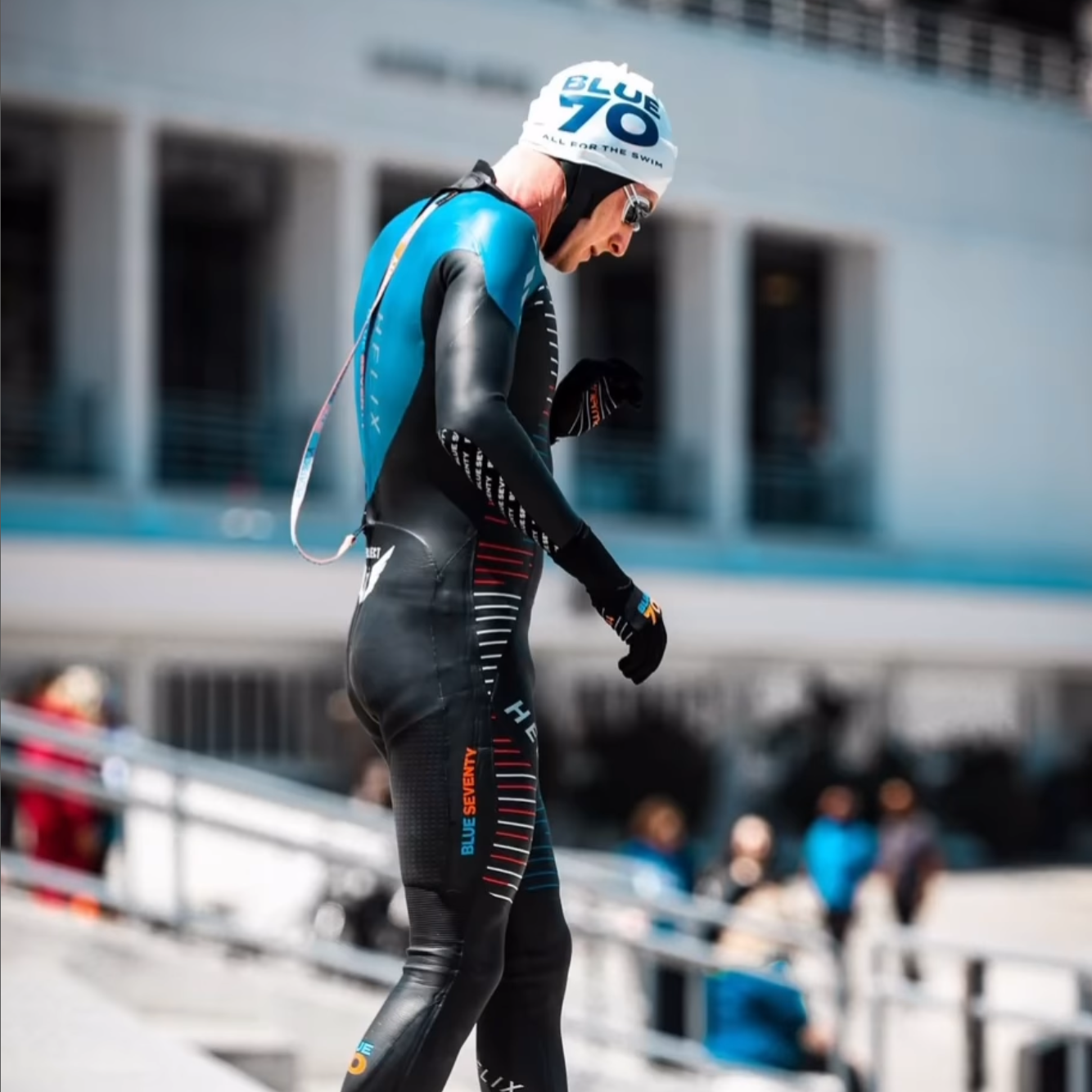
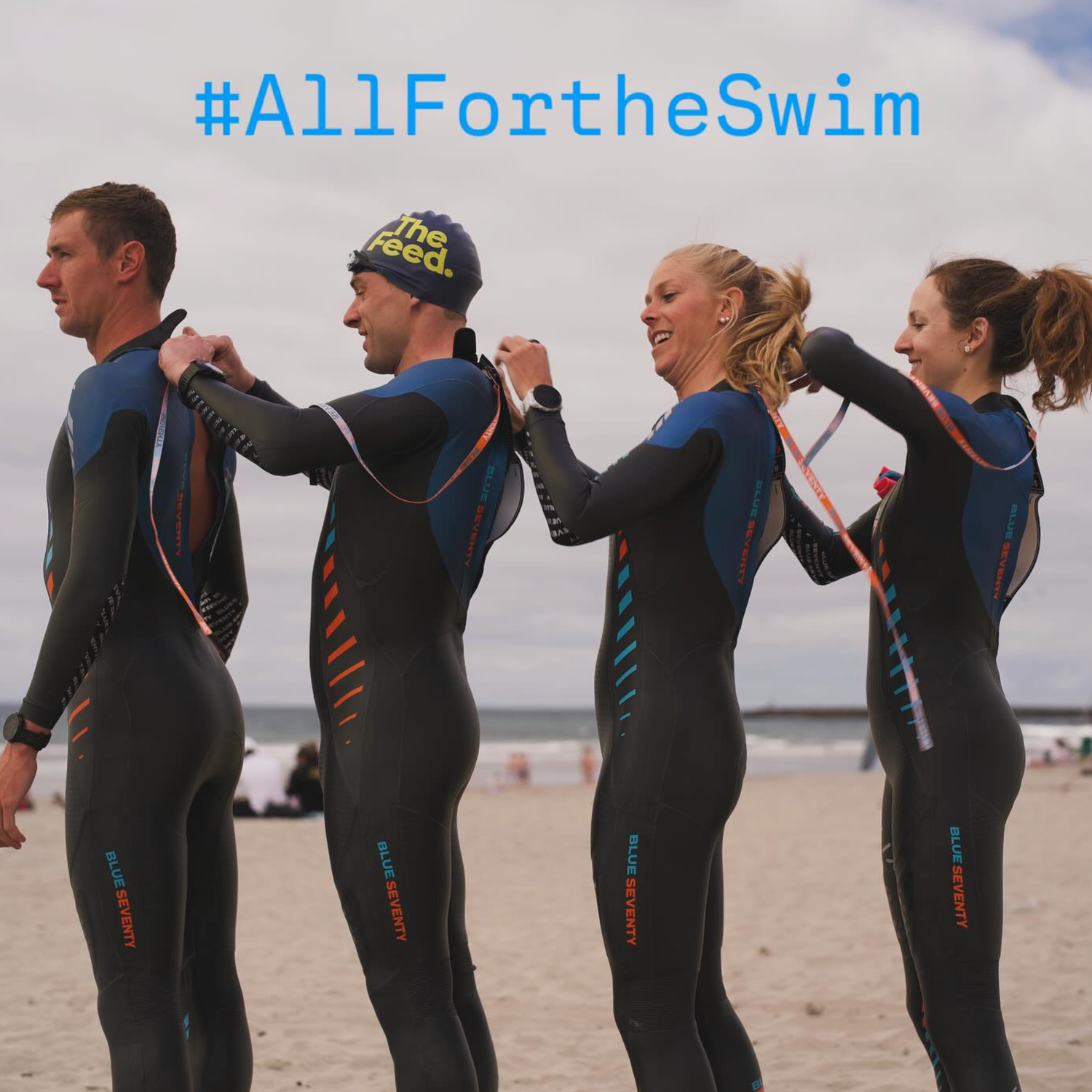
This is why newer swim-specific suits deserve more drying attention. blueseventy has made wetsuits for swimming since 1993, when the company that became blueseventy developed one of the first triathlon wetsuits. The line has moved toward thinner, more flexible neoprene over the years. Modern blueseventy suits use Yamamoto neoprene in 38, 39, and 40 cell grades, where a higher number means more flexibility. The Helix race suit uses thin, flexible panels in the arms and shoulders, and the Thermal Reaction adds a full Zirconium jersey liner for cold water warmth. Those thin panels and thermal liners hold moisture longer than thick, stiff neoprene, which means they need more drying time before storage.
Stop Repeating the Same Cleaning Cycle
A mildew remover can lift the spots and knock down the odor. It cannot change what happens after the next swim. You clean the suit Sunday night, it dries, it goes back into the bag Tuesday morning, and you are back where you started. A second outbreak in the same season points to the storage routine, not to the cleaner.
How to Remove Mildew From a Swim Wetsuit
Start gentle. The goal is to remove the fungus without breaking down the neoprene or the liner.
- Rinse the suit inside and out with cool fresh water.
- Turn it inside out and hand wash it in cool water with a wetsuit-specific cleaner or a mild soap.
- For odor and surface spots, soak the affected area in a cool mix of one part white vinegar to four parts water for 20 minutes.
- Rinse until the water runs clear and no soap or vinegar smell remains.
- Dry the suit completely, inside and out, before you store it. Hang it over a wide hanger or lay it flat, away from direct sun.
Do not use bleach or hot water. Bleach breaks down neoprene and liner fibers. Hot water can warp panels and weaken seams. If dark stains linger after the soak, a soft brush on the lining can lift surface mildew. Keep that brush away from the smooth neoprene side.
Drying Habits That Prevent Mildew Before It Starts
Your after-swim routine matters more than any cleaner.
- Rinse at the venue. A quick fresh water rinse right after the swim removes lake water, salt, and sweat before they dry into the lining.
- Dry the inside first. Turn the suit inside out and drape it over a wide hanger or rack. The neck, armpits, and cuffs dry slowest.
- Hang it wide, not folded. A folded wet suit traps moisture in the creases. A wide hanger or flat rack keeps air moving through the arms and legs.
- Check it before you pack it. Store the suit only when it feels dry to the touch, inside and out, including the small fold at the neck.
Fully lined suits need more time. After a long cold water swim in a Thermal Reaction, give the suit a full 24 hours before it goes into a bag, and if you are swimming again the next morning, hang it where air can move through the torso and sleeves rather than folding it into a car trunk still damp. Do not rush that step. A suit that looks dry on the outside can still hold water in the cuffs and collar.
When Cleaning Is Not Enough
Mildew stains that leave the neoprene and seams intact are a cleaning problem. If the suit has thin spots, a stiff liner, or tears at the seams, you are past cleaning. The blueseventy warranty covers manufacturing and material defects for the original owner. Mildew damage from storage is not a manufacturing defect. For small neoprene tears that show up after cleaning, Aquaseal neoprene cement from the blueseventy wetsuit care collection works well. If a large area has lost flexibility, that suit has reached the end of its useful life.
The Habit That Saves You the Second Cleaning
You can clean most mildew with cool water, mild soap, and patience. Get the suit dry first, treat the spots second, and keep it out of the wet transition bag after that. The fewer damp, dark hours your wetsuit spends in a bag, the less often you will need a mildew remover. That habit costs less time than another cleaning session.
Happy swimming.