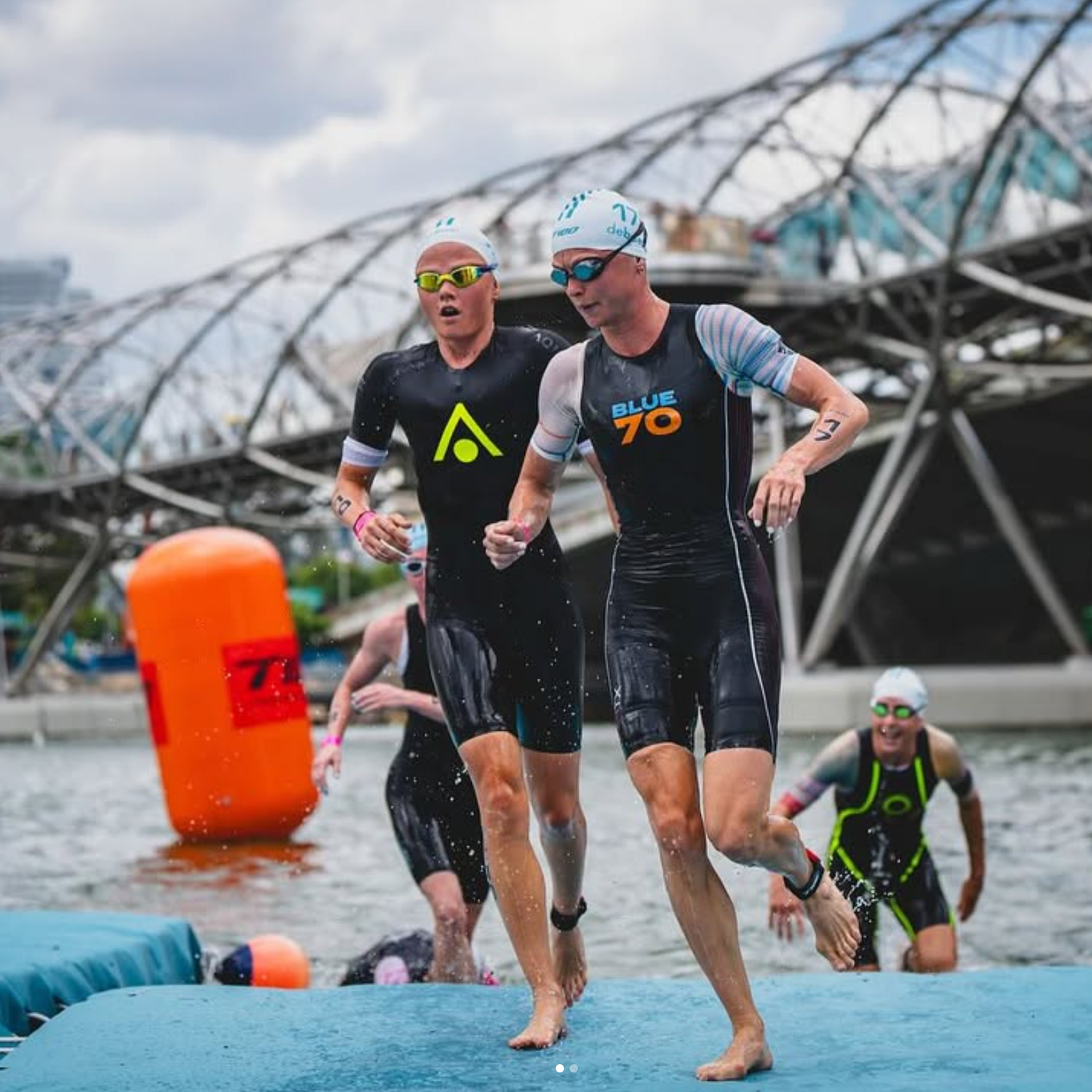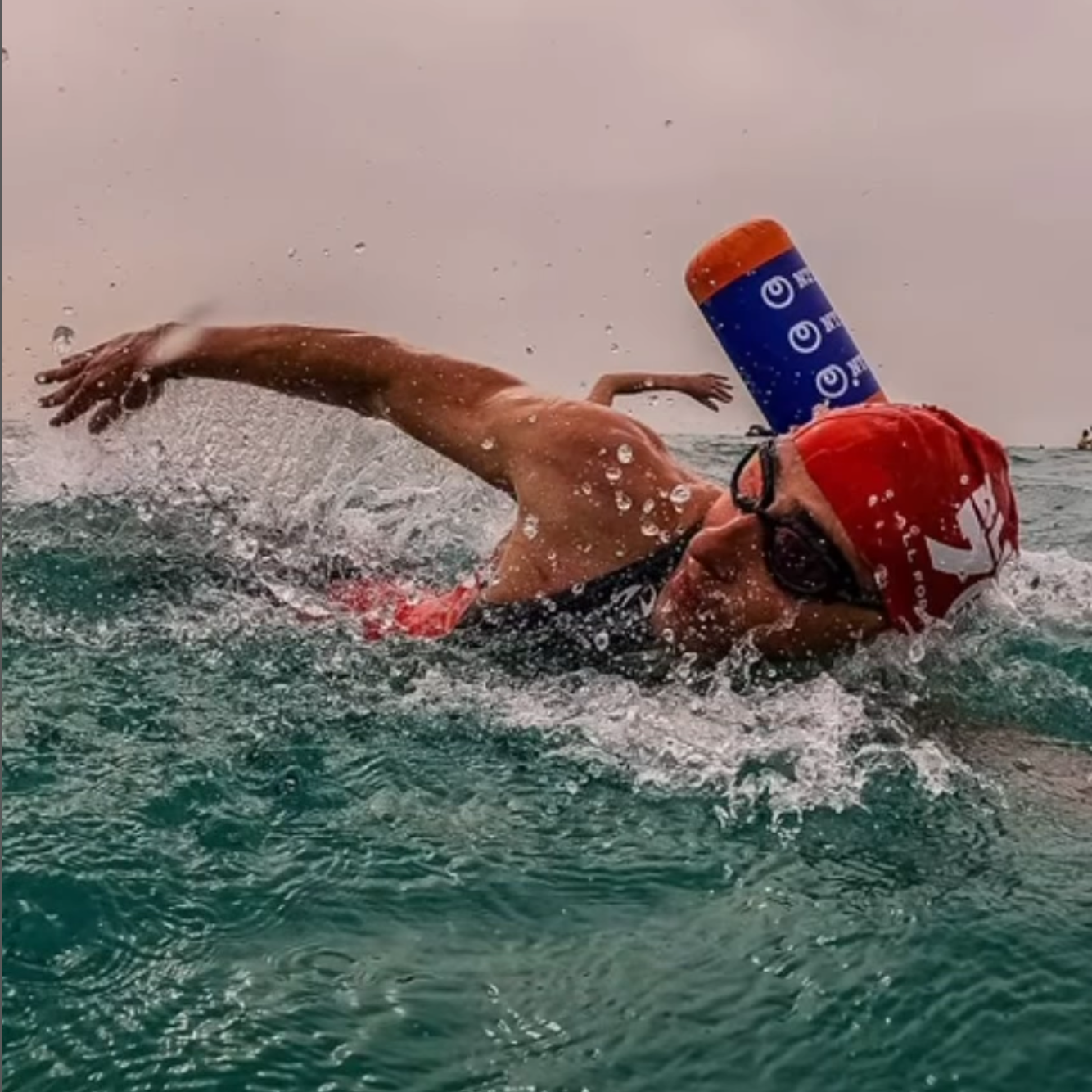



Most swimmers think about chafing tape after the damage is done. The neck is red, the collarbone is rubbed raw, or one underarm starts burning halfway through an open-water set. Tape goes on, the session continues, and that is usually the end of the thought process.
It should not be.
Wetsuit chafing prevention tape is useful skin protection, but it is also a fit diagnostic. The spot that keeps rubbing often points to something specific: a collar that is shifting during sighting, shoulders that are sitting low, extra slack through the torso, or a stroke pattern that loads one side of the suit more than the other. If you read those signs early, you can solve the cause instead of treating the symptom before every swim.
That matters in triathlon and open-water swimming because friction is cumulative. A small issue in the first five minutes can turn into a real distraction by the end of a long training swim or during the back half of a race. The better your suit sits on your body, the less energy you spend thinking about your neck, your shoulders, or the seam under one arm.
Chafing usually starts with movement
A swim-specific wetsuit is supposed to fit close. That close fit helps support body position in the water and keeps the suit from shifting stroke after stroke. When chafing shows up, the suit is usually moving more than it should, or your skin is getting exposed to repeated friction in one narrow spot.
The common trouble areas are familiar to most swimmers:
- the back and sides of the neck
- the collarbone area
- the front of the shoulders
- under the arms
- along the jawline during one-sided breathing
- around the ankles during longer sessions or repeated removal practice
Those hot spots do not appear randomly. They usually come from one of a few mechanical causes. The suit may not be pulled high enough through the hips and shoulders. The torso may still have trapped slack. The collar may be sitting slightly off-center. In open water, salt, chop, frequent sighting, and a harder start all add more motion at the exact places where skin is already under pressure.
The tape is telling you something
If you always tape the same place, pay attention to that pattern.
A repeated strip across the back of the neck often points to collar movement. Irritation under one arm can point to asymmetry in your stroke or a shoulder panel that is not sitting correctly. A rub mark over one collarbone can mean the wetsuit is twisting slightly on your torso, even if it looked fine while you were standing on shore.
This is where tape becomes more than a race-bag accessory. It becomes feedback.
After any swim that produces chafing, note four details:
- where the irritation started
- whether you were in a pool, lake, or ocean
- how long you swam
- whether the suit felt fully seated in the hips and shoulders
You do not need a long training diary. A few short notes are enough. Patterns appear quickly. If the problem only happens in salt water, the environment is part of the issue. If it shows up late in longer swims, fatigue may be changing your stroke or head position. If it starts when pace rises, the suit may be stable at aerobic effort and less stable when turnover increases.
The neck usually gives the clearest fit signal
The neck gets most of the attention because the collar sits at the intersection of several moving parts: body rotation, breathing, sighting, wave impact, and the reach of each stroke. When the rest of the suit is positioned well, the collar can do its job quietly. When the suit sits low through the shoulders, the neckline often pays for it.
Blueseventy addressed this directly in the Fusion redesign in 2021 with a lower-sitting neckline that improves comfort while preserving the watertight seal. That kind of design detail matters because the best anti-chafing solution starts with reducing unnecessary movement at the source.
Even with a well-designed collar, swimmers can create neck rub in predictable ways:
- craning the head forward during sighting
- lifting the chin to breathe instead of rotating the body
- leaving the suit short through the shoulders
- zipping the suit while the collar is folded or creased
- using so much lubricant that the collar slides more than it should
If your neck is always the first place to suffer, do not start with more products. Start with suit position.
Donning errors create a lot of avoidable friction
Many wetsuit problems begin before you touch the water. A suit can be the right model and the right size and still cause trouble if you rush the donning process.
Blueseventy's fit guidance is simple: the suit should feel snug on land and more comfortable in the water. The shoulder area matters most. If the shoulders are not fully seated, the neoprene pulls every time you reach forward. That can increase fatigue, and it can also create rubbing at the neck and underarms.
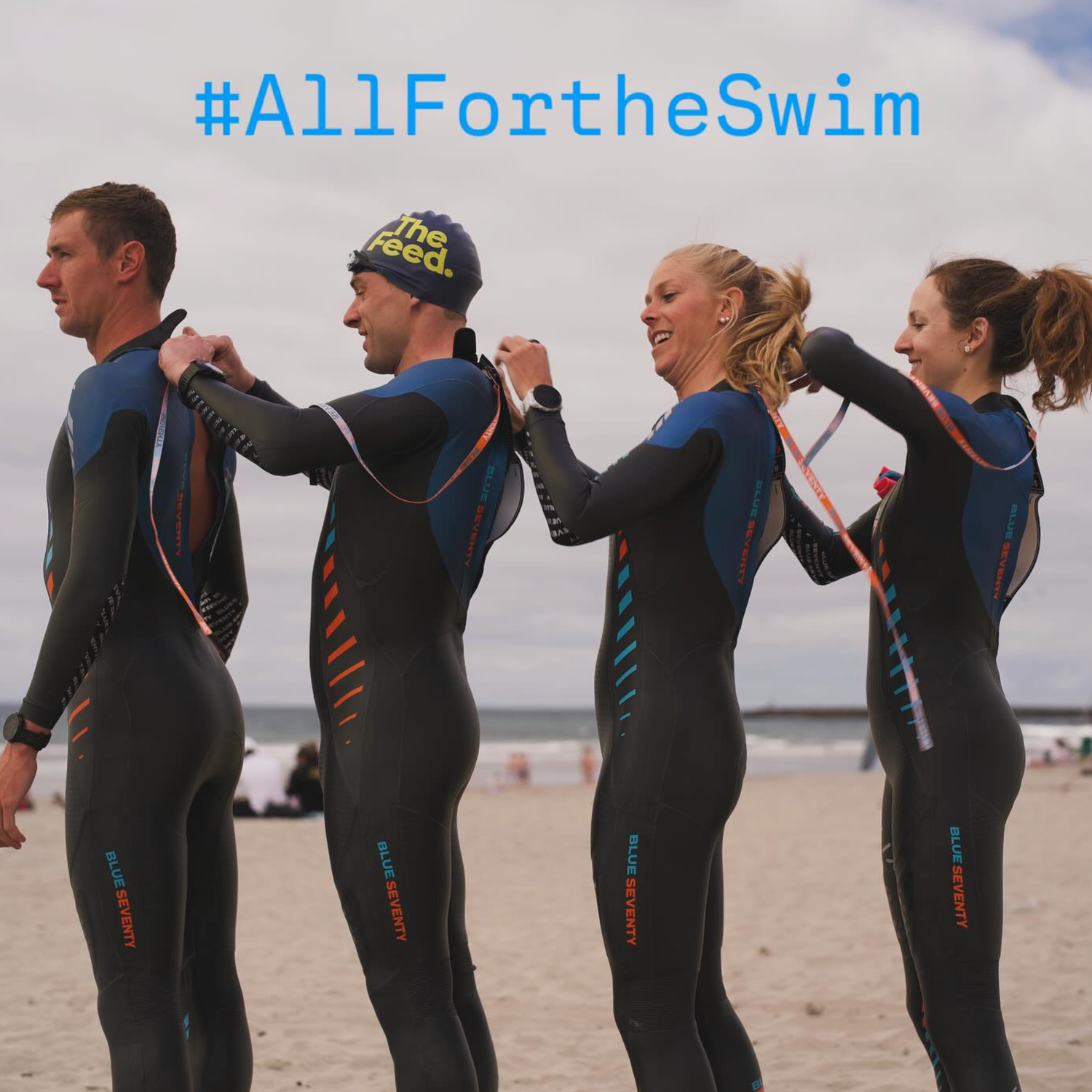
A better donning sequence looks like this:
- Pull the legs up from the calves first.
- Seat the suit fully through the hips and crotch.
- Spread the torso material evenly.
- Lift the arms and shoulders into place before zipping.
- Smooth the collar so it lies flat against the skin.
Skip those steps and the friction usually shows up somewhere else. The neck and underarms take the blame for a problem that started lower down.
Tape placement matters more than most swimmers think
Swimmers often spend too much time searching for the perfect tape and not enough time thinking about where and how to apply it. For wetsuit use, the tape needs to stay attached on wet skin, flex with the body, and create a smooth interface under the wetsuit opening.
A few practical rules help:
- apply it to clean, dry skin
- put it on before sunscreen or anti-chafe balm
- round the corners so the edges are less likely to peel
- use strips long enough to cover the full contact zone
- place it where the suit rubs during movement, not only where the skin looked red afterward
That last point is easy to miss. The red mark you see after the swim is not always the exact point where the friction started. A collar can catch farther back and leave irritation farther forward once you have spent thirty or forty minutes turning your head to breathe and sight.
Use the right order: fit first, tape second, lubricant third
This sequence solves more problems than most swimmers expect.
First, fix the fit. If the shoulders are low or the collar is creased, tape only reduces the symptoms. Second, tape known hot spots. Third, use lubricant sparingly on exposed edges or areas where tape does not make sense.
Too much lubricant around the neck can make the collar slide more. More movement usually means more friction over time. A light, targeted application works better than coating half the neckline and hoping the problem disappears.
Underarm chafing often points to stroke mechanics
Neck chafing gets the headlines, but underarm rubbing can be more revealing. When one side is worse than the other, the cause is often tied to how you swim inside the suit.
If your hand crosses the center line on entry, if one arm recovers differently, or if you rely heavily on one-sided breathing, the suit may load unevenly across the front shoulder and armpit. That repeated movement can create one clear friction point on a single side.
Blueseventy wetsuits are built around freedom from restriction and feel for the water, using Yamamoto neoprene in 38, 39, and 40 cell grades, with higher cell numbers bringing more flexibility. That flexibility supports a more natural stroke, but it still depends on the suit being positioned correctly on your body.
If underarm chafing keeps showing up, check two things on your next swim:
- Did you fully seat the suit into the shoulders and armpits before zipping?
- Does one arm move differently once pace picks up or fatigue sets in?
Tape protects the skin while you answer those questions. It does not answer them for you.
Water temperature changes how friction shows up
Temperature changes more than comfort. It also changes posture, tension, and skin tolerance.
In colder water, swimmers often tighten through the neck and upper shoulders during the first part of the session. That tension can increase collar friction, especially if the suit was not fully settled before the swim started. Below about 56 to 58°F, a purpose-built thermal wetsuit such as the Thermal Reaction provides added thermal protection for cold-water swimming, but cold conditions still affect how you carry your head and shoulders.
In warmer water, heat buildup can make skin more prone to irritation during longer efforts. Above about 70 to 72°F, many swimmers find that a full suit becomes too warm over time, and a sleeveless option can reduce stress around the shoulders and underarms while improving comfort.
Water temperature changes how you move. That changes where you rub.
Test your tape before race day
Do not wait until race morning to find out that your tape peels off in salt water or bunches under the collar at race pace.
Test it in training under conditions that resemble the event. Use the same suit, the same application pattern, and the same pre-swim routine. Include a few race-specific movements:
- sighting every few strokes for part of the swim
- a sustained effort at race pace
- a few short accelerations
- practice removing the wetsuit with the tape still in place
You are checking more than simple adhesion. You want to know whether the tape changes how the collar sits, whether an edge starts to roll, and whether the coverage zone is large enough once your stroke opens up under pressure.
Know when tape is pointing to a fit problem
Sometimes tape is all you need. Sometimes repeated chafing is your sign to take a harder look at wetsuit fit.
Reassess the setup if:
- the same hot spot appears every swim
- the collar still feels unstable after careful donning
- one shoulder gets tired early
- the suit wrinkles across the front shoulder or underarm
- the irritation gets worse as pace increases
Those signs usually point to position or sizing, not bad luck. Repeated friction can also change your stroke in small ways. You shorten the reach to avoid a raw patch. You alter your breathing to escape the collar. You tense one side of the upper body without noticing. None of that helps an open-water swim feel smooth or efficient.
A simple routine for training and race week
If you are prone to rubbing, keep the routine simple and repeatable.
Before the swim
Clean and dry the skin fully. Apply tape before sunscreen or lubricant. Cover known friction zones with smooth, rounded strips.
While putting the suit on
Pull the suit up in stages from the lower legs to the hips, torso, and shoulders. Make sure the shoulders are fully seated and the collar lies flat.
During warm-up
Turn your head both ways. Sight a few times. Swim several stronger strokes. If the collar catches early, fix it before the main set or before the start.
After the swim
Check where the irritation began, not only where it ended. If it is a repeat location, treat it as a clue.
The useful way to think about chafing tape
Chafing prevention tape belongs in an open-water kit and in a triathlon race bag. It protects skin, reduces distractions, and gives you one more layer of preparation for a long swim.
Its bigger value is the information it gives back.
If you need tape once in a while, that is part of the sport. If you need the same strip in the same spot every time, your wetsuit fit, your setup, or your stroke is pointing to something specific. Solve that, and the swim usually gets more comfortable fast.
If you want to check your wetsuit fit before your next open-water session, start with the blueseventy fit guide or the size charts. You can also Take a Test Swim and still return or exchange the wetsuit if it comes back clean, dry, and unmodified.