


Most athletes hear wetsuit thickness limit and think in one direction: is this suit legal for my race? That matters, but it is only the first layer of the story. The more useful question is how that rule shapes the way a swim-specific wetsuit behaves once you start swimming hard, sighting in traffic, and trying to keep your stroke together on the way to T1.
For USA Triathlon events, athletes should always confirm the current rulebook language before race day. [VERIFY: current USAT wetsuit thickness limit and exact rule wording]. Rule details belong to the live rules, athlete guide, and race officials, not to old screenshots or secondhand summaries.
Once that box is checked, the rule becomes more interesting. A thickness cap forces designers to make choices. They have to decide where buoyancy belongs, where flexibility matters more than lift, and how the suit should carry a swimmer through a full race effort rather than through a short test on land.
Why thickness rules matter beyond legality
Neoprene adds buoyancy, and buoyancy changes body position. When a suit helps lift the hips and legs, many swimmers travel through the water with less drag. That is one reason wetsuits are such a meaningful part of triathlon swimming.
Still, thickness alone does not tell you how a suit will swim. Two legal suits can feel completely different in the water. One may help you settle into a long, calm stroke. Another may leave you feeling high in the wrong places, rushed in your timing, or tight through the shoulders after only a few hundred yards.
The difference comes from design. Panel placement matters. Shoulder flexibility matters. The way the suit fits your torso and sits across your upper back matters. The rulebook gives a ceiling. It does not tell you how the suit will balance your body.
Maximum thickness is not the same thing as maximum performance
A lot of triathletes assume the thickest legal suit must also be the fastest choice. In practice, that depends on who is swimming in it. A newer athlete often gains a lot from extra support through the lower body because better body position reduces the effort needed to stay horizontal. That can make open water feel less chaotic and more manageable.
A skilled swimmer may respond differently. If the buoyancy profile changes rotation, delays the catch, or dulls feel for the water, the suit may not feel clean through the stroke even if it is fully legal and well made. The swimmer still gets lift, but the timing can feel off.
That is why the better question is not “what is the thickest legal wetsuit?” The better question is what buoyancy pattern helps me hold my best stroke at race effort.
What thickness rules force designers to solve
Once there is a limit, designers cannot chase performance by adding more neoprene everywhere. They have to solve a more demanding problem: how to create lift without making the swimmer feel restricted or disconnected from the water.
That usually means balancing three things:
- Buoyancy placement, especially through the hips and legs
- Flexibility, mainly through the shoulders and upper body
- Durability, because thin race materials do not behave the same way as training-oriented builds
That balance is where good wetsuit design separates itself. A suit can meet the rule and still miss the mark for a specific athlete if the buoyancy sits in the wrong places or the fit leaves the shoulders loaded poorly.
How this shows up in blueseventy wetsuit design
blueseventy builds swim-specific wetsuits for swimmers and triathletes, and that focus shapes the line from top to bottom. The point is not generic flotation. The point is a body position and stroke feel that work in open water.
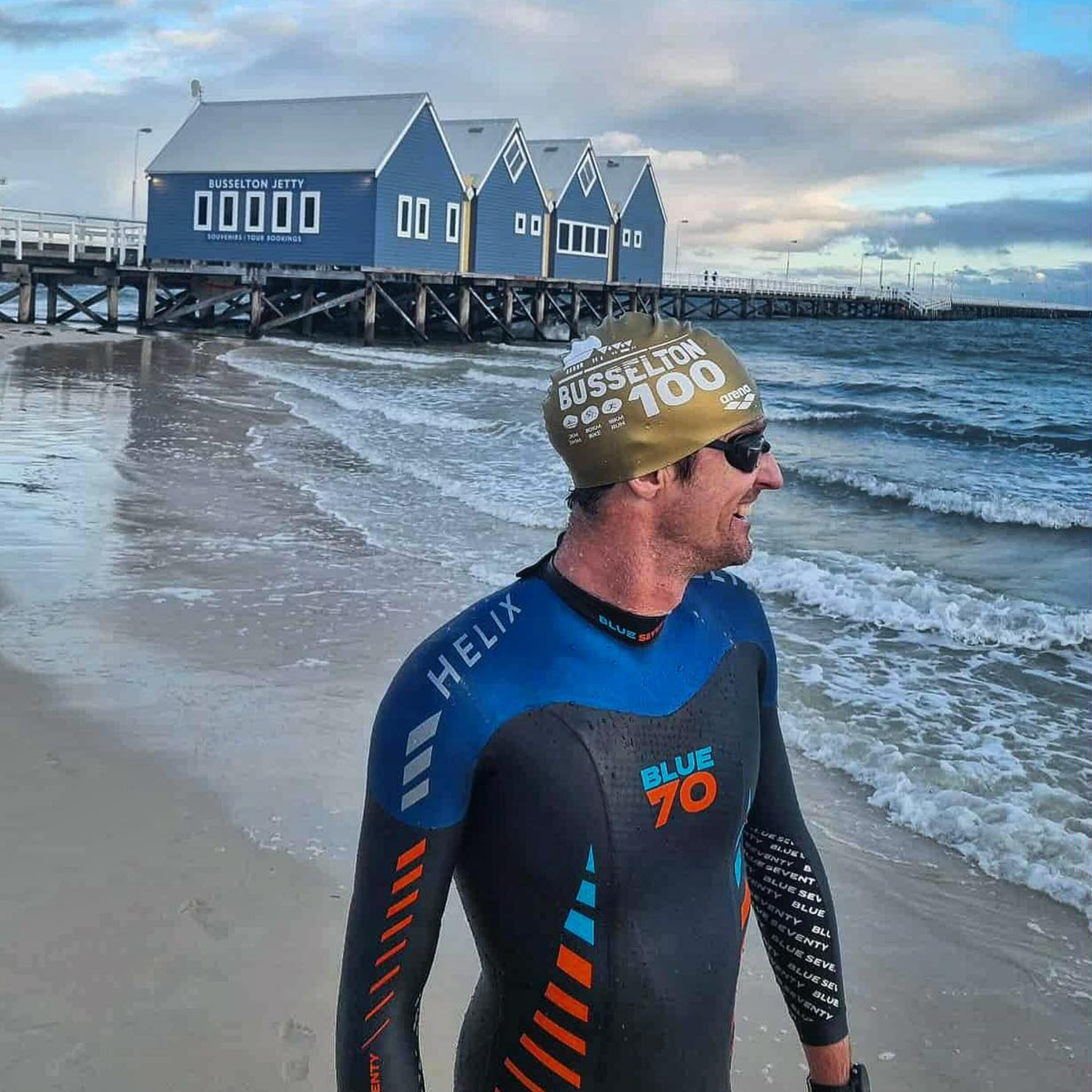
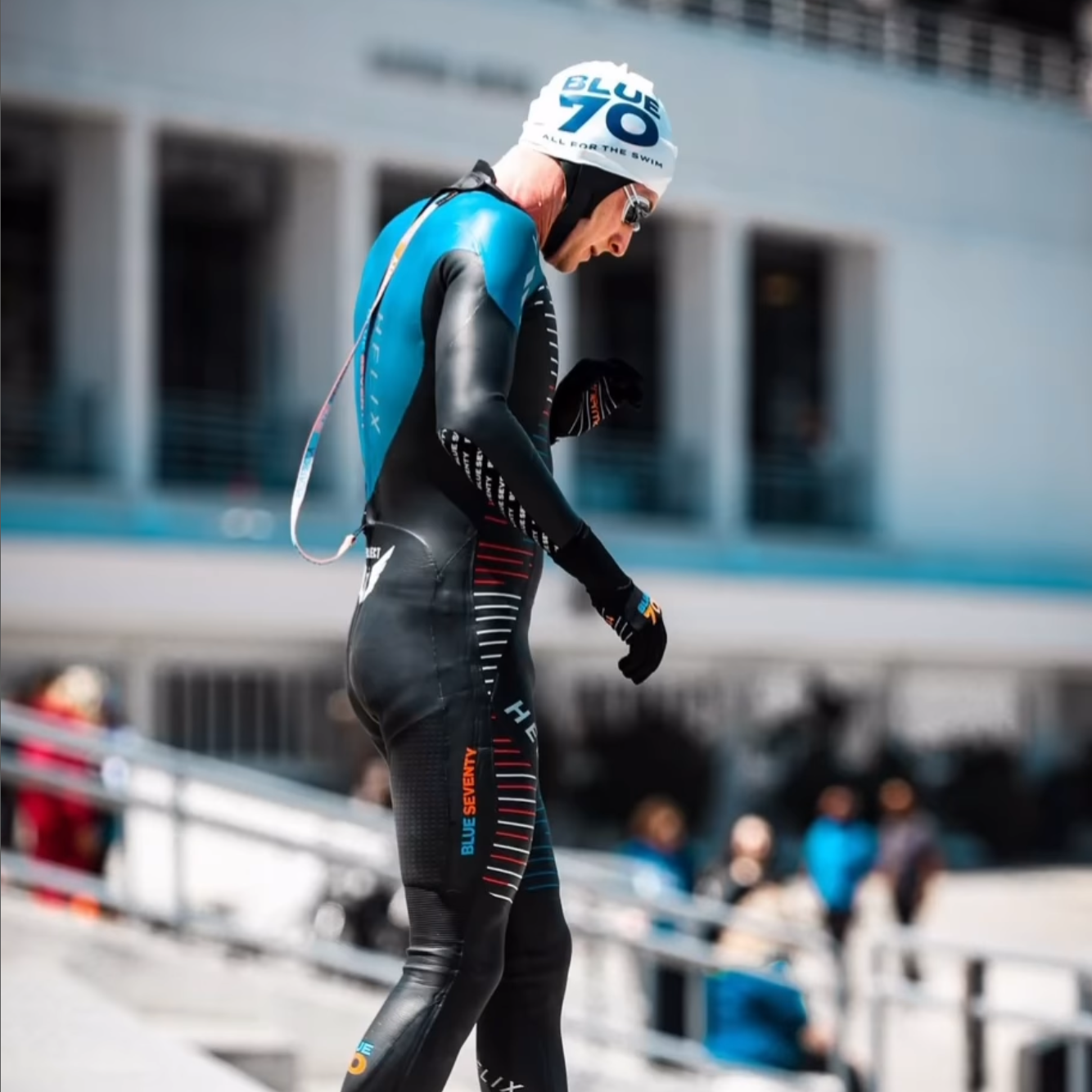
The Helix sits at the top of the range as the flagship race suit. It uses very thin, flexible neoprene in the arms and shoulders, a permeable catch panel to preserve feel for the water, and LIFT buoyancy panels that were added in 2018. Those details reflect a targeted approach to buoyancy and freedom of movement rather than a one-dimensional approach to thickness.
The Reaction is a strong fit for athletes who swim frequently and spend more time in the suit across training and racing. The Fusion, redesigned in 2021 with a lower-sitting neckline, remains a best seller because it balances comfort, performance, and value well for a large group of triathletes. The Sprint gives newer athletes a practical entry point into a swim-specific wetsuit. For cold-water use, the Thermal Reaction adds a full Zirconium jersey lining for added thermal protection.
Those differences matter because the rulebook does not choose your suit for you. Your stroke, your training pattern, and your race conditions do.
Shoulder fatigue is often a fit problem before it is a thickness problem
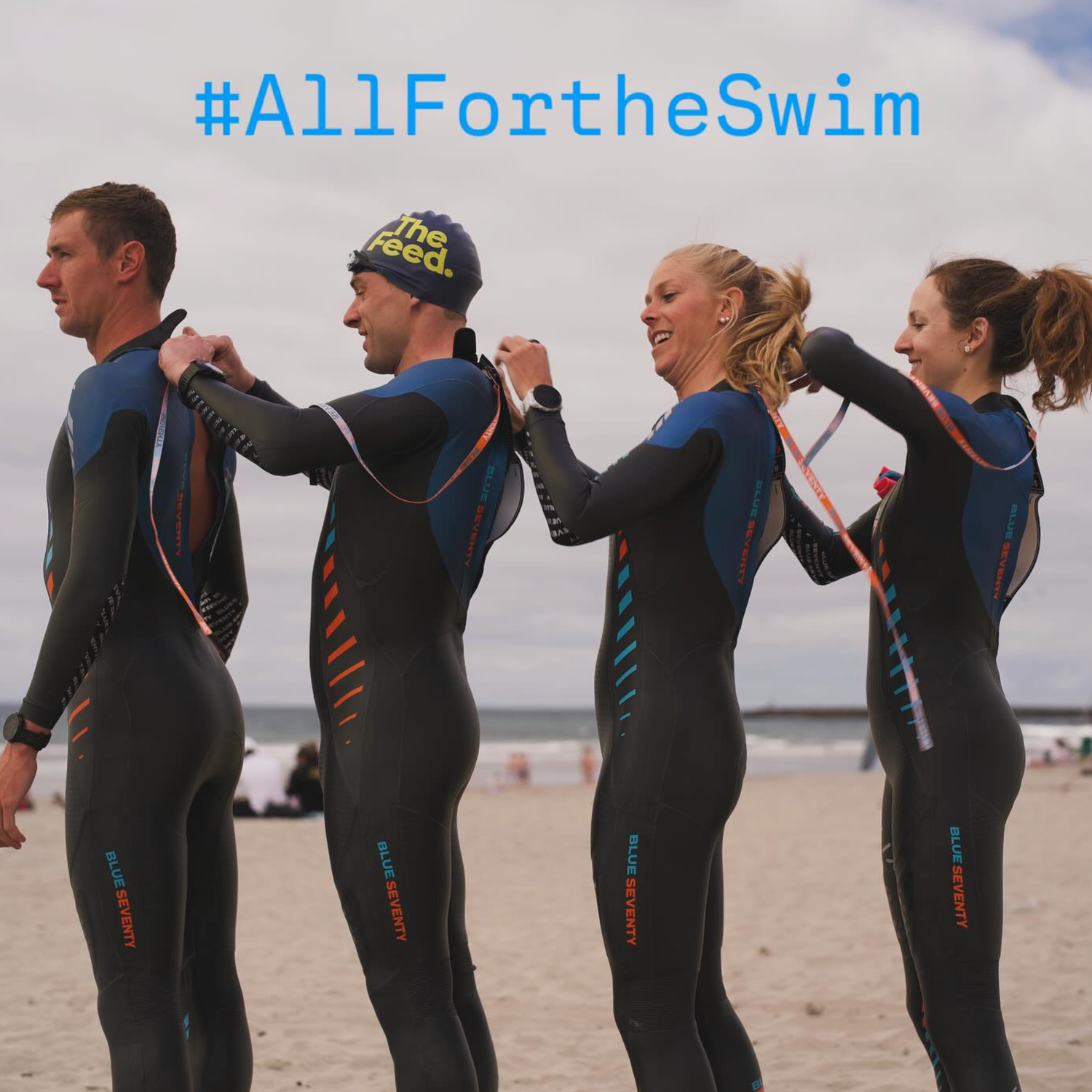
Many athletes blame wetsuit fatigue on neoprene thickness when the real issue starts with fit or with how the suit was put on. If the suit is sitting low through the torso and shoulders, every stroke pulls against material that should have been worked higher before the zipper was closed.
A wetsuit should feel snug on dry land. In the water, it should settle and feel more natural. If the shoulders feel loaded from the first minute, check the donning process before assuming the design is wrong. Calves, hips, torso, and underarms all need attention when you put on the suit. Small mistakes there show up fast once your turnover rises.
That is one reason a proper test swim matters so much. You are not only checking size. You are checking whether the suit sits correctly, breathes correctly, and stays out of the way of your stroke.
Water temperature changes the right answer
The legal question is only one part of race-day preparation. Water temperature can change what kind of suit makes sense, even when the suit is legal.
blueseventy’s published guidance offers a practical framework. Below about 56 to 58°F, a purpose-built thermal suit adds meaningful warmth. Above about 70 to 72°F, a full suit can feel too warm over longer swims, and a sleeveless suit or swimskin may be the better tool depending on the event format and rules.
Also, wetsuits are not waterproof and they do not keep you dry. They work by letting in a thin layer of water that your body warms, which provides insulation. That is an important point because athletes sometimes expect a thermal suit to feel dry inside. That is not how a wetsuit works.
How different swimmers feel the same rule differently
The same thickness limit can produce different outcomes for different athletes. A beginner often feels the biggest gain from improved body position. Less sinking in the legs usually means less wasted energy and a calmer swim rhythm. For someone entering their first sprint or Olympic-distance race, that can be the difference between surviving the swim and actually swimming well.
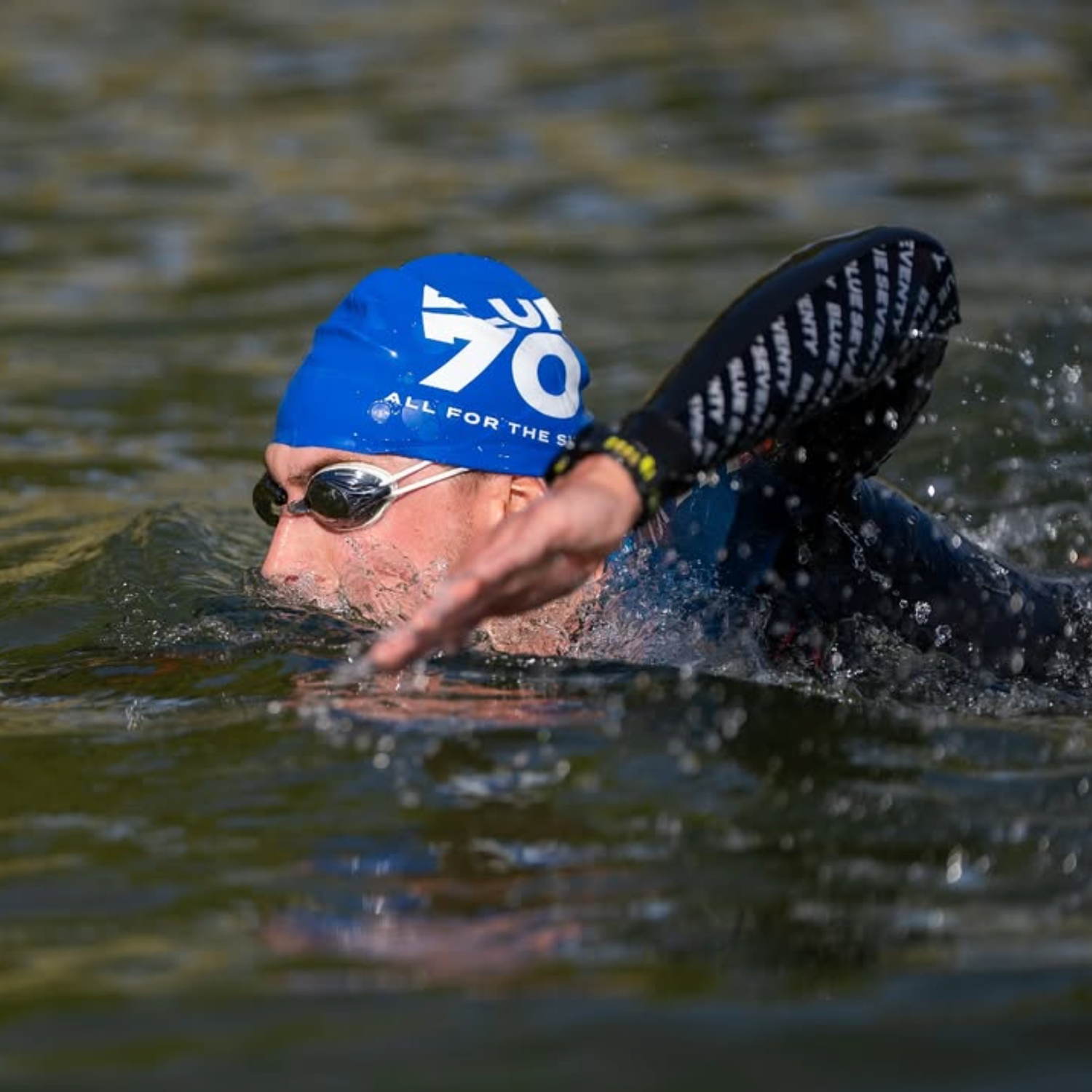
An experienced swimmer may judge the suit through a different lens. That swimmer will often notice front-end pressure in the catch, rhythm through rotation, and how the body line holds together during surges around buoys or packs. If the suit supports those mechanics, it feels fast. If it interrupts them, the swim can feel forced.
That is why test swims should include more than easy cruising. Race effort tells the truth.
What to check during a test swim
A short pool try-on does not tell you enough. Use a real swim to learn how the suit behaves once your breathing rate climbs and your stroke settles in.
- Check body position at easy pace. If your legs still feel heavy or low, the fit may be off or the buoyancy profile may not match what you need.
- Check catch feel at moderate pace. Pay attention to whether you still feel connected to the water when you build effort.
- Check rhythm while sighting. Lifting the eyes often exposes issues in chest pressure, hip balance, or shoulder freedom.
- Check breathing comfort after several minutes. A neckline or torso fit that feels fine at first can become distracting once the effort rises.
blueseventy’s Take a Test Swim policy makes that process easier. You can swim in the wetsuit and still return or exchange it if it comes back clean, dry, unmodified, and with tags and accessories.
How to choose a suit when thickness is part of the conversation
Start with how you actually train. If you race a few times each season but swim open water often, you may be better served by a suit that balances performance and durability rather than by the lightest race build available. If race-day feel is your top priority and you save the suit for key swims and events, a flagship model may make sense.
Within blueseventy’s lineup, athletes usually sort themselves into a few clear paths:
- Helix for top-end race focus and maximum freedom through the stroke
- Reaction for frequent and longer use
- Fusion for shorter frequent swims and strong all-around value
- Sprint for entry-level needs
- Sleeveless options for warmer water and athletes who prefer more shoulder freedom
No wetsuit guarantees a faster split. The right wetsuit is designed to improve hydrodynamics, support a better body position, and reduce drag when it fits correctly and matches the conditions.
The useful takeaway before your next USAT race
The thickness limit looks like a small technical rule, but it affects almost every part of how a triathlon wetsuit is built. It shapes buoyancy placement, flexibility, fit priorities, and the trade-offs between training durability and race-day feel.
Check the current USAT rules. Then move past the rule and ask the question that matters in the water: does this suit let me swim relaxed, balanced, and connected to the water when the effort is real?
If you want to narrow your options before race day, use the size charts, review the fit guide, or take the suit for a proper test swim before you commit.