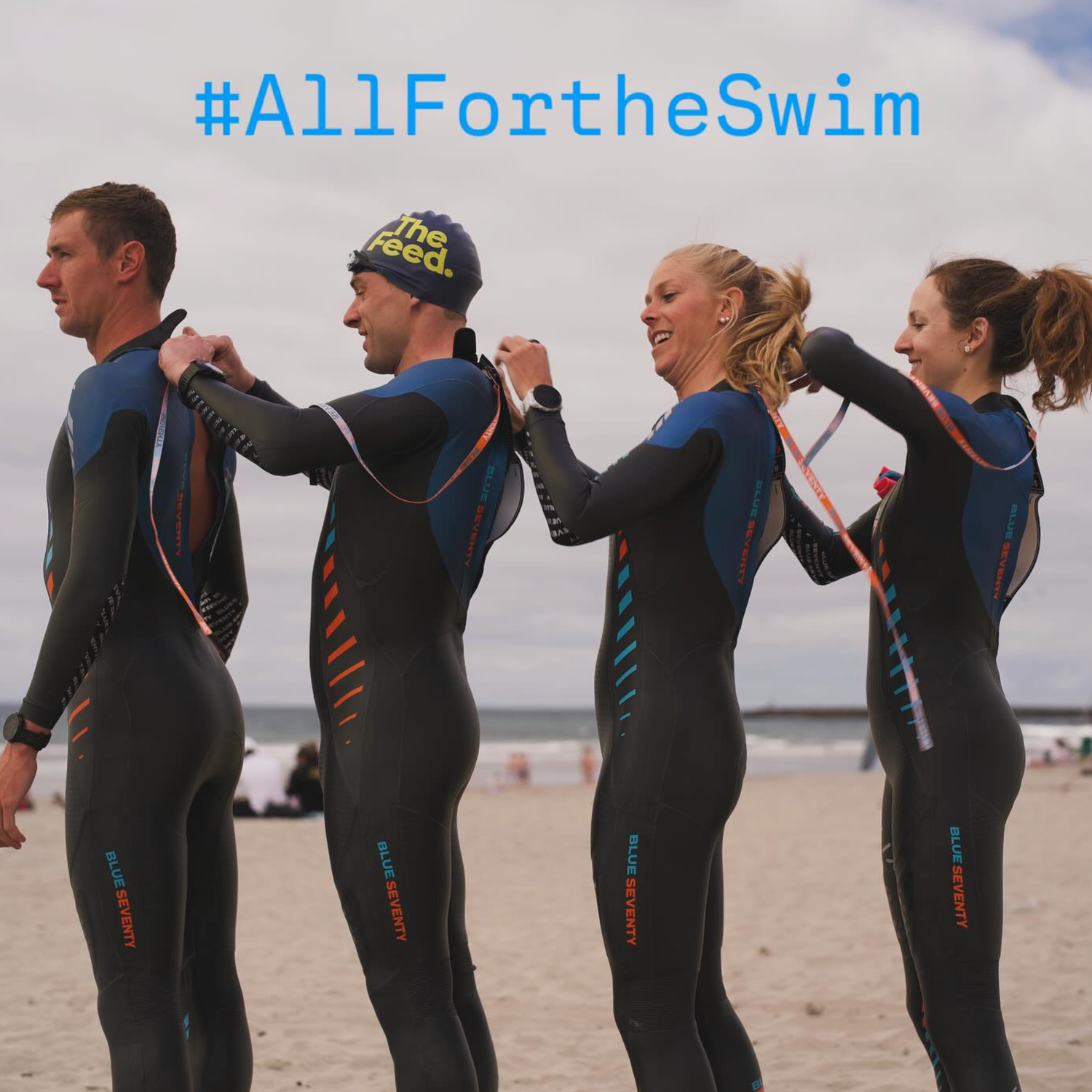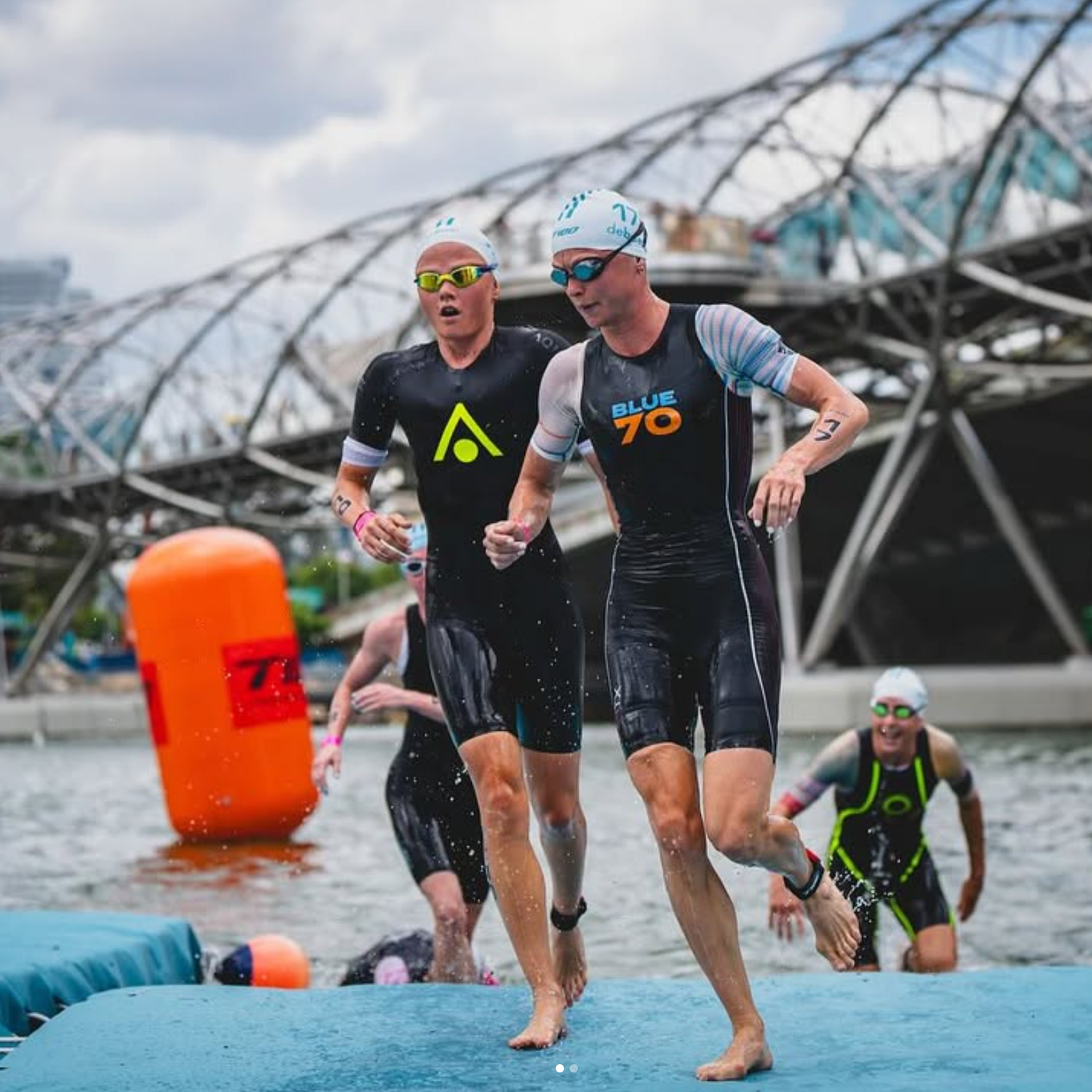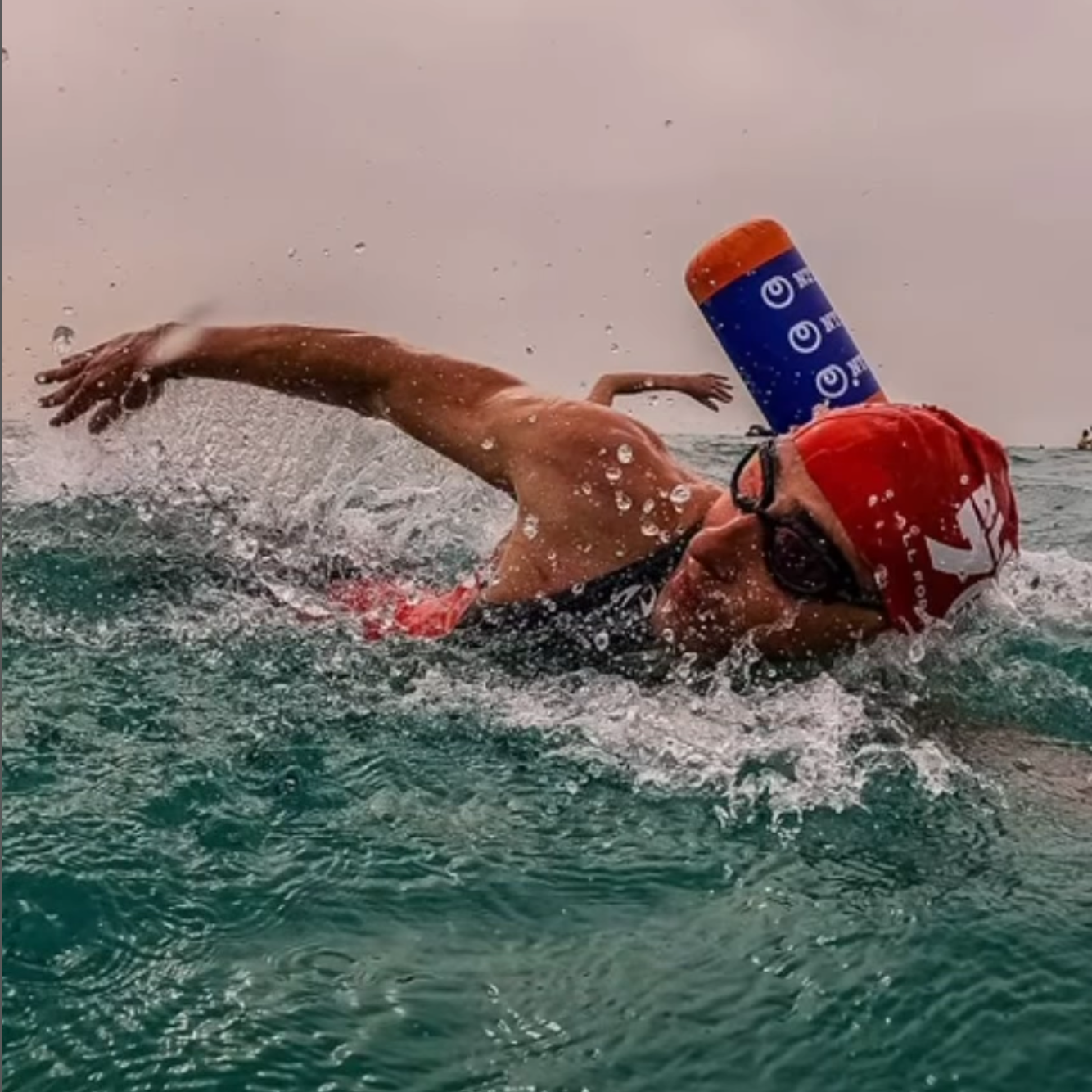



Most triathletes think about wetsuit rules as a single checkpoint: is the swim wetsuit legal or not. That is part of the decision, but it is rarely the whole decision. A wetsuit rule also affects how you pace the first minutes of the swim, how much thermal protection makes sense for the conditions, and how smoothly you get through T1 with cold hands and a high heart rate.
That is why experienced athletes do more than memorize a temperature cutoff. They read wetsuit rules as equipment rules. A swim-specific wetsuit changes body position in the water, reduces the cost of holding the legs high, and can change the feel of the stroke from the first few strokes off the line. For many athletes, especially those still building open-water confidence, that changes the entire swim leg.
One point matters before anything else: wetsuit-legal temperatures vary by sanctioning body and event, and race organizers can issue event-specific guidance. Use your current athlete guide and official race rules for the final call rather than relying on a number from a past race. [VERIFY: current sanctioning-body rule]
Why triathlon had to create wetsuit rules
Triathlon needed wetsuit rules because neoprene changes performance. A wetsuit adds buoyancy, and buoyancy improves body position. When the hips and legs ride higher, most swimmers move through the water with less drag. That is one reason swim-specific wetsuits matter so much in triathlon. They do not just add coverage. They change how the body sits and travels in open water.
Once equipment affects performance that clearly, race organizers need standards. Those standards usually answer a short list of practical questions.
- Is a wetsuit allowed in the measured water temperature?
- Do the same rules apply to every field?
- If an athlete chooses extra thermal protection, does that affect awards or rankings?
- How can officials enforce the rule quickly on race morning?
The last point gets ignored more than it should. A rule has to work in a real race setting, with crowded transition areas, nervous athletes, and limited time. That is one reason rulebooks often stay broad while athletes still need to think carefully about the specific suit they plan to wear.
The overlooked part of wetsuit rules: they change pacing
A legal wetsuit does more than clear you for the start. It changes how the swim should be raced. Athletes who understand that usually make better decisions than athletes who only ask whether they are allowed to wear neoprene.
The first minutes can fool you
A wetsuit often makes the opening stretch of the swim feel smooth and controlled. Your legs sit higher. Your body line feels cleaner. You may feel fast before your breathing has settled. That is exactly why many athletes overcook the first 200 to 300 meters.
Then the cost shows up. Breathing gets ragged, the stroke shortens, and the suit starts to feel restrictive even when the fit is correct. In most cases, the issue is not the wetsuit. The issue is the effort level.
A better plan is simple: use the first few minutes to settle, lengthen the stroke, and let the suit support position. You do not need to force speed early if the wetsuit is already helping you hold better alignment.
Sighting can get sloppier without you noticing
Many triathletes lift the head too high when they sight. In regular swimwear, that often drops the hips. In a wetsuit, buoyancy can hide part of that mistake because the lower body still stays higher than usual. The problem is that you still waste motion every time you over-lift.
The fix is not complicated. Practice sighting in your race suit with a quick look forward, a low chin, and an immediate return to the stroke. If you only practice sighting in the pool or only test the suit once before race day, small flaws can stay hidden until they start costing energy.
The kick should do less work
Triathletes often carry a pool-swimmer habit into open water and kick more than they need to. In a wetsuit, that usually burns energy for little return. Since the suit already supports the lower body, most athletes do better with a quieter kick that maintains rhythm and balance rather than trying to drive the swim from the legs.
That matters because wetsuit rules shape race strategy. They do not just tell you what you can wear. They change the best use of energy across the swim, bike, and run.
Legality and suitability are not the same thing
A race may allow wetsuits, but that does not mean every legal option is equally useful for your swim. This is where many athletes oversimplify the decision. They hear that wetsuits are legal and stop thinking.
Blue70’s swim-specific guidance starts with how you actually use the suit, not only with race morning conditions.
- Helix and Reaction often make sense for competitive racers focused on performance.
- Reaction suits frequent, longer open-water swims well.
- Fusion is a strong choice for shorter frequent swims and remains a best seller in the line.
- Thermal Reaction is designed for cold-water swimming and is fully lined with Zirconium jersey for added thermal protection.
- Reaction Sleeveless can make sense in warmer water or for athletes who want more shoulder freedom and easier entry and exit.
The water matters too. Below about 56 to 58°F, a purpose-built thermal suit adds meaningful warmth. Above about 70 to 72°F, many swimmers find a full suit too warm for longer efforts, which is when sleeveless suits or swimskins can make more sense. Those ranges are equipment guidance from Blue70, not race-legality cutoffs.
That distinction is important. The rulebook tells you what is permitted. Your own stroke, tolerance, and race distance tell you what is smart.
How different wetsuit styles change the swim
Full sleeve suits
Full sleeve suits usually give the most complete buoyancy profile and the most thermal coverage. For many triathletes, they are the best fit for cooler conditions and a strong race-day choice when body position support matters most.
They also demand careful fit. If the suit is not pulled high enough through the torso and shoulders when you put it on, you will feel tension early. That shows up as shoulder fatigue, a shortened stroke, or the sense that you are fighting the suit. A proper wetsuit should feel snug on land and more comfortable in the water.
Sleeveless suits
Sleeveless suits solve a different problem. Some athletes want less upper-body coverage, less heat buildup, and a freer shoulder feel. They are also easier for many swimmers to get on and off quickly. For athletes with naturally good body position, a sleeveless design can preserve their usual stroke feel well. For athletes who benefit from as much buoyancy support as possible, a full suit often gives more help.
Thermal suits
Cold water changes the equation. A thermal suit is built for those conditions. Blue70’s Thermal Reaction uses a full Zirconium jersey lining for added warmth in cold water. That can make a major difference in comfort and control during training and racing in colder temperatures.
It is still important to keep the claim in the right lane. A thermal wetsuit provides added thermal protection. It does not keep a swimmer dry, and it does not remove the need for acclimatization, good judgment, or proper event planning.
Modern wetsuit design has made fit more important than most rule discussions admit
Most conversations about triathlon wetsuit rules focus on temperature. The deeper shift in the sport has been about fit and construction. Rulebooks still group wetsuits into broad categories, but athletes feel the difference in much more specific ways.
Blue70’s own product history shows how that evolution has unfolded. The Helix became the flagship race suit in 2005. LIFT buoyancy panels were added in 2018. The Fusion redesign in 2021 introduced a lower-sitting neckline for comfort without losing the watertight seal. On the women’s side, Femme Fit expanded to 15 sizing options in 2014.
Those details matter because race-day comfort is not a luxury. A lower neckline can reduce chafing. Better shoulder patterning can reduce fatigue. A longer zipper can make entry easier and speed removal in transition. A suit that matches the swimmer’s shape and stroke creates a calmer swim from the start.
For women, that point can be decisive. Blue70’s Femme Fit patterning refines key areas through the bust, torso, wrists, and ankles, lowers the neckline for comfort, and uses an extended zipper length to accommodate entry more easily and support faster transitions. The rulebook does not spell out those benefits, but any athlete who has raced in a poor fit knows how much they matter.
The smartest rule strategy is to test your setup before race day
A dry fitting tells you only part of what you need to know. The better test is in the water, with your breathing rate up and your stroke under load.
Before racing in a wetsuit, you want answers to a few specific questions.
- Does the neckline stay comfortable once effort rises?
- Do the shoulders still feel free after 10 or 15 continuous minutes?
- Can you sight cleanly without lifting too high?
- Can you peel the suit down quickly on the run to T1?
- Can you remove the legs cleanly when your hands are wet and your heart rate is high?
That is why Blue70’s Take a Test Swim policy matters. You can swim in the wetsuit and still return or exchange it, provided it comes back clean, dry, unmodified, and with tags and accessories. For triathletes worried about making the wrong choice, that is one of the most useful ways to learn whether a legal suit is also the right suit.
Common mistakes athletes make around wetsuit rules
Buying for one event instead of one season
If you train in neoprene often, durability has to be part of the decision. Blue70 is candid about that trade-off. The Helix is built for race-day performance, with very thin, flexible neoprene in the arms and shoulders, and it is not the ideal choice for heavy training use. Athletes who swim in a wetsuit frequently often do better in Reaction or Fusion, depending on how long and how often they train.
That kind of honesty helps athletes make better equipment choices. Race feel and training durability are connected, but they are not the same thing.
Assuming legal means comfortable
It does not. One athlete may feel hot in a full suit during a hard, shorter swim. Another may want more thermal protection in the same water because the pace is lower or the swim confidence is lower. Comfort depends on the swimmer, the pace, the distance, the weather, and the amount of time in the water.
Use the event rules for legality. Use your own training history for comfort.
Ignoring the transition cost
The swim leg is not over when you stand up. The wetsuit still has to come off. Neck construction, zipper length, ankle release, and how the suit clears the heel all affect T1. Those details matter more when you are rushing, your fingers are cold, and the transition area is busy.
Practice taking the suit to your waist while moving toward your bike. Then practice full removal without forcing the heels through too quickly. Many small T1 problems start with zero rehearsal.
A practical race-week checklist
Race week gets easier when you work through the decision in order instead of trying to solve everything at once.
- Read the current event rules. Check the athlete guide and official sanctioning-body guidance for wetsuit use, rankings, and awards. [VERIFY: current sanctioning-body rule]
- Match the suit to the water. If the water is below about 56 to 58°F, a thermal suit often makes sense for added protection. If it is above about 70 to 72°F, a full suit may feel too warm over a longer swim.
- Match the suit to your stroke. Full sleeve suits support body position and coverage. Sleeveless suits give more shoulder freedom. Thermal suits are built for colder conditions.
- Match the suit to your season. If you are training in it weekly, durability belongs in the decision. If it is mostly for racing, feel and flexibility may matter more.
- Practice the exact setup. Swim in the suit, sight in the suit, and rehearse removing it before race morning.
What matters most
Triathlon wetsuit rules are often presented as a line on a thermometer. In practice, they shape much more than that. They influence pacing, comfort, transition speed, equipment choice, and how prepared you feel standing at the start.
The athletes who handle wetsuit rules best usually do one thing differently: they stop treating the rulebook as the whole answer. They use the rulebook to define the options, then use training, fit, and real water time to choose the right one.
If you want to dial in that choice before race day, start with fit, then take the suit for a proper swim. That is when the useful answers show up.