


If your wetsuit feels tight across the belly, the tightness usually comes down to how the torso was sized, seated, and zipped. A swim-specific wetsuit should feel snug on dry land and easier once you're horizontal in the water. But when the neoprene bunches over the lower ribs or the zipper locks early, every breath turns into a fight.
Blue70 makes wetsuits for swimming, not for surfing or scuba. The torso panels are shaped for the body position you hold in open water. The neoprene adds buoyancy and lifts your hips and legs, which helps reduce drag. That matters because buoyancy equals speed in the water. A wetsuit is not a personal flotation device, and it is not waterproof. A thin layer of water gets in, and your body warms it for insulation.
Why the midsection becomes a pressure point
Your diaphragm flattens and descends when you inhale. If a neoprene panel or zipper sits across your lower ribs and upper belly, it resists that movement. You end up breathing shallow and carrying tension through the swim. The front of the suit is where many swimmers first feel constricted, so design changes that free the neck and chest make an immediate difference.
Blue70 started in 1993 as Direct Innovations and helped develop one of the first triathlon wetsuits. Torso comfort for fuller midsections came through later changes, including the 2021 Fusion neckline redesign and Femme Fit's extended zipper and lowered neckline. Both changes address the front of the suit.
Four fit decisions that squeeze the middle
Most stomach discomfort traces to one of four decisions:
- Sizing by waist measurement alone. A single circumference will not tell you how the torso panels will sit. Blue70 size charts use height and weight, because torso length and weight distribution matter more than one measurement.
- Pulling the suit too high. The crotch panel should sit snug against your body. If you yank the waist upward to create slack in the legs, the lower torso panel bunches at the belly and the zipper pulls.
- Zipping before the suit is seated. The zipper locks everything in place. If the torso panel is not evenly distributed, zipping early sets the pinch.
- Ignoring neckline pressure. A high, tight neckline can make the whole suit feel like it is choking you, even when the torso has enough room.
Models that fit a fuller midsection
The Fusion is the best-selling mid-range suit and a practical starting point for many swimmers with a fuller midsection. The 2021 redesign lowered the neckline without losing the watertight seal. It sells for $420 and works well for shorter, more frequent swims.
If you train several times a week and want higher-grade neoprene, the Reaction at $680 handles longer sessions. For first-timers, the Sprint at $325 offers simpler paneling and still requires the same careful sizing.
Femme Fit and warm-water options
Women choosing any of these suits can select Femme Fit sizing. That pattern includes a lowered neckline, refined bust and torso panels, and an extended zipper that makes entry easier and accommodates wider hips. If you mostly swim in water above 70 to 72°F, a full suit can feel too warm over longer swims. The Reaction Sleeveless at $395 removes arm constriction but does not change the torso fit, so sizing remains essential.
If you also swim in water below about 56 to 58°F, the Thermal Reaction at $785 adds warmth with its Zirconium jersey lining. Torso comfort still starts with height and weight, not with the thermal panels.
A donning sequence that protects the midsection
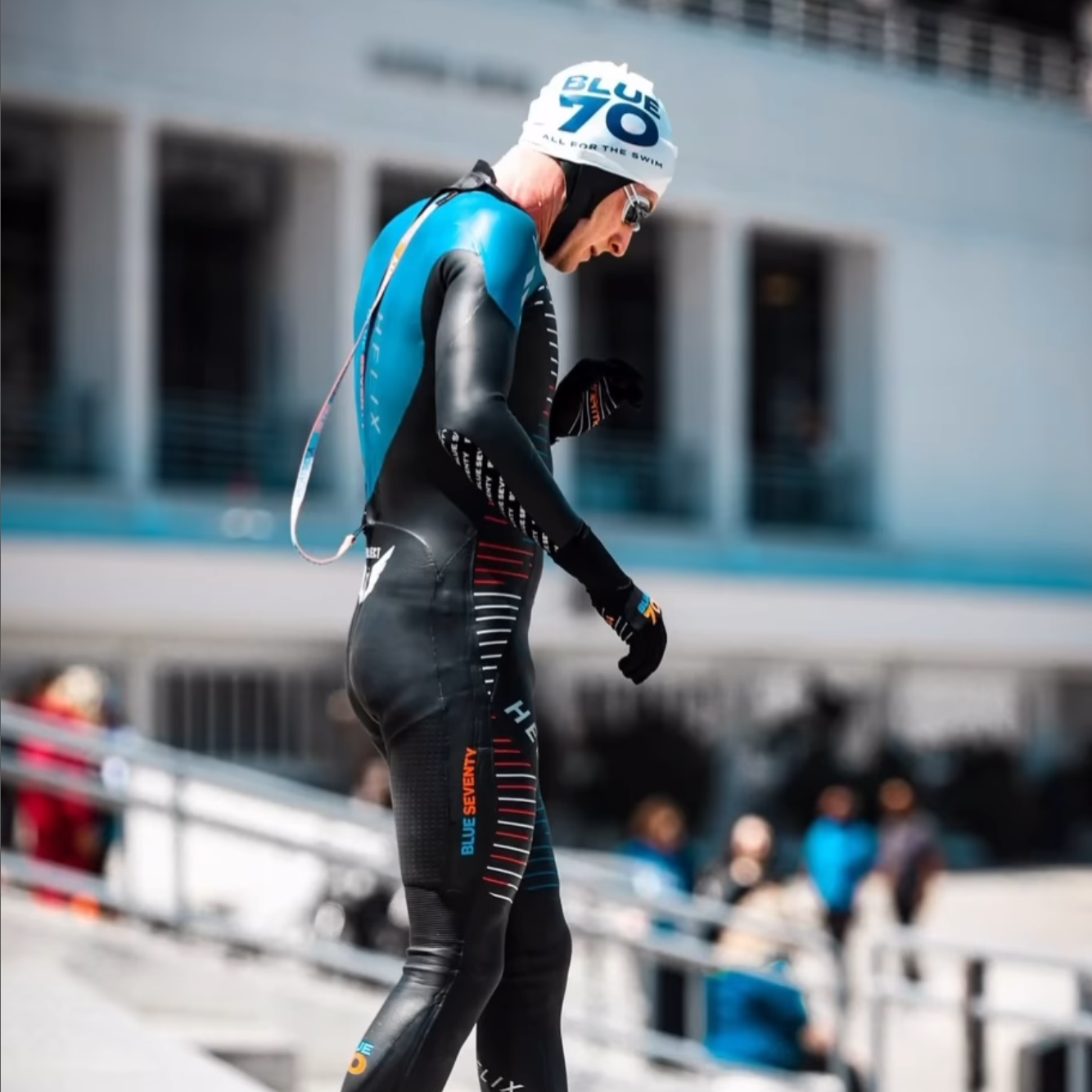
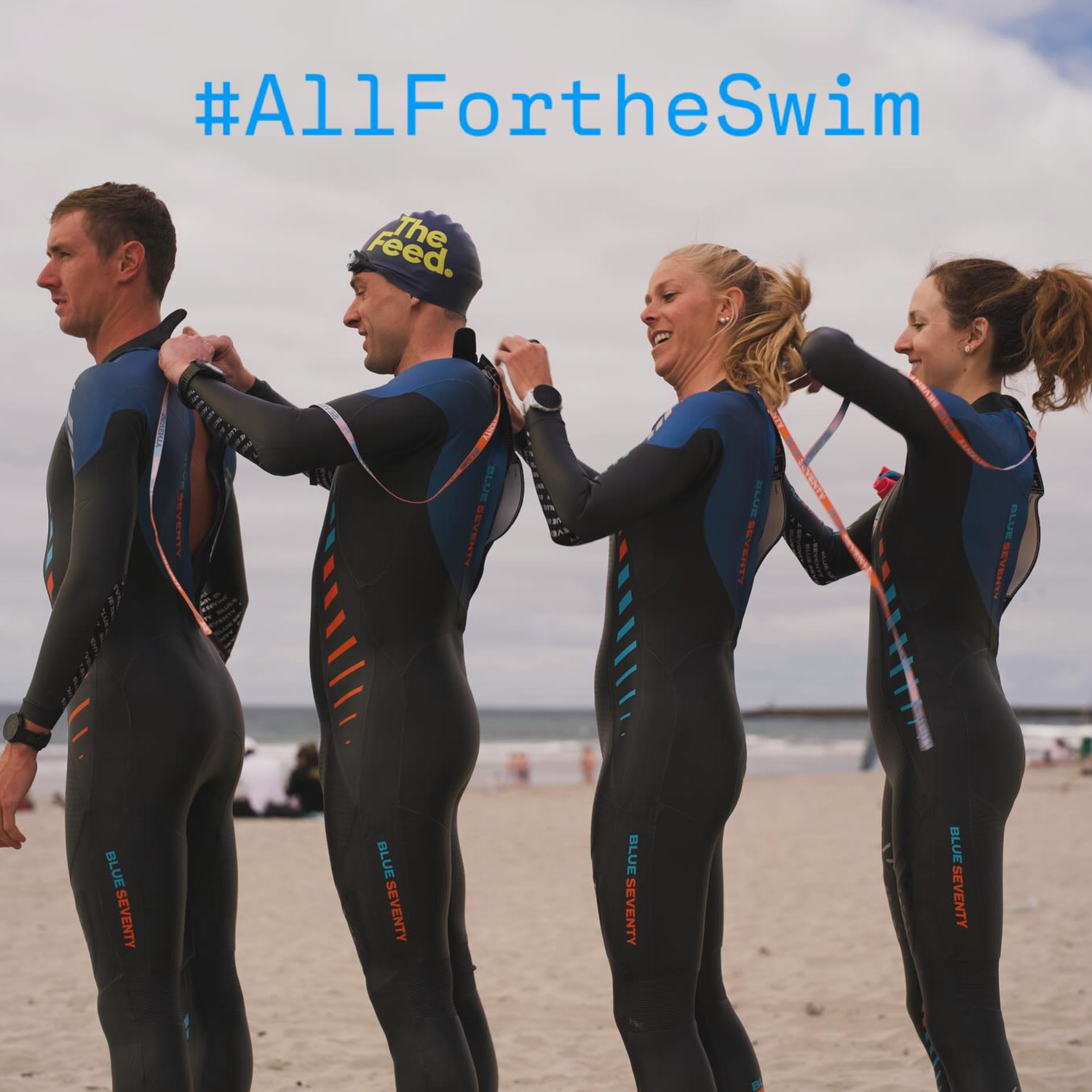
Start with dry skin or use a plastic bag over each foot to help the legs slide through. Work the legs up one at a time in small gathers, pulling from the outside of the neoprene with the pads of your fingers. Stop when the crotch panel settles snug and the leg grippers sit where they should. Then work the torso upward by gathering the inside of the chest panel, not by yanking the collar. Arms go in last. Zip only after the suit is evenly seated.
After zipping, do a few shallow squats and reach both arms overhead. If you can take a full breath and rotate your shoulders without the suit rolling or digging in, the fit is close. If the belly feels compressed, lower the torso panel by half an inch before deciding the suit is too small.
Most donning damage comes from pulling with nails. Use the pads of your fingers, not nails. Fingernail punctures and heel tears are not covered by the one-year warranty.
Test it in the water before you commit
Rinse the suit in fresh water after every swim, dry it inside out first, and hang it on a wide hanger. Then take a Test Swim. Blue70 allows you to swim in a wetsuit and still return or exchange it within 30 days of the ship date, provided it comes back clean, dry, unmodified, and with tags and accessories. A suit often feels different once you are horizontal in the water, so this policy matters for midsection comfort.
Check the size charts, choose a model, and test it in the water. If you cannot take a full breath or the suit slides down, try a different size or a model with a lower neckline before accepting that wetsuits just don't fit you.
Happy swimming.