


A few years ago, a friend showed up to our local open-water swim with a wetsuit he'd pulled out of his garage. It was a thick, rugged suit he'd used for windsurfing - tough enough to handle harness hooks and board grip, and plenty warm in cold chop. He figured it would work just fine for a mile in the lake. Twenty minutes later, he was back on shore, rubbing his shoulders and swearing he'd never felt so exhausted so early in a swim. His fitness wasn't the problem. The wetsuit was.
That morning stuck with me because it's a scenario I hear about all the time. Swimmers and triathletes see a wetsuit they already own - maybe from windsurfing, maybe from another board sport - and think, It keeps me warm in the water, what's the difference? The difference lives in every panel, every seam, and every design choice that separates a suit built for riding on top of the water from one built to move through it efficiently, stroke after stroke. Let's pull that apart, because once you understand why a windsurfing wetsuit fights you during a swim, you'll know exactly what to look for in a suit that actually helps you.
Your Arms vs. The Suit: Movement Patterns That Conflict
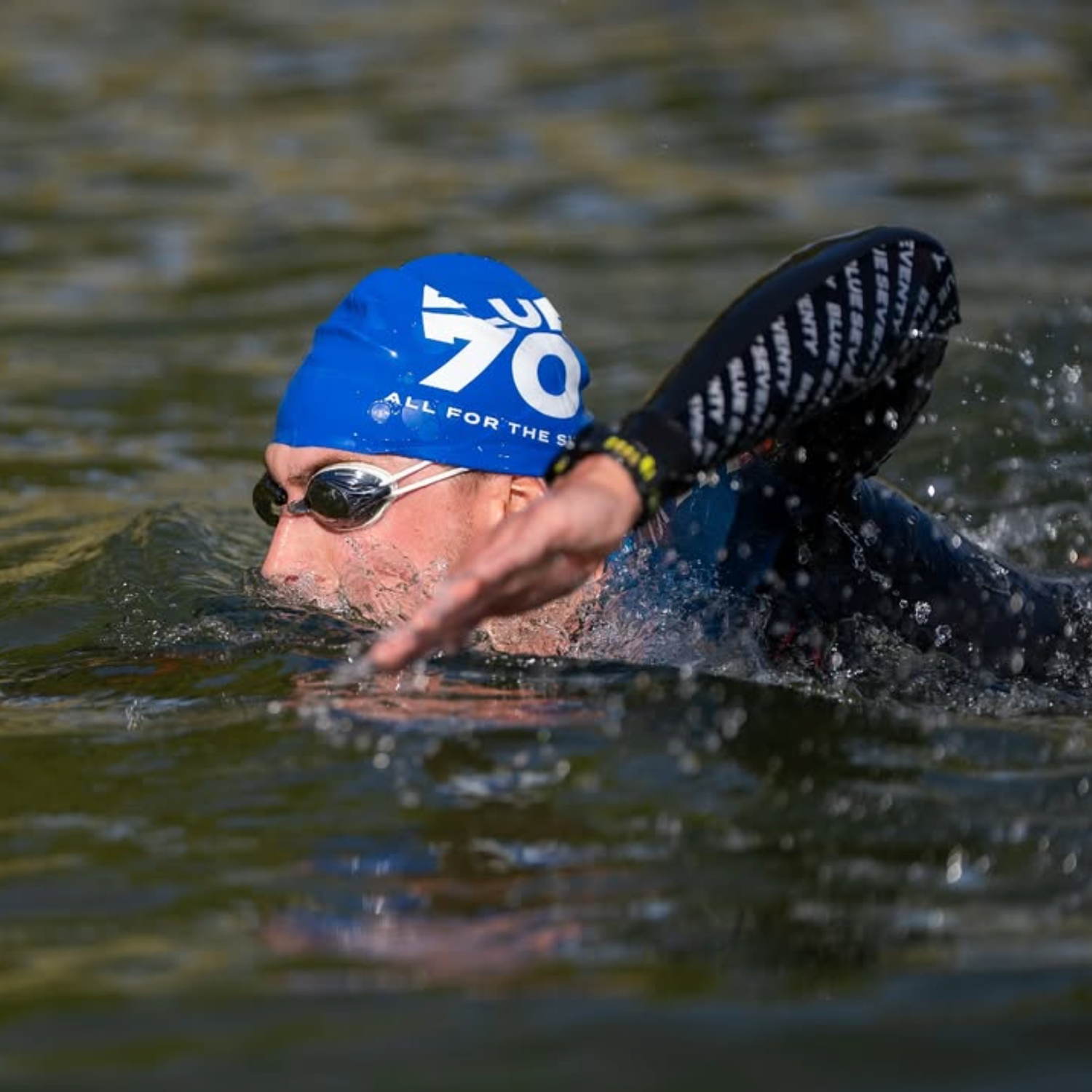
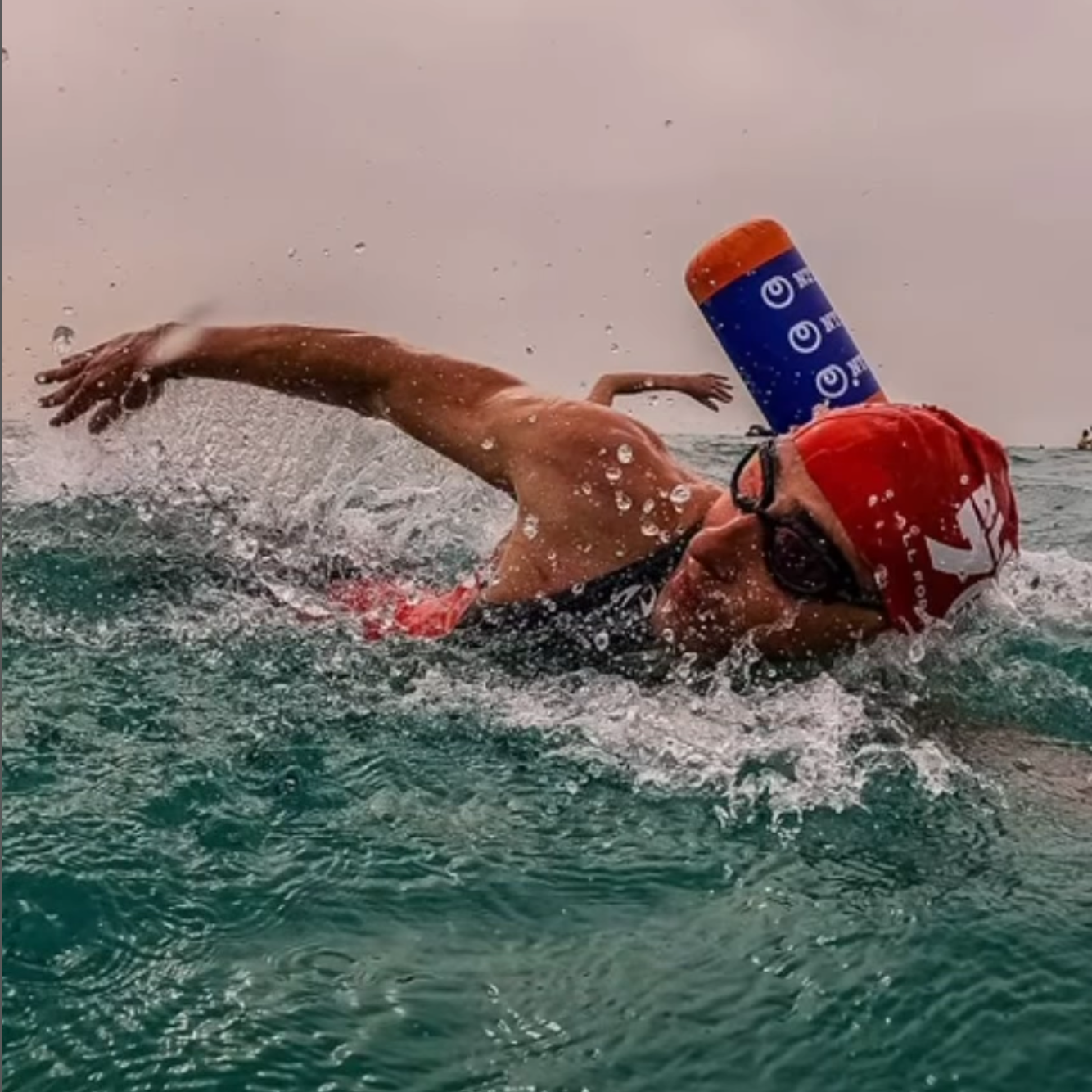
Windsurfing is a dance of explosive pulls and low, braced stances. You're yanking a sail out of the water, leaning against a harness, and making constant small adjustments with your arms mostly in front of your chest. The shoulders rarely, if ever, trace a full overhead circle. Swimming is that circle - thousands of times over. In a typical 1,500-meter open-water session, your arms rotate through roughly a thousand full revolutions. Every single one of those requires unimpeded motion through the shoulders, lats, and upper back.
A windsurfing suit is paneled for grip and durability, not for that repetitive overhead range. The neoprene across the shoulders tends to be thicker and less pliable because it needs to resist abrasion from lines and deck pads. When you swim in it, you're essentially stretching against the suit's resistance on every arm recovery. That resistance is small - barely noticeable for the first 200 meters. By 800 meters, it's a low-grade wrestling match. By 1,500, your neck and traps are tight, your stroke has shortened, and you're bleeding energy into the suit instead of into forward motion.
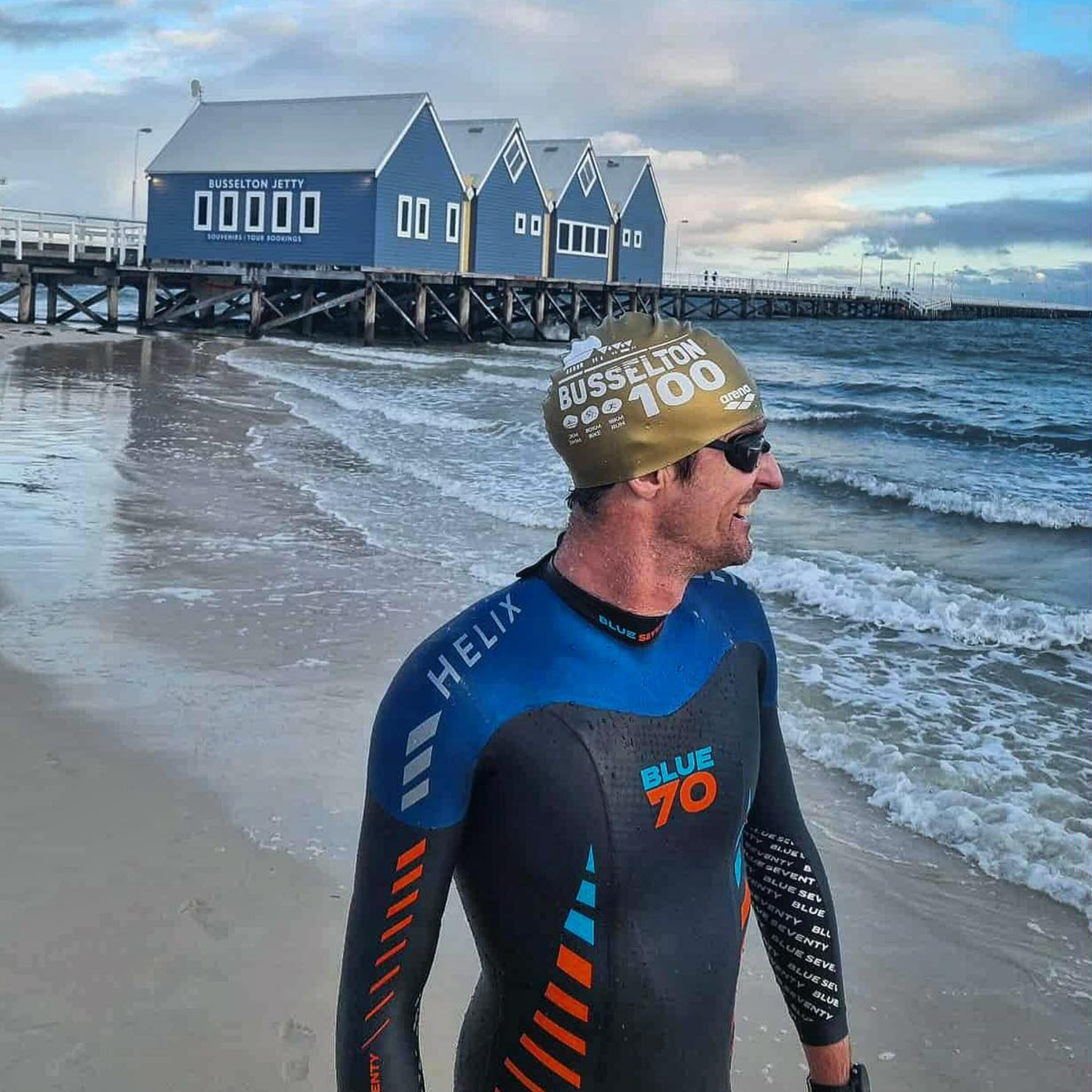
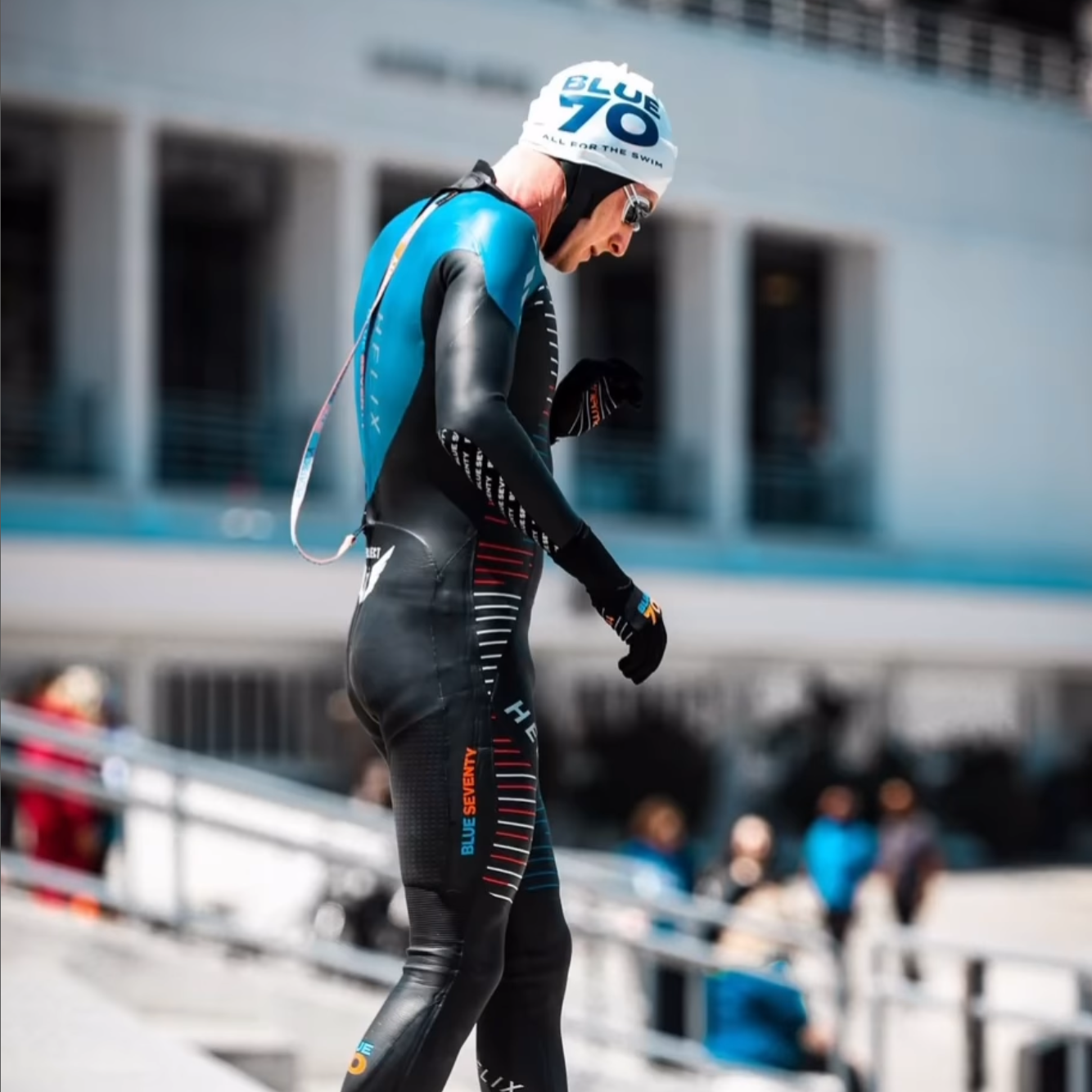
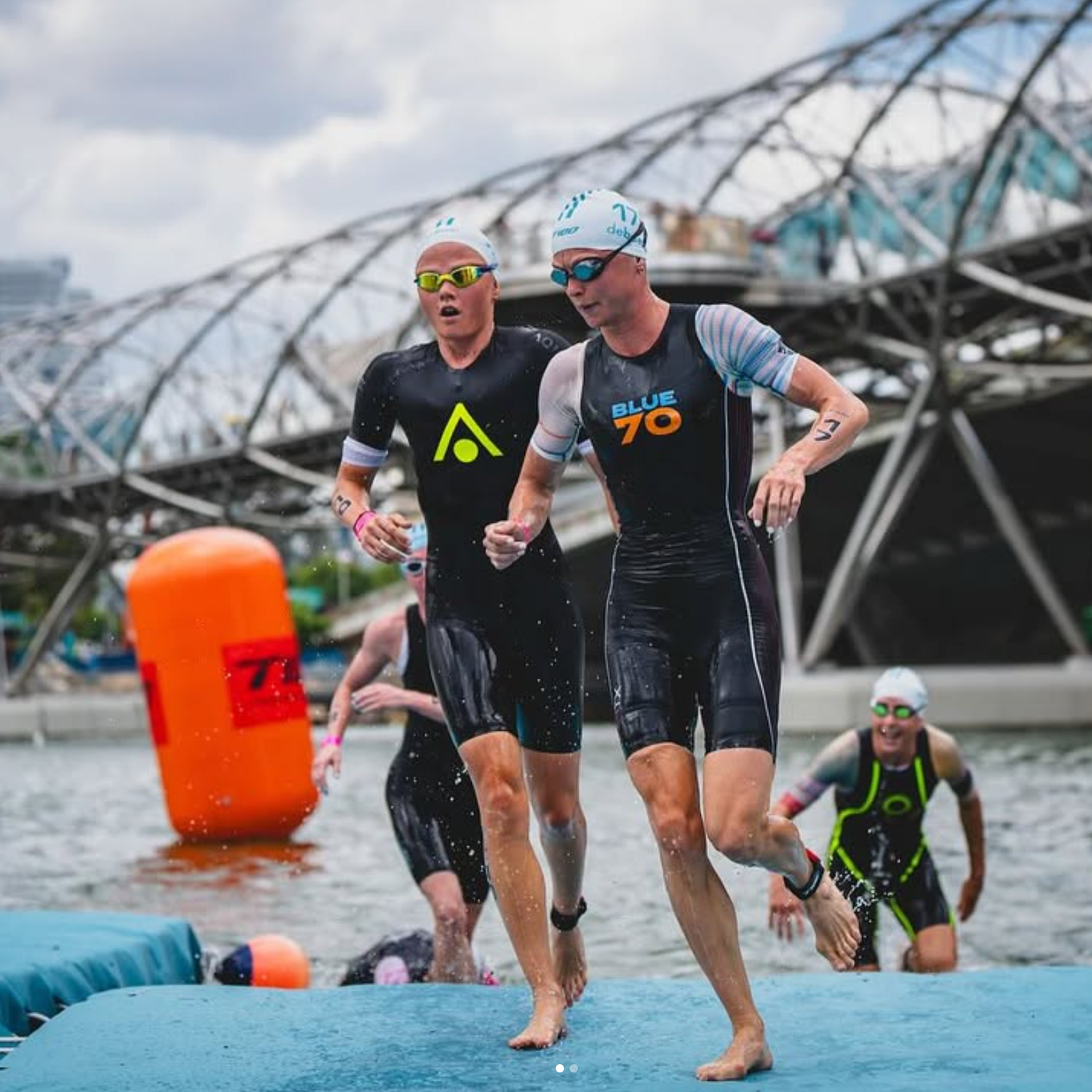
At blueseventy, we use high-cell Yamamoto neoprene - 38, 39, and 40 cell - specifically in the arms and shoulders of our swim wetsuits. Higher cell counts mean more air cells per volume, which translates to dramatically more flexibility. It's not marketing fluff. It's the difference between a suit that moves with you and a suit you have to move against.
Where Buoyancy Sits Changes Everything
Every wetsuit floats. That's not unique. But where the buoyancy is placed determines whether you glide horizontally or fight to keep your legs up. Windsurfing suits distribute flotation broadly and evenly. The goal is thermal protection and enough lift to make a waterstart easier - keeping you afloat while you scramble onto a board. It doesn't matter if your legs dangle because you're rarely trying to streamline yourself into a torpedo.
Swimmers who arrive with sinking hips and legs - which is most age-groupers and even many experienced athletes - need buoyancy that tilts them forward. We concentrate it low on the torso and high on the thighs, while keeping the upper back flexible enough to allow proper body roll. The result is a suit that corrects your position without you having to think about it. A board-sport suit that floats your chest but lets your legs drop actually exaggerates profile drag. You end up swimming uphill, burning energy just to stay level. Around our shop, we say it plain: buoyancy equals speed. It's not a secret; it's just physics. Change your angle in the water, and you change how hard you have to work.
The Neck, the Water, and Your Breathing Rhythm
A windsurfing neck seal is designed for an upright posture - standing on a board, partially submerged, braced against wind and splash. It seals tight around a vertical neck. A swim wetsuit's neck has to perform while you're face-down, rotating your head to breathe, and occasionally lifting it to sight forward. The seal sits lower, with a smoother edge, so it doesn't rub your throat raw or funnel a cold flush of lake water down your back every time you turn to breathe.
In colder water - say, below 58°F - that neck design becomes critical. Constant flushing kills the warm microclimate your body is trying to create between skin and neoprene. For swimmers extending their season into those temperatures, we add our Zirconium jersey lining in the Thermal Reaction suit. It's a synthetic wool-like fabric that traps heat without restricting movement. That feature exists because someone asked, "What does a horizontal, submerged athlete actually need to stay warm for an hour?" Not because it was borrowed from a board-sport design.
Durability Where It Counts, Flex Where It Matters
Windsurfing suits are tough for good reason. Harness hooks, abrasive deck pads, and constant salt spray demand a burly exterior. That toughness often means double-lined neoprene across the entire suit - heavier and less willing to stretch. For a swimmer, that's a problem. What you gain in durability against a harness, you lose in every arm stroke.
Swim-specific suits make a deliberate trade-off. We put the most fragile, flexible neoprene exactly where you need it - shoulders, arms, upper back - because that's where freedom from restriction pays off. We put more durable panels where buoyancy and longevity matter more. Nobody needs a bulletproof wetsuit for an open-water swim; they need one that lets them hold efficient form for 45 minutes or more. That's a different design brief entirely.
So You've Got a Windsurfing Wetsuit. Now What?
Will you get through a sprint-distance triathlon swim in a windsurfing suit? Probably, if you've got decent fitness and a high tolerance for discomfort. But "survive" isn't the standard worth chasing. The standard is finishing with shoulders that still feel functional, a body position that didn't cost you minutes, and enough energy to enjoy the rest of your race or training day. Borrowing a suit from a different sport almost guarantees you'll leave some of that on the table.
The good news? You don't need to be a gear obsessive to get this right. Just look for a wetsuit that was designed, from the first sketch, for the overhead arm cycle, the horizontal body line, and the balance of flex and float that open-water swimming demands. Shoulder panels that allow full rotation. Buoyancy concentrated where it will level your hips, not just your chest. A neck that works when you're looking at the lake bottom.
At blueseventy, we've been refining that balance since 1993 - the same year we helped develop one of the first triathlon-specific wetsuit designs. That focus doesn't guarantee a faster time. But it does mean your suit works with your stroke, not against it. Over a thousand arm cycles, that adds up to something you can feel.
If you're curious whether your current suit is helping or hindering, or if you're buying for the first time, start with our Choosing A Swim-Specific Wetsuit guide. And remember, we let you Take a Test Swim - swim in the suit, feel the difference in your own stroke, and return it if it's not right. Ten minutes in your local water will teach you more than any article ever could.
Happy swimming.