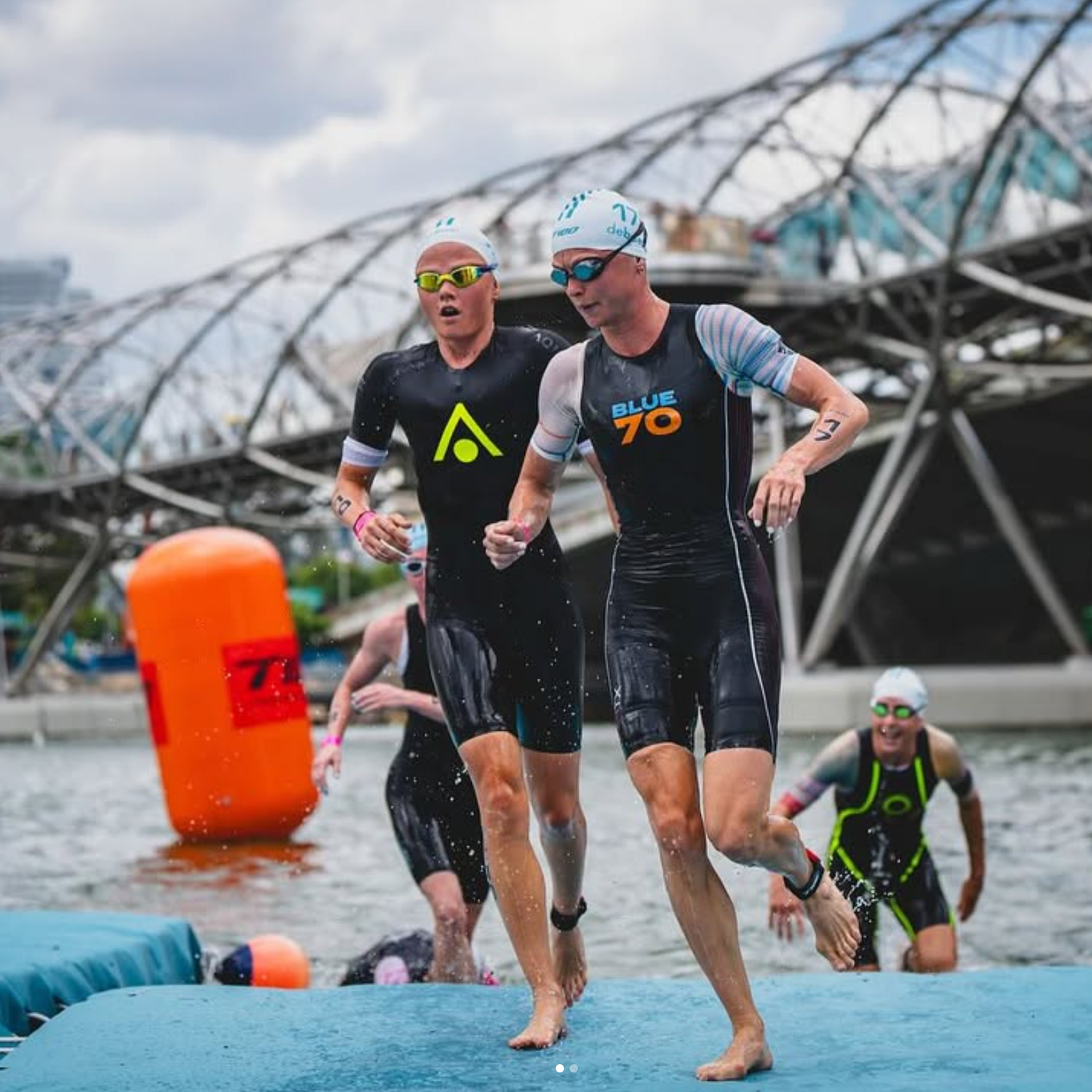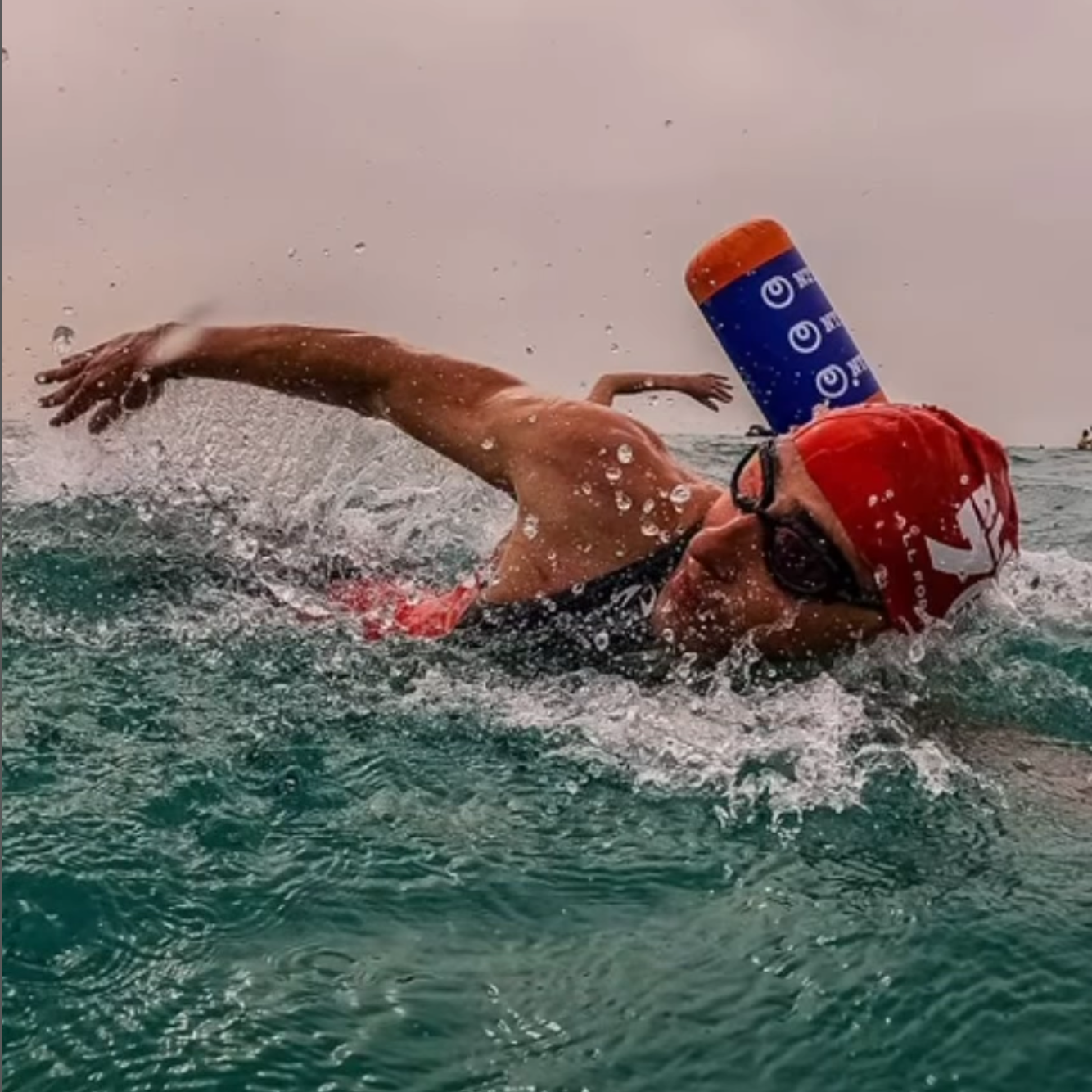



Most wetsuit conversations start with buoyancy. It makes sense - lift your hips, cut your drag, and suddenly you’re moving through the water with less effort. But once your body position is dialed, the next big performance piece isn’t about float. It’s about what happens every time you reach forward and pull. If your suit fights that motion, you’re bleeding energy on every stroke. That’s where Yamamoto #40 neoprene enters the picture, and why we deploy it so deliberately in our suits.
This isn’t a material gimmick. It’s a very specific foam grade that changes how a wetsuit moves with you. Understanding what it does - and what it doesn’t do - will help you pick the right suit for your actual swim life, not just one that looks impressive on a spec sheet.
What #40 Neoprene Actually Is
Yamamoto neoprene, the foundation of every blueseventy wetsuit, is graded by cell density. The three we work with are 38-cell, 39-cell, and 40-cell. The number tells you how many microscopic nitrogen bubbles are packed into the foam. A higher cell count means more gas, less solid rubber. For #40, that translates into a material that’s exceptionally pliable - it drapes almost like a soft fabric when you hold it up.
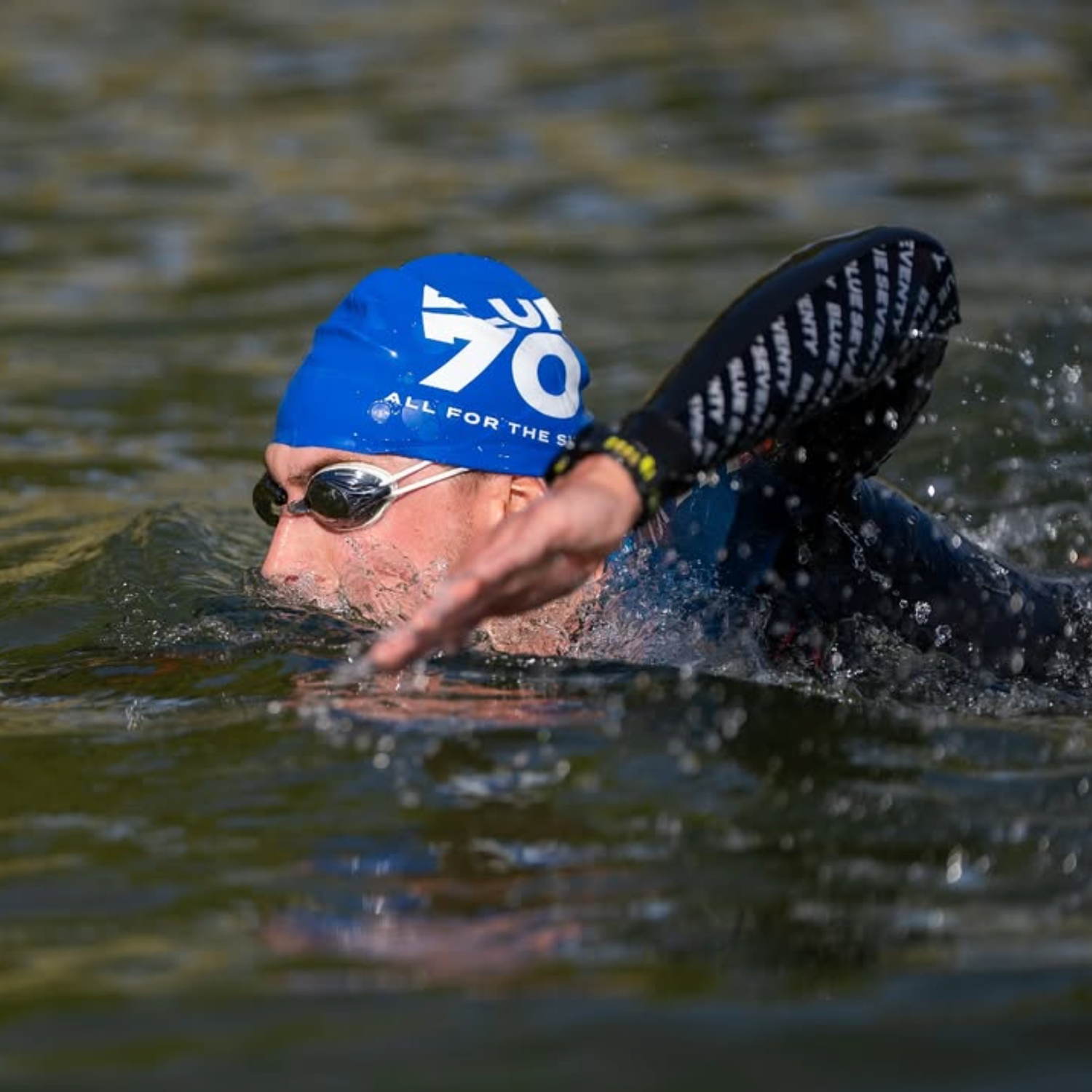
That pliability is the whole point. Because the foam is mostly tiny air chambers, it stretches easily under light tension and doesn’t snap back hard. When you extend into your catch and roll through the pull, the suit gives way rather than resisting. For a swimmer, this means shoulders that stay fresher deeper into a race, and a stroke that keeps its rhythm instead of shortening up as fatigue sets in.
Why Shoulder Freedom Wins Swim Legs
We talk a lot about buoyancy because it’s the most immediate benefit a wetsuit provides. A good suit lifts your legs and flattens your profile, which reduces drag. But after that, the subtle drain on your speed often comes from the shoulders. Even a mild restriction forces you to fight the suit slightly on every stroke. Multiply that by 1,500 meters, 2.4 miles, or a choppy lake swim where you’re sighting every few breaths, and the cost adds up - both in fatigue and in lost seconds.
#40 neoprene addresses this by being the most flexible grade we can put in a suit. Its high elongation means it moves with your scapular rhythm instead of fighting it. When we design the upper-body panels, we think of the suit as a system: if the material around your shoulders and lats disappears from your awareness, you can swim more naturally. You’re not thinking about the suit. You’re thinking about your catch, your sighting, and the buoy ahead.
Where #40 Lives in Our Suits (And Why Not Everywhere)
If #40 were universally perfect, you’d see it from collar to ankle. But a wetsuit isn’t one continuous job; it’s a set of zones, each with a different demand. Put ultra-thin, delicate foam all through the legs and torso, and you’d lose the structured buoyancy that holds your hips high. You’d also end up with a suit that’s far more fragile than most swimmers need week to week.
That’s why we map foam grades to function. Here’s how #40 shows up in two of our core suits:
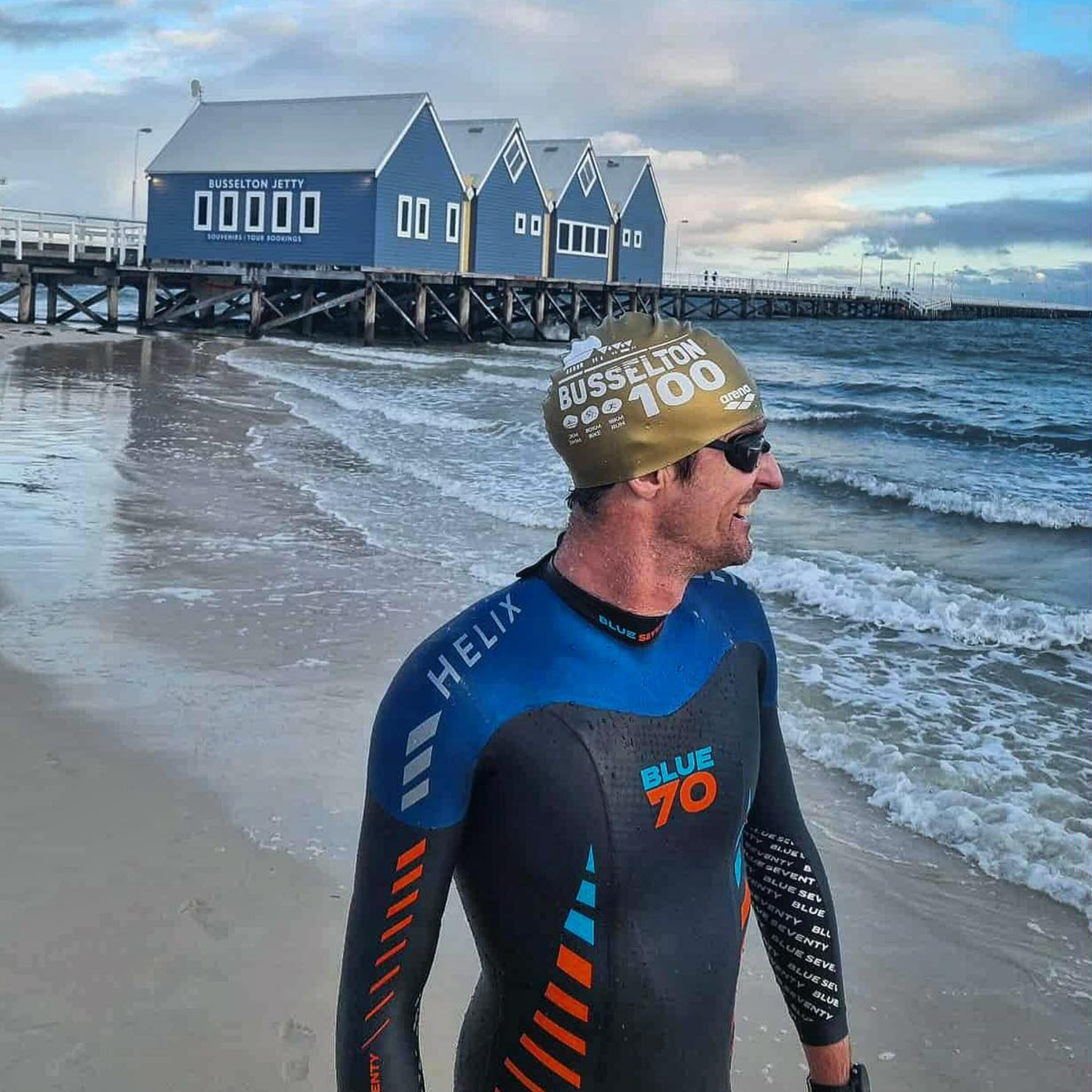
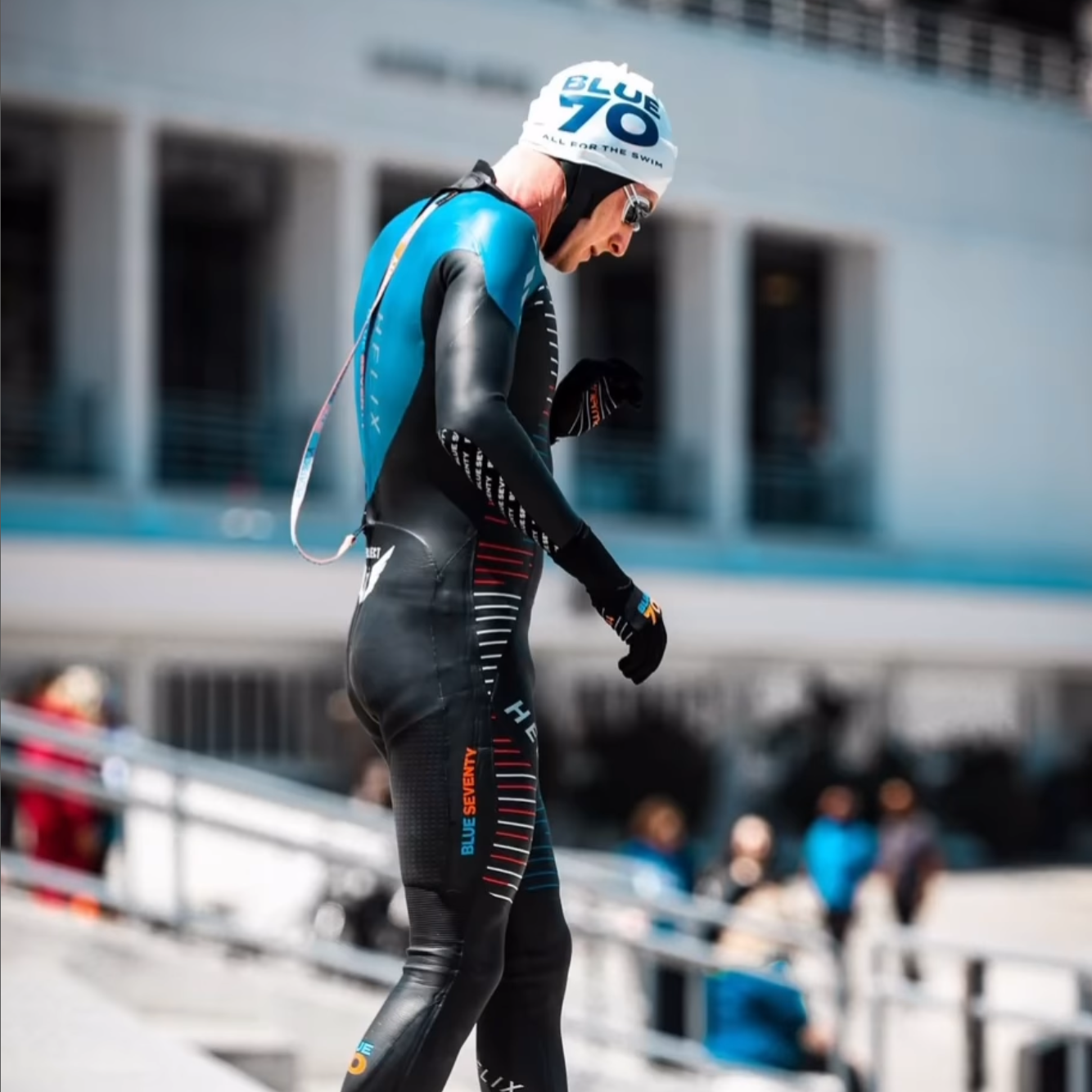
- Helix - our race-day flagship. We place #40 in the arms, the shoulders, and the permeable forearm catch panels. That catch panel preserves your feel for the water - the subtle pressure cue that tells you you’re pulling cleanly. The rest of the suit uses a denser 39-cell neoprene plus LIFT buoyancy panels to lock in body position without sacrificing durability where it counts.
- Reaction - built for frequent swimming and racing. You’ll find #40 in the shoulder and arm assemblies for that same stroke freedom, but the side panels and upper back use a slightly more resilient grade. This gives you a suit that can handle twice-a-week lake sessions while still letting your shoulders do their job.
The Trade-Off Nobody Talks About
Here’s the candor you’d get in a good swim shop: that gorgeous flexibility comes with a real durability compromise. The open-cell structure that makes #40 so fluid under your arms also makes those cell walls thinner and more vulnerable. A fingernail catch while pulling the suit on can tear the foam. Repeated compression and rough handling - especially if you’re training in open water several times a week - will break it down faster than a denser grade.
We’re upfront that the Helix isn’t a heavy training suit. It’s a race-day weapon, meant for a handful of rehearsal swims to dial in your feel and then unleashed when it counts. If you’re swimming in the lake every Tuesday and Saturday from spring through fall, the Reaction or even the Fusion (which uses #40 strategically alongside 39-cell) will last far longer while still giving you meaningful shoulder freedom.
The right choice depends on your actual calendar. A new triathlete targeting one sprint and doing two practice swims has different needs than an age-grouper chasing a podium at a 70.3. Both can benefit from #40 where it matters most - in the stroke zone. The difference is how the rest of the suit holds up around it.
Small Habits That Keep #40 Healthy
Because #40 neoprene’s cell walls are finer, a little mindfulness goes a long way. Over the years, we’ve seen the same patterns with suits that last for seasons versus ones that come back with early damage. Here’s what makes the difference:
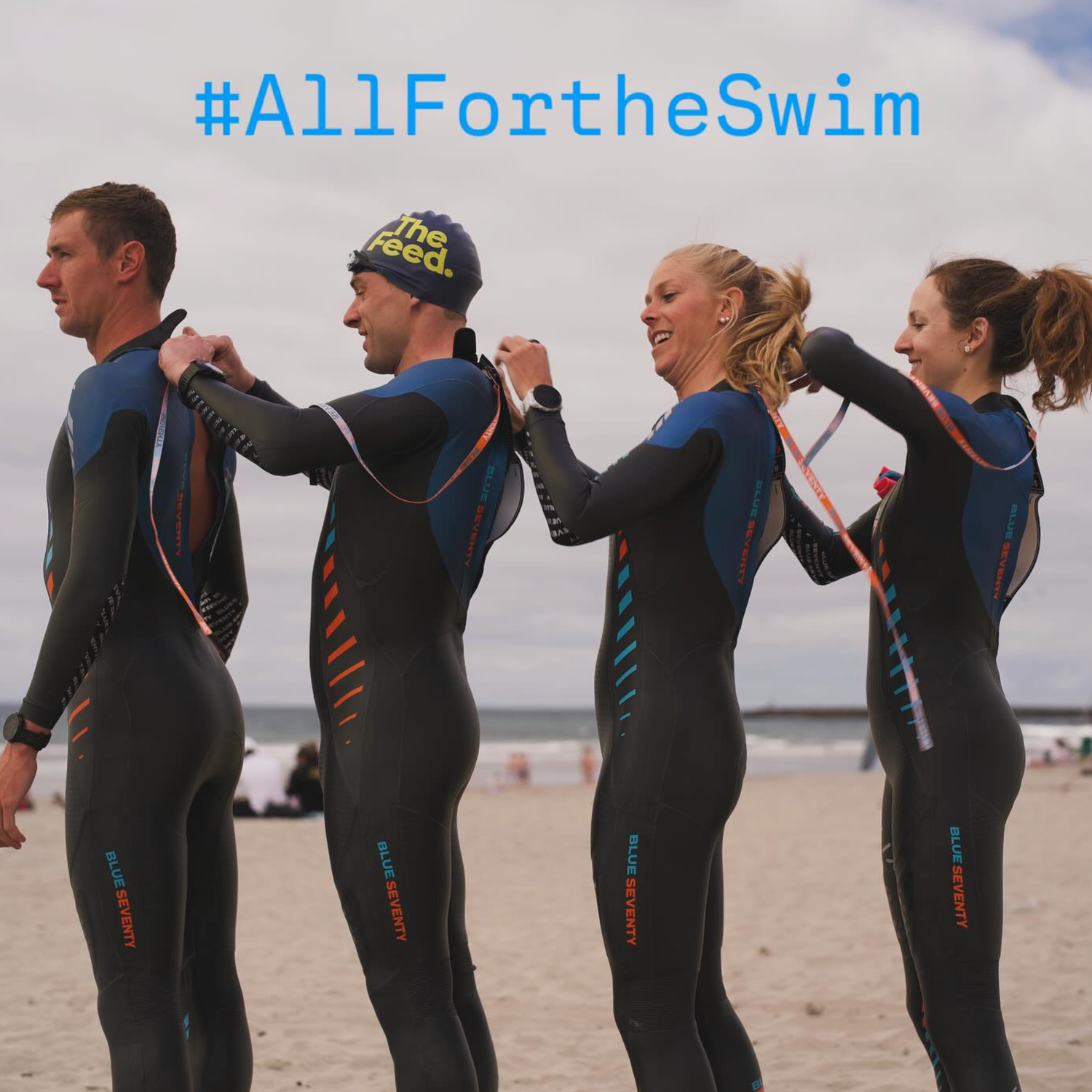
- Use your fingertips, not your nails. Grip the suit with the pads of your fingers when you pull it up. Work it inch by inch; don’t yank. And if the suit bunches, reach inside to smooth it rather than grabbing the exterior. Fingernail punctures are the number one reason a new wetsuit ends up needing a repair.
- Rinse after every swim - no exceptions. Salt, chlorine, and whatever’s in the lake water will gradually break down cell integrity. A thorough freshwater rinse, followed by drying inside-out and then right-side-out out of direct sunlight, keeps the foam from degrading prematurely.
- Store it loosely. Never wring or twist. Drape it over a wide hanger or roll it gently in a microfiber towel for transport. Cramming it damp into a transition bag under your shoes is a fast track to compressed foam and weak seams.
- Treat small nicks immediately. A tiny tear from a fingernail or a rough-heel entry won’t fix itself. A dab of Aquaseal neoprene cement, applied while the suit is dry, can seal it in minutes. Catch it early and you’ll keep racing in that suit for seasons.
Does #40 Belong in Your Next Suit?
Ask yourself two honest questions: How many open-water swims do I realistically plan this season, and how important is that one key race? If you’re training lightly and peaking for a single event, a suit with generous #40 paneling like the Helix gives you the shoulder freedom and feel that can keep your pace locked in when it matters. If you’re in the water weekly, the Reaction puts that same #40 where you need it - in the stroke zone - while giving you the backbone to train through the summer.
The best way to decide isn’t reading about it; it’s swimming in it. Every blueseventy wetsuit comes with a no-penalty Test Swim. Take it out for a real session. If the fit or feel isn’t right, you have 30 days to exchange it, as long as the suit comes back clean and dry. Because the only spec sheet that matters is the one your stroke writes in the water.