


A wetsuit's environmental impact is measured in seasons, not marketing claims. The suit that lasts four winters beats the one that lasts two, regardless of what is printed on the hang tag. Blueseventy has made swim-specific wetsuits since 1993, and our sustainability advice starts with what actually wears suits out: training volume, fit, and care. Neoprene foam, lining, and outer fabric bond into a composite that does not move easily through ordinary recycling streams. The most reliable environmental lever for a swimmer is to keep the suit in service for as long as possible.
That means the sustainable choice starts before the purchase. A race suit bought for twice-a-week training will wear out early. A durable training suit bought for one race a year will sit unused for 51 weeks. Both are waste. Match the suit to your actual training load. That is the first and least obvious sustainability decision.
Durability Is a Design Choice
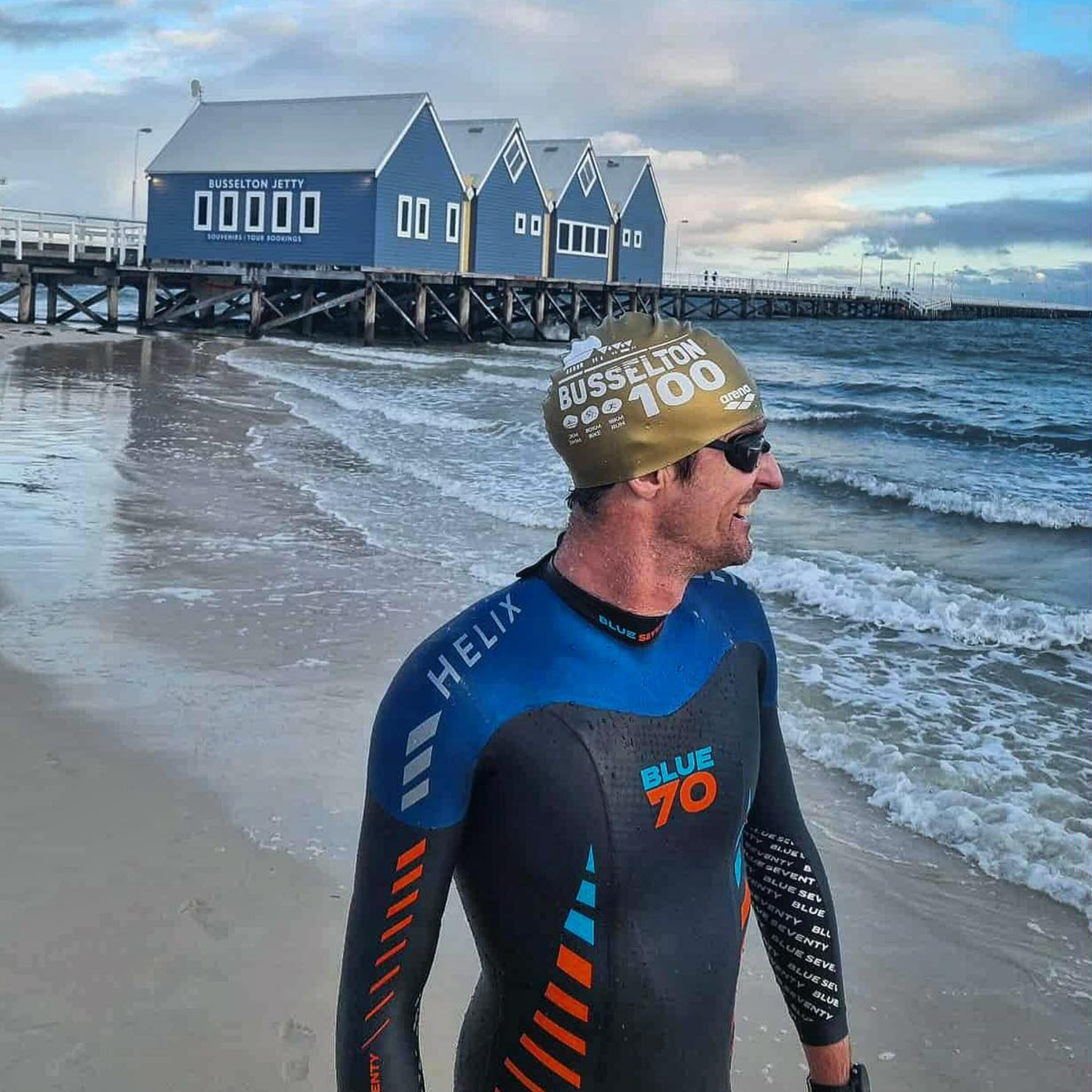
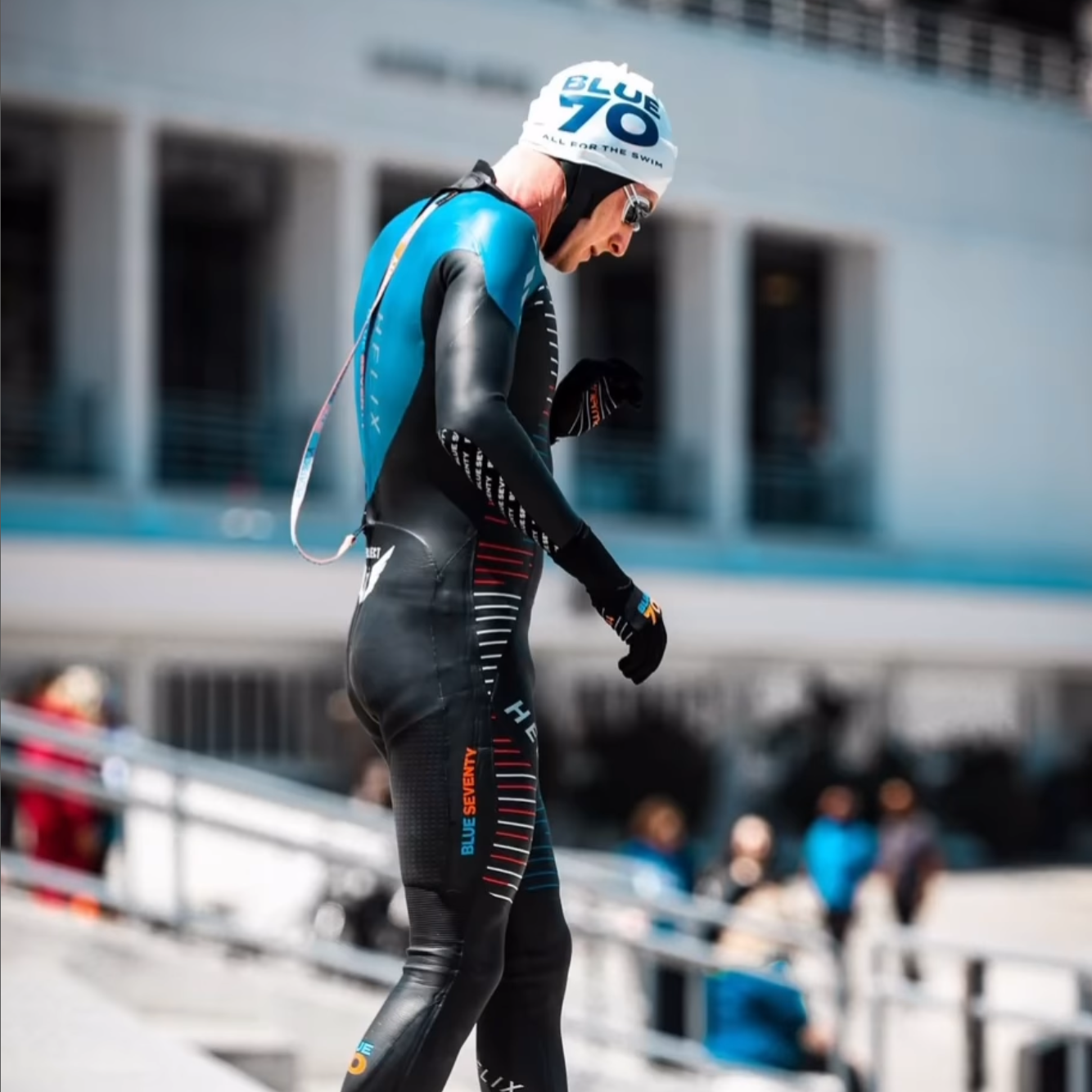
Blueseventy wetsuits use Yamamoto neoprene in 38, 39, and 40 cell grades. Higher cell numbers mean more flexibility. Race suits lean on thin, high-cell neoprene in the arms and shoulders to reduce restriction and preserve feel for the water. Flexibility in the shoulders means less fatigue over a long swim, but it also makes the neoprene more vulnerable to fingernail punctures. Our Helix is built this way, and our own guidance says it is not ideal for heavy training use.
If you train once a week or more, choose a suit built for that load. The Reaction uses a higher-grade neoprene than the Fusion and is our recommendation for longer, frequent open water sessions. The Fusion, redesigned in 2021 with a lower-sitting neckline, suits shorter weekly swims and costs less. The Sprint is the entry point, but match it to lighter use if you want it to last several seasons. A durable choice is one you can train in without treating it like tissue paper.
Fit Prevents Damage Before It Starts
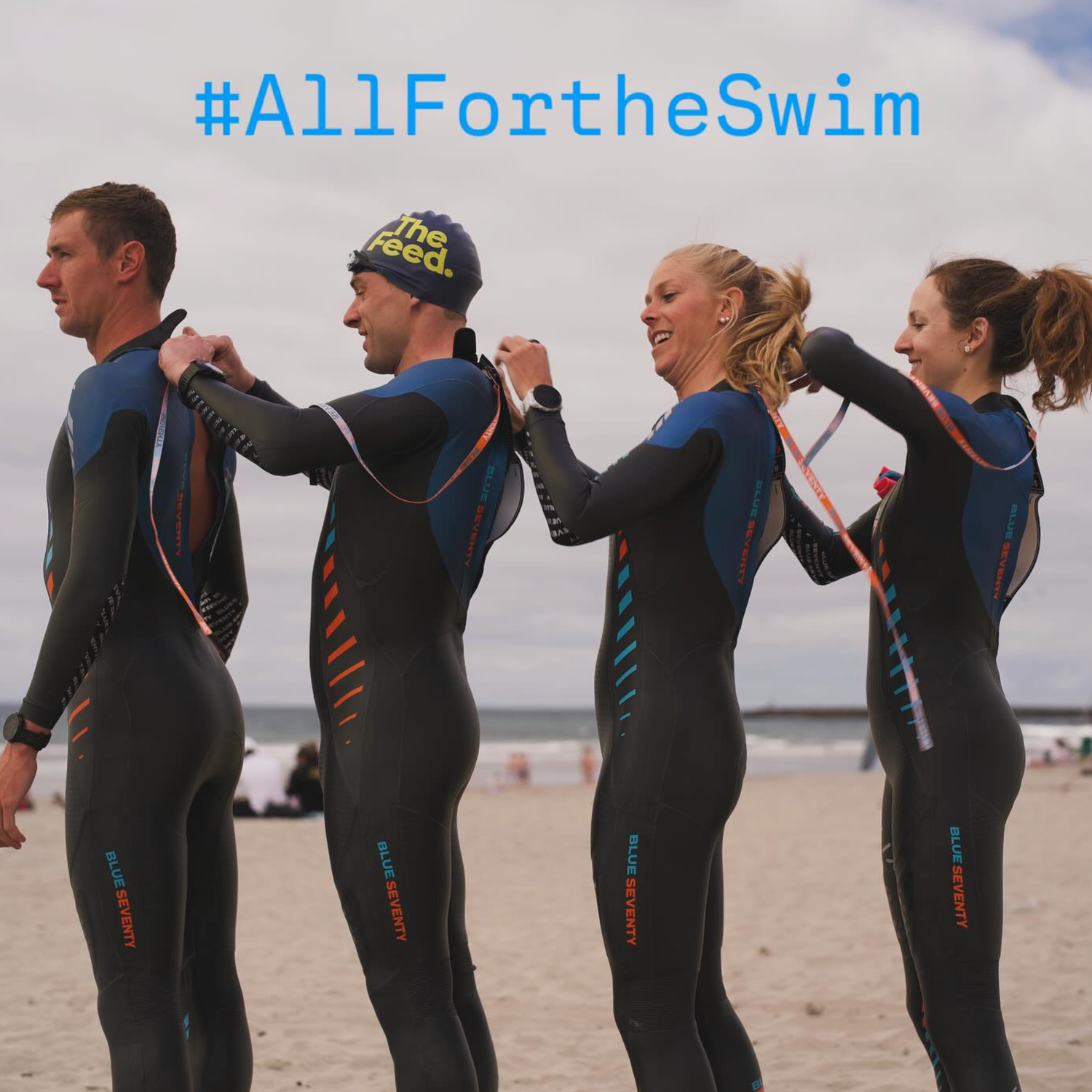
Most avoidable wetsuit damage happens while putting a suit on or taking it off. Fingernail punctures occur when fingers dig into neoprene to pull it up. Heel tears occur when a foot is forced through the leg without easing the neoprene. A suit that fits correctly needs less force. Less force means fewer punctures, fewer tears, and more seasons.
Fit is also a women's issue. Femme Fit refines the pattern in the bust, torso, wrists, and ankles and lowers the neckline. The extended zipper length makes entry easier and accommodates wider hips. When a suit is cut for a woman's body, she does not have to yank it into place. Less yanking means less damage.
Getting the fit right the first time is the sustainable move. Our Test Swim policy lets you swim in a wetsuit and still return or exchange it within 30 days as long as it comes back clean, dry, unmodified, and with tags. Use it. A suit that fits poorly and sits in the closet is wasted production.
Repair Is Part of the Plan
Wetsuit damage is rarely the end. A clean cut or small tear in the outer layer can be repaired with neoprene cement. We sell Aquaseal neoprene cement for exactly this job. The steps are straightforward: clean and dry the area, apply cement to both sides, wait until tacky, press together, and let it cure fully. Follow the product instructions for cure time. Do not use household glue. It dries hard and can tear the surrounding foam.
Larger tears, zipper damage, or seam failures belong with us or a wetsuit repair specialist. Our warranty covers manufacturing and material defects for one year from the original owner, with repair as the remedy. It does not cover fingernail punctures, heel tears, zipper damage from force, heat or chlorine damage, or non-swimming use. That list names the ways swimmers accidentally shorten a suit's life.
Five Care Habits That Add Seasons
- Rinse the suit in fresh water after every swim. Chlorine and salt degrade neoprene and stitching.
- Dry it away from direct sun and heat. Heat ages the foam quickly.
- Store it flat or on a wide hanger. Avoid tight folds and avoid hanging a wet suit by the shoulders.
- Put it on with finger pads, not fingernails. Roll the neoprene up the leg instead of digging in.
- Keep the suit for swimming only. Surfing, scuba, and kayaking stress a swim wetsuit differently and void the warranty.
When a Suit Reaches the End
After several seasons, even a well cared for suit reaches the end. If it is still intact but no longer warm enough for cold water, donate it to a swim club, high school team, or open water group for shorter or warmer-use training. If it is no longer usable, check with a specialty recycler rather than putting it in your curbside bin. The final decision is the next purchase: choose the suit that matches your real training frequency, not your race-day fantasy.
The Framework That Holds Up
Buy for your training load. Get the fit right the first time. Repair small tears before they spread. Rinse after every swim. Those habits keep a suit in the water long after a less deliberate purchase would have been replaced.
If you are choosing now, use the Test Swim policy and keep the suit that fits. Take a Test Swim.
Happy swimming.