


The wetsuit temperature line has shifted more than once since triathlon began standardizing open-water racing. World Triathlon, formerly known as ITU, now divides wetsuit use into mandatory, optional, and prohibited temperature zones. Elite and age-group athletes sometimes race under different versions of those zones. The current thresholds live in the World Triathlon competition rulebook. The athlete guide released the week of your race is the final word.
That last sentence matters more than any online forum post. Water temperature gets measured in specific spots, often early in the morning. It changes with wind, shade, current, and rain. A number from a weather app is not the same as the official race-day reading.
The rule began as a local call
Race directors once decided on their own. A local official could measure the water near the shore and allow or ban wetsuits based on that single reading. The problem was consistency. Two races on the same lake, a week apart, could make different calls. Standardized temperature bands removed some of that guesswork. They also forced athletes to pay closer attention to the rulebook.
Three zones, three decisions
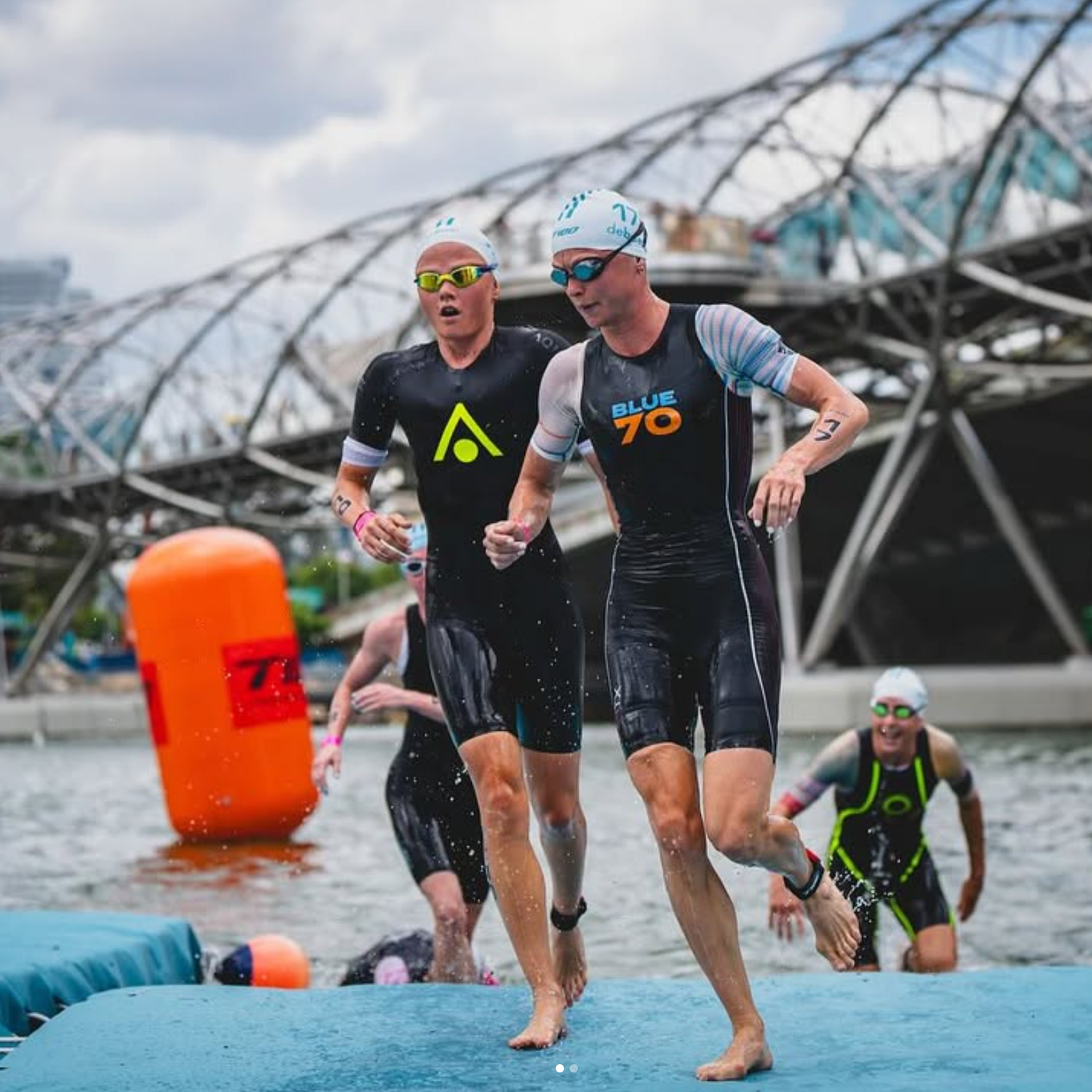
Mandatory means the suit is part of your cold-water plan. Optional means the choice sits with you, and your answer should follow water temperature, distance, and your own tolerance. Prohibited means no wetsuit, which usually sends athletes toward a swimskin or speedsuit.
- Mandatory: cold-water preparation and thermal protection matter most; the Thermal Reaction is the suit for water in the low to mid-50s Fahrenheit.
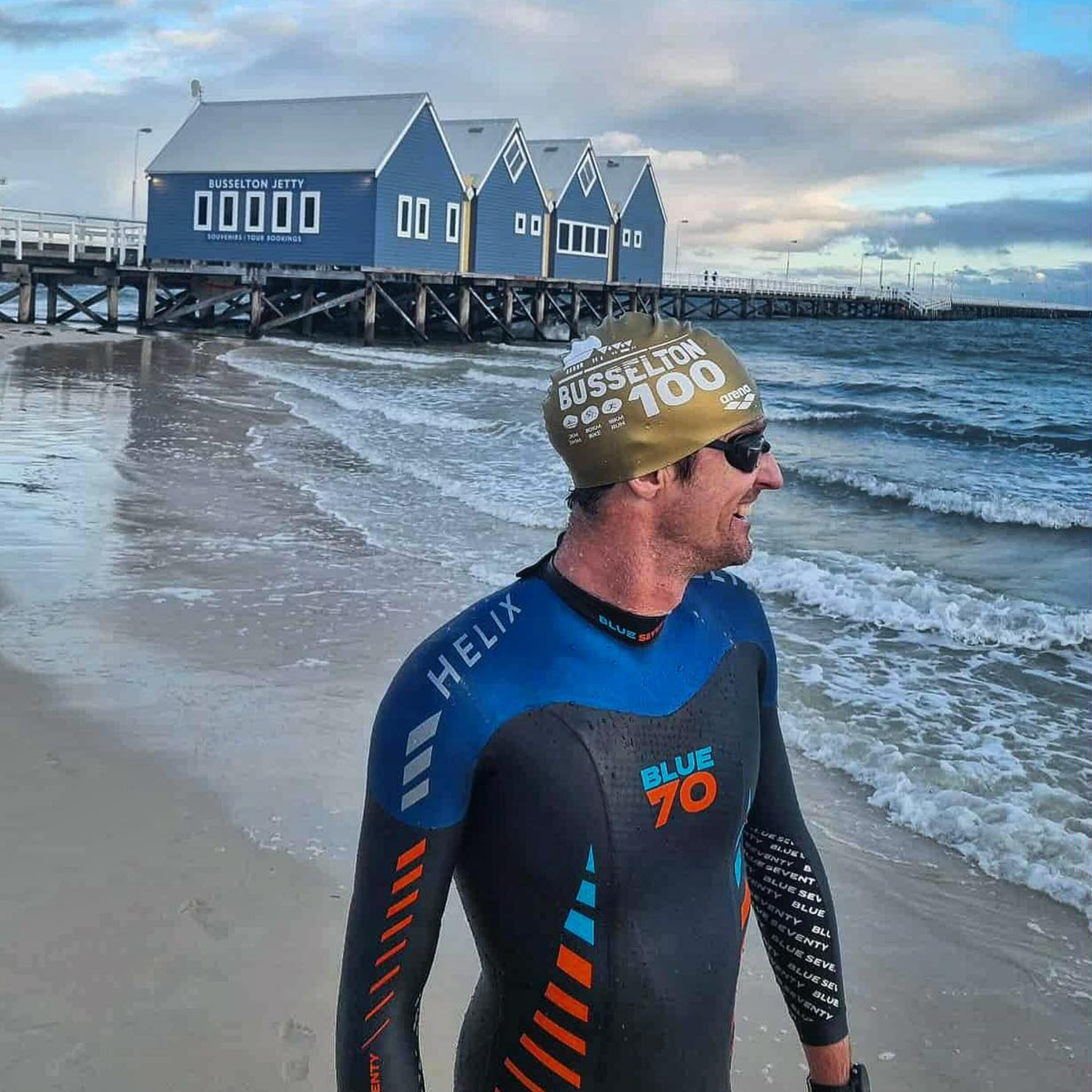
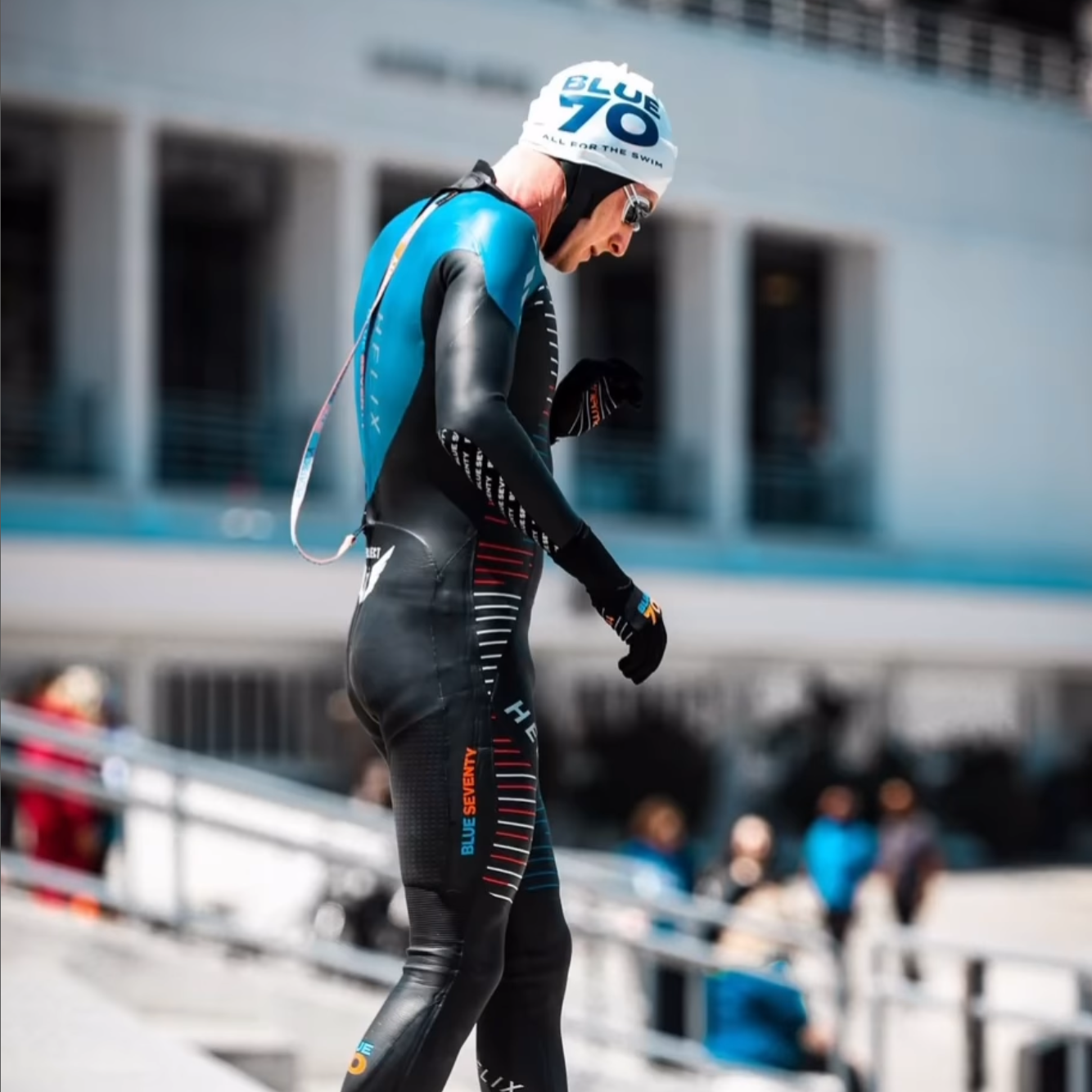
- Optional: choose for warmth or feel; the Helix suits race-day flexibility, and the Reaction fits frequent, longer training swims.
- Prohibited: no wetsuit allowed; the swimskin lineage from pointzero3 through the PZ4TX is the warm-water option.
Many race-day calls fall between the mid-50s and low 70s Fahrenheit. Below roughly 56 to 58°F, a purpose-built thermal suit like the Thermal Reaction adds meaningful thermal protection. Above roughly 70 to 72°F, a full suit can be too warm over longer swims. Between those points, the right suit depends more on flexibility and fit than on raw warmth.
How the rule split race-suit design
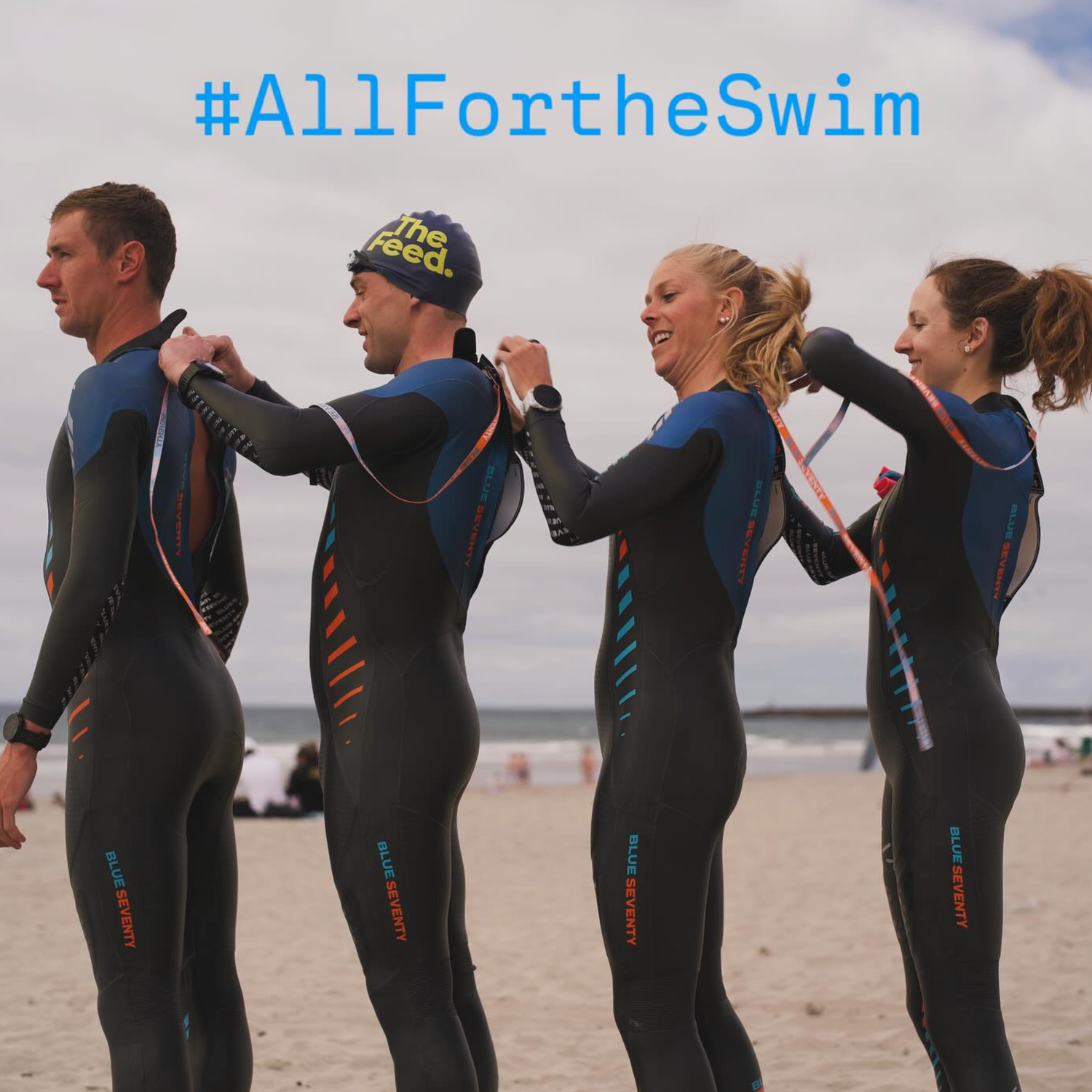
A suit that keeps a swimmer comfortable at 58°F does not need the same shoulder freedom as one worn at 70°F. Once the temperature bands became standard, suit design split into two paths. blueseventy started in 1993 as Direct Innovations, building one of the first triathlon wetsuits. The company became blueseventy in 2005. The Thermal Helix arrived in 2015 as the first purpose-built cold-water swimming suit in the line. On the warm side, the swimskin lineage runs from the original pointzero3 to the PZ4TX. In 2016, the brand introduced what it describes as the first short-sleeved swimskin in the industry.
The material difference is concrete. blueseventy uses Yamamoto neoprene in 38, 39, and 40 cell. Higher cell numbers mean more flexibility. Warmer legal water lets a swimmer choose thinner, higher-cell neoprene in the arms and shoulders without a warmth penalty. In colder water, the Thermal Reaction is fully lined with Zirconium jersey, a synthetic wool layer that provides added thermal protection. The mid-range Reaction uses a higher-grade neoprene than the Fusion for frequent, longer swims.
What London 2012 showed
At the London 2012 Olympic triathlon, the Helix was first out of the water in both the men's and women's races. blueseventy athlete Alistair Brownlee won the men's gold. The swim became a reference point for what a swim-specific suit can do within race rules.
A suit with stiff shoulders might keep a swimmer warm but cost strokes. A suit cut for swimming gives the arms freedom from restriction while the lower body still gets buoyancy. Buoyancy equals speed. The rule says whether you may wear a wetsuit. The suit's design decides how well you move in it.
Choosing by water temperature, not habit
A cold-water day calls for thermal protection and careful warm-up. A warm-water day calls for a sleeveless suit or swimskin. A long race in moderate water often rewards durability and shoulder comfort. A short, competitive race in the legal band rewards flexibility and feel.
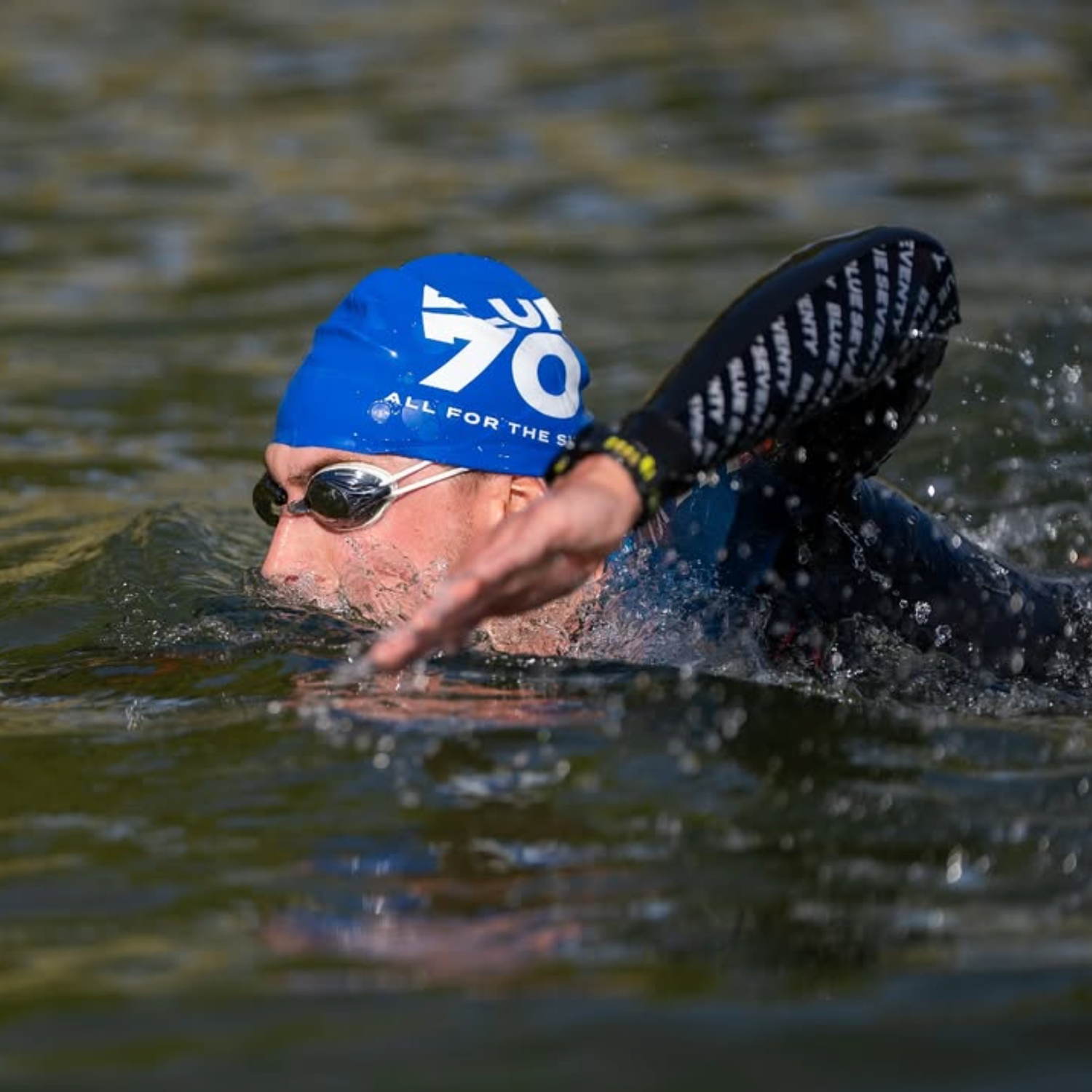
The temperature band steers the model. The Helix is the race-day option, with thin, flexible neoprene in the arms and shoulders and a catch panel that preserves feel for the water. That thin, flexible neoprene will break down more quickly with frequent training use, so swimmers who train weekly should look at the Reaction or Fusion. The Fusion is the shorter, frequent-training option with a lower-sitting neckline. The sleeveless Reaction or a swimskin often becomes the smarter choice when the water leans warm.
The safety layer that exists outside the rule
No wetsuit, including a thermal suit, is a Coast Guard-certified personal flotation device. A wetsuit adds thermal protection and improves body position. It does not remove the risks of cold water. Preparation happens before race week: gradual acclimatization, swimming with support, knowing the course exit, and recognizing the early signs of cold stress. The legal temperature rule sets the race conditions. Your preparation decides how safely you handle them.
Race-week checklist
- Check the event athlete guide for the measured official water temperature, not a weather app.
- Confirm your category's current wetsuit rule in the World Triathlon rulebook.
- Match the suit to the water temperature, race distance, and your training frequency.
- Swim in the suit before race week. blueseventy's test swim policy lets you swim in a wetsuit and still return or exchange it if the suit is clean, dry, unmodified, and has tags attached.
World Triathlon has adjusted the line before, and future changes will follow swimskin and cold-water research. Your suit choice still depends on your stroke, your race distance, and the water you train in. Find your size and take a test swim.